The short answer: China does not have one noodle culture, it has a dozen
If you only eat noodles at one stop in China, you will leave thinking Chinese noodles are wheat strands in beef broth. That is one city’s version, and a good one. But after fifteen trips and a lot of train rides, I can tell you the country eats noodles in at least a dozen distinct ways, and the differences are not subtle. The north pulls wheat. The south steers rice. The southwest drops raw ingredients into scalding broth at the table. The northwest fries, the coast simmers, the mountains smoke.
This guide is the map I wish someone had handed me on my first trip. It covers the seven styles a traveler is most likely to meet, the neighborhoods where each is done properly, and what you should expect to pay in 2026. Prices shift, so treat the numbers here as recent memory rather than gospel, and check with your hotel or a local before budgeting.
Quick facts
- Best single noodle city for a first-timer: Lanzhou, where a bowl costs about 8 to 15 yuan
- Cheapest iconic bowl: Wuhan hot dry noodles, 5 to 8 yuan at dawn
- Most theatrical: Yunnan crossing-the-bridge noodles, served in pieces, assembled at the table
- Widest noodle in the country: Xi’an biangbiang, as wide as a belt
- Rice-noodle heartland: everything south of the Yangtze, especially Guilin and Kunming
- What to say to order: “yi wan mian” (one bowl of noodles), then point at the picture on the wall
Lanzhou: the clear-beef-soup standard
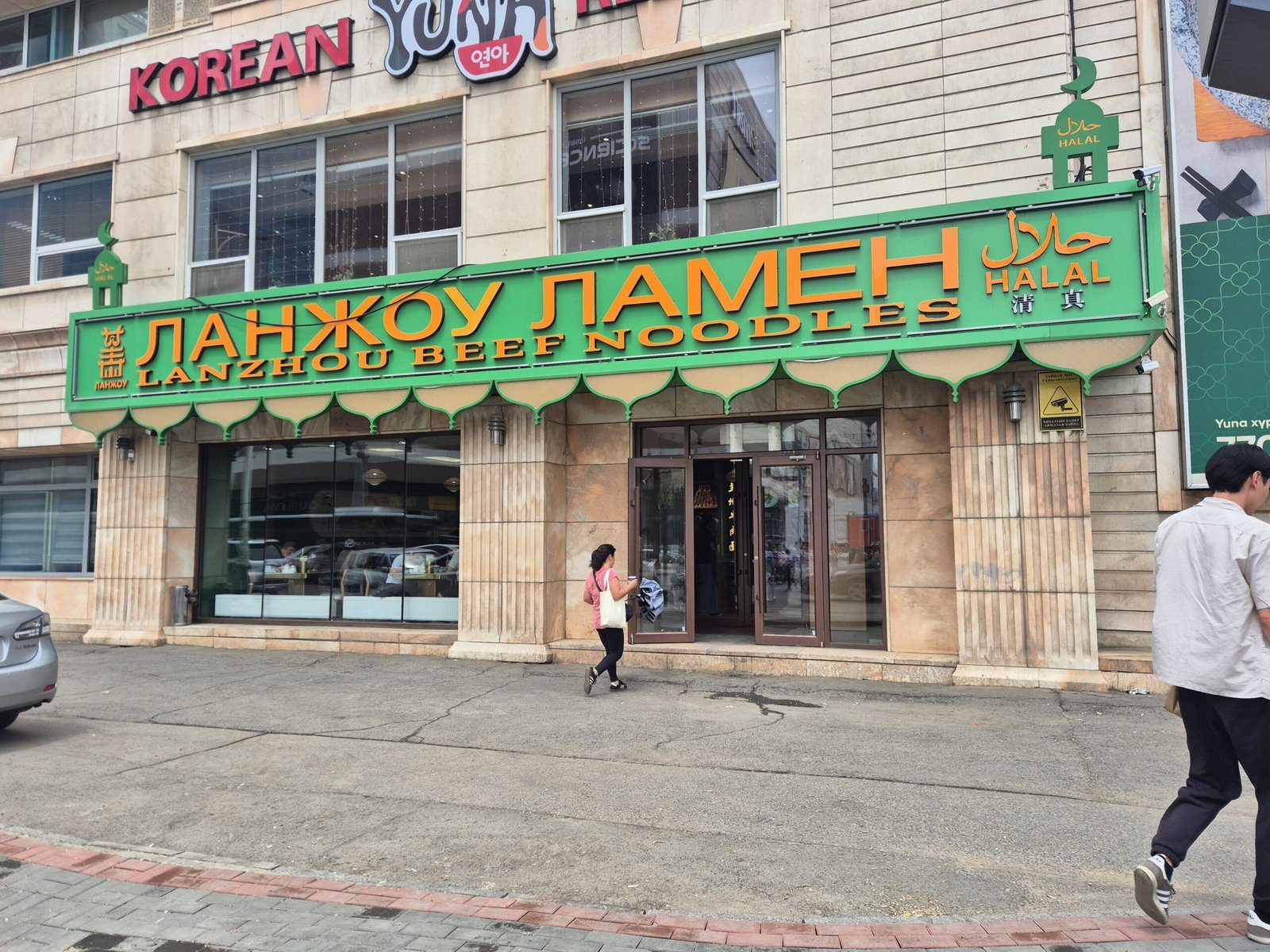
Every Chinatown in the West serves a version of Lanzhou beef noodles, and almost none of them resemble the real thing. In Lanzhou itself, a proper bowl is a study in restraint: clear broth simmered with beef shin and bones, hand-pulled noodles of your chosen width, a few slices of beef, white radish, chili oil, and coriander. That is the whole dish. The rules are almost religious. A genuine Lanzhou shop will tell you the soup must be clear, the noodles must be pulled to order, and the bowl must arrive within a couple of minutes of ordering.
Width matters more than visitors expect. You will be asked to choose from roughly seven sizes, from thin as a needle to wide as a belt. Locals have strong opinions. My routine is thin noodles in the morning when I want the soup to carry, wider ones at noon. Ask for “xi” for thin, “kuan” for wide, and just nod along to the rest.
Where to eat: the city is full of shops, and the honest answer is that the busiest one on your street is usually fine. The famous ones near the railway station draw crowds of travelers; I prefer the small shops in the neighborhoods west of the center, where a bowl in 2026 ran me 8 yuan plus an egg. For the full story of the dish, read our guide to Lanzhou noodles.
Xi’an: biangbiang and the belt-wide tradition
Shaanxi’s signature noodle is biangbiang, and the name is onomatopoeia for the sound the dough makes when slapped against the counter. The noodles are wide, thick, and chewy, dressed with chili oil, garlic, and scallion, often with pulled pork or tomato and egg on top. There is no soup. The bowl is a saucer of sauce, and the pleasure comes from the texture of the noodle itself.
The character for biangbiang is famously complicated, and locals joke that nobody can write it without practice. You do not need to. You need to find a place where the dough is slapped fresh, not machine-cut. My favorite method is to walk the back streets near the Muslim Quarter in the early evening, follow the sound of slapping, and sit down wherever it is loudest. A bowl cost 12 to 18 yuan in 2025. Pair it with the roujiamo, the baked pork sandwich the city is equally proud of.
Xi’an’s other noodle tradition is liangpi, cold wheat starch noodles dressed with vinegar, chili, and sesame, a summer dish that appears on every corner by June. If you are visiting the Xi’an food scene after dark, liangpi is the right first order before you move on to skewers.
Wuhan: hot dry noodles at six in the morning
Wuhan eats hot dry noodles for breakfast, and the city treats the practice with competitive pride. The noodles are boiled, drained, tossed with sesame oil and left to cool, then reheated in boiling water and dressed with a thick sesame paste, pickled radish, scallion, and chili. The texture is dry and dense, almost sticky, which is the point. Locals call it reganmian, and they eat it while walking to work.
The tradition is to buy it from a street stall and eat standing, because the noodles degrade quickly. My routine in Wuhan is to be outside by 6:30, find a stall with a line of delivery drivers, and order one bowl for 5 to 8 yuan. If a shop sits you down and serves it slowly with chopsticks, you are in the wrong place. The city’s full morning routine is worth a dedicated early start, and I have written it up in my Wuhan food breakfast guide.
Yunnan: crossing the bridge, one ingredient at a time
Crossing-the-bridge noodles come with a story about a scholar’s wife who invented a way to keep soup hot across a bridge. Whether or not you believe the romance, the mechanics are excellent theater. A heavy clay bowl arrives with a lid, chicken broth kept hot under a layer of chicken fat. You lift the lid and add raw ingredients in a fixed order: meats first, then vegetables, then the rice noodles, then finally the broth is stirred and the soup is ready.
Order matters because everything cooks in the residual heat. Get it wrong and you eat raw fish and undercooked greens. Kunming restaurants will usually coach you through it the first time, and by the second bowl you will be doing it yourself. Expect 20 to 40 yuan depending on the toppings. Yunnan’s rice noodles appear in dozens of other forms too, from small-pot rice noodles in Chongqing-style shops to cold mix-ins with herbs. For the region’s wider table, our Yunnan food guide covers the rest.
Guilin and the south: rice noodles as daily bread
South of the Yangtze, noodles usually means rice. Guilin’s version is a breakfast bowl of thin rice noodles in a mild broth with pickled beans, peanuts, and scallion, sold for 5 to 10 yuan from dawn until mid-morning. It is humble and it is everywhere. The same city also sells the more elaborate beer fish, but the noodles are what locals actually eat at 7 a.m.
Guangdong has its own rice-noodle traditions: cheung fun, the silky rolled rice noodle served at dim sum, and the broader family of rice noodle rolls and wide cut sheets. If your route goes through the province, our Guangzhou dim sum trail covers where to start.
Regional cheat sheet
| Style | Home base | Noodle | Broth or dry | Typical price (2026) |
|---|---|---|---|---|
| Lanzhou beef noodles | Lanzhou, Gansu | Hand-pulled wheat | Clear beef soup | 8-15 yuan |
| Biangbiang | Xi’an, Shaanxi | Belt-wide wheat | Dry, chili oil | 12-18 yuan |
| Hot dry noodles (reganmian) | Wuhan, Hubei | Alkaline wheat | Dry, sesame paste | 5-8 yuan |
| Crossing-the-bridge | Yunnan | Rice | Hot chicken soup | 20-40 yuan |
| Guilin rice noodles | Guilin, Guangxi | Rice | Light broth | 5-10 yuan |
| Wonton noodles | Guangdong, Hong Kong | Thin wheat | Clear broth | 25-50 HKD in HK |
| Liangpi | Shaanxi, nationwide | Wheat starch | Cold, dressed | 6-12 yuan |
Prices are from my own recent visits and vary by city size. Confirm current numbers with local sources when you plan your budget.
How to order without pointing
Three phrases cover most situations. “Yi wan mian” is one bowl of noodles. Add “bu la” for no chili. If you want the wide version in Lanzhou, say “kuan de”; thin is “xi de”. Beyond that, most shops have picture menus or numbers, and the queue moves fast. Pay before you sit in small shops, or hand cash to the server at the counter. Tipping is not expected anywhere.
One more habit worth copying from locals: order a side of vinegar or chili to adjust at the table rather than asking the kitchen to change the recipe. Northern shops keep a vinegar bottle on every table for exactly this reason.
Frequently asked questions
What is the single best noodle city for a first trip to China?
Lanzhou, because the dish is cheap, fast, consistent, and available in every neighborhood. If you can only add one stop, Xi’an is the strongest second choice for variety.
Are northern noodles always wheat and southern always rice?
Broadly yes, but not absolutely. Wuhan and Chengdu are in the middle of the country and both eat wheat noodles daily. Yunnan and Guangxi are rice-first even at breakfast.
How much does a good bowl cost in 2026?
Street breakfast runs 5 to 10 yuan, a proper shop bowl 12 to 25 yuan, and restaurant versions with meat 30 to 60 yuan. Prices in Hong Kong run two to four times higher in local currency terms.
Is it safe to eat noodles from street stalls?
In my experience yes, provided the stall has a queue and the noodles are cooked fresh in front of you. Avoid anything sitting precooked at room temperature. General food safety China tips apply everywhere.
Can vegetarians find noodle shops easily?
Buddhist-style shops and tomato-egg biangbiang are the easy wins. Most Lanzhou broth contains beef, so ask before ordering. Guilin rice noodles with pickled vegetables and no meat are a reliable fallback.
What time do noodle shops open?
Breakfast shops open around 6 a.m. and often close by 10 or 11. Dinner shops open late and run until 10 p.m. or later. The midday gap is real; plan around it.
Do I need chopsticks skills for noodles?
It helps, but wide noodles are manageable with a spoon and fork approach. Locals will not judge; slurping is expected, not rude.
Planning a noodle-focused route
A realistic noodle route runs Xi’an to Lanzhou to Chengdu, all connected by high-speed rail, with Wuhan added if you have ten days. If you want help designing a custom food-and-travel route around the bowls you care about most, reach out through our contact page and tell us your dates and appetite.
Written by the ChinaTravelFood editorial team.