What Tibetan food is
Tibetan food is high-altitude cooking built on three ingredients you will meet again and again: barley, yak, and dairy. The cuisine developed on a plateau where most vegetables will not grow, the air is thin, and the winters are long, so the kitchen leans on calorie-dense staples that travel well in a herder’s bag. That means roasted barley flour, yak meat, butter, and milk in forms that keep for weeks.
If you are searching for a practical Tibetan food guide, start with the short version: expect dumplings, noodle soups, thick bread, butter tea, and a lot of meat. The food is hearty and salty rather than spicy, though chili paste has become a common table condiment. I spent my first week in Lhasa in 2018 eating lightly because of the altitude and only later learned that butter tea and tsampa are exactly what the body wants up there.
This guide covers the staples, the drinks, where to find the good versions, and how to eat well while your body is still adjusting to 3,650 meters. Prices are from 2024 and 2025 menus in Lhasa, Shigatse, and Shangri-La, and they move with tourist seasons, so confirm locally.
The high-altitude logic behind the menu
Everything about Tibetan cooking makes sense once you accept the constraints of the plateau. Lhasa sits at about 3,650 meters, and most of the region is higher. Rice does not grow here, wheat struggles, and the growing season is short. Barley, however, thrives, and the local highland barley is the base of the staple tsampa.
Yak is the other pillar. The animals are built for cold and thin air, and families use nearly the whole animal: meat fresh or dried, butter churned from milk, yogurt soured in skins, and cheese dried into hard nuggets. Nothing is wasted, and nothing is delicate.
The practical result for a traveler is a menu that is heavy on protein and fat. After a day of walking around monasteries at altitude, a bowl of thukpa noodle soup feels like it resets your legs. I used to snack on trail mix at home; in Tibet I carried dried yak, which does the same job with better flavor and no packaging.
Tsampa, butter tea, and what to drink up there
Tsampa is roasted barley flour, and it is the closest thing Tibet has to a national dish. The barley is roasted, then milled into a coarse flour with a toasted, almost nutty smell. You eat it by pouring butter tea into the bowl, adding a pinch of tsampa, and kneading the mixture with your fingers until it forms a dense dough. Locals work the wrist in a circular motion that looks effortless and takes practice.
The taste is plain, warm, and filling, somewhere between cereal and savory bread dough. My first attempt at the kneading left half the flour on the table, and a Tibetan friend at the next table laughed and showed me the wrist flick that keeps everything in the bowl. Nobody seasons it much, though some people add a little sugar, dried cheese, or yogurt. In a sweet version common in Qinghai, tsampa is mixed with milk and a spoon of sugar.
Why does it matter? Because it is the food of the road. Herders carry a bag of tsampa and a thermos of butter tea and can make a meal anywhere in minutes. Travelers who try it properly are tasting a dish designed for nomads, not for restaurant menus. A bowl in a Lhasa tea house runs about 10 to 20 RMB, and it is enough to keep you full for hours.
Butter tea, chang, and other drinks
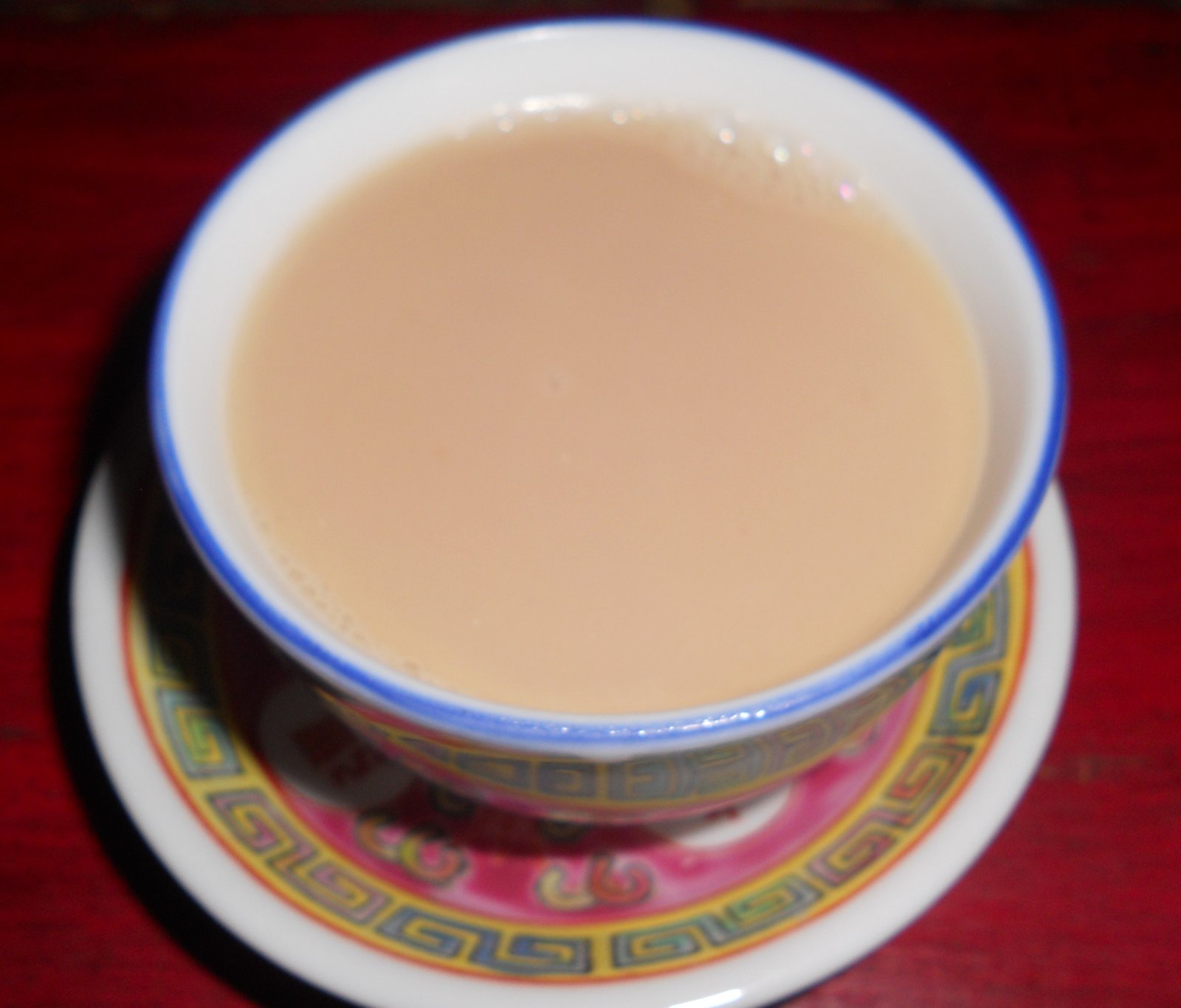
Butter tea, called po cha, is yak butter whisked into strong brick tea with salt. Traditional preparation churns the mix in a tall wooden cylinder until the fat and liquid bind into a thick, beige liquid. The first sip surprised me: it tastes like a salty, buttery broth rather than anything like the teas I grew up with. By my third day I was ordering it without thinking.
It is not just culture, it is function. At altitude you need hydration and calories, and butter tea delivers both in one cup. The salt also replaces what you sweat out. Drink it in the morning, especially before a walking day around the Potala area.
Chang is the other traditional drink, a mildly alcoholic brew from fermented barley. It looks like cloudy, milky water and tastes faintly sour and yeasty. You will mostly meet it at festivals and family gatherings, poured from a clay pot and refilled constantly. At a Nomad camp near Namtso in 2019, an old woman kept my cup topped up while explaining, in a mix of Tibetan and Mandarin, that chang was for keeping warm at night. Sweet milk tea, the Chinese-influenced cousin made with milk and sugar, is also everywhere and easier for first-timers.
Momos, thukpa, and yak in all its forms
The everyday food of Tibetan towns is the dough-and-broth family of dishes. Momos are steamed dumplings, usually filled with minced yak meat and onion or with cabbage and tofu for a vegetarian version. A plate of eight to ten costs 25 to 40 RMB in Lhasa and less in smaller towns. Sha phaley are the fried cousins, half-moon pies of meat and dough that come out blistered and greasy in the best way.
Thukpa is the noodle soup: flat or hand-cut noodles in a meat or bone broth with chunks of potato, cabbage, and yak. Thenthuk is the same idea with pulled, irregular noodles that give the soup body. Both are cheap, fast, and hot, which is exactly what you want after a cold afternoon outdoors. A bowl runs 25 to 45 RMB depending on how much meat you ask for.
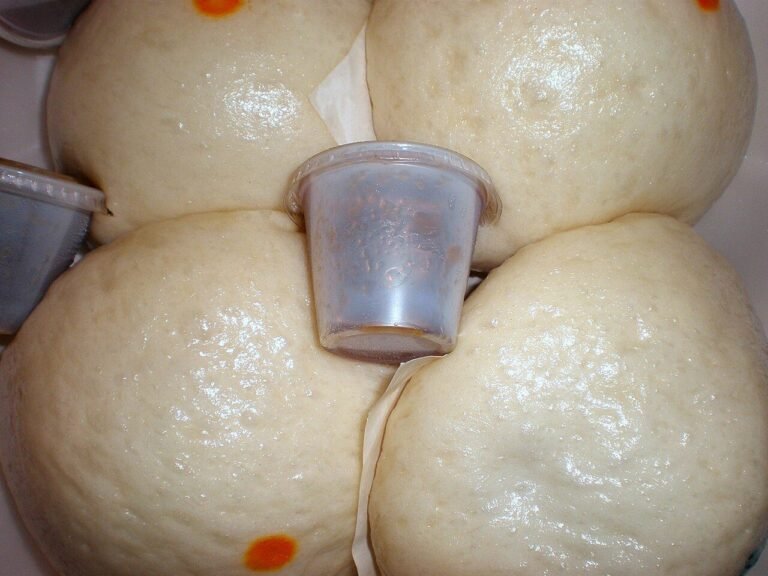
Tingmo is a mild steamed bun, fluffy and slightly sweet, eaten alongside vegetable curries or with milk tea for breakfast. Balep is a flat fried bread, often served with honey or alongside meat dishes. None of these are fancy, and that is the point. They are the food people actually eat, and a tea house that does tingmo well in the morning is usually worth a second visit.
Yak on the menu
You will see yak on menus in four or five forms, and each one is a different experience. Grilled yak steak is the restaurant version, served spiced simply and cooked hard over coals. Dried yak is the trail food, salty and chewy, sold in strips at markets and train stations. Yak hot pot is the celebratory version, a pot of yak bone broth boiled at the table with local mushrooms and root vegetables, popular in Shangri-La and the border areas where Tibetan and Yunnan ingredients meet.
Yak butter is the quiet ingredient that shows up everywhere, stirred into tea, spread on bread, or melted into porridge. Yak yogurt, sold in clay cups at Lhasa markets, is thick and sharply sour; add sugar or eat it plain. In the old city tea houses, a cup of yogurt with a spoon of tsampa stirred in makes a quick lunch.
One thing I would skip: yak blood sausage. It is a genuine traditional preparation and a genuine test of your resolve, and most travelers who try it once spend the rest of the meal quietly pushing it aside. If you are curious, order one piece rather than a plate.
Where to eat Tibetan food
Tibetan food is not limited to the Tibet Autonomous Region. You can find it across the plateau regions of Qinghai, Sichuan, Gansu, and northwest Yunnan, and the towns differ in both price and permit requirements.
| Place | What to eat there | Notes for travelers | Meal cost (2024) |
|---|---|---|---|
| Lhasa | Tsampa, butter tea, momos, yak steak | Widest choice; Tibetan and Sichuan restaurants side by side | 30 to 80 RMB per person |
| Shigatse | Thukpa, thenthuk, home-style yak | Fewer tourist menus, larger portions, lower prices | 25 to 60 RMB per person |
| Shangri-La, Yunnan | Yak hot pot, yogurt, Tibetan breads | Tibetan dishes mixed with Yunnan mushrooms and ham | 40 to 100 RMB per person |
| Xiahe, Gansu | Tingmo, milk tea, yak dumplings | Easiest Tibetan food town to reach; no special permit | 20 to 50 RMB per person |
| Yushu, Qinghai | Tsampa, chang, dried yak | Remote, high, and the most herder-influenced kitchens | 20 to 50 RMB per person |
Lhasa deserves two or three days of eating. The Tibetan quarter around the Barkhor circuit has small tea houses where locals drink butter tea at long tables, and the wider city runs on Sichuan-influenced restaurants that fill the gap when you want a vegetable dish. If you are visiting the Potala Palace and the Jokhang Temple, plan breakfast at a tea house before the crowds and a thukpa lunch after.
For a gentler introduction, Xiahe and Shangri-La give you Tibetan flavors without the permit paperwork or the thinner air of the far west. The Lhasa food scene is richer, but these towns are kinder first stops. Readers comparing regional kitchens will enjoy the wider picture in our minority cuisines guide.
Eating well at altitude
The food advice and the altitude advice overlap more than you would think. In your first two days, your appetite will shrink and heavy meat may sit wrong. That is normal. Eat smaller portions, drink more butter tea than you think you need, and save the yak steak for day three.
Go slow with chang. It is stronger than it tastes, and altitude multiplies alcohol’s effects. I made the beginner’s mistake of treating chang like weak beer and paid for it with a headache that evening.
One more practical note: foreign travelers visiting the Tibet Autonomous Region need a Tibet Travel Permit, which must be arranged in advance through licensed agencies, and rules change. Check the current requirements with official sources or a registered operator before booking trains or hotels. Our Tibet permits guide walks through the paperwork, and the altitude sickness guide covers how to pace the first days.
Quick facts
- Staples: tsampa (roasted barley flour), yak meat, butter, and milk products.
- Butter tea is salty, not sweet, and it helps with hydration at altitude.
- Momos and thukpa are the everyday dishes; a plate or bowl runs 25 to 45 RMB in towns.
- Chang is a mild barley alcohol served at festivals and family tables.
- Tibetan food is also easy to find in Qinghai, Gansu, Sichuan, and Yunnan without a special permit.
- Yak hot pot with local mushrooms is the regional specialty around Shangri-La.
Frequently asked questions
Does Tibetan food taste like Chinese food?
It overlaps in the dough and broth family, but the flavor base is different. There is less soy and ginger, more dairy and barley, and the seasoning leans on salt and chili paste rather than the sauces of eastern China. If you eat your way across China, Tibetan food reads as its own tradition rather than a regional style.
Can vegetarians eat Tibetan food?
Yes, with care. Momos come in cabbage or tofu versions, tingmo and balep are meat-free, and vegetable thukpa exists, but broths are usually meat-based and butter tea is dairy by definition. Ask specifically about the broth if you eat vegetarian. Our Chinese vegetarian guide covers how to ask these questions.
Is butter tea hard to get used to?
The first cup is strange for most people, and the third cup is often easy. Drink it in the morning, treat it as a warm savory broth rather than tea, and do not expect sweetness. If you truly cannot take it, sweet milk tea is an acceptable substitute, though you lose the salt.
What is the best first Tibetan dish for a nervous eater?
Momos. They look and eat like steamed dumplings you may already know, the yak filling is mild, and every tea house has a vegetarian option. From there, thukpa is the natural next step.
How much should I budget for food in Lhasa?
In 2024, a budget traveler ate well on 80 to 120 RMB a day with tea-house breakfasts and simple restaurants, while a yak steak dinner with beer pushed a single day toward 150 RMB. Tourist-facing restaurants near the Barkhor charge more than the lanes a few blocks away.
Do I need a tour guide to eat Tibetan food?
In the Tibet Autonomous Region, independent foreign travel is not permitted; you travel with a licensed operator who also arranges the permit. In Xiahe, Shangri-La, and other Tibetan areas outside the region, you can travel independently and eat wherever you like.
Where can I try the butter tea route?
The butter tea trail runs through the herding regions of northern Tibet and into Qinghai, where nomad families still churn tea by hand. Most travelers see a version of it on a Namtso or Yamdrok lake day trip, and homestays along the way serve the real thing.
Plan a Tibetan food route
Tibetan food rewards a slow route: a few days in Lhasa to adjust, then a road or rail leg west to Shigatse, or a gentler start in Xiahe and Shangri-La. If you want a plan that pairs the tea houses, monastery towns, and the right order of acclimatization, tell us your dates on our contact page and we will build a custom food-and-travel itinerary for you.
Written by the ChinaTravelFood editorial team.