Lanzhou hand-pulled noodles: what makes the bowl perfect
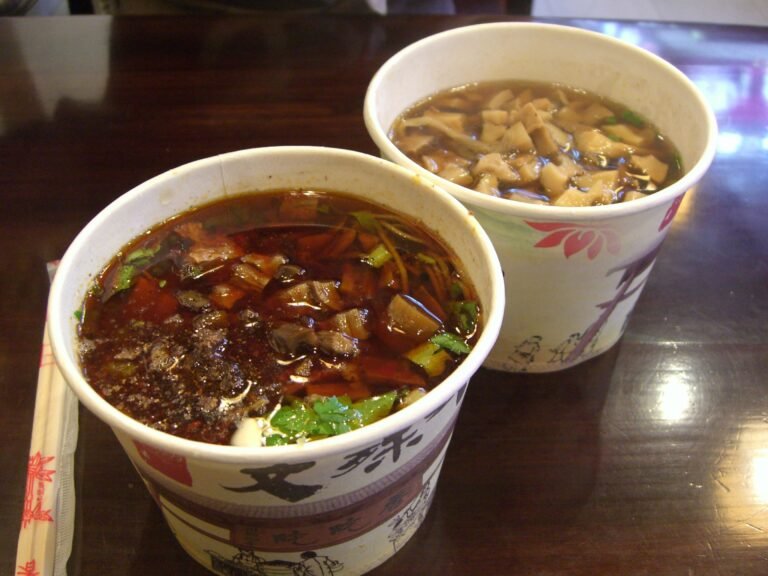
Lanzhou beef noodles are the most eaten bowl of soup in northwest China and probably the most misunderstood bowl outside it. Real Lanzhou hand-pulled noodles are not a thick beef stew with noodles in it. The bowl is deliberately clean: a clear, fragrant beef bone broth, thin white radish slices, a scatter of coriander and scallion, a spoon of bright red chili oil on the surface, and wheat noodles pulled to your chosen width. The beef comes on the side as small cubes. Everything in the bowl has a job, and the whole thing costs about 10 to 15 yuan as of 2025.
I have eaten this bowl in Lanzhou itself, in Urumqi, in Chengdu, and in a basement shop in Kuala Lumpur run by a Gansu family. The best versions were all in Lanzhou, and the difference came down to three things: the broth hours, the noodle pull, and the chili oil recipe. Here is how the bowl works and how to order it like someone who has been there.
Quick facts
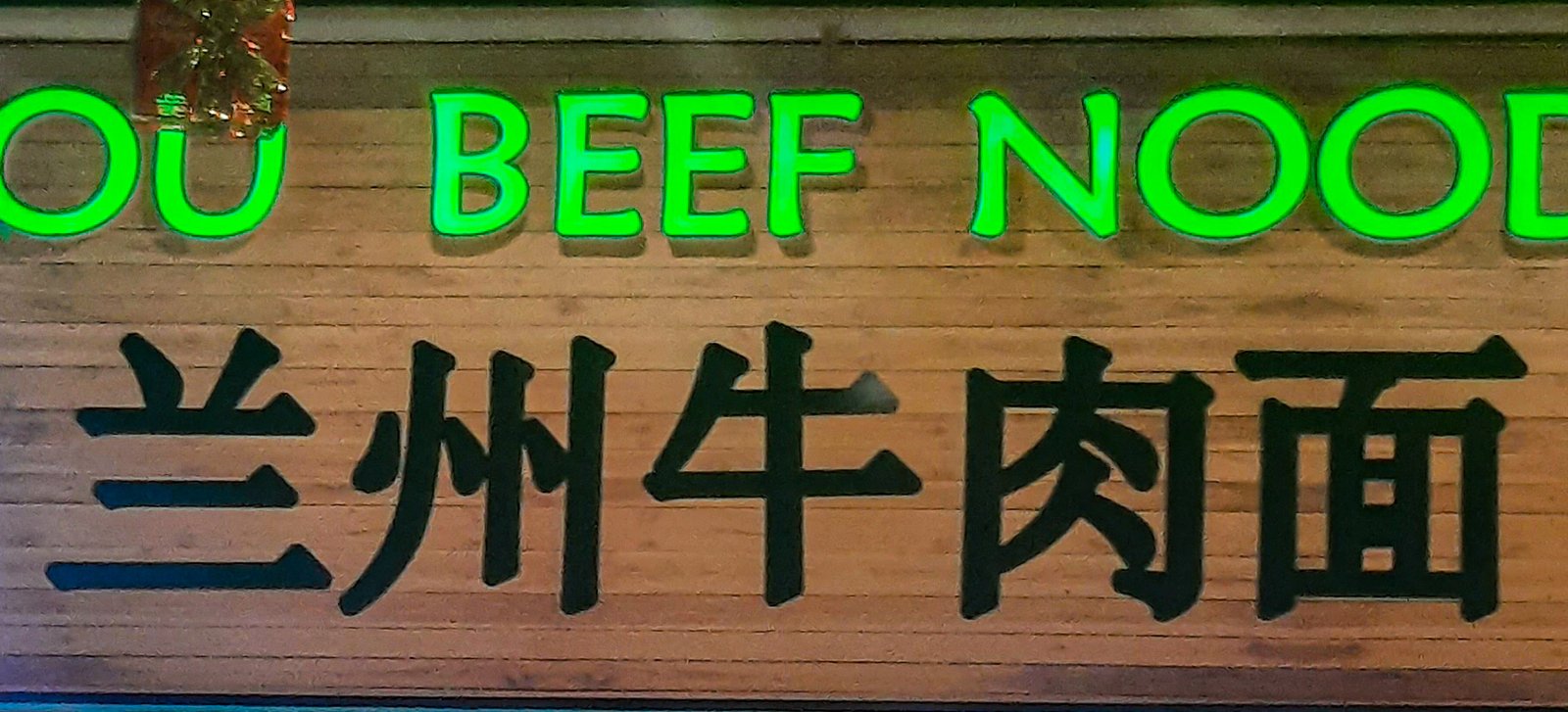
- The dish is called 兰州牛肉面 (Lanzhou niurou mian) in Chinese; overseas it is often sold as “beef noodle soup”
- The official local standard says a bowl must have “one clear, two white, three red, four green, five yellow”: clear broth, white radish, red chili oil, green coriander and scallion, yellow noodles
- Nine noodle widths exist, from hair-thin (maoxi) to belt-wide (kuanxi)
- Standard order: one bowl, one egg, one small plate of beef; a shop opens at 6 a.m. and often sells out by early afternoon
- Beef broth is simmered from bones, sometimes with a whole head of cattle and dozens of spices, for hours; the classic spice mix includes cardamom, fennel, and cinnamon, though every shop guards its list
- Hui Muslim tradition means the beef is halal, and pork never appears on the menu
The history of the bowl
Hand-pulling dough into noodles arrived in China from Central Asia along Silk Road trade routes, and the Gansu corridor, where Lanzhou sits, is where that technique took root in a wheat-eating region. The dish as we know it was standardized in the early twentieth century. Ma Baozi, a Lanzhou cook of Hui background, is credited in local accounts with codifying the five-color standard around 1915, and his shop name still appears on signs across the city.
What happened next is the important part. Instead of guarding the recipe, Lanzhou pushed it outward. By the 1980s and 1990s, migrants from Gansu had opened beef noodle shops in every Chinese city, and the bowl became the default cheap meal of the northwest diaspora. This is why the shop outside your hotel in Chengdu or Xian has a Lanzhou sign even if the cook is from Qinghai. For the city context, the full neighborhood picture is in the Lanzhou food guide.
The five colors, and what each one is for
| Element | Chinese | What it does |
|---|---|---|
| Clear broth | Yi qing | Beef bones simmered for hours; carries the whole bowl and should taste of beef, not salt |
| White radish | Er bai | Adds sweetness and a cool crunch; also, local cooks say, cuts the grease of the bone broth |
| Red chili oil | San hong | Fragrant rather than punishing; Gansu chili oil is heavy on aroma and color, low on raw heat |
| Green herbs | Si lü | Coriander and scallion, the only fresh elements, added at the last second |
| Yellow noodles | Wu huang | Fresh wheat noodles, sometimes with a pinch of plant ash water for snap and color |
Watch a kitchen at peak hour and you will see the assembly line: one person ladles broth, one drops noodles, one adds radish and herbs, one finishes with chili oil. A bowl leaves the counter in under thirty seconds. The line moves because the noodles are already portioned into dough balls, and the puller only has to stretch, fold, and drop.
Choosing your noodle width
This is the decision that separates a good bowl from a great one, and the counter staff will ask you directly. Nine widths are standard, and each changes the ratio of broth to noodle.
Thin: maoxi, xixi, sidi
Hair-thin, fine, and three-strand widths. These cook in seconds, carry little broth on their surface, and suit people who want to drink the soup more than chew. First-timers usually pick these and then wonder why the bowl feels light.
Medium: kuxi, xikuan, jianmian
Thick-fine, fine-wide, and the flat-edged jianmian, which is pulled into a sheet and torn. These are the all-rounders, the widths most locals order daily. If you are undecided, say “zhongde” and take the middle.
Wide: yikuan, erkuan, kuanxi
One-wide, two-wide, and belt-wide. These are chewy, substantial, and hold chili oil on their surface. They need a rich broth to lean against, and they are my personal order in cold weather. Belt-wide noodles in Lanzhou can be wider than a tongue, and they are the same family as the Xi’an style covered in biangbiang noodles.
The chili oil test
Gansu chili oil is a separate art from the Sichuan kind. The Lanzhou version is ground chili flakes warmed in oil until the oil turns a deep, glowing red, and the goal is aroma: it should smell sweet and roasted, not aggressive. Sichuan chili oil, by contrast, is built for numbness and fire, a subject covered in the guide to chili oil. If you want to test a Lanzhou shop, look at the oil on the counter. It should be glossy and layered, with visible flake sediment at the bottom; a dull, uniformly orange oil means the shop is cutting corners.
You control the chili level at the counter. In a shop with a condiment station, add oil yourself. If the staff ask, the standard answers are “wei la” for slightly spicy, “duo lao you” for extra chili oil, or simply “bu lao” for none.
How a Lanzhou morning actually runs
Shops open at 6 a.m. and the first sitting, from 6 to 8, is when regulars come. By 10 a.m. the queue thins; by early afternoon many shops close, because they cook one broth and serve until it runs out. This is a breakfast-and-lunch dish, not a dinner dish, and a Lanzhou noodle shop open at 9 p.m. is usually serving yesterday’s broth to no regulars.
Etiquette is minimal. Take a tray, get the bowl, pay at the register, find a stool. Slurping is normal. Do not stick your chopsticks upright in the bowl, and do not expect a napkin; carry tissues, as covered in the packing list China basics. The standard add-ons are a marinated egg (ludan), a plate of cold beef (chaoshou wontons on the side in some shops), and a plate of pickled chilies.
The halal context
Lanzhou beef noodles come out of Hui Muslim food culture, and that shapes the entire bowl. Beef is halal, the spice mix never includes pork products, and the shops display Arabic-style signage with a crescent. That also connects the dish to a wider route: the same pulled-noodle tradition appears as laghman across Xinjiang, and the comparison is worth making over a bowl in Urumqi, as the Xinjiang food guide explains. If you are traveling through the region and need halal dining options generally, the halal China guide covers the practical side.
What separates a great shop from a bad one
- Broth clarity: a great broth is nearly translucent and tastes clean; a bad one is muddy and leans on MSG
- Radish: fresh radish should be translucent at the edges; gray, shriveled radish means old broth
- Noodle pull: even strands, no fused clumps; a good puller can serve you any of the nine widths without hesitation
- Chili oil aroma: it should hit you before you taste it
- Turnover: a line of locals at 7 a.m. beats a good signboard every time
Two honest warnings. First, the version sold overseas, in Sydney, London, or New York, is often a sweeter, heavier bowl built for local palates; it is not bad, but it is not Lanzhou. Second, in Lanzhou itself, the famous-name shops near the train station are a mixed bag; the small neighborhood shops, with plastic stools and a hand-lettered sign, are where the bowl earns its name. For a wider look at what else to eat in the city, the Chinese breakfast guide covers the morning table across China.
Frequently asked questions
What are Lanzhou hand-pulled noodles made of?
Wheat flour, water, and sometimes a small amount of plant ash water (penghuishui) that gives the noodles their yellow tint and springy bite. The broth is beef bones simmered for hours with a spice mix, and the toppings are radish, coriander, scallion, and chili oil.
How do I order noodle width in a Lanzhou shop?
The staff will ask “yao ji de” (which width?). Point at the menu picture or use the common answer “zhongde” (medium). The nine widths run from hair-thin to belt-wide, and medium is the safest choice for a first bowl.
How much does a bowl cost in Lanzhou?
About 10 to 15 yuan for a basic bowl in 2025, plus a few yuan for a marinated egg or a side of beef. Prices in other Chinese cities are typically 2 to 5 yuan higher, and overseas versions are the equivalent of 10 to 15 US dollars.
Why is my bowl of beef noodles missing the beef?
The classic bowl does not include chunks of beef; the beef is a side order. What you get in the broth is the flavor of bones and radish. If you want meat, order “jia yang rou” or a plate of chaofeng beef on the side for 8 to 12 yuan.
Are Lanzhou noodles spicy?
By default, mildly. The chili oil is aromatic and red, not incendiary, and you control how much goes in. If you want no chili, say “bu yao lao” or simply add none at the counter.
Are Lanzhou beef noodles halal?
Yes, the traditional shops are Hui Muslim and serve halal beef. There are no pork ingredients in the standard bowl. If you keep a halal diet, look for shops with the crescent and Arabic signage, and confirm if you are unsure.
Can vegetarians eat Lanzhou noodles?
Not the classic bowl, since the broth is beef bones. Some shops offer a tomato-egg dry noodle version; otherwise, Yunnan and Guangxi rice-noodle shops have more vegetarian options. The vegetarian China guide has the phrases to use.
What is the difference between Lanzhou noodles and ramen?
Different tradition entirely. Lanzhou noodles are pulled wheat noodles in a clear beef bone broth; ramen, as known in Japan, uses kansui alkaline noodles and a heavier, often tonkotsu or miso-based broth. They share a wheat-noodle base but developed separately, and the flavor profiles are not close.
Plan your own noodle route
Lanzhou is a stop on the Silk Road rail line, easy to reach by high-speed train from Xian or Urumqi, and the noodle shops are a morning ritual worth building a day around. If you want a route that combines the bowl with Xiahe’s monasteries or the Bingling Temple grottoes, send us a note through the contact page and we will draft a custom food-and-travel itinerary around northwest China.
Written by the ChinaTravelFood editorial team.