Tea ceremony in a short answer
A Chinese tea ceremony is less a ritual and more a method: a small pot, a lot of leaves, and short pours into tiny cups, repeated until the leaves give out. The proper name is gongfu cha, and the point is to taste one tea across many infusions rather than to perform something solemn. When I sat through my first real session in a Wuyi mountain guesthouse, the host brewed the same oolong twelve times, and the flavor moved from smoke to orchid to plain water over an hour. The short advice: find a tea house in Hangzhou, Fujian, or Sichuan, let someone else run the pot, and ask questions. You will learn more in one sitting than from a shelf of books.
What gongfu cha actually is
The phrase means something like “making tea with skill,” and it comes from the Chaoshan region of Guangdong, though you will meet it across the south. The gear is simple: a small clay or porcelain pot, a tray to catch the rinse water, a kettle, and a row of thimble cups. The choreography that looks like ritual to a newcomer is mostly practical. You warm the pot, discard the first quick rinse, then pour fast and often so the strong leaf does not turn bitter. The host tops up each cup in a circle, never finishing one before moving on, which is why the cups stay balanced in strength.
This is not the silent, kneeling practice people expect from Japan. Chinese sessions are talkative, and the tea is an excuse for conversation as much as the other way round. Our Chinese etiquette piece covers the broader manners, but the tea table has its own small rules: do not tap your cup while it is full, and accept a refill by tapping two fingers on the table, a habit with a story about a Qing emperor who poured incognito.
Where to experience it
Hangzhou and the Longjing hills
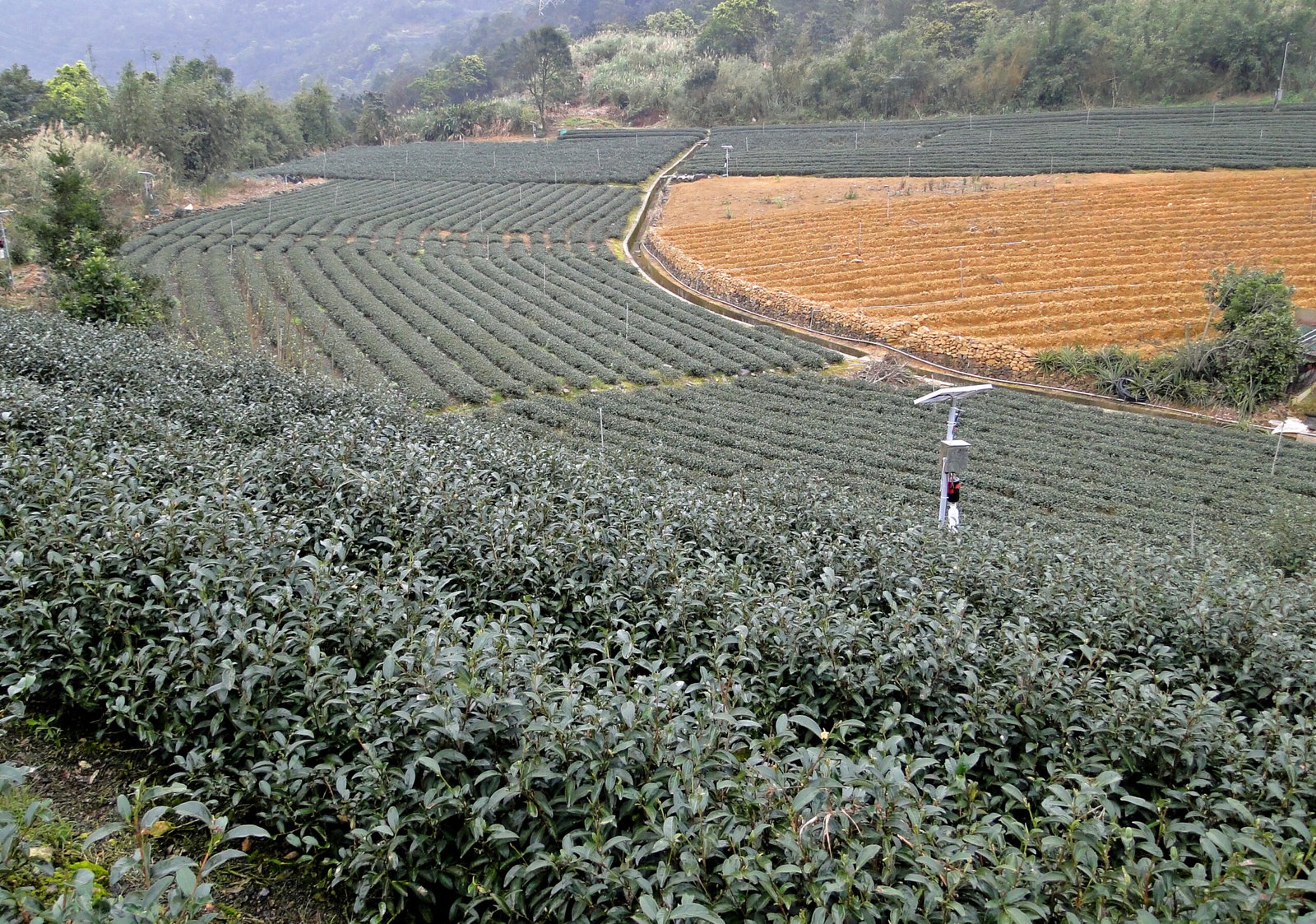
The West Lake area grows Longjing, the flat green tea that is the country’s most famous, and the villages in the surrounding hills run tea tastings that range from sincere to touristy. The sincere ones let you pick leaves in spring, watch the pan-firing, and sit with a local family. Our Hangzhou’s Longjing tea article goes deeper on the harvest and the fake-tea problem, because a lot of what is sold as Longjing never saw the proper hills. Go in early April for the pre-Qingming picking if you can time it, and expect to pay real money for the genuine first flush.
Fujian and the oolong cliffs
Fujian is the heartland of oolong, and the rock teas of the Mount Wuyi tea cliffs are the most sought after: Da Hong Pao, the “big red robe,” grows on a handful of bushes whose cuttings now supply the commercial versions. The tastings there happen in the villages under the stone peaks, and the mineral edge of the water is part of the story the locals tell. Anxi, further south, gives you Tieguanyin, the floral ball-rolled oolong, and the family workshops will brew it for you until you flag.
Sichuan and the buddha’s brow
Chengdu and the nearby Mengding mountain grow a gentle green tea, and the city’s tea houses are the most relaxed in the country. The old parks fill with bamboo chairs, brass pots with long spouts, and men playing cards for hours. The ceremony here is loose to the point of formless, but the hospitality is real, and a pot of cheap tea buys you an afternoon of people-watching that no museum can match.
Temples and the monastic cup
Buddhist and Taoist monasteries serve tea as a quiet welcome, and the mountain temples of the south often grow their own. The cup is plainer, the setting is the point, and the monk may say little. If you want the calm version of the ceremony, a temple in the hills beats a city salon.
The teas you will meet
China sorts tea by how it is processed, not by the plant. Green is unoxidized and grassy, the Longjing and the Maojian. White is barely processed, soft and sweet. Oolong sits in the middle, from the green-leaning Tieguanyin to the dark, roasted Wuyi rock teas. Black tea, which the Chinese call hongcha, is fully oxidized and malty. Then there is pu-erh from Yunnan, a post-fermented cake that ages like a rough wine. Our types of Chinese tea guide walks the families and tells you which to buy where. The single best lesson is to taste one category done well before you shop, because the names on a tin mean little without the memory of the real thing.
What a session costs
| Setting | Typical cost | Time | Best for |
|---|---|---|---|
| City tea house | 50-150 yuan per pot | 1-2 hours | A relaxed first try |
| Hangzhou family farm | 100-300 yuan tasting | 2 hours | Spring leaf, real Longjing |
| Wuyi village session | 80-200 yuan | 1-3 hours | Rock oolong, deep flavor |
| Temple offering | Donation | As long as you sit | Quiet, no hard sell |
| Buying to take home | 200-2000 yuan per jin | Negotiate | Genuine, if you learn first |
How to avoid the tourist trap
The classic trap is the “free” tea ceremony that ends with pressure to buy an overpriced tin. It happens most in tourist towns near the big sights. The fix is to pay for the tasting up front at a place with a menu, or to visit a working farm through a recommendation rather than a street tout. A good host pours and talks and never pushes; a bad one steers the conversation to the cash register after the third cup. Trust the former, leave the latter.
If you want the experience built into a trip rather than found by luck, our tea tours in China roundup lists routes from plantation to cup, and a guided day in Fujian or Zhejiang removes the guesswork. I still think the unguided family session beats the packaged one, but not everyone has the language for it.
Tea and the rest of the cup
China’s drink culture is shifting. The young cities now pour as much coffee as tea, and our China’s coffee culture piece tracks where the new cafes cluster, often in the same gentrified lanes as the old tea houses. You can do both in a day in Shanghai or Chengdu, and the contrast is its own lesson. Tea, though, remains the gift and the greeting, and learning the table manners buys you goodwill in homes and offices across the country.
Quick facts
- Name: gongfu cha, a method more than a ritual.
- Core gear: small pot, tiny cups, a tray, short repeated pours.
- Best regions: Hangzhou, Fujian, Sichuan.
- Cost: 50-300 yuan for a proper tasting.
- Buy after you taste, not before.
- Temples offer the quietest, cheapest sessions.
- Manners: tap two fingers to thank a pour.
Frequently asked questions
Is it like the Japanese tea ceremony?
Not really. The Japanese version is a formal, silent, kneeling practice with deep ritual weight. The Chinese gongfu cha is talkative, seated at a low table, and focused on tasting one tea many times. Both reward attention, but the mood is different.
Do I need to know anything before I go?
No. A good host walks you through it. Read our tea types guide first if you want the vocabulary, but the experience works fine as a newcomer. Ask what you are drinking and how many infusions it will give.
How much tea should I buy?
Less than you think. A jin (500 grams) of decent Longjing runs a few hundred yuan, and most travelers overbuy at the first farm. Buy 50 to 100 grams of something you actually tasted, and ship the rest home later if you fall in love.
Can I do this without speaking Chinese?
In the big tea cities, yes, with translation apps and pointing. In a rural farm, a guide helps. The brewing is visual, so you will follow along even in silence.
What is the best season for tea travel?
Spring for green tea, especially the pre-Qingming pickings in March and April. Autumn for oolong, when the second flush is picked. Avoid the deep winter if you want to see harvesting, though the cities pour year round.
Is the tea ceremony religious?
Not usually. It has roots in Buddhist and Taoist hospitality, and temple sessions keep that calm, but a city tea house is secular and social. Nobody will ask your beliefs.
Where do I sit and what do I do with my hands?
You sit on a low stool or chair at the tea tray. Keep your hands off the cups until they are filled, accept with the two-finger tap, and sip, not gulp. The host handles the pot. Relax, because the point is the hour, not the performance.
Making a tea session part of your China plan
The tea table is the cheapest window into Chinese hospitality you will find, and a single good session in Hangzhou or Fujian will change how you taste everything after. If you want the farms, the mountain temples, and the city salons strung into a route that also hits the food, send us your dates through the contact page and we will sketch a custom tea-and-travel itinerary. The pot is already warming.
Written by the ChinaTravelFood editorial team.