Food safety in China, the honest baseline
Here is the reassuring part first: in eight years of eating my way across China, from Chengdu night markets to Urumqi bazaars, I have never had a serious case of food poisoning. The scary stories you hear are mostly from the first week of someone’s first trip, when an unfamiliar diet plus jet lag plus too much chili oil does what it would do anywhere. Food safety in China has its own logic, though, and knowing that logic keeps you out of trouble. This guide covers water, street stalls, spice, hygiene habits, and what to do when your stomach loses an argument. Everything here reflects my trips through early 2026, and rules around tap water and restaurant standards can change, so confirm current local guidance when you arrive.
One framing note before the details: Chinese food safety problems are different from the ones Western travelers brace for. You are far more likely to meet trouble from MSG-heavy rich food, unfamiliar oil, and undercooked water plants than from anything dramatic. Treat your stomach to a gradual start and most problems never appear.
Water: what to drink and what to avoid
Do not drink the tap water. Not in Beijing, not in Shanghai, not anywhere. Locals do not drink it either; they boil it or buy bottled. That single fact tells you how seriously to take the rule.
Bottled water costs 2 to 5 RMB everywhere, from convenience stores to train stations to mountain shrines, so there is no excuse for dehydration. I buy the big 1.5-liter bottles for hotel rooms and refill a small bottle during the day. Hot water dispensers are everywhere in stations, airports, and hotels, and locals drink it warm all day; it is safe once boiled, and filling a bottle from a dispenser marked for drinking water is fine. Tea served in restaurants is made from boiled water, as is the soup in hot pot. Ice is the gray area: upscale restaurants use made-from-bottled ice, tiny stalls may use tap-water ice, and the safest move is to skip ice in your first days and judge the venue by its general standard.
Street food: how I judge a stall
Chinese street food is not a risk sport; it is a food culture with quality signals you can read in thirty seconds. I have eaten at hundreds of stalls using the same checklist.
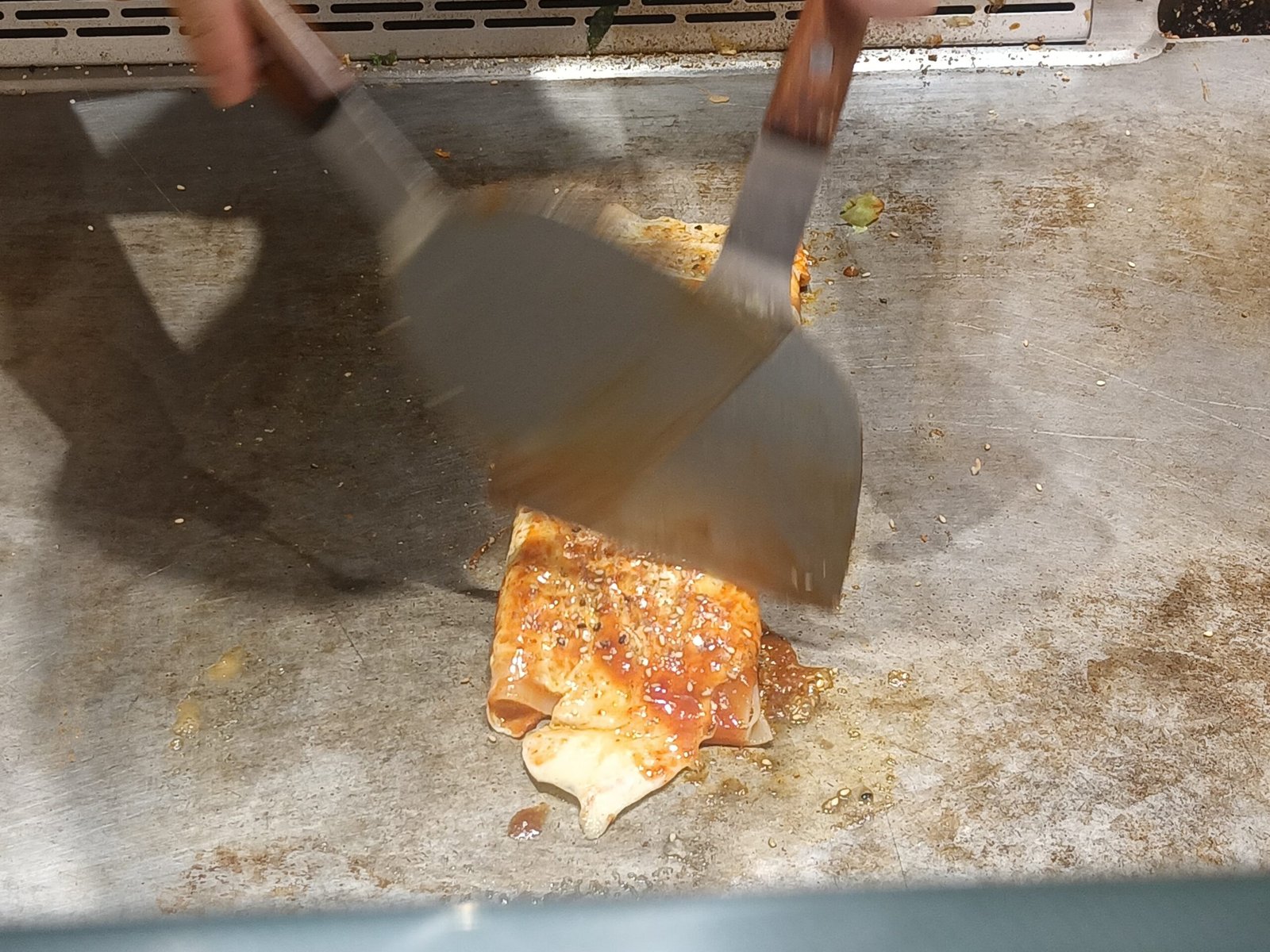
First, look for turnover. A stall with a queue of locals and a vendor cooking at speed is safer than a pristine stall with nobody in it, because high turnover means fresh ingredients. Second, look for the cooking: anything fried to order, boiled in front of you, or wok-tossed over visible flame is safe. Things sitting at room temperature, especially cut fruit, cold noodles under plastic, and uncovered dairy-ish desserts, are where I hold back. Third, watch the hands and the money. Vendors who handle cash and then touch food without a glove are common; the high heat of the wok kills most of what matters, so fried and boiled food stays fine, while raw or room-temperature items deserve more caution.
Regional habits matter too. In the northwest, lamb skewers straight off the grill are some of the safest food you will eat. In the humid south, cold dishes and shellfish at buffet-style stalls are riskier, and I stick to cooked-to-order. The Chinese street food map breaks down what to eat city by city, and if markets themselves interest you, the wet markets field guide explains what you are looking at.
The spice problem and the oil problem
Most traveler stomach trouble in China is not an infection; it is overload. Sichuan and Hunan food is built on chili oil that most visitors are not adapted to, and the local answer, “not spicy,” still often contains chili. I warn friends before their first Chongqing hot pot: order the mildly spiced broth, have plain rice and tea on the table from the start, and do not treat “I can handle spicy at home” as transferable skill. Sichuan pepper adds a numbing tingle that disguises how much heat you are actually eating.
Oil is the quieter issue. Restaurant food in China uses more cooking oil than Western kitchens, and street fried dough, youtiao, and heavy stir-fries sit heavy on an unaccustomed stomach. Balance a fried breakfast with plain congee, eat a vegetable dish alongside anything deep-fried, and go easy for the first two days. The etiquette and mechanics of eating this food are covered in the Chinese hot pot guide, including how to pace yourself through a long meal.
Hygiene habits that matter more than paranoia
Carry hand sanitizer and use it before every meal, because street stalls rarely have soap and water. Wet wipes come standard at Chinese restaurant tables, which tells you something about local expectations; use them. Chopsticks and spoons at sit-down restaurants are washed and usually sealed or dispensed by machine, so they are fine; the risk point is your own hands between the stall and your face.
If you want an extra layer, choose restaurants that are busy and clean-looking over quiet empty ones. Busy kitchens turn over ingredients, and the staff have no time for sloppiness. This rule alone has kept me out of trouble more than any other single habit.
Stomach trouble: what to carry and what to do
Pack a small kit: oral rehydration salts, loperamide or a similar anti-diarrheal, and whatever your doctor recommends for stomach cramps. Mild upset stomach is common in the first week and usually resolves in a day with rest, plain rice, and water. Skip dairy, alcohol, coffee, and chili until you are right; Chinese kitchens will happily make you plain rice porridge with a little salt, which is exactly what your stomach wants at that moment.
See a doctor if symptoms last more than 48 hours, if there is blood, or if a fever runs high. Big cities have international hospitals and clinics with English-speaking staff, and hotel front desks will call one for you. Pharmacies in China are everywhere, staffed by people who can recognize common conditions, and showing a translation app works well. Keep your travel insurance paperwork accessible, because international hospital bills are expensive and claims need documentation. The emergencies China guide lists the numbers and how to reach a clinic at 2 a.m.
Allergies, vegetarians, and hidden ingredients
Two groups need extra preparation. If you have allergies, carry a written card in Chinese listing your allergens, because menus will not flag peanuts, sesame, or shellfish reliably, and oyster sauce hides in vegetarian-looking dishes. Vegetarians face a trickier problem: genuine meat-free cooking exists, especially in Buddhist temple restaurants, but pork broth, lard, and dried shrimp flavor many vegetable dishes. The vegetarian China guide gives the phrases and the restaurants that take the diet seriously.
One more hidden-ingredient warning for anyone avoiding alcohol for religious or personal reasons: some braises and soups use cooking wine, and a few dessert soups in the south contain a small amount of rice wine. Ask directly, with a translation screen, if it matters to you.
A simple system for eating well
Put together, my system is four sentences. Drink bottled or boiled water, never tap. Eat at stalls with queues and visible cooking. Go easy on chili and oil for the first 48 hours. Wash or sanitize your hands before every meal. Everything else, from Michelin-starred Cantonese to a 6-RMB jianbing from a cart, is fair game, and that range is exactly why eating in China is worth the small discipline.
Quick facts
- Tap water is not potable anywhere in China; bottled water costs 2 to 5 RMB everywhere.
- Tea, soup, and hot pot broth are made from boiled water and are safe; be cautious with ice at tiny stalls.
- Judge street stalls by queue length and visible high-heat cooking, not by spotless looks.
- Most stomach trouble is spice and oil overload, not infection; ease in for the first two days.
- Carry rehydration salts and anti-diarrheals; international clinics exist in every major city.
- Allergy and vegetarian needs require written Chinese phrases; hidden pork broth and oyster sauce are common.
- Busy restaurants beat empty ones; turnover is the best freshness signal you have.
Frequently asked questions
Can I brush my teeth with tap water?
Yes, as long as you do not swallow it. Use bottled water for rinsing if that makes you more comfortable, but the tiny amount used for brushing is not a real risk for most travelers.
Is it safe to eat fruit from markets?
Fruit you peel yourself, like bananas, oranges, and mangoes, is fine. Pre-cut fruit on display is where I draw the line, especially in summer heat, because it often sits unrefrigerated and is handled with bare hands.
Should I take antibiotics “just in case”?
No. Traveler’s diarrhea is usually self-limiting, and unnecessary antibiotics cause their own problems. Carry rehydration salts, rest, and eat plain food; save antibiotics for a doctor’s prescription.
How spicy is “not spicy” really?
In Sichuan and Hunan kitchens, “not spicy” often means less chili oil, not none. If heat genuinely bothers you, say you cannot eat chili at all, point at a mild dish like tomato and egg, and expect a little chili anyway.
Are hotel breakfast buffets safe?
Generally yes. Hotels follow stricter standards, cooked items are freshly made, and the risk is lower than at street stalls. I still avoid room-temperature dairy and cut fruit at budget hotels.
What about eating at temple vegetarian restaurants?
They are among the safest and most interesting meals in China: no meat, no alcohol, simple clean cooking. Book ahead for popular ones, and check whether the kitchen uses mock-meat products, which are flavored with soy and wheat gluten and suit most diets.
Do I need to worry about MSG?
MSG sensitivity is real for a small number of people, but the famous “Chinese restaurant syndrome” is largely myth. If you react to it, ask the kitchen to reduce it, which most restaurants will do; the bigger stomach irritant is usually oil and chili.
Plan your food route
Eating well in China is mostly about knowing where the queues form. Tell us your cities, your spice tolerance, and any dietary limits through the contact page, and we will build a custom food-and-travel route that starts you gently and ends with the good stuff.
Written by the ChinaTravelFood editorial team.