Why Wuhan eats at dawn
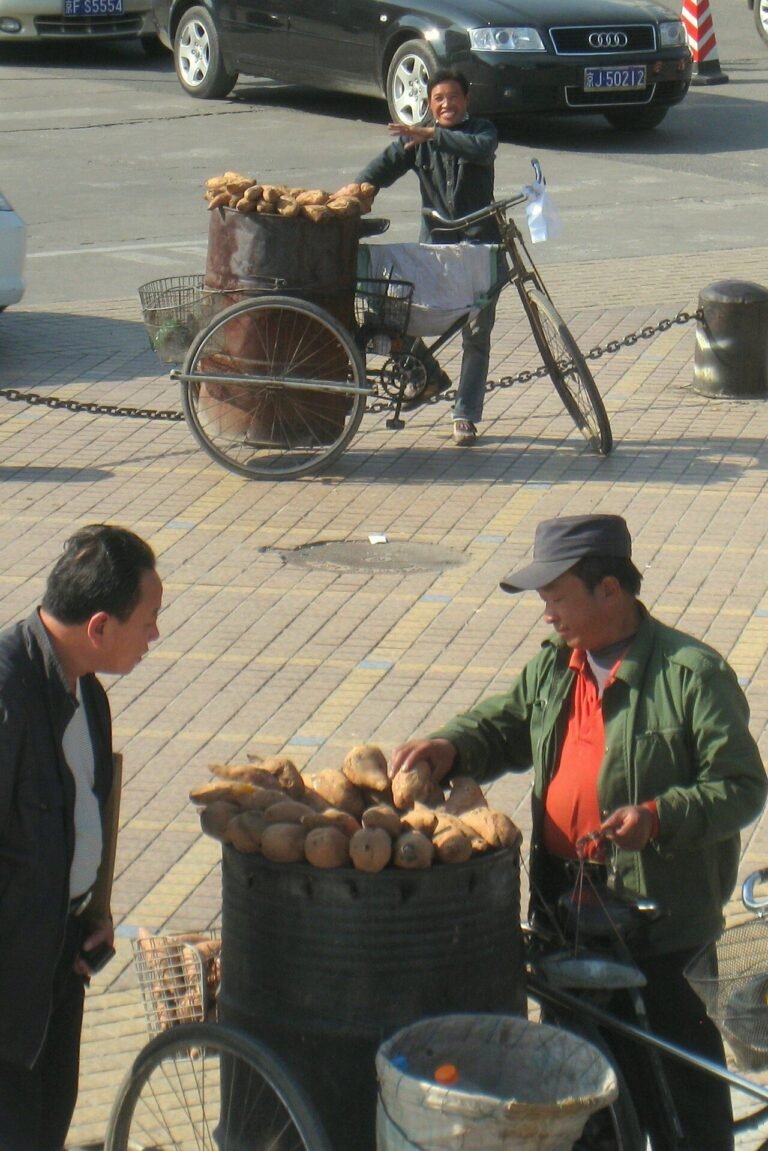
Wuhan calls its breakfast “guo zao,” which locals translate as “passing the morning.” The city has a saying that there are a hundred ways to start the day, and it is not much of an exaggeration. Wuhan sits where the Yangtze and Han rivers meet, a hub of rail and river trade, and its workers have always needed fast, hot, filling food before the day. When I first visited, I assumed breakfast meant a bun and coffee. It meant a forty-minute crawl through a street of stalls, a bowl of noodles, a fried cake, and a sweet soy milk, all before eight.
The Wuhan food habit is the most serious breakfast culture I have met in China. People do not eat at home first; they eat out, standing or on a stool, then go to work. The signature is hot dry noodles, but the meal is bigger than that one bowl.
Reganmian: the hot dry noodle
Reganmian is the dish Wuhan wears as a badge. Wheat noodles are boiled, drained, tossed with sesame paste, soy, a little chili oil, pickled vegetables, and scallion, then served at room temperature, not in soup. The name means “hot dry,” from the chili and the lack of broth. A bowl costs 5 to 12 yuan as of 2025, and you eat it with a stool on the sidewalk and a toothpick after.
The hot dry noodles guide covers the sesame paste and the trick of tossing fast before it clumps. Every stall has its own ratio, and locals argue about which corner gets it right. Try three in a morning and pick your own winner.
The rest of the breakfast table
A Wuhan breakfast spreads across a dozen small things.
| Item | What it is | Price (2025) |
|---|---|---|
| Doupi | Sticky rice, pork, and mushroom pressed in an egg crust, griddled | 6 to 12 yuan |
| Mianwo | A fried spiral of rice and soy flour, savory and holey | 2 to 4 yuan |
| Tangbao | Soup dumplings, larger and brothier than xiaolongbao | 10 to 18 yuan |
| Hot doujiang | Sweet or salty soy milk, hot | 3 to 6 yuan |
| Shuijiao / hun dun | Wontons in light broth | 8 to 15 yuan |
| Cifan | Sticky rice rolled around a fried dough stick | 4 to 8 yuan |
None of these need a menu or a plan. You point, pay, and stand. The Chinese breakfast guide maps the habit across the country, and Wuhan is the strongest stop on it.
Doupi, the sleeper hit
Doupi looks plain, a square of fried rice cake, but the inside is a pocket of sticky rice with diced pork, dried shrimp, and mushroom. The best is griddled to a thin crisp top over a soft center. Lines form at the famous Lao Tong Cheng counters, but smaller shops make it fresh all morning. Order one to share, then keep walking.
Where to eat it
Wuhan splits into three towns across its rivers: Wuchang, Hankou, and Hanyang. The breakfast scene runs through all of them. Hankou’s conservatory-market area and the lanes near the riverside old buildings hold dense clusters of stalls. Wuchang, near the universities, has cheaper, younger spots. Any street with a row of low stools and a steam cloud is worth a stop.
Our street breakfast map lists other cities with the same habit, but Wuhan sets the pace. The jianbing crepe, a northern street breakfast, also shows up here alongside the local staples.
Quick facts
- Best time: 06:00 to 09:00; the best stalls sell out by mid-morning.
- Cost: a full breakfast crawl runs 20 to 45 yuan per person.
- Style: stand and eat, no lingering; seats are stools or none.
- Signature: reganmian, but doupi is the quiet star.
- Pairing: the Yangtze riverfront at dawn after the food.
How to order without words
- Point at the bowl someone else is eating and hold up fingers for the count.
- Carry small cash and a payment app; both work at stalls.
- Say “bu la” for no chili if you want mild reganmian.
- Watch the local move: grab a stool, eat, leave it, move on.
- Go with one friend and split items so you taste more.
Where breakfast fits in a Wuhan trip
Wuhan is a transit city, a stop between Beijing and Guangzhou or a base for the province. The breakfast is the reason to slow down. The riverside, the Yellow Crane Tower, and the museums fill a day; the mornings fill the memory. For a wider Hubei and Hunan food frame, our Changsha food guide sits a fast train south and shares the love of heat.
The stalls I go back to
Wuhan’s breakfast is too big to learn in one morning, so I picked a loop and repeated it. Start at a reganmian stall near the Hanjiang river crossing where the cook tosses the noodles by hand and piles the pickles without being asked; the ratio of sesame to chili there beats the chains. Then walk to a doupi counter where the griddle never stops, and watch the rice cake form its crust. The tangbao comes last, at a shop that steams to order and hands you the basket with a warning not to bite first. That three-stop loop costs under 30 yuan and fills you harder than any hotel buffet.
The secret is the soybean milk split: Wuhan serves it sweet (with sugar) or salty (with pickle and dried shrimp), and the salty version is the local pride that outsiders miss. Try both on the same morning; the congee guide is the southern cousin if you want the rice-porridge side. The jianbing crepe also turns up at the river crossings, a northern import the city adopted without fuss.
What the city teaches about Chinese breakfast
Wuhan is the loudest proof that Chinese breakfast is not one dish but a region. The north folds dumplings, the south steams rice rolls, and Wuhan tosses sesame noodles at room temperature. The Chinese breakfast guide maps the habit across the map, and Wuhan sits at the energetic center. If you only eat one breakfast city in China, make it this one; the rest are variations on its speed and its stools. For a wider street view, the street breakfast map lists the other early cities worth a dawn walk.
The river and the morning crowd
Wuhan’s rivers shape the breakfast. The Yangtze and the Han split the city into three towns, and the commuters cross by bridge and ferry before work, grabbing a bowl on the far side. The ferry from Wuchang to Hankou at 07:00 is its own show: a boat of people with soy milk in hand and a bun in a bag, the river wide and grey and the city waking. I rode it once just for the breakfast crowd, and the reganmian tasted better for the crossing. The riverfront, once you eat, is a flat walk with old buildings and a slow pace that fits a full stomach.
The commuter rhythm is why the food is fast. These stalls exist to feed people who have ten minutes, not to host a sit. The public transport China guide covers the metro that now moves the crowd faster than the ferry, but the ferry keeps the old feel. Either way, the breakfast is the constant, and the city’s identity rides on it more than on any sight.
How Wuhan compares to other breakfast cities
Beijing folds dumplings and drinks soy milk standing, but the range is narrower. Guangzhou turns breakfast into dim sum, a sit-down ritual, not a sidewalk sprint. Wuhan is the middle and the most intense: more dishes per block, faster service, cheaper. The Chinese breakfast guide ranks the habit; Wuhan is the athlete of it. For a traveler, that means you can eat better for less in one morning here than in a week of hotel buffets elsewhere. The street breakfast map lists the other early cities, but Wuhan sets the pace they follow.
If your trip runs the high-speed rail through Hubei, a Wuhan dawn is the easiest deep breakfast stop on the line. The Changsha food guide to the south shares the love of heat and is the natural next morning if you keep going.
Frequently asked questions
Is Wuhan breakfast spicy?
Mildly. Reganmian carries chili oil but you can ask for less; doupi and soy milk are not hot. The heat builds from the pickles, not the base.
Can I eat it as a tourist who doesn’t speak Chinese?
Easily. Stalls are visual; you point at food. Our order Chinese food guide covers the few phrases that help.
Is it safe for a sensitive stomach?
Mostly. Hot noodles and fried cakes are cooked through. Stick to busy stalls with fast turnover, and read our food safety China notes.
What time should I wake up?
By 07:00. The good doupi and tangbao sell out, and the crowd builds after commuters arrive. Earlier is calmer and fresher.
How is it different from Guangzhou breakfast?
Guangzhou dim sum is a seated, slow meal; Wuhan guo zao is fast and standing. Both are Cantonese-rooted in technique but different in feel. The Cantonese cuisine guide contrasts the regions.
Are there vegetarian options?
Some. Soy milk, cifan without meat, and plain doupi exist, but pork turns up often. Ask, and see our vegetarian China guide for the city-level view.
Planning a Wuhan breakfast crawl
Wuhan rewards an early start and a loose route. Tell us your train times and how many bowls you want, and we can map a crawl from your hotel through the best stalls before the city wakes. The food is cheap, fast, and better than it looks, and a plan saves you from choosing badly on an empty stomach.
Written by the ChinaTravelFood editorial team.