Why Chengdu keeps coming up first
If you ask serious eaters which Chinese city they would pick for a week of nothing but food, Chengdu wins more arguments than anywhere else. It is the capital of Sichuan, holds UNESCO’s City of Gastronomy label, and has a pace of life built around the next meal and the next tea. The first time I went, I planned two food stops a day and ended up eating about six, because the city makes snacking feel like the main event.
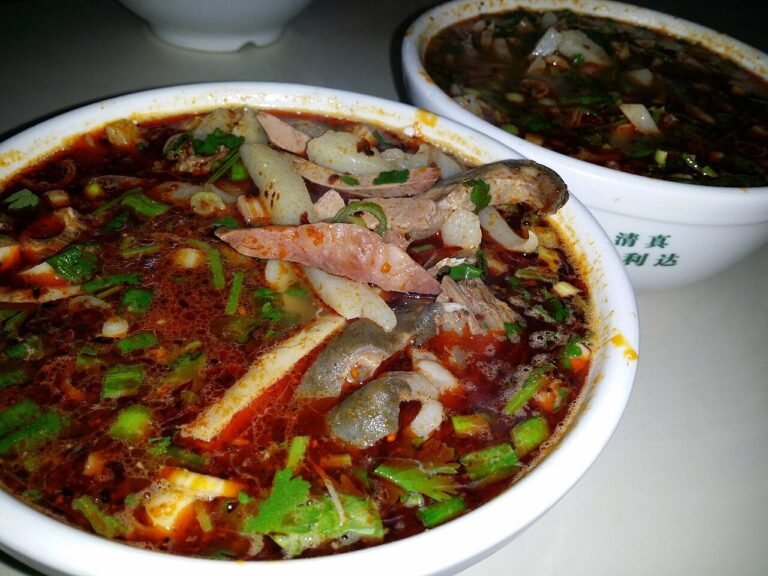
Chengdu’s food is famous for mala, the numbing-and-hot combination of chili and Sichuan peppercorn. But that is a small part of the story. The local kitchen is also sour, sweet, aromatic with sesame and fermented beans, and surprisingly gentle in its snacks. Reduce it to “spicy” and you miss most of it.
The dishes you should actually eat
This is not a complete list, just the ones worth structuring a day around.
| Dish | What it is | Try it at |
|---|---|---|
| Mapo tofu | Silken tofu in a chili, fermented-bean, and beef sauce with that peppercorn tingle | Any neighborhood restaurant; the classic is humble, not fancy |
| Dandan noodles (dan dan mian) | Thin noodles with a dry, spicy, sesame-and-pork topping | Snack streets and breakfast windows |
| Zhong dumplings (zhong shui jiao) | Wontons in a sweet, garlicky, chili oil sauce | Long Chao Shou branches |
| Fuqi feipian | Chilled beef slices and offal in a fragrant red oil | Cold-dish counters |
| Chuan chuan | Hot pot’s casual cousin: skewers boiled in a shared spicy broth | Night streets, especially on the east side |
| Lai tangyuan | Small sweet glutinous rice balls in sesame or peanut | Old snack shops |
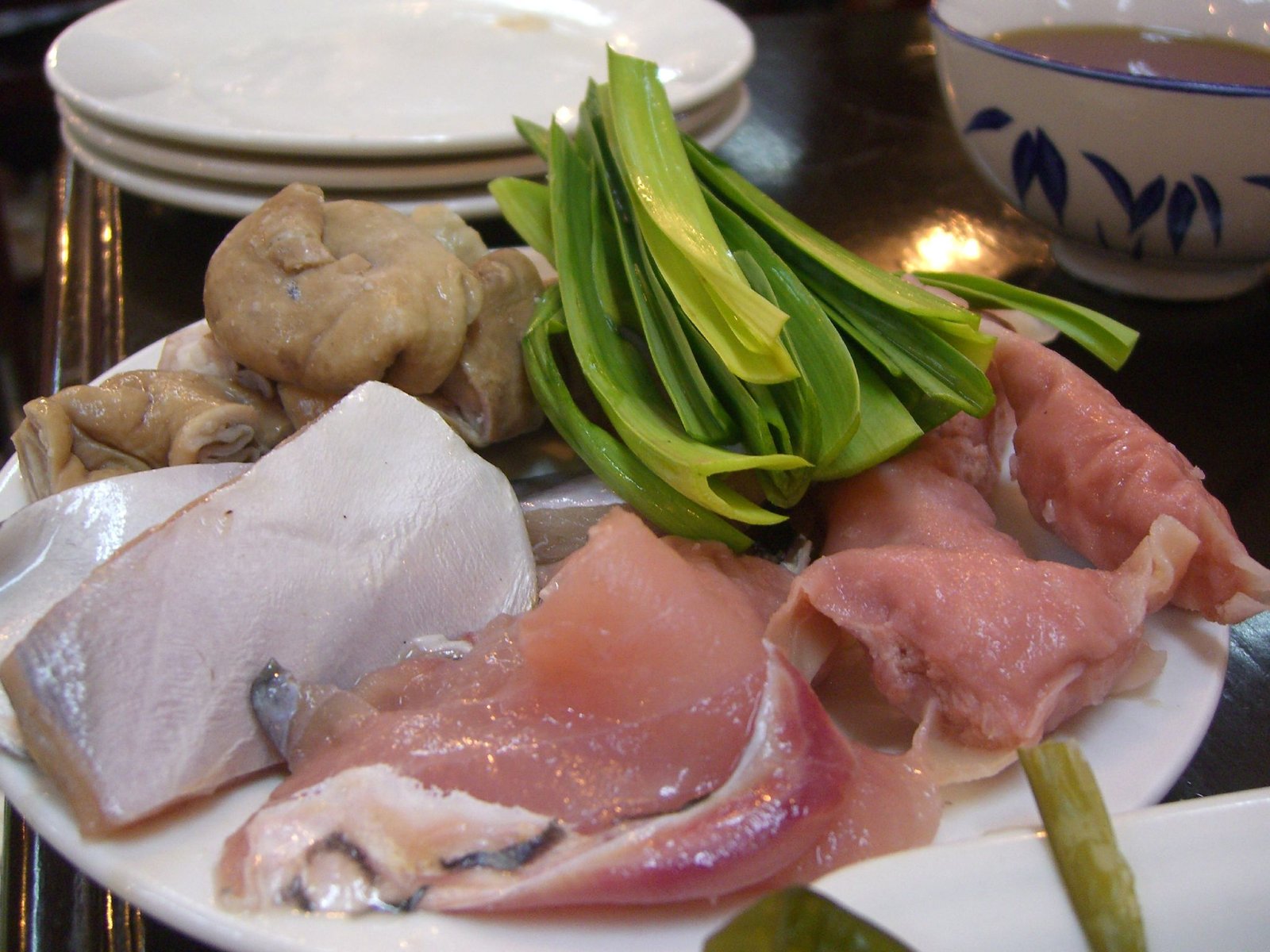
And then there is the hot pot, which deserves its own plan. Chengdu hot pot is reddish, oily, and built for groups; you cook meats, tripe, and vegetables at the table and dunk them in a bowl of sesame oil and garlic. If you want the background before you sit down, our Chinese hot pot guide covers broths and dipping sauces.
Where to eat in the city
The famous streets, with caveats
Jinli and Kuanzhai Xiangzi (the Wide and Narrow Alleys) are the postcard food streets. They are pretty and convenient and packed with tourists, which means higher prices and more average cooking. Go once for the atmosphere and a photo, then leave the alleys and walk five minutes into the surrounding blocks, where the queues of locals point to the better bowls.
Markets and neighborhoods
The real eating happens in wet markets early, in university districts at lunch, and along residential streets at night. Look for places with stacked empty bowls and old regulars. A stall selling only one thing, like braised duck necks or a specific noodle, is usually better than a menu with fifty photos.
Tea houses and the slow hours
Chengdu’s food culture includes its tea houses, where you drink jasmine or green tea, eat sunflower seeds, and watch the city move. The riverside houses near the Wide and Narrow Alleys and the older ones deeper in the city are part of the same rhythm as the eating. Go in the late afternoon, not because you are hungry but because the pace is the point.
A realistic one-day eating plan
- Breakfast: dandan noodles or a baozi and soy milk at a corner shop near your hotel.
- Mid-morning: walk a market, sample a cold dish, buy fruit.
- Lunch: a small restaurant for mapo tofu, twice-cooked pork, and a green vegetable.
- Afternoon: tea house, then a snack crawl through a residential street.
- Dinner: hot pot or chuan chuan with a group, finished with tangyuan.
If you want to go deeper, our Sichuan cuisine guide explains the flavor logic behind all of it, and cooking classes in China can turn a meal into a skill you take home.
Beyond the plate: pandas and day trips
Chengdu is also the easiest place to see giant pandas at the Chengdu panda base, best visited at opening when the animals are active. Two good day trips sit within reach: Dujiangyan, an ancient irrigation system still in use, and Leshan, with a carved Buddha the size of a building. Neither is a food stop, but both fit a food-focused itinerary because the train rides are short and the cities feed you well.
Handling the heat
- Order “wei la” (mild) or “bu la” (not spicy) if you are unsure; staff expect the question.
- Keep a cold drink handy; the numbing builds slowly and then hits.
- Sichuan peppercorn numbness is normal and temporary. It is not an allergy.
- Pace yourself across the day. Chengdu rewards grazing more than one big sitting.
Frequently asked questions
Is Chengdu food always spicy?
No. Many snacks are sweet or savory without heat, and you can ask for mild versions of almost everything. The chili is loud but not the whole menu.
How much does a food day cost?
A snack here and a noodle there runs a few yuan each; a hot pot dinner for one runs 80 to 150 yuan with drinks. You can eat extremely well for under 200 yuan a day if you graze.
When should I go?
Spring and autumn are comfortable; summer is hot and humid. The best time to visit China overlaps neatly with Chengdu’s good months, April to May and September to October.
Can I do Chengdu as a day trip from somewhere else?
Not well. The food needs time and return visits to the same stall. Give it at least two nights.
Is it like the Peking duck experience up north?
Different in feel. Beijing’s famous duck is a set-piece meal; Chengdu is a sprawl of small bites across the day. Both are worth it, and our Peking duck guide pairs well if your trip covers both cities.
Are there vegetarian options?
Yes, more than people expect. Tofu dishes, vegetable hot pot, and many snacks are meat-free, though broths often use animal stock, so ask.
Building a food trip around Chengdu
Chengdu works as the anchor of a Sichuan food route, with Chongqing’s hot pot an easy high-speed train ride east. If you want a plan that links the panda base, the markets, a cooking class, and a Chongqing day, tell us your travel dates and how much heat you can handle. The city rewards a loose schedule more than a tight one, and a little sequencing turns random meals into a story.
Written by the ChinaTravelFood editorial team.