Eating vegetarian in China without starving
China is easier for vegetarians than its meat-heavy reputation suggests, but only if you know the traps. The broth, the lard, and the hidden oyster sauce will undo you before the obvious pork does. I have traveled meat-free for stretches across the country and learned that Buddhist temple cooking, the big cities, and a few key phrases turn a worried trip into a great one. This is the survival guide I wish I had on day one.
The good news: Chinese vegetarian tradition is deep, with Buddhist temples serving dishes that mock meat so well you double-check. The bad news: “vegetarian” in a normal restaurant often means “no big chunks of meat,” not “no animal product.” Use the translation apps to show the written request, because saying it aloud gets lost in dialect and noise.
The hidden meat problem
Three things bite vegetarians in China. First, the cooking oil may be pork lard, especially in dumplings and fried dishes at small shops. Second, the soup base in noodle shops is usually chicken or beef bone. Third, the “vegetable” stir-fry is finished with oyster sauce or a chicken-powder sprinkle. None of this shows on a menu that lists “green beans” or “tofu.” I learned the hard way that a plate of “vegetable” fried rice at a train station had a pork-stock gloss.
The fix is a written note in Chinese: “I do not eat meat, fish, egg-based stock, or lard. Please use vegetable oil.” Show it at order time. It is not rude; it is clear, and clarity gets you fed.
Temple food: the safe haven
Buddhist restaurants and temple kitchens are the reliable vegetarian option. They use soy, gluten, and mushrooms to build dishes that look like duck, pork, and fish, and they are strictly meat-free by doctrine. The temple food tradition runs from simple monastery halls to fancy mock-meat banquets in Shanghai and Beijing. I ate a “fish” made of tofu skin that fooled my meat-eating friend for three bites.
City by city
| City | Vegetarian outlook |
|---|---|
| Beijing | Strong temple restaurants and international vegan cafes |
| Shanghai | Best vegan scene; mock-meat banquets abound |
| Chengdu | Many veg Sichuan dishes, but confirm the oil |
| Guangzhou | Dim sum has veg options; ask about lard |
| Lhasa | Tibetan food is meat-heavy; temples help |
| Small towns | Harder; egg and tomato, plain tofu, noodles |
What to order with confidence
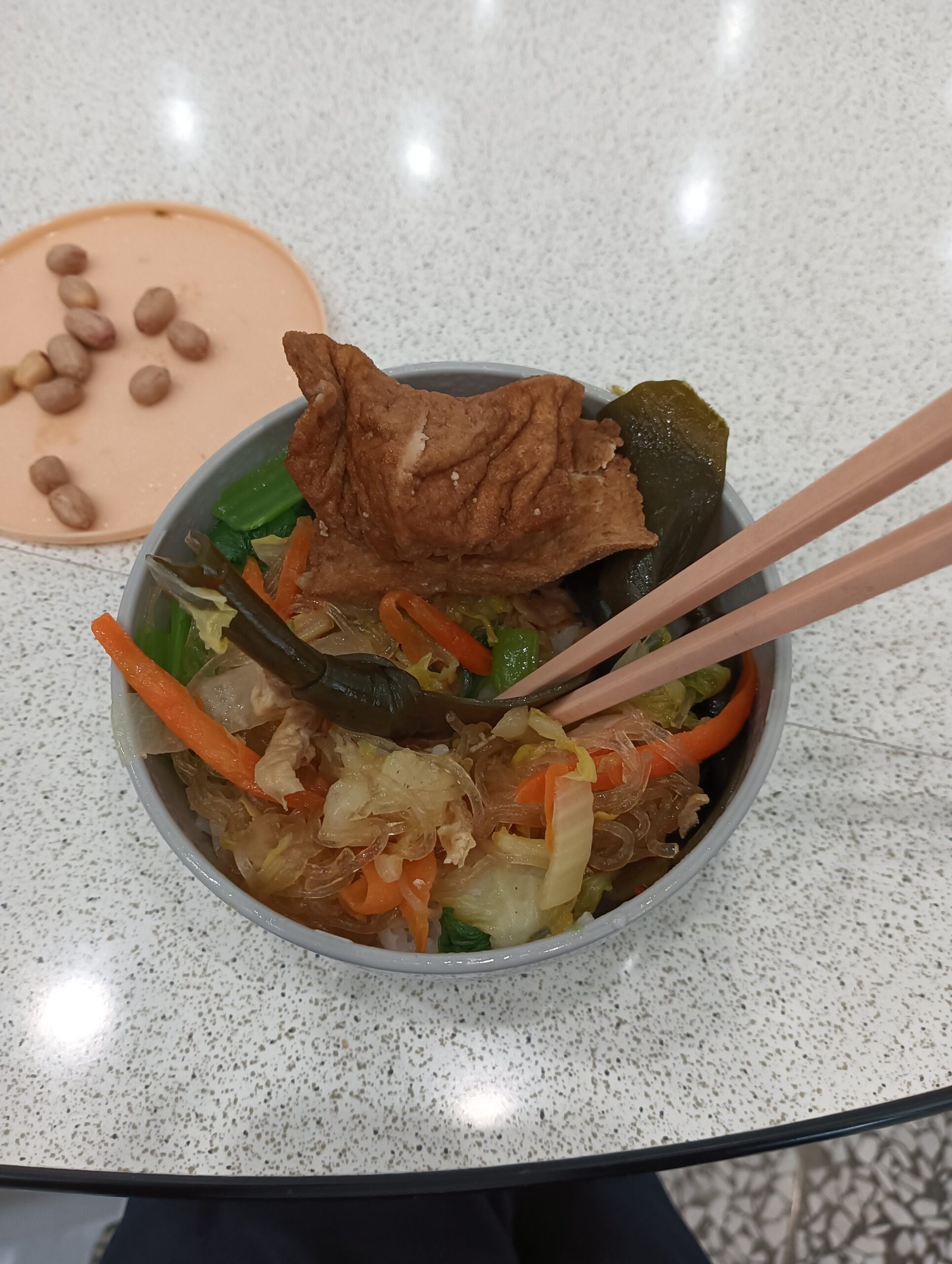
Dishes that are naturally meat-free: mapo tofu (ask for no meat, or egg version), dry-fried green beans (confirm no pork), smashed cucumber, scallion pancakes, and plain congee. Tibetan and northern staples like mantou and noodles in clear veg broth work if you confirm the base. At a …? No, skip. The safe order is a pile of vegetable sides plus rice and a tofu dish, stated clearly. Mock meat is your friend in the cities but a risk in tiny towns where a “vegetarian restaurant” may still use chicken stock for flavor. Ask anyway. The food safety China rules about hot cooking apply double here, because cold veg with hidden sauce is where both bugs and broth hide.
Phrases and etiquette
Learn “wo chi su” (I eat vegetarian) and “buyao rou” (no meat). A written card beats both. On etiquette, refusing a host’s dish can read as rude, so explain your diet as a health or belief choice up front; our Chinese etiquette notes help you frame it without losing face for either side. Most hosts then go out of their way to feed you well.
In the best cities China, international apps list vegan and veg restaurants with photos, so I map three near each hotel before I arrive. That removes the 8 p.m. hunger panic in a meat-smelling street.
Quick facts
- “Vegetarian” at a normal restaurant may still mean lard or oyster sauce.
- Carry a written Chinese note listing what you avoid; show it when ordering.
- Temple and Buddhist restaurants are the reliable meat-free option.
- Naturally safe dishes: congee, mantou, smashed cucumber, scallion pancakes.
- Shanghai and Beijing have the strongest vegan and mock-meat scenes.
- Confirm the noodle broth is vegetable, not bone, before you sit down.
Frequently asked questions
Is Chinese food vegetarian-friendly?
More than expected, once you learn the traps. Tofu, vegetables, and grains are everywhere, and temple cooking is fully meat-free. The work is avoiding hidden stock and lard.
Can I trust “vegetarian” on a menu?
At a dedicated vegetarian or Buddhist restaurant, yes. At a standard restaurant, confirm the oil and sauce, because the label often means no visible meat only.
What about egg and dairy?
Eggs appear in fried rice and noodles; dairy is rare except in the few Western-style cafes. If you avoid eggs, say so in writing, since many “veg” dishes use them.
Are vegan restaurants common?
In Shanghai, Beijing, and Chengdu, yes, with international-standard spots. Elsewhere, expect vegetarian rather than strictly vegan, and check the egg and honey.
How do I handle a host dinner?
State your diet as a principle when you arrive, thank them, and eat what fits. The Chinese etiquette of saving face means a clear, gentle note up front works better than refusing at the table.
Is street food safe for vegetarians?
Plain grilled corn, baked sweet potato, and steamed buns are safe and meat-free. Skip the skewers that share a grill with meat, and watch the sauce brush.
Will I lose weight or starve?
Neither, if you plan. Rice, noodles, tofu, and vegetable sides fill you up. I came home from a veg month in China heavier, not lighter, thanks to the oil and carbs.
Eat green without the guesswork
Vegetarian travel in China is a skill, not a struggle, once the hidden-meat traps are mapped. Tell us your diet and your cities through the contact page, and we will build a food-and-travel plan that keeps real vegetarian meals within reach every day.
Written by the ChinaTravelFood editorial team.