What a Chinese breakfast actually looks like
A Chinese breakfast is not a plate of eggs and toast. It is a quick, savory, often handheld meal eaten standing up or at a low stool, bought from a cart or a hole-in-the-wall before the workday starts. When I first lived in China I kept looking for the Western breakfast and went hungry for a week; the morning food is its own category, and once you lean into it, it is the best meal deal in the country. Most breakfasts cost between 3 and 12 yuan, and they are built to be eaten in five minutes.
This guide runs through the staples you will meet from Harbin to Guangzhou, with notes on what is regional and what travels everywhere. For a wider map of snacks, our Chinese street food piece covers the all-day versions of many of these.
The crepe you see at every corner: jianbing
In the north, the morning star is jianbing (煎饼), a batter crepe cooked on a flat griddle, spread with egg, brushed with sauces, and folded around a crispy fried cracker (bao cui) with scallion and cilantro. It is hot, salty, and crunchy, and it costs about 6 yuan. I ate one near a Beijing subway entrance most mornings and never got tired of it. The southern cousin, a softer rice-flour version, is gentler but less fun to eat walking.
Our jianbing Chinese crepe guide breaks down the layers if you want to spot a good one: the cracker should snap, the egg should be just set, and the sauce should not drown the thing.
Steamed things: baozi and mantou
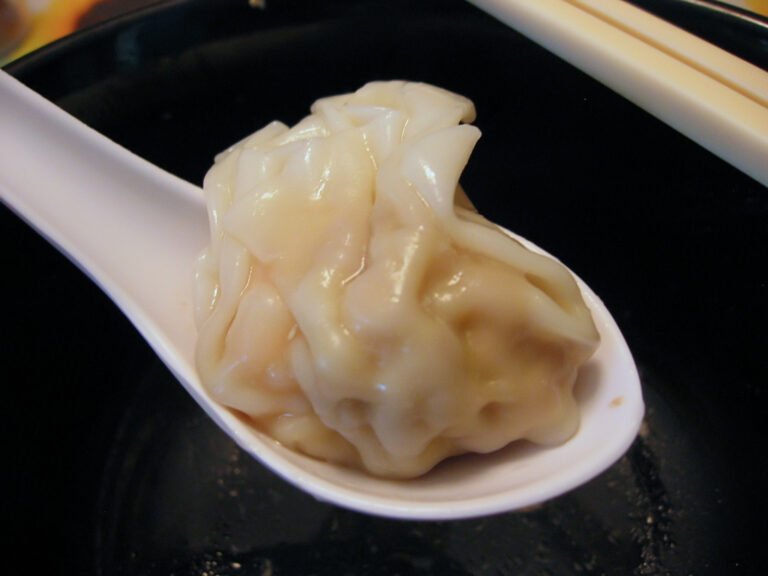
The steamer basket is the backbone of the Chinese morning. Baozi (包子) are filled buns, pork and cabbage the default, with a fleck of ginger. A basket of three runs 5 to 8 yuan and is a full breakfast. Mantou (馒头) are the plain unfilled version, eaten dipped in condensed milk or alongside congee. I underrated mantou for years and then spent a winter in the northeast eating it with pickles and managed by fine.
For the filled version and how to fold your own, see our Chinese baozi buns piece and the mantou steamed bread notes on the plain loaf that fuels the north.
The dumpling morning
In many households, breakfast is just leftover dumplings from the night before, pan-fried crisp and reheated. On the street, fresh boiled or fried dumplings (jiaozi) are a common morning buy, especially in the north and northeast. A tray of eight with vinegar and garlic is a solid start. Our Chinese dumplings recipe explains the fold and the dipping sauce, so you can make a batch and eat the cold ones at dawn like a local.
Rice porridge: congee and its friends
In the south, the morning bowl is congee (zhou, 粥), a thin rice porridge simmered for hours and topped with pickles, a century egg, or shredded pork. It is plain on purpose; the flavor comes from the side dishes. I found congee the easiest breakfast to love when my stomach was tired of oil. A bowl with a youtiao (fried dough stick) torn in is the classic Cantonese start.
Our Chinese congee recipe covers the home version and the toppings that make it a meal rather than gruel.
The northwestern flatbread: roujiamo
Travel to Shaanxi and the breakfast is roujiamo (肉夹馍), a split flatbread stuffed with braised, chopped pork, often called the Chinese hamburger. It is portable, rich, and about 10 yuan. I ate one in Xi’an at eight in the morning and it held me until noon. The Muslim-quarter version with cumin lamb is the one to hunt for.
The method and the meat are in our roujiamo recipe, which also notes the vegetarian adaptations you will find near the temples.
A regional breakfast table
| Region | Typical breakfast | Flavor | Price |
|---|---|---|---|
| North (Beijing, Hebei) | Jianbing, baozi, soy milk | Savory, wheat | 5 to 10 yuan |
| Northeast | Mantou, congee, pickles | Plain, filling | 4 to 8 yuan |
| Shaanxi | Roujiamo, lamb soup | Rich, spiced | 8 to 15 yuan |
| South (Canton) | Congee, youtiao, rice rolls | Soft, light | 6 to 14 yuan |
| Shanghai | Shengjian buns, soy milk | Pan-fried, savory | 6 to 12 yuan |
Drinks: soy milk and the salty version
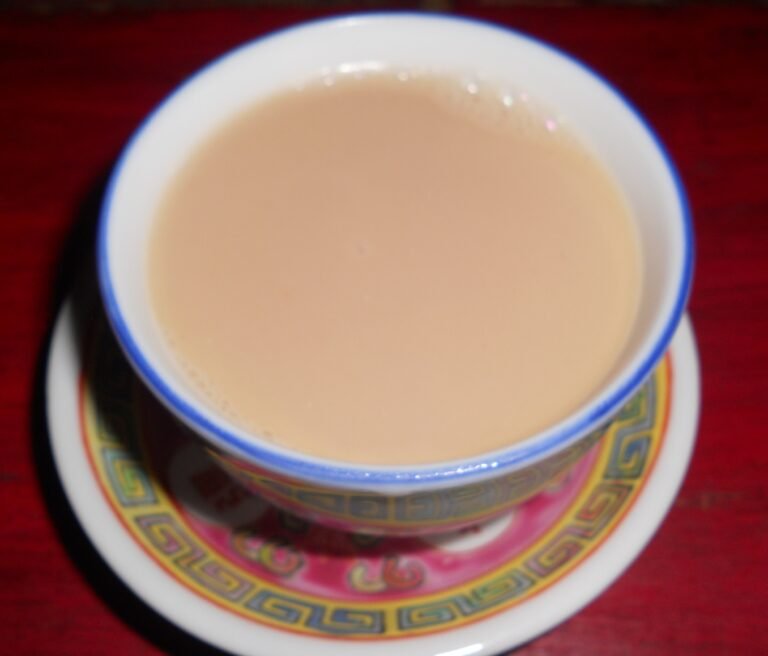
The standard breakfast drink is soy milk (doujiang), served sweet in the south and salty with pickles and dried shrimp in the north. The salty version is an acquired taste that I came to crave in winter. Tea is the other default, weak and free at most noodle shops. Western coffee exists in the cities but is not the local morning habit; for the cafe side of things, the China coffee culture piece tracks where to find a real espresso.
A sample week of breakfasts
If you want to eat across the country in a single trip, here is a realistic rotation I have actually kept. Monday in Beijing: jianbing and sweet soy milk. Tuesday in Xi’an: roujiamo and a lamb soup. Wednesday on a train south: mantou bought at a station vendor, eaten with the pickles you packed. Thursday in Shanghai: shengjian and a bowl of congee. Friday in Guangzhou: rice noodle rolls and youtiao torn into congee. Saturday anywhere: baozi and tea. Sunday, a hotel buffet just to reset. The point is that breakfast is the cheapest, fastest window into a region’s pantry, and you can taste more of China before nine in the morning than at any dinner table.
The soy milk divide, in detail
The sweet version (tian doujiang) is warm soy milk with a little sugar, served in the south and at most hotel buffets; the salty version (xian doujiang) is a savory broth of soy milk with pickled vegetables, dried shrimp, and sometimes a broken youtiao, common in the north. The first time I was handed the salty one I thought it was soup by mistake. It is not a mistake, it is breakfast. The two camps are oddly tribal; northerners find the sweet version childish, southerners find the salty one strange. Try both within a trip and pick your side. Either way, drink it hot, because cold soy milk at a cart is a different, lesser product.
Timing and the etiquette of the queue
Breakfast service is early and brief. Carts and shops open around 6:00 and the best items are gone by 9:30; the jianbing maker packs up once the office crowd clears, and the baozi steamer goes cold by ten. I learned to eat at 7:30, not 10:00. There is little ceremony: you point, you pay, you stand or take a low stool, and you leave when done. Tipping is not a thing, and lingering over a empty plate while the queue builds behind you is poor form. The whole transaction is built for speed, and leaning into that rhythm is part of the experience.
Quick facts
- A Chinese breakfast is savory, fast, and cheap, usually 3 to 12 yuan.
- North leans on wheat: jianbing, baozi, mantou, dumplings.
- South leans on rice: congee, rice rolls, youtiao.
- Roujiamo is the Shaanxi portable flatbread sandwich.
- Soy milk comes sweet (south) or salty (north).
- Most breakfasts are eaten standing or at a low stool, not at a table.
- Leftover dumplings from dinner are fair morning food.
Frequently asked questions
Is Chinese breakfast healthy?
Mostly yes: steamed, soupy, and low in added sugar. The fried items (youtiao, jianbing cracker) are the indulgences. Congee with pickles is about as gentle a meal as exists, which is why it is the sick-day and hangover food too.
Can I find a Western breakfast?
In big cities, yes, at hotel buffets and foreign cafes, but it costs ten times the street version and misses the point. I would try the local breakfast at least once; the street food guide helps you spot the safe, busy stalls.
What if I am vegetarian?
Congee, mantou, plain baozi (ask for vegetable filling), and youtiao are safe. Meat stock hides in some congee toppings and dumpling fillings, so point and confirm. Temple neighborhoods have the cleanest vegetable options.
Is the street breakfast safe to eat?
The busy carts are fine; high turnover means fresh oil and hot food. I ate street breakfast daily for months without a problem. Avoid a cart with no queue and a lukewarm steamer. Peel your own fruit and you are set.
What is the easiest breakfast for a first-timer?
Baozi and soy milk. It is familiar in form (a bun, a drink), cheap, and hard to get wrong. From there, move to jianbing, then congee, then roujiamo as your nerve builds.
Do people eat breakfast out or at home?
Both. Many buy on the way to work because it is faster and cheaper than cooking, and the variety at the carts beats a home kitchen. In smaller towns, home congee is still common, but the street is where a visitor should go.
What time is breakfast served?
Carts open around 6:00 and wind down by 9:30 or 10:00; the best stuff is gone by mid-morning. I learned to eat early, because the jianbing maker packs up once the office crowd clears.
Build your morning route
The fun of a Chinese breakfast is sampling across regions, and a food trip is the right way to do it. Tell us your cities and dates through our contact page and we will sketch a breakfast-and-sights route that hits the carts at the right hour.
Written by the ChinaTravelFood editorial team.