Jiangsu cuisine in one paragraph
Jiangsu cuisine is the cooking of China’s lower Yangtze delta, and it sits at the delicate end of the country’s flavor range. The province is stitched together by the Yangtze, the Grand Canal, and Lake Tai, so the kitchens have always had river fish, crab, shrimp, and lotus root within a morning’s reach, and a merchant class rich enough to pay for refinement. What came out of that is a style built on clear stocks, serious knife work, restrained seasoning, and a faint sweetness that surprises first-time visitors. When I first ate Nanjing salted duck, sliced paper-thin and served cold, the flavor was so quiet that I had to slow down to notice it. That is the point of this food. It rewards attention, and after two weeks eating my way from Nanjing to Yangzhou I stopped calling it bland and started calling it precise.
This guide explains what Jiangsu cuisine actually tastes like, the regional styles inside the province, the dishes worth ordering first, and where to eat them in 2026, with prices I paid on recent trips. Prices and opening hours change, so confirm details with the restaurant or an official local tourism source before you make a special trip.
Quick facts about Jiangsu cuisine
- Region: Jiangsu province, the lower Yangtze delta, sometimes grouped with Shanghai as Jiangnan cooking
- Representative cities: Nanjing, Suzhou, Yangzhou, Wuxi, Zhenjiang
- Flavor base: lightly sweet and savory, clear broths, river fish, rice wine, dark soy, a lot of ginger and scallion
- Spice level: essentially none. Chili oil, where it exists, is a condiment you add yourself
- Signature dishes: Nanjing salted duck, squirrel mandarin fish, lion’s head meatballs, Yangzhou fried rice, Yangcheng Lake hairy crab
- Fine-dining label: Huaiyang cuisine, the Yangzhou-school branch still used for state banquets
- Typical price in 2026: 40 to 90 RMB per person at a neighborhood restaurant, 150 to 400 at a famous old house
- Best season: September to November for crab, spring for bamboo shoots, deep winter for Suzhou mutton soup
- Vegetarian difficulty: high, because pork lard, dried shrimp, and meat stocks hide in plain-looking dishes
- A good first order: one cold duck dish, one river fish, one soup, plus rice
The four regional styles inside Jiangsu cuisine
People sometimes talk about Jiangsu cuisine as one thing, but inside the province there are at least four recognizable styles, and knowing which one you are eating tells you what to expect.
Huaiyang cooking: the Yangzhou school
Huaiyang cooking comes from the Yangzhou and Huai’an stretch of the Grand Canal, and it is the style Chinese food writers point to when they talk about technique. The clearest example is wensi tofu, a soup in which a block of soft tofu is sliced into thousands of hair-thin threads that suspend in clear chicken broth like silk. Dried tofu threads stewed in chicken stock, called da zhu gan si, shows the same obsession with the knife. Huaiyang also produced lion’s head meatballs, pork meatballs the size of a fist, poached in clear broth until they barely hold together. If Jiangsu cuisine has a fine-dining face, this is it.
Jinling cooking: Nanjing’s duck city
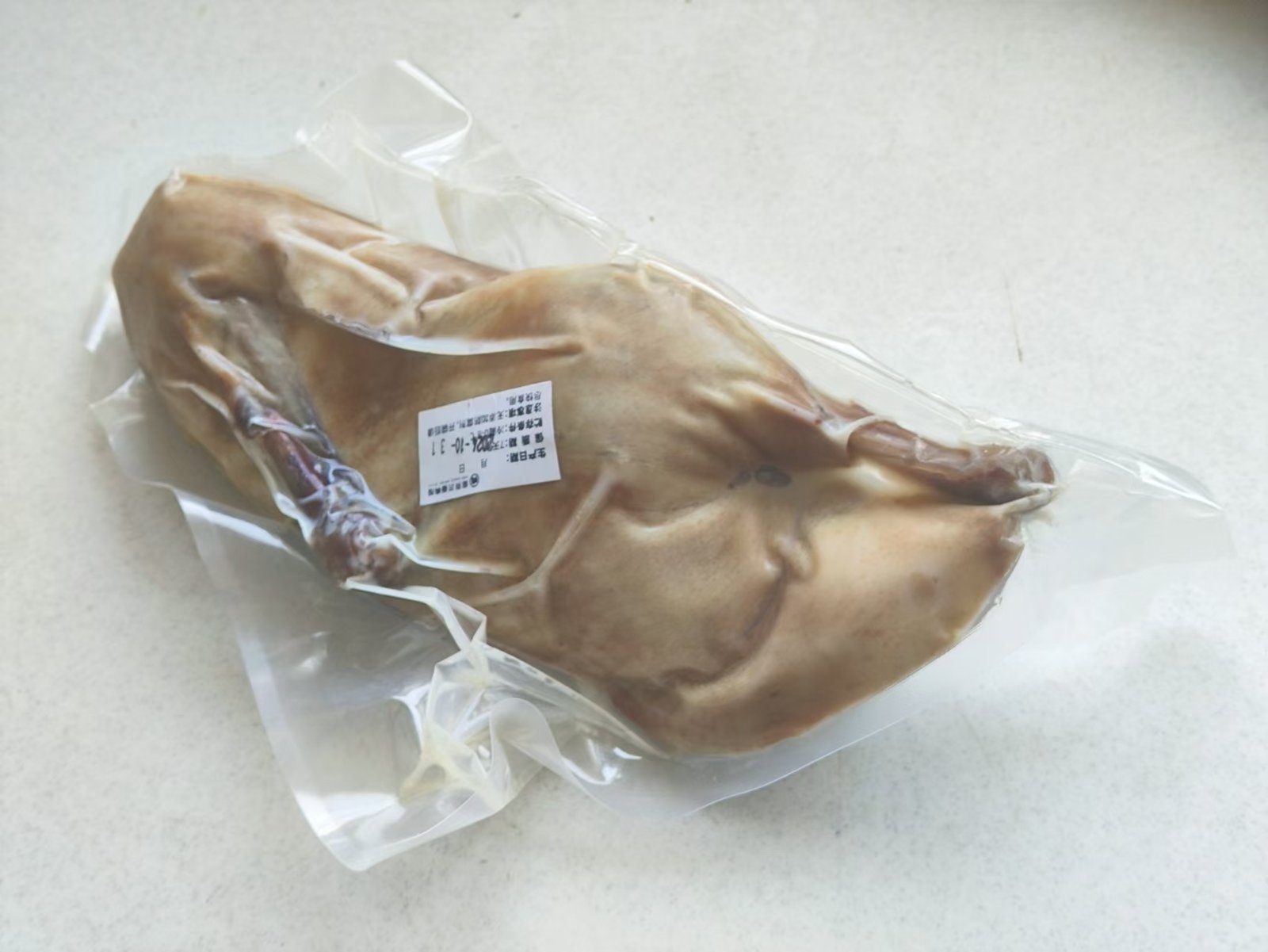
Nanjing cooking, also called Jinling style, is the least sweet of the four and the most everyday. The city runs on duck. Salted duck is cured, air-dried, poached whole, and sold cold by weight at duck shops that have been on the same corner for generations. Duck blood and vermicelli soup is the local breakfast bowl, dark and savory and nothing like the sweet red soups further south. Nanjing cooks also do excellent freshwater fish and a style of pressed tofu skin that soaks up broth like a sponge. It is the style I send first-time visitors to, because it is cheap, fast, and immediately delicious.
Su-style cooking: Suzhou’s sweet tooth
Suzhou cooking leans harder on sugar and dark soy than the Yangzhou school. The city’s benchmark dish is squirrel mandarin fish: the fish is scored into a diamond pattern, coated in starch, deep-fried until the flesh flares out like a squirrel’s tail, then finished with a sweet-and-sour tomato sauce. Suzhou is also a noodle town. Local shops serve yangchun noodles, plain noodles in a clear broth with a pinch of dried shrimp and scallion, and red-braised toppings like stewed pork belly or smoked fish laid across the top. Eat them early, because the best shops sell out by late morning.
Wuxi and the sweet edge
Wuxi, between Suzhou and Nanjing, makes the sweetest food in the province, and some people outside the region find it too much. Wuxi spare ribs are braised with rock sugar until they turn glossy and mahogany, and the sauce is closer to caramel than to gravy. Wuxi xiaolongbao are sweeter than the Shanghai style and have a thinner, more delicate skin. I like Wuxi food in small doses, one sweet dish per meal, with something sour or plain alongside.
The dishes that define Jiangsu cuisine
If you only eat five things in Jiangsu, eat these. The table gives you a rough price range from recent visits in 2026, in RMB, at a mid-range restaurant. Tourist restaurants near big attractions run higher.
| Dish | City | What it is | Typical price (2026) |
|---|---|---|---|
| Nanjing salted duck | Nanjing | Cured and poached duck served cold, sliced to order | 40 to 70 RMB for a half duck |
| Squirrel mandarin fish | Suzhou | Scored, deep-fried fish with sweet-sour sauce | 90 to 160 RMB per plate |
| Lion’s head meatballs | Yangzhou | Hand-chopped pork meatballs poached in clear broth with bok choy | 40 to 80 RMB |
| Yangzhou fried rice | Yangzhou | The original fried rice, with shrimp, ham, egg, and peas | 25 to 50 RMB |
| Wuxi spare ribs | Wuxi | Pork ribs braised in rock sugar and dark soy | 50 to 90 RMB |
| Yangcheng Lake hairy crab | Suzhou area | Steamed whole crab eaten with ginger vinegar, in autumn | 60 to 200 RMB per crab in season |
| Pot-lid noodles | Zhenjiang | Thin noodles boiled under a small wooden pot lid | 10 to 25 RMB |
Two of these deserve extra words. Yangzhou fried rice is not the same thing as the fried rice you know from takeout menus abroad. The classic version is made with day-old rice, peeled shrimp, cured ham, egg, and fresh peas, and the grain should separate cleanly when you lift it with chopsticks. And hairy crab is a seasonal event, not a menu item. The best crabs come from Yangcheng Lake northeast of Suzhou, the season runs roughly September through November, and the local saying goes that September is for male crabs and October for females with roe. Be careful about what you buy: fake Yangcheng crabs are common, real ones come with official certification labels, and prices swing wildly depending on size. Ask where a crab is from before you order it, and check current market prices with the restaurant or local market.
Where to eat Jiangsu cuisine in Nanjing, Suzhou, and Yangzhou
Nanjing
Start in the Laomendong area, the restored old town south of the city wall, where you can graze on duck shops, soup dumpling stalls, and duck-blood soup counters within a few blocks. Nanjing Dapaidang, a chain that recreates the old teahouse-hall style with rowdy tables and quick service, is a good first stop because you can try six small dishes without committing to a banquet. For salted duck, Hanfuxing is the old name locals mention; it has been curing duck since the late Qing era, and a half duck with a bowl of rice makes a fine cheap dinner. Expect to pay 40 to 70 RMB per person at these places.
Suzhou
Suzhou’s old restaurants sit around Guanqian Street and the canal lanes of Pingjiang Road. For more detail on the city’s kitchens, see our guide to Suzhou food. Songhelou, which has been serving Suzhou families since the 1700s, is the classic room for squirrel mandarin fish, and Deyuelou is its older rival a few streets away. Both are tourist-friendly and priced accordingly, roughly 150 to 300 RMB per person if you order the signature fish. For a cheaper morning, find a noodle shop like Zhuhongxing and order a bowl of red-soup noodles with stewed pork. You will eat well for 20 RMB and sit next to retired Suzhou men reading newspapers.
Yangzhou and Zhenjiang
Yangzhou is a breakfast city. The old teahouses on Dongguan Street, Fuchun and Yechun among them, open early and serve the local morning combination of crab-roe soup buns, savory dumplings, and a pot of Chinese tea. A teahouse breakfast runs 60 to 120 RMB per person, more if you order crab items out of season. Fuchun’s jade-green dumplings stuffed with preserved vegetables are worth trying even if you skip the soup buns. An hour down the rail line, Zhenjiang does pot-lid noodles, and the pot lid is not a gimmick: boiling the noodles under a small wooden lid is said to keep them springy. A bowl costs 10 to 25 RMB and comes with a plate of Yao meat, cured pork in aspic that melts on the tongue. Zhenjiang is also the source of China’s most famous black vinegar, covered in our guide to Chinese vinegar.
Eating with the seasons
Jiangsu menus rotate hard with the calendar, and timing your trip matters more here than in most Chinese regions. Spring brings bamboo shoots, which show up in quick stir-fries with pickled pork, and river shrimp so small they are eaten shell and all. Summer is the season for the three whites of Lake Tai: whitebait, white shrimp, and white fish, plus fox nuts, a starchy seed that Suzhou cooks simmer into a sweet soup. Autumn is the main event for crab. Winter belongs to mutton: Suzhou’s Cangshu town has cooked mutton in a copper pot for generations, and the shops fill up with locals from December through February. If you want one season for a first trip, pick October, when the crab is at its peak and the weather in the delta is still mild.
How Jiangsu cuisine compares to its neighbors
After a month eating through eastern China, here is how I would describe the differences. Sichuan food, the other great inland style, is built on chili and Sichuan peppercorn and tastes like an argument. Cantonese food, down the coast, chases the pure freshness of seafood and rarely adds sugar to savory dishes. Jiangsu cuisine sits between those poles: it seasons gently, sweetens lightly, and concentrates on freshwater products and texture. Shanghai food is close to Suzhou cooking but looser and more cosmopolitan, because the city took in cooks from all over the delta and beyond. Zhejiang cooking, over the provincial line near Hangzhou, shares Jiangsu’s sweet-savory instincts but leans more on tea and lake fish; Hangzhou food and dishes like Dongpo pork show that overlap clearly. If you understand that Jiangsu food is about restraint and river products, you will order better.
One honest warning for Western palates: the sweetness is real. A plate of Wuxi ribs or Suzhou squirrel fish can carry more sugar than a diner expects from a savory dish. Order one sweet dish per meal, balance it with plain rice and a soup, and you will adjust within two days. I did.
Jiangsu cuisine FAQ
Is Jiangsu food always sweet?
No, but it is sweeter than most Chinese regional cooking. Huaiyang and Nanjing dishes are only faintly sweet, while Suzhou and Wuxi use sugar as a leading flavor. Red-braised dishes across the region get their glossy brown color from soy and sugar cooked together.
What is the difference between Jiangsu cuisine and Huaiyang cuisine?
Huaiyang is a branch of Jiangsu cuisine, not a separate cuisine. It is the Yangzhou-school style, known for knife work and banquet dishes, and it represents Jiangsu cooking at formal dinners. Nanjing, Suzhou, and Wuxi styles are more everyday and more local.
When is the best time to eat Yangcheng Lake hairy crab?
Roughly September through November, with October as the peak. Male crabs are fuller in early autumn and females carry the best roe later. Buy from reputable restaurants, look for the official certification, and confirm current prices at the market, since in-season crab pricing moves daily and fakes are common.
Is there any spicy food in Jiangsu?
Not as a base flavor. You may find chili oil or a chili-vinegar dip on the side for crab or dumplings, and Nanjing has a few mildly spicy snacks, but no Jiangsu dish is built on chili the way Sichuan or Hunan dishes are.
Is Jiangsu cuisine good for vegetarians?
It is one of the harder regions for vegetarians. Pork lard is the default cooking fat, dried shrimp turns up in fried rice and noodle broths, and meat stocks flavor vegetable dishes. Temple restaurants in Nanjing and Suzhou, and any restaurant advertising Buddhist vegetarian cooking, are the safest options.
Do I need to book restaurants in advance?
For the famous old houses in Suzhou and Yangzhou, book a day ahead on weekends and during public holidays, especially around National Day Golden Week in early October. Walk-in neighborhood places do not need reservations, and teahouses in Yangzhou work on a first-come queue early in the morning.
How do I get between Nanjing, Suzhou, and Yangzhou?
High-speed rail along the Beijing-Shanghai line connects all three. Nanjing to Suzhou takes roughly an hour, Suzhou to Yangzhou about an hour and a half with a change or a slower train. Book through the official 12306 platform or a station ticket office, and check current schedules with official sources before your trip.
Planning a Jiangsu food trip
A good Jiangsu route is three or four days: one day of Nanjing duck and old-town snacking, one day of Suzhou noodles and Suzhou gardens, one slow morning of Yangzhou teahouse breakfast, with a train between each. If you want help building that route around the seasons, or you want a food-focused version that adds Zhenjiang vinegar, Wuxi ribs, and the autumn crab markets, reach out through our contact page and we will help you plan a custom food-and-travel route through the Yangtze delta.
Written by the ChinaTravelFood editorial team.