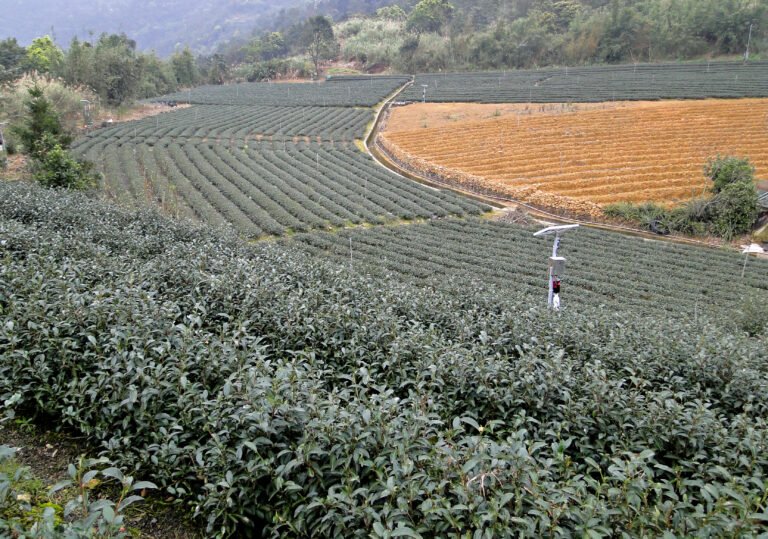
What Chinese tea really means
Chinese tea is not one drink but a family of six styles made from the same plant, Camellia sinensis, processed in different ways. When travelers say “Chinese tea,” they might mean a green leaf from Hangzhou, a dark fermented cake from Yunnan, or a floral oolong from Fujian. Knowing the six categories is the difference between ordering something you love and something that surprises you.
I drank my first serious cup of Longjing at a hillside farm outside Hangzhou in spring, poured from a glass so the flat leaves could stand upright. It tasted like fresh-cut grass and roasted chestnut, nothing like the dusty tea bag I knew. That trip taught me that Chinese tea is about place and season as much as plant.
This guide walks through the main types, where they grow, and how to brew each one without fuss. If you only remember one thing, remember that water temperature and steep time change more than the leaf itself.
The six main categories
Chinese tea is usually sorted by how much the leaf is oxidized and fermented. The broad groups, from least to most processed, are green, white, yellow, oolong, black (called red tea in China), and dark, plus the post-fermented pu-erh that sits in its own corner.
| Type | Oxidation | Famous examples | Best water temp |
|---|---|---|---|
| Green | None (killed by heat) | Longjing, Biluochun, Maojian | 75 to 80 C |
| White | Very low | Baihao Yinzhen, Bai Mudan | 80 to 85 C |
| Yellow | Low, with a “yellowing” step | Junshan Yinzhen | 80 to 85 C |
| Oolong | Partial, 20 to 70 percent | Tieguanyin, Da Hong Pao | 90 to 100 C |
| Black (red) | Full | Keemun, Dianhong, Zhengshan | 90 to 100 C |
| Dark / Pu-erh | Post-fermented | Sheng and shou pu-erh | 95 to 100 C |
The split between green and the rest matters most for brewing. Green and white teas scorch at boiling heat and turn bitter, while oolong and pu-erh want near-boiling water to open up. Get the temperature right and even a cheap leaf tastes decent.
Green tea: the everyday cup
Green tea is the most common in China and the one you will be offered at meetings and homes. The two names to know are Longjing (Dragon Well) from Hangzhou and Biluochun from Suzhou. Both are pan-fired or roasted, which gives a toasted rather than grassy note.
The West Lake Hangzhou tea hills produce the most famous Longjing, and the spring picking before the Qingming festival commands the highest prices, sometimes thousands of RMB per jin. You do not need that grade. A modest pre-Qingming or spring batch at 200 to 400 RMB per 100 grams drinks beautifully. Our Hangzhou food guide covers pairing the tea with local snacks.
Oolong and the floral middle
Oolong sits between green and black, with a range from light and floral (Tieguanyin) to dark and roasted (Da Hong Pao from the Wuyi cliffs). The leaves are rolled into balls or twisted strips and unfurl slowly across many short steeps.
I prefer a rock oolong from Mount Wuyi when I want something with body. Brewed in a small gaiwan with 95 C water and thirty-second steeps, one serving lasts a long afternoon. The tea ceremony experience in Fujian or Taiwan will walk you through the gongfu method properly if you want the full ritual.
Black tea and pu-erh: the dark end
What the West calls “black tea” is “red tea” (hong cha) in China, and includes Keemun from Anhui and Dianhong from Yunnan. These are brisk, often malty, and take milk if you like. Pu-erh is different again: a Yunnan leaf pressed into cakes and aged, either raw (sheng) or ripened (shou).
Shou pu-erh tastes earthy, almost like a wet forest floor in a good way, and is the digestif of choice after a heavy meal. Traders age cakes for years, and older vintages sell for real money. For a traveler, a young shou cake at a tea market costs little and brews strong.
How to brew without overthinking
The glass method for green tea
Drop 3 grams of leaf into a tall glass, pour 80 C water to about a third, let it sit thirty seconds, then fill. Drink down to the last third and refill. The leaves keep giving for three or four rounds.
The gaiwan for oolong and pu-erh
Use a small lidded bowl, a heaped teaspoon of leaf, and just off-boiling water. Steep ten to thirty seconds and pour all of it out each time. The first rinse is for the leaf, not you. After that, the flavor builds then fades across perhaps eight steeps.
Water and time
Soft water helps. Bottled or filtered beats hard tap. Keep green tea short and cool, keep dark tea long and hot. A kitchen thermometer removes the guesswork until your hand learns the feel.
The herbal soup tradition of southern China runs on a similar logic of slow extraction, just with roots and meats instead of leaves, and the two habits sit comfortably at the same table.
Where to buy and taste on the road
Tea markets in every big city sell loose leaf by the gram, and a patient vendor will brew samples for you. In Kunming, the Kunming tea markets are a good place to taste pu-erh at the source. Join a tea tours outing if you want a guide who explains the grades in plain terms.
Avoid the airport tins with gold foil unless you want a souvenir, not a cup. Real leaf is loose or in plain cakes, and the best buys are unbranded batches from a vendor you trust.
White, yellow, and the quiet styles
Two categories get less attention but are worth knowing. White tea is the least processed: leaves are withered and dried, not rolled or pan-fired, which leaves a pale, soft cup. Baihao Yinzhen, made only from young buds, is the premium pick and tastes faintly of hay and melon. It suits a quiet morning better than a busy one, and it is forgiving if you brew it a little too cool.
Yellow tea is rarer. The “yellowing” step, where the leaf is lightly heated and wrapped to slow-oxidize, gives a smoother, rounder cup than green without the toast. Junshan Yinzhen from Hunan is the classic. You will not trip over it at every market, but a good tea shop will keep a small tin, and the price signals the scarcity more than any gap in flavor.
Pairing tea with food
Green tea cuts the grease of fried snacks and dim sum, which is why it shows up at Cantonese breakfast tables. A brisk red tea stands up to rich braises and milk-based sweets. Oolong sits between, good with roasted nuts and grilled meats. Pu-erh is the post-meal choice across the south, served after a heavy hot pot to settle the stomach.
One rule I follow: match weight to weight. A delicate white tea is wasted next to a pungent dish; save it for a plain biscuit or a quiet moment. The point of Chinese tea at the table is contrast, not competition, and the best pairings leave both the food and the leaf a little clearer than before.
Quick facts
- All Chinese tea comes from one plant species, Camellia sinensis.
- Six styles: green, white, yellow, oolong, black (red), and dark pu-erh.
- Green and white want 75 to 85 C water; oolong and pu-erh want near boiling.
- Pre-Qingming green tea is prized but not required for good flavor.
- A gaiwan and a thermometer are enough to brew most leaves well.
- Loose leaf beats bagged for both taste and value.
Frequently asked questions
Which Chinese tea should a beginner start with?
A light green like Longjing or a gentle oolong like Tieguanyin. Both are approachable and widely available. Skip the cheapest bagged dust and buy 50 grams of loose leaf from a proper shop.
Why does my green tea taste bitter?
Boiling water and long steeping. Drop the temperature to about 80 C and pour off after a minute. If it still bites, use less leaf. Bitter green tea is almost always a brewing error, not a bad leaf.
What is the difference between pu-erh and black tea?
Black tea is fully oxidized once and done. Pu-erh is post-fermented and aged, sometimes for decades, and its flavor keeps changing in storage. They look similar dark but taste worlds apart.
Can I reuse the leaves?
Yes, and you should with oolong, black, and pu-erh. A gaiwan session reuses one portion across many short steeps. Green tea is usually one or two rounds before it goes flat.
Is Chinese tea healthy?
People cite antioxidants and calm focus from modest caffeine, but I am not a doctor and the research is mixed. Drink it because it tastes good and settles a meal, not as medicine. Check with a professional for health claims.
How should I store tea?
Keep it away from light, heat, and strong smells in a sealed tin or bag. Green tea loses its edge within months; pu-erh and dark tea improve with careful aging. Don’t store everything in one open jar or the scents mix.
What does “gongfu cha” mean?
It means “skillful tea,” the method of brewing small amounts in a tiny pot or gaiwan with many quick steeps. It is the standard way to serve oolong and pu-erh and the form you will see at a proper tasting.
Plan a tea-focused trip
China’s tea regions span thousands of kilometers, from Hangzhou’s hills to Yunnan’s mountains. If you want to build a route that pairs tea farms with the right restaurants and towns, tell us your interests on our contact page and we will map a custom food-and-travel itinerary.
Written by the ChinaTravelFood editorial team.