Why I keep sending people to Zhuhai
I first landed in Zhuhai in 2017 on my way to Macau and nearly skipped it. That was a mistake. The city sits on the western bank of the Pearl River estuary, a short hop from both Macau and Hong Kong, and it reads like a Chinese coastal town that actually planned for people. Wide tree-lined avenues, a long seaside promenade, and none of the frantic energy you get in Guangzhou or Shenzhen. When friends ask me where to slow down for two days between Hong Kong and the mainland, I point them here.
Zhuhai is not a headline destination. It does not have a Great Wall or a terracotta army. What it has is livability, clean air by Chinese city standards, and a front-row seat to one of the most interesting border regions on earth. If you are building a southern China route, it works as a calm, affordable base while you day-trip into Macau or ride the bridge to Hong Kong.
Getting there and the Macau question
Most visitors reach Zhuhai through Macau or Hong Kong. The Hong Kong-Zhuhai-Macao Bridge, which opened to traffic in October 2018, cut what used to be a ferry-and-road slog into a 40-minute shuttle bus ride from Hong Kong airport. I have done the crossing twice and the bridge itself is an experience, a 55-kilometer span that feels surreal when the sea fog rolls in.
From Macau, you simply walk across one of the border gates. Gongbei Port is the busiest, and I would not recommend it on a Saturday afternoon unless you enjoy shoulder-to-shoulder crowds. Hengqin port to the south is quieter and feeds directly into the Chimelong resort area. Plan your border crossing the way you would plan any international transit: check your paperwork first. Our guide to the crossing between China, Hong Kong, and Macau lays out the gates, the shuttle timing, and the documents you need.
If you arrive without a Macau plan, that is fine. Zhuhai has its own airport with domestic flights and decent high-speed rail links to Guangzhou and Shenzhen. The China train booking system is the same one I use for every city in this region.
When to go
Zhuhai sits at roughly 22 degrees north, so it stays mild most of the year. Summers are hot and sticky, with afternoon thunderstorms from June through August. Winters are short and pleasant, rarely dropping below 10°C. I like October and November best: the humidity backs off, the skies clear, and the seaside path is actually comfortable to walk.
Avoid the week-long National Day holiday in early October if you can. The Gongbei border alone processes millions of crossings during that stretch, and hotel prices double. The general best time to visit China advice holds here too, but Zhuhai’s mild climate gives you more slack than, say, Beijing or Harbin.
What to actually do
The city stretches along the coast, and the most rewarding thing you can do is nothing in particular along the Lovers’ Road (情侣路), the seaside promenade that runs for kilometers past rocky beaches and sculptures. I spent a whole morning at the Fisher Girl statue and the adjacent reef, watching退休 locals do tai chi, and it was the most relaxing half-day of that trip.
Offshore, the islands are the real draw. Outer Ring (外伶仃岛) and Dong’ao Island (东澳岛) are reachable by ferry from the Xiangzhou ferry terminal, and they offer the kind of quiet, seafood-heavy weekend that mainlanders from Guangzhou drive hours to find. Bring cash for the smaller island restaurants; card machines fail more often than you would expect.
The Hengqin side hosts Chimelong Ocean Kingdom, which is genuinely one of the best aquariums I have seen anywhere, though it is built for families and the lines can be long in summer. If you have kids, it is worth a day. If you don’t, skip it and take the ferry instead.
Food: Cantonese, with a Macau accent
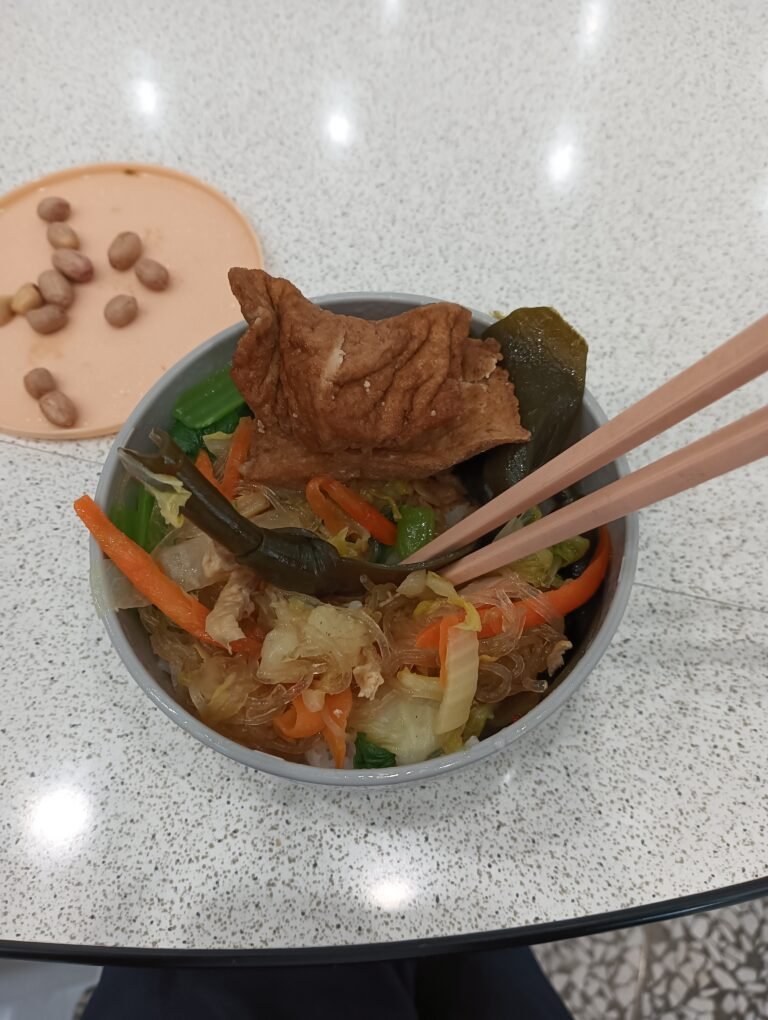
Zhuhai eats like the Cantonese city it is, with an extra layer of Portuguese-Macau influence leaking across the border. Morning Guangzhou-style dim sum is everywhere, and the seafood along the coast is fresher and cheaper than in neighboring Hong Kong. I had a plate of steamed grouper with ginger and scallion at a beachside spot in Jida that cost about a third of what the same fish would run in Central, Hong Kong.
Don’t miss the street-side congee and the late-night BBQ skewers near the Gongbei area. The city is also a good place to try Macau-style egg tarts without the Macau markup. Vegetarians will find things harder here than in temple towns, but the vegetarian survival guide still has usable strategies for southern cities.
Staying connected and paying
Mobile data is straightforward. I always set up a China SIM or eSIM before arrival so maps work the moment I land. Zhuhai is Alipay and WeChat Pay territory like everywhere else, and you will struggle to pay for a ferry ticket or a bowl of noodles with cash at chain shops. Get that sorted before you cross any border.
Practical costs and a sample two-day plan
Zhuhai is cheaper than Hong Kong and about level with Guangzhou. A decent mid-range hotel near the coast runs 350 to 600 yuan a night. A seafood dinner for two with a few beers lands around 200 to 350 yuan. Ferries to the islands are 60 to 120 yuan round trip depending on the destination.
| Item | Typical price (CNY) | Notes |
|---|---|---|
| Mid-range hotel, per night | 350–600 | Coastal Jida and Gongbei areas |
| Seafood dinner for two | 200–350 | Beachside restaurants, ask for the price first |
| Ferry to Outer Ring Island | 60–120 round trip | Depart from Xiangzhou terminal |
| Chimelong day ticket | 350–450 | Peak summer weekends cost more |
| Bus across the HZMB to HK | ~70 | Shuttle only; book the bridge shuttle in advance |
Sample two-day plan
Day one: walk the Lovers’ Road in the morning, ferry to Dong’ao Island for the afternoon, seafood dinner back on the mainland. Day two: cross into Macau for a few hours, return for a dim sum lunch and a slow coffee along the promenade before your evening train north.
Where to stay
I base myself in two areas depending on mood. The Jida (吉大) and Gongbei districts put you closest to the coast and the Macau border, with the most hotel choice from international chains down to clean budget spots. The Hengqin side is newer and built around the Chimelong resort; it is quieter at night but you are stranded without a car or the resort shuttle. For a first visit I would pick Gongbei for the walkability and the ferry access, then move out to an island for the second night if the weather holds.
Prices are reasonable. A decent business hotel near the coast runs 350 to 600 yuan, and you can find hostel dorms under 100 if you are solo and light. Book ahead during the Canton Fair weeks in Guangzhou, because regional demand spills over and rooms tighten across the delta.
Getting around the city
Zhuhai’s center is spread out, so the metro helps for point-to-point but the bus network and cheap DiDi rides fill the gaps. The coastal Lovers’ Road is best on foot or a shared bike, and I logged most of my miles that way. Taxis are plentiful and metered, and the drivers know the few sights by their Chinese names. For the islands you need the ferry terminal at Xiangzhou, and I recommend buying the return ticket the same day you arrive on the island to avoid a sold-out evening crossing in peak season.
One practical note: rental e-bikes are everywhere and tempting, but the police check licenses and foreigners on tourist visas sometimes get stopped. I stuck to walking and taxis and never felt limited.
What I would skip
Chimelong is a full day if you have kids, but as an adult without them I found the lines and the price hard to justify against a free afternoon on the islands. The New Yuanming Palace replica also looked like a missed opportunity when I peeked in; it is a rebuilt imitation of a Beijing garden and feels thin. Spend your energy on the water instead.
Quick facts
- Location: western Pearl River estuary, bordering Macau, linked to Hong Kong by the HZMB bridge.
- Best months: October and November for dry, mild weather.
- Currency: Chinese yuan; Macau uses patacas, so change only what you need.
- Border gates: Gongbei (busy), Hengqin (quiet, resort side), Qingmao (pedestrian).
- Local specialty: fresh seafood, Cantonese dim sum, Macau-style egg tarts.
- Time needed: one to two full days as a base or stopover.
Frequently asked questions
Do I need a visa to visit Zhuhai?
Zhuhai is inside mainland China, so the standard China visa rules apply unless you qualify for the 144-hour visa-free transit through one of the eligible entry cities. Some nationalities can get a special Macau-to-Zhuhai port visa at the border, but I would not rely on it; arrange your visa before you fly.
Can I day-trip from Zhuhai to Macau?
Yes, and most people do. You walk through a border gate with your passport and Macau entry stamp, spend the day, and walk back. Allow extra time at Gongbei on weekends.
Is Zhuhai worth more than one night?
For pure sightseeing, probably not. As a relaxed base to recover from Hong Kong or launch island trips, two nights is comfortable. I would not build a week around it.
How do I get from Hong Kong airport to Zhuhai?
Take the HZMB shuttle bus. It runs frequently and the crossing takes about 40 minutes. Buy the shuttle ticket at the bridge counter; the bus drops you at the Zhuhai side port, where taxis and buses connect to the city.
Are the outlying islands worth the ferry ride?
If you want quiet beaches and fresh seafood without resort prices, yes. Outer Ring and Dong’ao are the easy ones. Book the return ferry before you leave the island in peak season.
Is English widely spoken?
Less than in Hong Kong. Hotel staff and ferry counters manage basic English, but restaurant menus are mostly Chinese. A translation app saves you more than once.
Planning your route
Zhuhai fits naturally between Hong Kong, Macau, and Guangzhou on a southern China loop. If you want help stitching together a food-and-travel route that includes the coast, the islands, and a Macau day, reach out through our contact page and we can sketch something that suits your dates and budget.
Written by the ChinaTravelFood editorial team.