The capital nobody books
Fuzhou is the capital of Fujian province, and almost every foreign traveler I meet has heard of Xiamen but not Fuzhou. That is a shame. Fuzhou has the same mild southern climate and the same deep food culture as its famous coastal cousin, but at maybe half the tourist polish and a fraction of the prices. I went expecting a stopover on the way south and stayed an extra day because the old lanes were better than I had been told, and the tea houses were cheaper than anywhere I had been in the region.
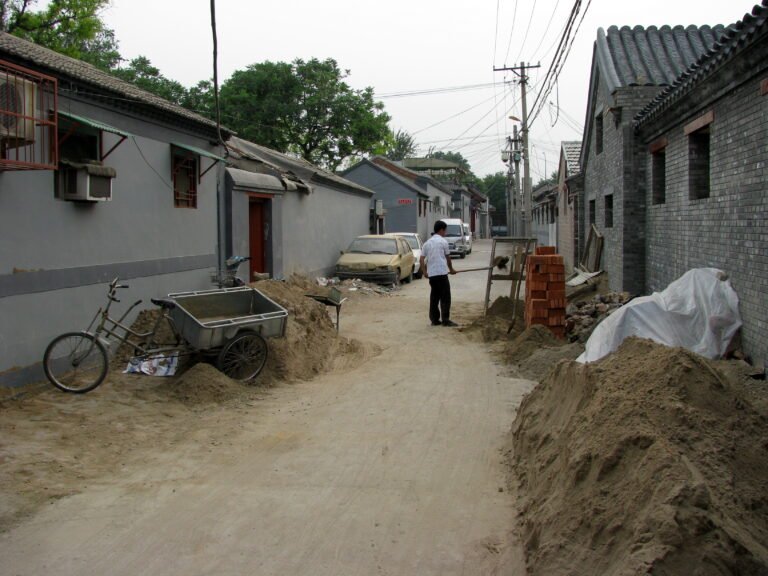
The city’s signature is 三坊七巷 (Three Lanes and Seven Alleys), a preserved Ming-Qing residential quarter of narrow stone streets and wooden houses right in the center. It is touristy at the entrance, with the usual bright signage and tour groups, but walk two lanes in and you find working tea shops, a lantern maker whose family has been at it for three generations, and grandparents playing cards in the shade. That blend of restored and lived-in is what separates Fuzhou from a pure theme street, and it is why I came back.
Getting to Fuzhou
Fuzhou has a major high-speed rail hub and an airport with domestic and some regional flights. Trains from Xiamen take about an hour, from Hangzhou three to four hours, from Shanghai around five. I used the China train system from Xiamen and the station feeds straight into the metro, which is clean, cheap, and signed in English at the major stops. The city is also the northern anchor of any Fujian food trail that runs down to Xiamen and Quanzhou, which is the way I would plan the province if I had a week.
What to see
Three Lanes and Seven Alleys is the obvious start, and it earns the hype if you go early, before the coach tours arrive around ten. The Lin Zexu memorial nearby honors the Qing official who sparked the Opium War by confiscating British opium in Guangzhou; the exhibits are modest but the man matters to how Fuzhou sees itself. The Yushan and Wushan hills give short climbs with city views, and Yushan in particular has a cluster of small temples and a Ming-era pagoda you can climb for a few yuan.
The Hualin Temple is one of the oldest wooden structures in the southeast, quietly impressive if you like old joinery; I was the only visitor and a caretaker let me look at the bracket arms up close. West Lake Park (yes, Fuzhou has one too) is a modest local green space, good for an evening stroll and nothing more. The real draw for me was simply walking the riverside at dusk, when the white egrets come in over the Min River and the city turns gold. Fuzhou is a river city, and the water is part of its calm.
When to go
The best time to visit China window for Fuzhou is spring and autumn. Summers are long, hot, and hammered by typhoons from July to September; I was there in June and the humidity was the kind that finds every seam in your clothes. October to November was far kinder when I returned, with cool nights and clear hiking on the hills. Winters are short and rarely cold enough for more than a light jacket, which makes Fuzhou a decent warm-edge escape when the north freezes.
Eating in Fuzhou
Fujian cuisine is subtle, sweetish, and broth-forward compared with the fire of neighboring Jiangxi or Hunan. The famous dish is 佛跳墙 (Fo tiao qiang, “Buddha jumps over the wall”), an elaborate soup of shark-fin alternatives, sea cucumber, abalone, and dozens of ingredients simmered for hours in a clay pot sealed with paper. It is expensive and you usually order it a day ahead at a proper restaurant; I tried a small version for about 180 yuan and understood the reputation even if I could not afford the grand one, which can run into the thousands.
More everyday is 鱼丸 (fish balls), bouncy freshwater-fish dumplings in clear soup, and 肉燕 (rouyan), a wonton-like parcel with a skin pounded from meat and starch rather than wheat. Both show up at breakfast and as snacks. The Chinese street food culture here leans into these snacks rather than skewers, and the alley stalls do them well for a few yuan a bowl. Lychee pork (荔枝肉), a sweet-sour fried pork in the shape of the fruit, is the local banquet classic and worth ordering at a mid-range place.
For a fuller picture of the region’s eating, the Xiamen food guide covers the southern Fujian coast, which shares Fuzhou’s broth-loving soul but adds more seafood and a softer hand with spice. If you want to taste the difference in one trip, do Fuzhou first, then Xiamen, and you will hear the dialect shift and feel the food loosen as you go south.
A Fuzhou food table
| Dish | What it is | Where to try | Price guide |
|---|---|---|---|
| Fo tiao qiang | Deluxe seafood-broth soup, clay pot | Established restaurants, order ahead | 180+ yuan small |
| Fish balls (鱼丸) | Fish-paste dumplings in soup | Alley stalls, breakfast | 8 to 15 yuan |
| Rouyan (肉燕) | Meat-skin wontons | Old lane shops | 10 to 18 yuan |
| Lychee pork (荔枝肉) | Sweet-sour pork, local classic | Mid-range Fujian restaurants | 40 to 60 yuan |
| Oyster cake (蚝饼) | Fried oyster and pork patty | Street corners near the lanes | 5 to 10 yuan |
A note on the dialect and the pace
Fuzhouhua is famously hard, even for other Chinese, so do not expect to pick up phrases. The upside is a slower, more local rhythm than Xiamen’s beach-resort energy. I liked that I could sit in a tea house for an hour and not feel the city pushing me along. The tea culture here runs to jasmine, because the nearby mountains around Fuding produce some of China’s best green and white teas; a pot in the lanes costs less than a coffee back home and comes with free refills.
Side trips from Fuzhou
If you have an extra day, the mountain of Wuyi is a few hours west by train, though that is its own trip. Closer, the village of Xiapu to the north is the famous mudflat photography spot, but it is a longer haul. For most visitors, Fuzhou is the urban hinge: eat, walk the lanes, then ride the rail south to Xiamen or north to Hangzhou. I treated it exactly that way and it worked.
Where to stay in Fuzhou
The practical base is near the Three Lanes and Seven Alleys, where the boutique hotels put you within a stroll of the old streets and the river. I stayed a block off the lanes for about 300 yuan off-season and walked everywhere I needed. The eastern business district has the chain hotels and the better airport access, but it trades away the character. For a first visit, the old-town side wins, because the city’s appeal is the lanes at dusk, not a lobby. Book the lanes-area hotels early in the October festival season, when domestic tourists fill the city.
Quick facts
- Fuzhou is the capital of Fujian, on the Min River, about an hour by train from Xiamen.
- Headline sight: Three Lanes and Seven Alleys (三坊七巷), a Ming-Qing quarter.
- Best months: March to May and October to November.
- Signature dish: Fo tiao qiang; everyday snacks are fish balls and rouyan.
- Less touristy and cheaper than Xiamen.
- Typhoon season runs July to September; book flexibly then.
- Tea: jasmine and the nearby Fuding white teas are the local pride.
Frequently asked questions
Is Fuzhou worth visiting over Xiamen?
Different trips. Xiamen has the island, the beach, and the tourist gloss. Fuzhou has old lanes, deeper local life, and easier prices. I would do both on a Fujian route, but if I had one day, Xiamen’s Gulangyu is more obviously scenic.
How do I get from Xiamen to Fuzhou?
High-speed train, about one hour, very frequent. The Fuzhou station connects to the metro, and Three Lanes is a short ride from the center. Book any train; the class barely matters on a trip this short.
What is Fo tiao qiang and do I need to order ahead?
It is a rich multi-ingredient seafood soup, the showpiece of Fujian banquet cooking. Proper versions need advance notice at the restaurant because of the long simmer. A small portion is enough to taste, and you can skip it entirely without missing the everyday food that defines the city.
Is Fuzhou walkable?
Central Fuzhou is flat and walkable, especially around the old lanes and the river. The metro covers longer hops. I got around mostly on foot and the occasional taxi.
How many days?
One and a half to two days covers the lanes, a hill or two, and the food. I stayed two and felt satisfied without rushing.
Is English spoken?
Limited. Translation apps and your hotel’s written address in Chinese are the reliable tools. Menus in the lanes are mostly Chinese with occasional pictures, so point and smile works fine.
Building a Fujian route
Fuzhou pairs with Xiamen and Quanzhou for a coastal Fujian loop heavy on broth, seafood, and old stone towns. If you want a custom food-and-travel plan that strings these together with the right trains, contact us and we will shape it to your dates and appetite.
Written by the ChinaTravelFood editorial team.