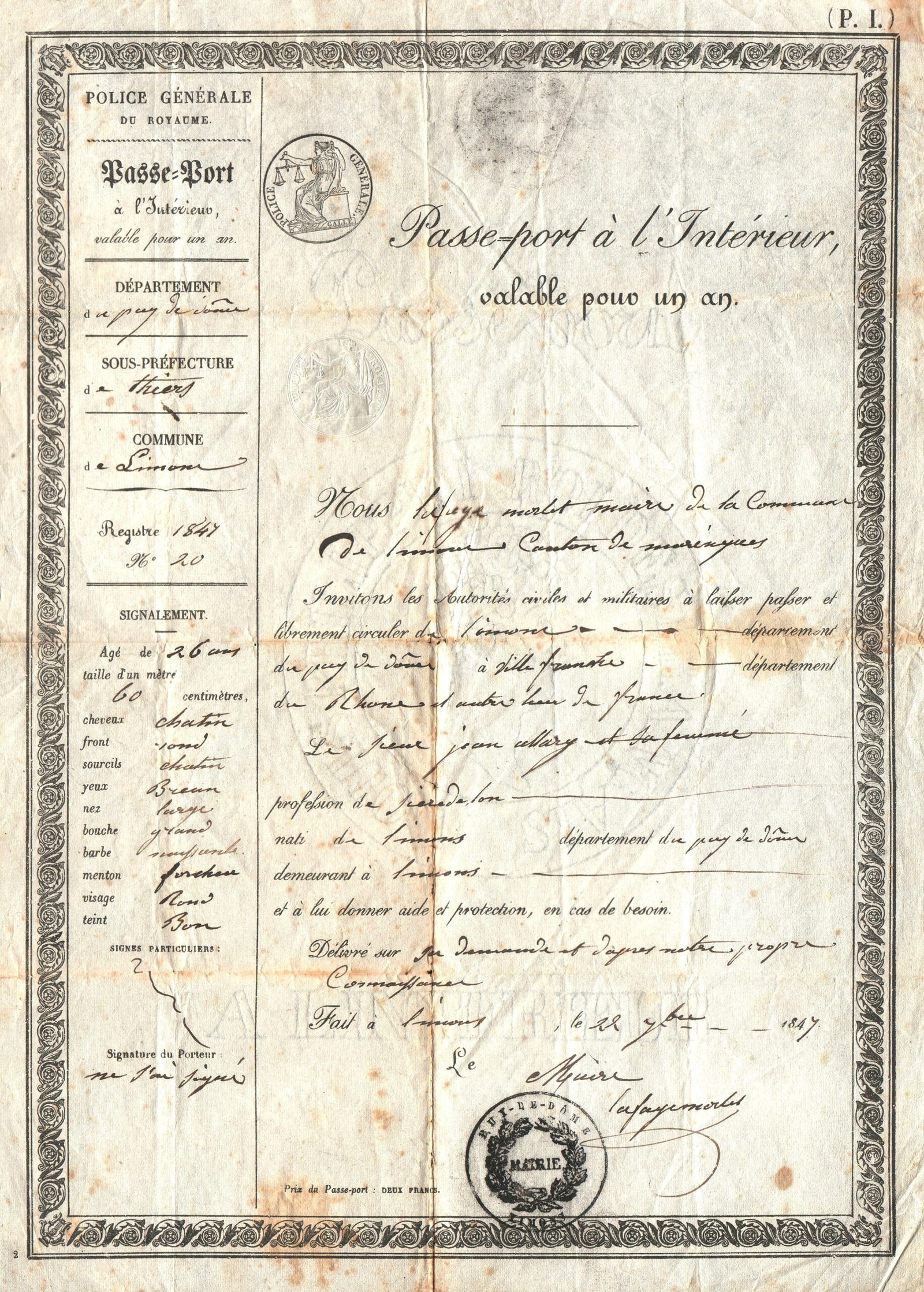
The China visa is the first real hurdle for most visitors, and the part that causes the most avoidable stress. I have watched travelers show up at a consulate with the wrong photo size and another who applied for the wrong category and lost two weeks. The system is not as opaque as its reputation, but it is fussy about detail, and the rules shift, so the one habit that saves you is confirming the current requirements with the official source before you do anything else.
Which visa most tourists need
For ordinary sightseeing, the visa you want is the L visa (tourist). It covers holidays, visiting friends and family for non-business purposes, and general travel. You apply at a Chinese embassy or consulate in your country of residence, or through a visa center that handles applications on China’s behalf. Most applicants submit by post or in person; some countries run an online appointment system.
If you hold a passport from the United States, you may be offered a ten-year multiple-entry tourist visa, because of a reciprocal arrangement. Other nationalities often receive single or double entry with a shorter validity. The exact length is set by your passport and the post you apply through, not by a single global rule.
What the application asks for
The core documents are consistent across most countries: a completed application form, a passport valid for at least six months with blank pages, a recent passport photo that meets the specified size, and a travel itinerary or flight and hotel bookings. Some posts also want a bank statement or proof of employment. The itinerary does not need to be final, but it should be believable and match your dates.
Photo rules trip up more people than anything else. China uses a specific size and background, and the visa centers reject prints that do not match. Take the photo at a shop that knows Chinese visa specs, or use the center’s on-site service where available.
Timelines and cost
Standard processing is often four to five working days, with express and same-day options at higher fees. Apply at least a month before travel if you can, because peak seasons back up. Cost depends on your nationality and the service speed; I will not quote a fixed number here because fees change and differ by passport, and a wrong figure is worse than none. Check the fee schedule on the official consulate or visa center page for your country before you budget.
| Step | What to do | When |
|---|---|---|
| Confirm category | Decide L (tourist) and entry count | Before booking |
| Gather documents | Passport, photo, itinerary, bookings | 4-6 weeks out |
| Submit | At embassy, consulate, or visa center | 3-5 weeks out |
| Collect | Passport with visa affixed | After processing |
| Recheck | Dates, entries, name spelling | Before flying |
Visa-free and transit options
China has expanded short-stay entry for many nationalities, including transit programs that let you stay in defined areas for a set number of hours without a visa, provided you hold an onward ticket. The specifics change often and the eligible nationalities and city lists grow, so treat any claim you read online as a prompt to verify, not as fact. Our separate piece on the 144-hour visa-free transit explains the current shape of that route.
Some regions, notably Hainan and parts of the Pearl River Delta, have their own entry rules. If your trip is narrowly focused on one of those zones, the general L visa may not be your only path, but again, confirm with the official channel before counting on it.
Common mistakes
- Applying for the wrong category because it was the first one in the drop-down menu.
- Booking flights before the visa is approved, then losing money when dates slip.
- Photo that fails the size or background rule and bounces the whole file.
- Misspelled name on the form that does not match the passport exactly.
- Assuming a visa on arrival exists. For most tourists it does not; arrange before you fly.
After you land: rules that still apply
A visa is permission to enter, not a blank check to do anything. You must respect the conditions of the category you hold; working or studying on a tourist visa is not allowed. Some cities require foreigners to register their address with the local police within a set number of days, often handled automatically by hotels but not by private rentals or a friend’s home. The rules around this vary by city and have changed over time, so confirm the current requirement for the places you actually stay. Treat the visa as the start of a set of rules, not the end of paperwork.
If something goes wrong
If your application is rejected, the center usually tells you the reason and whether you can reapply; a rejected tourist application is not a ban, but repeated sloppy applications draw attention. If your passport is lost while traveling, report it to the local police and your embassy immediately, because you need both to leave. Overstaying, even by a day, can mean a fine and a record that complicates the next application, so set a calendar alert for your exit date before you relax into the trip.
Children and special cases
Children need their own visa and their own passport; you cannot add them to a parent’s document. Dual nationals should enter and exit on the same passport that holds the visa, because swapping passports at the border creates a record mismatch that slows everything down. If your trip mixes business meetings with tourism, be honest about it on the form, because a tourist visa does not cover paid work and the line between the two is judged strictly.
Documents checklist you can print
A simple list saves a rejected file. Bring your passport with at least six months’ validity and two blank pages. Prepare one recent photo that meets the Chinese visa spec, not a generic passport photo. Assemble your travel itinerary with flight and hotel details that match your dates. Include proof of status in your home country if the post asks for it, such as employment or enrollment. Keep a copy of your application form and the submission receipt. Tick each item before you submit, because a single missing piece is the most common reason for a delay, and the center will not chase you for it.
Quick facts
- Main tourist visa: L category.
- Apply: embassy, consulate, or authorized visa center in your country.
- Passport: valid six months plus blank pages.
- Confirm: fees and photo specs on the official page for your nationality.
- Plan: submit about a month before travel.
Frequently asked questions
Do I need a visa if I am only transiting?
Maybe. Some nationalities can use a transit-without-visa stay in certain cities for a limited time with an onward ticket. The rules change and the eligible lists vary, so verify against the official notice for your nationality and route before you book. Our transit guide covers the current outline.
Can I get a visa on arrival?
For ordinary tourists, no. Arrange the L visa before you travel. A few special border ports have separate arrangements, but do not plan a holiday around them.
How long is the visa valid?
It depends on your passport. US citizens are often given a ten-year multiple-entry tourist visa; others receive shorter, often single or double entry. The embassy sets this, not a single global standard.
What if my name has special characters?
Use the exact spelling on your passport, including spaces and hyphens, in the form’s Latin field. Mismatches are a common rejection reason.
Do I need confirmed hotels?
You usually need to show an itinerary with bookings, but they do not have to be locked in. Keep them cancelable until the visa is in hand.
How early should I apply?
About a month ahead is comfortable; earlier if you travel in summer or around Chinese holidays when centers are busy.
Does the visa let me work?
No. The tourist L visa is for travel only. Any paid or volunteer work needs a different category, and getting it wrong can mean deportation. Confirm work rules with the official source.
Where do I start?
Find the Chinese embassy or consulate site for your country of residence, or the visa application center it directs you to. Read the current requirements there first, then build your plan around them. For getting around once you arrive, our train ticket guide helps with the next step, and our best time to visit China guide helps you pick the season.
Making it part of your trip
Think of the visa as the first booking, not a formality you handle the week before. Confirm the current rules on the official site for your nationality, assemble the documents without rushing, and only then lock in flights and hotels. If you want a China itinerary built around the dates your visa actually allows, send us your passport nationality and travel window and we can sketch a route that fits. Once the paperwork is done, our Chengdu food guide can help you plan the eating side of the trip. The paperwork is boring, but it is what turns the plan into a trip.
Written by the ChinaTravelFood editorial team.