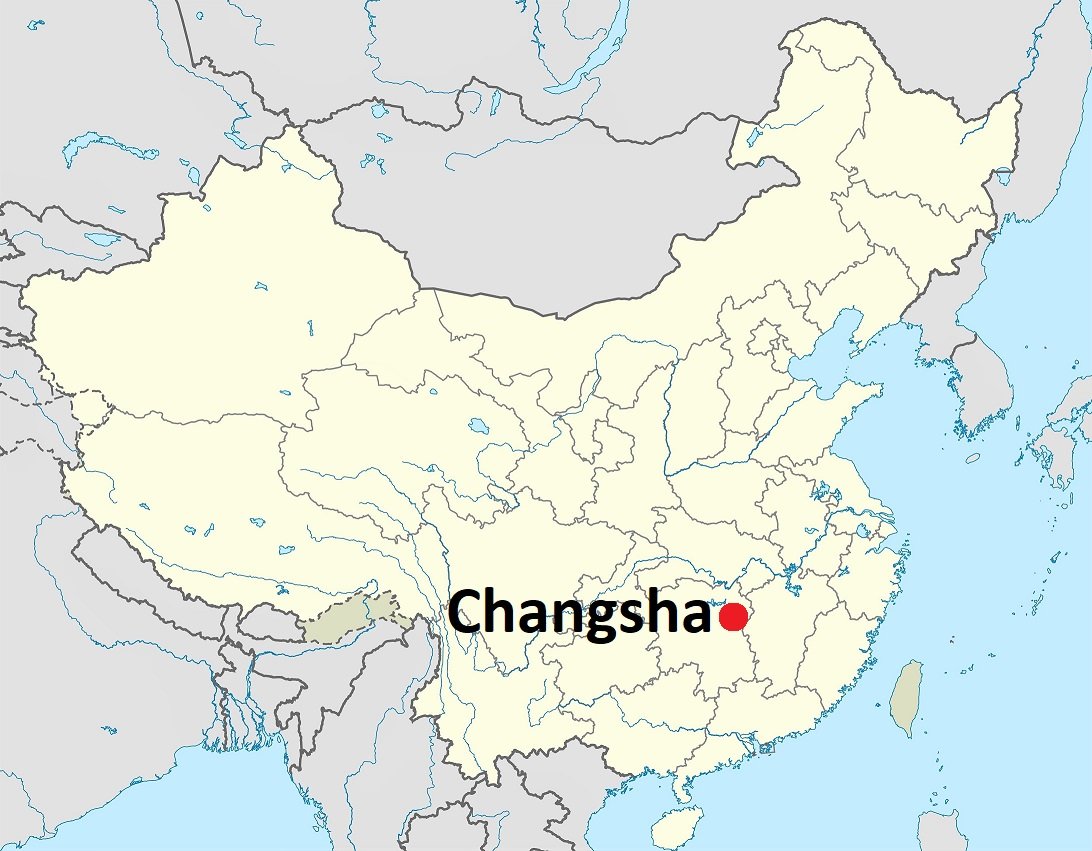
What Changsha is good for
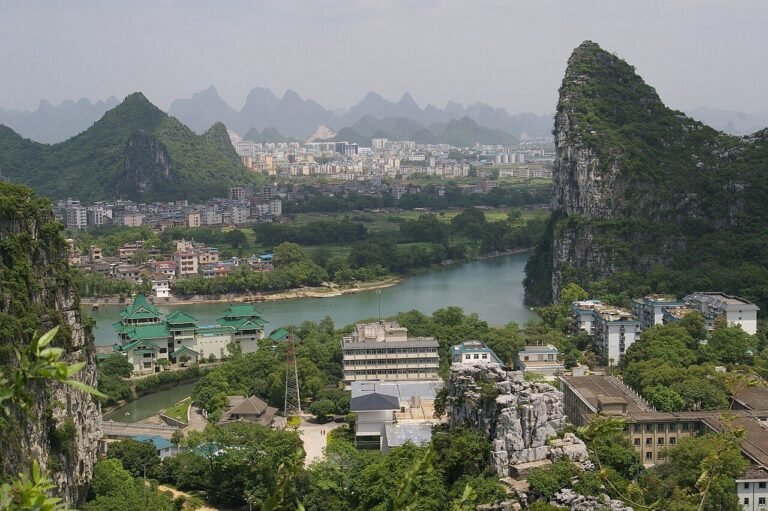
Short answer: three days of the most aggressively flavourful food in China, a genuinely excellent museum, a river island you can walk the length of, and a night life that does not wind down. It is not a beautiful city in the way Hangzhou or Suzhou are, and it does not try to be. Changsha is a loud, hot, commercially energetic provincial capital that happens to be one of the best eating cities in the country.
I came here expecting a waypoint between Guangzhou and Zhangjiajie and stayed four days, mostly because I kept failing to eat everything on my list. The second reason is that Changsha is a genuinely late city. At eleven at night the snack streets are still full of families, and that is unusual even in China.
The heat, and when to go
This matters more here than in most Chinese cities. Changsha is routinely named among China’s furnace cities, and the combination of high humidity and a river valley means summer here is not the pleasant kind of hot.
| Season | Months | What it feels like | Verdict |
|---|---|---|---|
| Spring | March to May | 15 to 27 C, humid, plum rain in late spring | Good. April is my pick |
| Summer | June to August | Days above 35 C are normal, with high humidity and little relief at night | Only if you handle heat well. Crayfish season, at least |
| Autumn | September to November | 18 to 28 C, drier, clear | The best window, and October is ideal |
| Winter | December to February | 3 to 10 C, damp, occasional snow, no heating in many older buildings | Cold in a way that surprises people, but the food helps |
A practical note on winter: southern China generally lacks central heating, so a Changsha apartment in January can feel colder than the thermometer suggests. Hotels with proper heating are worth paying for.
Orange Isle and Yuelu Mountain
The Xiang River divides the city, and the two obvious outdoor things sit on either side of it.
Orange Isle (橘子洲) is a long sandbar in the middle of the river, roughly five kilometres end to end, planted and laid out as a park with a tram running its length. It is the place people go to look back at the skyline, and at the southern end there is a very large granite sculpture of a young Mao Zedong with a memorial plaza around it, which is the island’s main landmark and draws the crowds. As a park it is pleasant; as a sight it is one long walk. Do it at sunset on a clear day and skip it if it is 36 degrees.
Across the water, Yuelu Mountain rises to a little over 300 metres and is the city’s green lung. It is not a serious climb, but inside it are three things worth your morning. Yuelu Academy was founded in 976 in the Song dynasty and is one of the four great academies of the era; it survived as a functioning school into the modern period and now sits within Hunan University’s campus, which is the reason the surrounding streets feel academic rather than touristy. Aiwan Pavilion is a small red pavilion in the maple woods below, famous for a line of Tang poetry about red leaves. Lushan Temple is older than both, and quiet.
My routine here is breakfast noodles at the bottom of the mountain, the academy before the tour buses arrive, and then the walk up through the trees to the ridge road. Wear proper shoes, the stone steps are slick after rain.
Hunan Museum and the Mawangdui tombs
This is the best museum in central China and I would put it first on the list for anyone with a morning to spare.
The reason is the Mawangdui site, a set of Western Han dynasty tombs excavated in the 1970s on the eastern edge of the city. The occupant of tomb one, the wife of the Marquis of Dai, was recovered in a state of preservation that archaeologists still work on: skin, tissue, and internal organs intact after two thousand years, preserved by an airtight seal of charcoal and clay. She is displayed on the lower levels.
The objects are the part that stops people. A T-shaped silk painting that maps the heavens, the human world, and the underworld; lacquerware so fresh it looks made last year; and the gauze single-layer robe that weighs about 49 grams and is still the lightest known garment of its age. The whole thing is a reminder that Hunan was not a frontier in the second century BC, it was a wealthy, sophisticated province.
Entry has historically been free with a reservation made in advance, and the reservation is not optional, it is enforced and it fills up. Book as soon as your dates are fixed. The museum reopened in a substantially rebuilt building a few years ago, so the display standard is high.
The old streets, and what Wenheyou is
Changsha’s old commercial core is a compact grid on the eastern bank, and you can walk all of it in an afternoon.
Taiping Street is the restored old lane: grey brick, two storeys, with the usual mix of souvenir shops, small museums, and food. It is the prettiest of the three and the most photographed. Pozi Street is the food street, with Huo Gong Dian, the old fire god temple complex turned snack hall, at its centre. Huangxing Road is the pedestrian shopping street, and Wuyi Square is where all of it meets.
Then there is Super Wenheyou, which is either the most interesting thing in Changsha or an enormous novelty, and is unquestionably both. It is a seven-floor reconstruction of 1980s Changsha built inside a shopping tower: stairwells, barbers, a cinema, a cramped apartment, thousands of period fittings, and dozens of food stalls and restaurants operating inside it. It opened a few years ago and it became a national phenomenon.
My honest read: go once, go at an off-peak hour, and understand that you are visiting a very well-made set rather than a surviving neighbourhood. The food inside is decent rather than exceptional. The queue on a weekend evening can be over an hour, and I would not do that. Arrive at four in the afternoon on a Tuesday and you walk straight in.
Eating in Changsha
Hunan cooking is the direct opposite of subtle, and the heat is the point. Where a Sichuan kitchen reaches for the numbing tingle of Sichuan peppercorn, a Hunan kitchen just brings more chili, usually fresh, pickled, or chopped and salted. If you want to know what you are getting into, Hunan cuisine covers the technique properly.
| Dish | What it is | Heat | When |
|---|---|---|---|
| Changsha stinky tofu (长沙臭豆腐) | Black fermented tofu, deep fried until the outside cracks, dressed with garlic, chili oil, and broth | Medium and buildable | Street stalls, all day |
| Rice noodles (米粉) | The breakfast. Fresh rice noodles in broth, with a topping of braised pork, beef, or chili | Mild to medium | Breakfast, from about 6 am |
| Tangyou baba (糖油粑粑) | Glutinous rice balls fried in brown sugar until they go chewy and caramelised | None | Snack, any time |
| Chopped chili fish head (剁椒鱼头) | A whole fish head under a blanket of salted red chili, steamed | High | Lunch or dinner, for two or more |
| Spicy crayfish (口味虾) | Summer-only, piled on a table, eaten with your hands, with beer | High | Evenings, May to September |
| Chili pork stir-fry (辣椒炒肉) | The home dish. Green chili, fatty pork, soy, and nothing else | Medium to high | Any small restaurant |
| Sister dumplings (姊妹团子) | Two small glutinous dumplings, one sweet and one savoury | None | Snack halls |
On the milk tea: Cha Yan Yue Se started in Changsha and the city treats it as a local institution rather than a chain, with classical-Chinese branding and a density of outlets that is genuinely startling. Whether the drinks are worth the queue is your call, but trying one is part of the city.
On spice: you can ask for 微辣 (wei la, a little spicy) or 不辣 (bu la, not spicy), and I will be honest that mild here is medium anywhere else. If you have a low tolerance, order rice, order a non-chili dish to share, and drink the local beer. Full listings and specific streets are in Changsha food.
Late-night Changsha
This is the city’s real distinguishing feature. Changsha stays up.
The snack streets around Pozi Street and the lanes off Huangxing Road are busy past midnight, and the crayfish halls and barbecue joints along Jiefang West Road run later still. It is a domestic party city with a big live music and television industry behind it, and there is a particular energy that comes from a place where a large share of the population is young and out at 1 am.
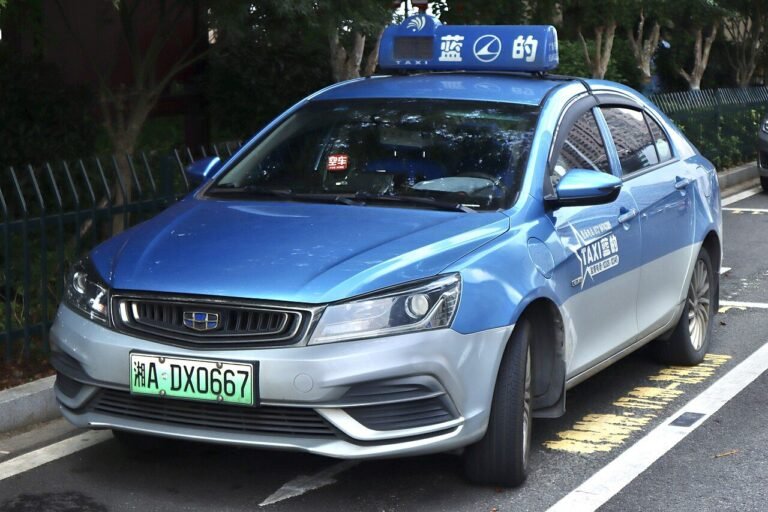
Practical version: eat dinner around seven, walk, then come back for noodles or skewers around eleven. The city is safe late, the metro stops around eleven, and Didi works at any hour.
Getting around, and where to go next
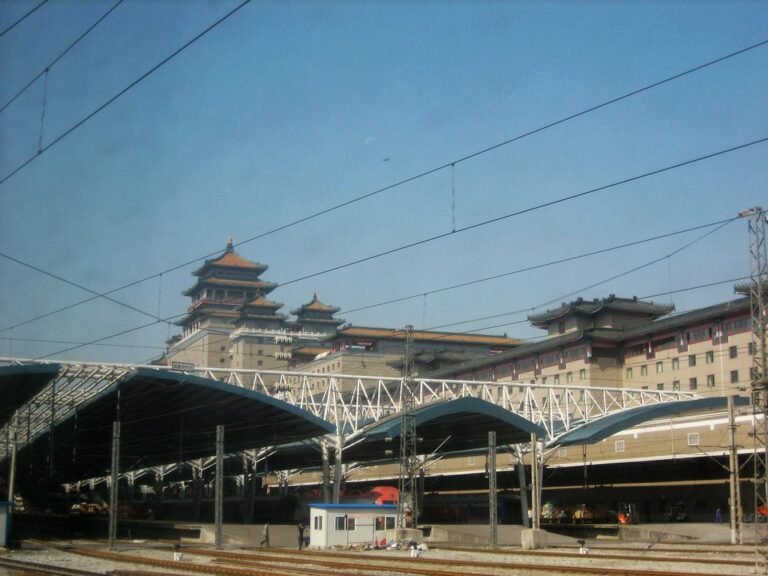
Changsha Huanghua airport is about 25 kilometres out and connected by a maglev line that runs to the airport station, which is a novelty worth using once. High-speed rail arrives at Changsha South: roughly two and a half hours from Guangzhou, around five from Shanghai, and about five and a half from Beijing. Within the city the metro covers the main sights and Didi is cheap.
Three side trips worth considering:
- Hengshan Hunan, the southern sacred peak, is around thirty to forty minutes away by high-speed rail and a full day on its own.
- Fenghuang, the riverside old town in western Hunan, is a longer trip and best done with an overnight so you get the evening quiet after the day crowds leave.
- Zhangjiajie travel guide covers the sandstone pillar park, which is reachable by high-speed rail in around two and a half to three hours and deserves at least two full days.
Quick facts
- Changsha is the capital of Hunan, on the Xiang River, with a metro population of several million.
- Summer days above 35 C are routine; October and April are the best months.
- Yuelu Academy was founded in 976 and sits inside Hunan University’s campus.
- The Hunan Museum holds the Mawangdui Han tombs, including a gauze robe weighing about 49 grams. Book ahead.
- Orange Isle is about five kilometres long and best at sunset.
- Changsha food is chili-forward rather than numbing, and mild here is still spicy.
- High-speed rail from Guangzhou takes around two and a half hours.
- The city stays out late; the metro closes around eleven and taxis run all night.
Frequently asked questions
How many days should I give Changsha?
Three is right: one for the museum and Yuelu Mountain, one for the old streets and Wenheyou, one for eating properly and the river. Two works if you are disciplined. Four if you want a side trip.
Is the food too spicy for me?
Probably not, but be deliberate. Order rice with everything, ask for mild, and include one non-chili dish per meal. The breakfast noodles are the mildest way into the cuisine and the best place to start.
Do I need to book the Hunan Museum in advance?
Yes, and further ahead than you would expect. Reservations open on a rolling basis and popular dates fill. Build your itinerary around the reservation rather than the other way around.
Is Changsha worth it if I am already going to Chengdu or Chongqing?
Yes, for a different reason. Sichuan food is numbing and layered; Hunan food is direct and hot. Eating both in one trip is the clearest way to understand how different Chinese regional cooking actually is.
How bad is the summer heat?
It is serious. Highs above 35 C with high humidity are normal from mid-June, and the city does not cool much at night. If you must come then, do outdoor things before ten in the morning and after six in the evening, and spend the middle of the day indoors.
Is English spoken?
Less than in the coastal cities. Hotels and the museum manage; small restaurants and market stalls do not. Menus are often picture-based or written only in Chinese, so a translation app with camera mode is genuinely necessary here.
What should I buy to take home?
Chopped chili in jars, which is the base of half the local cooking and travels fine, and 灯芯糕 or similar local sweets. Vacuum-packed stinky tofu exists and I would not put it in a suitcase.
Where should I stay?
Near Wuyi Square or along the metro between Wuyi Square and Pozi Street puts you in walking distance of most of the food and the old streets. Staying west across the river near the university is quieter and cheaper but means a metro ride for everything.
Plan a Hunan route
Changsha sits at the centre of the best eating province in China, with the sacred mountain, the river towns, and the sandstone pillars all within a few hours. If you want a route that matches the food to your spice tolerance and the sights to the weather, tell us your dates on our contact page and we will build a custom food-and-travel plan for you.
Written by the ChinaTravelFood editorial team.