The city that runs on coffee
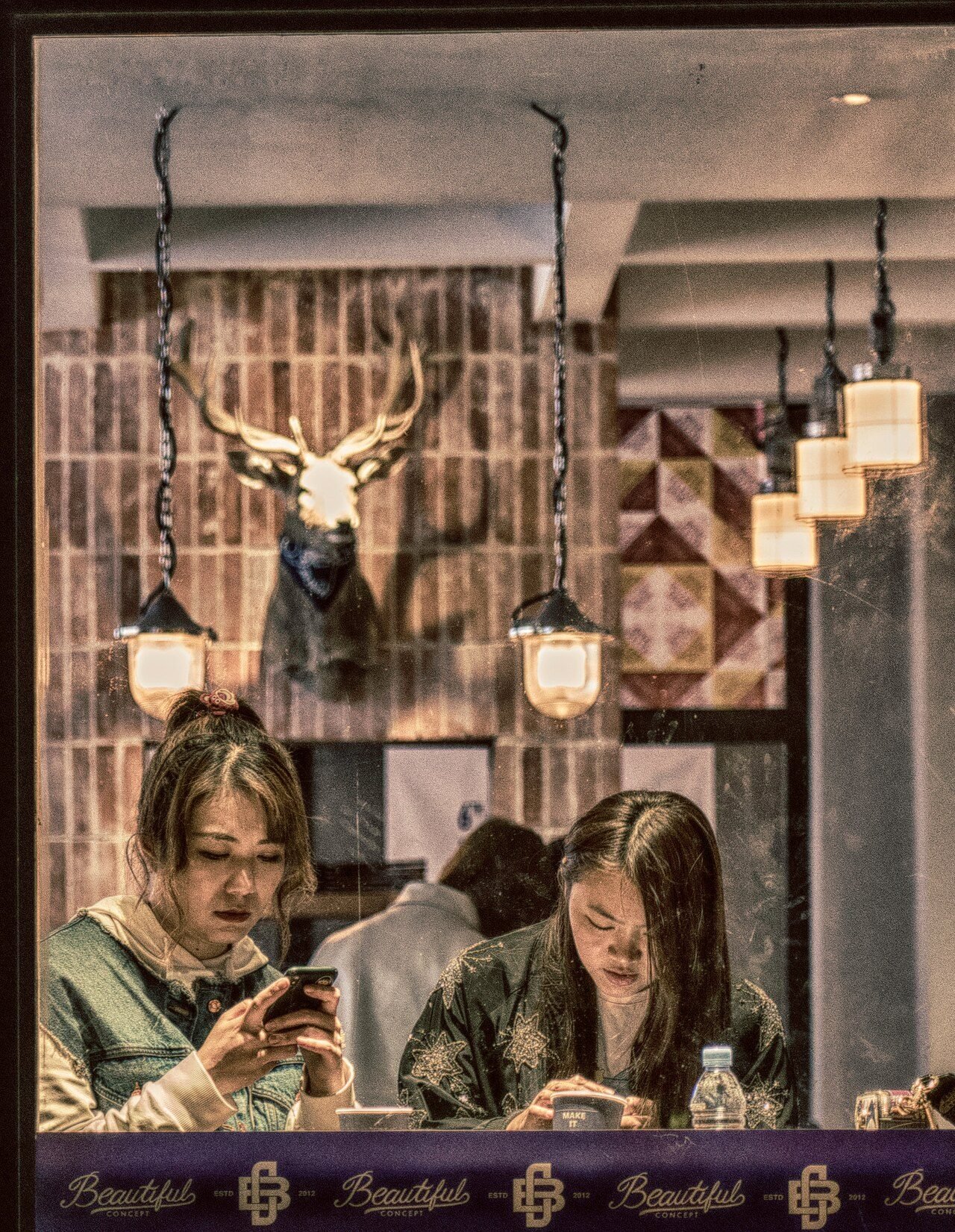
On a weekday morning in Shanghai, you will see people typing on laptops in cafes that have no chairs free, carrying paper cups through subway turnstiles, and lining up outside small storefronts that open at seven. The city has been reported for several years now as having more coffee shops than any other city on earth, with counts in the thousands, and having spent time here I believe the number because of how the habit shows up in daily routine. Coffee in Shanghai is not an expat ritual imported from Seattle. It is how a large share of the city starts the day, argues about business, and avoids going home.
I came to this city expecting tea and found espresso. This guide covers what Shanghai coffee actually tastes like, which neighborhoods to drink in, what to order, and what it costs, based on trips from 2019 through 2026. For the wider picture of how the drink spread across the country, our overview of coffee culture in China goes deeper on the history and the regional styles.
How Shanghai became a coffee city
Coffee is not new here. In the 1920s and 30s, when Shanghai was a treaty port and the richest city in Asia, European-style cafes and coffee houses operated along the Bund and in the French Concession, serving a cosmopolitan population of bankers, journalists, and refugees. That world was interrupted by war and politics, and for decades afterward coffee in China meant instant powder in a glass.
The modern scene started small. Seesaw Coffee opened its first shop in 2012, one of the earliest local third-wave roasters, and proved that Shanghai drinkers would pay for single-origin pour-over. The Starbucks Reserve Roastery followed in December 2017 on Nanjing West Road, a 2,700-square-meter flagship with copper roasters visible from the street, at the time the largest Starbucks in the world. Then Manner Coffee arrived in 2015 with a different idea: tiny storefronts of a few square meters, a short menu, and prices around 10 to 15 RMB, with a discount if you bring your own cup. Manner made specialty coffee an everyday purchase for office workers rather than a weekend treat.
Since then the chains have multiplied and the prices have fallen. Luckin and its competitor Cotti have fought a price war that has pulled chain drinks to single digits, while the independent roasters that defined the scene have held on in the better neighborhoods. The result is a market where you can drink well for very little money, and badly for almost nothing.
Where to drink: the neighborhoods
Former French Concession
This is the heart of independent coffee in Shanghai. Anfu Road, Wukang Road, Yongkang Road, and the lanes around Xiangyang Road hold a density of small roasters that changes with the seasons. A typical visit for me starts with a hand drip on Wukang Road and ends with a second cup on Anfu Road, and the walk between them takes twenty minutes under the plane trees. The glass-fronted cafe in the converted historic building on Wukang Road is the most photogenic stop, and the queue is worth exactly the photo you get out of it.
These shops sell espresso, filter coffee, and seasonal drinks, usually with beans from Yunnan or imported from Ethiopia and Colombia. The staff generally speak enough English to explain a menu, and nobody rushes you out.
The Bund area
Cafes in the heritage buildings along Zhongshan East 1st Road trade on the view. Prices run higher, often 40 to 60 RMB for a drink, and you are paying for the river and the skyline. The best time is a weekday afternoon, when the tour groups thin out. For the classic experience, the old hotel bars along the Bund have served coffee since before the war, and sitting in one of them with a cup of black coffee and the windows open to the river is one of the few tourist experiences in Shanghai that still delivers. Our guide to the Bund waterfront covers the buildings and the best walking times.
Jing’an and the office districts
Jing’an, Lujiazui, and the office blocks around Xujiahui are chain country: Luckin, Manner, Starbucks, Cotti, and Tims, often three to a block. This is where Shanghai’s weekday coffee habit is most visible, with 8 a.m. queues of people grabbing cups on the way to work. Quality is consistent rather than interesting. If you want a good cup, walk two streets south of Jing’an Temple toward the older lanes and look for the small shops without English signage.
University neighborhoods
Around Fudan and Tongji in Yangpu, the cafes cater to students, with cheaper drinks, longer hours, and a more relaxed crowd. Prices start around 15 RMB and the rooms get loud in the evenings. It is the least photogenic coffee scene in the city and one of the most enjoyable.
What to order in Shanghai
Start with a dirty. The style, espresso poured over iced milk so the layers stay separate until you stir, was popularized by Shanghai cafes in the late 2010s and is now on menus across China. Done well, it is the best 30 RMB you can spend in this city. Done badly, it is a cup of warm milk with aspirations.
The other Shanghai signature is the coconut latte, which Manner turned into a mass-market drink around 2019 using coconut milk instead of dairy. The chains have since produced endless variations, including the sauce-flavored latte that Luckin launched with a famous liquor brand in September 2023 and reportedly sold more than five million cups of on the first day. I found that drink undrinkable, but the sales figures tell you something about the market’s appetite for novelty.
For something more traditional, ask for a hand drip, the slow-brewed filter coffee that specialty shops serve in glass carafes, and take whatever Yunnan bean the shop is pushing. Shanghai roasters were early buyers of Yunnan arabica, and the relationship between the city’s cafes and the province’s farms is now one of the most interesting supply chains in Chinese food. Our guide to Yunnan coffee farms explains where those beans come from.
Tea-and-coffee crossovers are everywhere: osmanthus lattes, jasmine americanos, and teas with espresso shots. They are a Shanghai specialty in the sense that this city invented the market for them. I order them the way I order dessert, once per trip, and go back to black coffee afterward.
Prices, seating, and the laptop question
Expect to pay 10 to 15 RMB at Manner and the discount chains, 30 to 45 RMB at Starbucks and Luckin’s regular menu, and 35 to 80 RMB at specialty roasters for espresso, filter, or a seasonal drink. Lunch in a cafe runs another 60 to 100 RMB if you order food, and the better shops have short menus of pastries and sandwiches that are genuinely good.
Seating is the hidden problem. Many Shanghai cafes are small by design, and the laptop crowd is serious. Outlets exist, and staff will point them out, but the unwritten rule is that you should order every 90 minutes or move along. The big flagships with terrace seating, especially in the former French Concession and along the river, are where you can settle in for an afternoon. Our Shanghai travel guide suggests a few areas to stay in if you want cafes within walking distance of your hotel.
Where to drink, by neighborhood
| Area | What you will find | Price per drink | Best time |
|---|---|---|---|
| Former French Concession | Independent roasters, hand drip, seasonal menus | 35 to 80 RMB | Weekday afternoons |
| The Bund | Hotel cafes and rooftop bars with river views | 40 to 60 RMB | Weekdays, late afternoon |
| Jing’an and office districts | Chain density, fast service, morning queues | 10 to 45 RMB | Early morning |
| Yangpu university area | Cheap, casual, student crowd | 15 to 30 RMB | Evenings |
| Nanjing West Road | The Reserve Roastery and nearby specialty shops | 40 to 70 RMB | Weekday mornings |
Quick facts
- Shanghai is regularly reported as the city with the most coffee shops in the world, in the thousands
- The Starbucks Reserve Roastery opened on Nanjing West Road in December 2017 and was the largest Starbucks in the world at the time
- Manner Coffee, founded in 2015, built its name on tiny stores, cheap prices, and discounts for bringing your own cup
- Dirty coffee, espresso over iced milk, was popularized by Shanghai cafes around 2019
- Chain price wars since 2023 have pulled most mass-market drinks under 15 RMB
- Specialty roasters commonly buy Yunnan arabica, making the city a key market for Chinese-grown beans
Frequently asked questions
When did coffee culture start in Shanghai?
The first wave came in the 1920s and 30s, when European-style coffee houses operated for the city’s international population. The modern specialty scene began around 2012 with local roasters like Seesaw, and the mass market arrived with Manner in 2015 and the chain expansion after that.
What is the cheapest good coffee in Shanghai?
Manner, at 10 to 15 RMB, remains the best value for a solid espresso drink, and the discount for bringing your own cup shaves off a few more yuan. Luckin’s discounted menu is cheaper but the quality is rougher.
Can I work from a cafe all day?
You can, but the culture expects you to keep ordering. In small independent shops, plan on a drink every 90 minutes or a clear conscience about the table. Large flagships with terraces are better for long sessions.
Do Shanghai cafes have non-dairy options?
Most do. Oat milk is standard at the specialty roasters and chains, a legacy of the coconut-latte boom, and prices for non-dairy usually add 3 to 5 RMB. Soy and almond appear on the more international menus.
Is it rude to sit without ordering?
In small shops, yes, mildly. Staff will ask. If you need a place to sit, the hotel lobby cafes along the Bund are the most forgiving, and the parks are free.
What is a reasonable budget for a day of coffee?
Two or three specialty drinks plus a light lunch will run 120 to 200 RMB. If you stick to the chains and discount apps, you can drink all day for under 60 RMB, and our China travel budget guide has more on daily costs across the country.
If you want us to build a Shanghai itinerary around the cafes, the markets, and the old food streets, the contact page is the way to reach us. We can put together a custom food-and-travel route that matches your budget, and the Shanghai food guide covers what to eat once the coffee runs out.
Written by the ChinaTravelFood editorial team.