Learning the wok instead of just eating from it
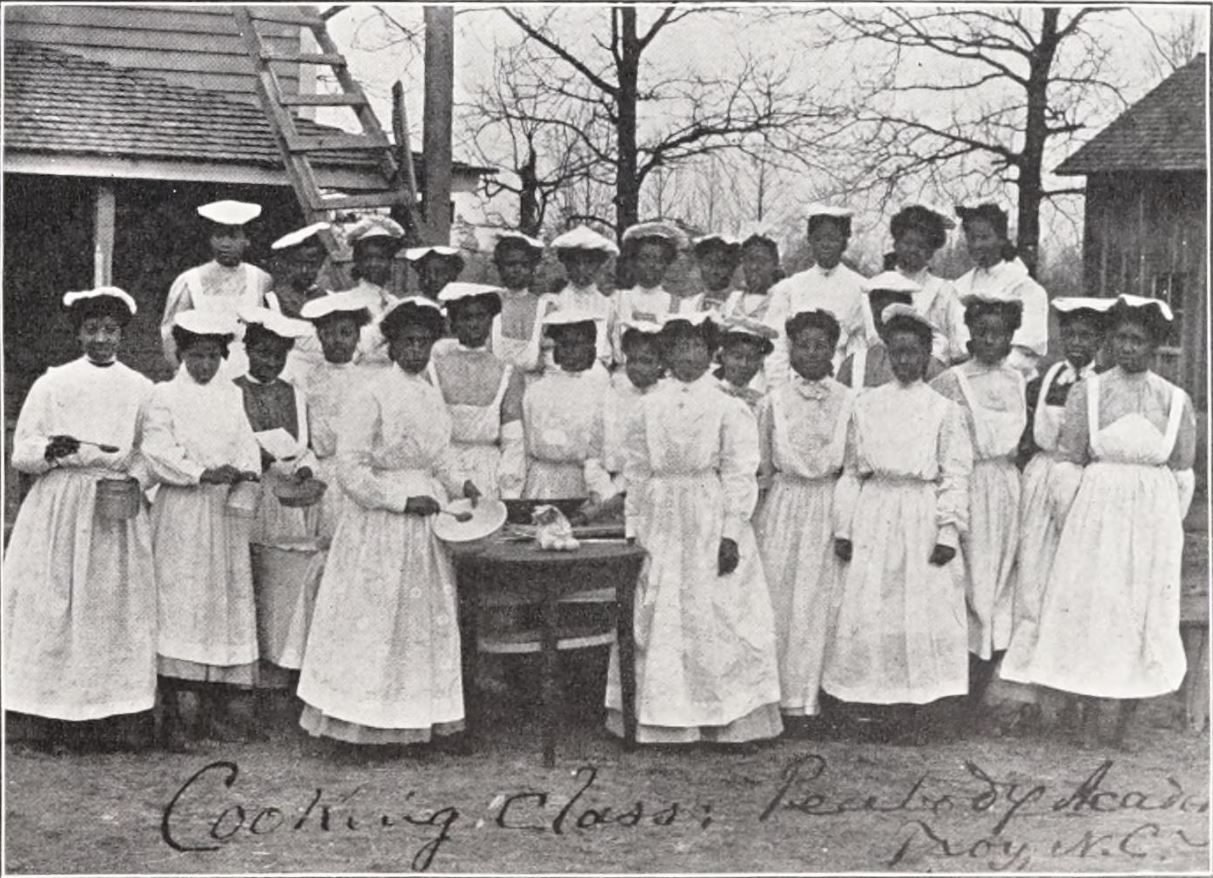
I took my first Chinese cooking class on a rainy afternoon in Chengdu because I was tired of writing down recipes I could not reproduce. The teacher, a woman whose family had run a noodle shop for three generations, spent forty minutes on knife work alone, showing me how to hold the cleaver so the knuckles guide the blade. That lesson was worth more than any cookbook. A good cooking class in China does not just feed you; it hands you the muscle memory that makes the food make sense.
This guide is about choosing one. The market ranges from a free demo at a hotel to a half-day hands-on session with a market tour, and the difference in value is enormous. Our cooking classes overview lists the cities; here is how to pick and what to expect.
Where the classes are strongest
Chengdu and Chongqing are the Sichuan heartland, where classes focus on mapo tofu, kung pao, and the chili-and-peppercorn balance that defines the region. Xi’an teaches dumplings and biangbiang noodles, the hands-on pleating and pulling that northern wheat demands. Yangshuo and Guilin offer rural Guangxi classes, often at a farmhouse, with river fish and sticky rice. Beijing does dumplings and simple home dishes. Shanghai and Hangzhou lean toward the finer knife work of the Jiangnan style. Yunnan classes center on cross-the-bridge noodles and mushroom dishes.
The regional match matters. A Sichuan class in Chengdu teaches you food you can actually recreate with Sichuan peppercorns from home; a generic “Chinese cooking” class in a hotel teaches a watered-down version of everything. Pick the city by the cuisine you want to cook, not by convenience. The teacher’s own background counts too: someone who learned at a family restaurant beats a career demonstrator every time, so ask where they trained. Our mapo tofu recipe and the xiaolongbao guide show the dishes behind two of the most popular classes.
What a good class includes
The best format is market-plus-kitchen. You meet at a wet market, the teacher explains the produce and the cuts, you buy what you cook, then you walk to a kitchen and cook three to five dishes over two to three hours. Expect to pay 200 to 500 RMB per person, including the food and sometimes a recipe booklet. The market part is where you learn the ingredients; the kitchen part is where you learn the technique. Skip any class that skips the market unless your time is very tight.
Small groups matter more than star chefs. A class of four with a teacher who corrects your grip beats a demonstration for twenty where you stir once. Ask the group size before booking; under eight is the threshold I use. Language is the other variable: most city classes have English-speaking teachers or translators, but rural ones may not, so confirm if that is your constraint.
Red flags and weak formats
Avoid the “cooking show” where you watch and eat but never touch the wok; you can watch videos for free. Also be wary of classes bundled into a cheap tour that exist mainly to sell you a wok or a spice set at the end. The real ones are proud of the food, not the souvenir. And check whether the price includes the meal you cooked; some charge extra to eat your own work, which is cheeky.
The other weak point is the “everything in one” class that promises Peking duck, xiaolongbao, and kung pao in an hour. You will learn none of them. Depth beats breadth; a class that teaches you to fold dumplings properly is worth more than one that touches five dishes superficially.
Self-taught versus class
You can learn a lot from recipes and videos, and our dumpling recipe and the mapo tofu page are built for that. But the things that do not translate to text, the heat, the timing, the feel of the dough, are exactly what a class gives you. If you cook at all at home, take one class; it will fix habits you did not know you had. If you never cook, a class is still a fun half-day and a good story, but manage expectations.
Choosing by goal
| City / region | Signature dish taught | Typical price | Best for |
|---|---|---|---|
| Chengdu / Chongqing | Mapo tofu, kung pao | 250 to 500 RMB | Sichuan flavor fans |
| Xi’an | Dumplings, biangbiang noodles | 200 to 400 RMB | Hands-on wheat work |
| Yangshuo / Guilin | River fish, sticky rice | 200 to 450 RMB | Rural, scenic classes |
| Beijing | Dumplings, home dishes | 200 to 400 RMB | First-timers, north style |
| Shanghai / Hangzhou | Jiangnan knife work | 250 to 500 RMB | Precision, finer cuts |
| Yunnan | Cross-bridge noodles, mushrooms | 200 to 450 RMB | Broth and foraged flavor |
Quick facts
- The market-plus-kitchen format is the best value: shop, then cook three to five dishes
- Prices run 200 to 500 RMB per person including the food
- Group sizes under eight mean real correction from the teacher
- Sichuan, Xi’an, and Yunnan have the most distinctive classes
- Avoid demo-only classes and ones that hard-sell a wok at the end
- Dumpling folding and noodle pulling are the most satisfying skills to learn
- English-speaking teachers are common in big cities, rare in rural classes
What to do after the class
Take the lesson home. Most teachers email or hand you a recipe card with the dishes and the rough proportions, but the real value is the technique, so film the wok work on your phone and rewatch it the next day while it is fresh. I came home and made mapo tofu weekly for a month before it stopped tasting like a copy, and the difference was the heat and the timing the class drilled, not the ingredients. If you want to keep learning, the at-home recipes on this site are built to follow after a class rather than before, because you will already know what the finished texture should be. A class plus a few home repeats is worth more than three classes you never cook again.
The middle path
There is also a balanced approach: take one class in the region whose food you love, then use the street-food and recipe guides on this site to fill in the rest of a city. That gives you both the hands-on anchor and the breadth, without paying for a class in every stop. Most travelers over-invest in classes and under-invest in simply eating, and the eating is where the range shows. Pick the cuisine you most want to recreate, learn it properly, and let the rest of the trip be a tasting menu you write down rather than a series of lessons.
Frequently asked questions
Do I need cooking experience to join?
No. Most classes assume you have never held a wok. The teacher starts with knife safety and builds up. If you cook at home, you will move faster, but beginners are the norm, and the point is to learn the basics you cannot get from a recipe.
How do I book a reputable class?
Use platforms with verified reviews, and read what past students say about group size and hands-on time. Use the booking tools that work in China for booking. Confirm the price includes the meal and the market walk before you pay.
Can classes handle dietary needs?
Most can adjust for vegetarians if you say so in advance, since many dishes are built around a main vegetable. Halal and allergy needs are harder and vary by teacher, so state them clearly and confirm. The broader context for ordering around restrictions is worth reading before you go.
What should I bring?
Nothing but willingness and a phone for photos. Aprons and tools are provided, and you will leave with recipes. Wear closed shoes and avoid loose sleeves near the wok. Some classes give you a small spice pack; check customs rules before bringing it home.
Is a class worth it versus just eating the food?
If you cook at home, yes, because it teaches technique no restaurant reveals. If you never cook, it is a fun cultural half-day but less of a life skill. Pair it with a food tour, described in our food tours guide, for a full eating-and-learning day.
Which dish should I learn first?
Dumplings, because the folding skill transfers to everything and they are forgiving. After that, a stir-fry with proper wok heat, then a regional signature like mapo tofu. Our dumpling recipe is the at-home follow-up, and the ordering guide helps you compare your version to a restaurant’s.
Can I take a class and then eat cheaply for the rest of the trip?
You will eat better, not necessarily cheaper, because you will seek out the dishes you learned. But you will order with confidence and spot a bad version, which is its own value. The skill outlasts the trip in a way a good meal does not.
If you want a cooking class built into a regional food route, we can help choose and book one through the contact page. The right class turns you from someone who eats Chinese food into someone who understands it, and that understanding is the best souvenir.
Written by the ChinaTravelFood editorial team.