A cold city with a warm table
Harbin sits in the far northeast, in Heilongjiang, closer to Siberia than to Beijing. It gets properly cold, the kind where your eyebrows freeze on the walk to dinner, and the food reflects that. This is Dongbei cooking, the cuisine of China’s rust belt, built for people who burn calories just staying warm. It is heavier, oilier, and more meat-forward than almost anywhere else in the country, with a Russian accent picked up from a century of border trade.
I went for the ice festival and stayed for the food, which I did not expect. The tourist framing sells Harbin as a winter spectacle, but the eating is the sleeper hit: dumplings the size of your fist, recklessly garlicky sausage, and a dairy-and-bread tradition that feels more Eastern European than Chinese. If you go in January, dress for minus twenty and arrive hungry.
The Russian layer nobody mentions
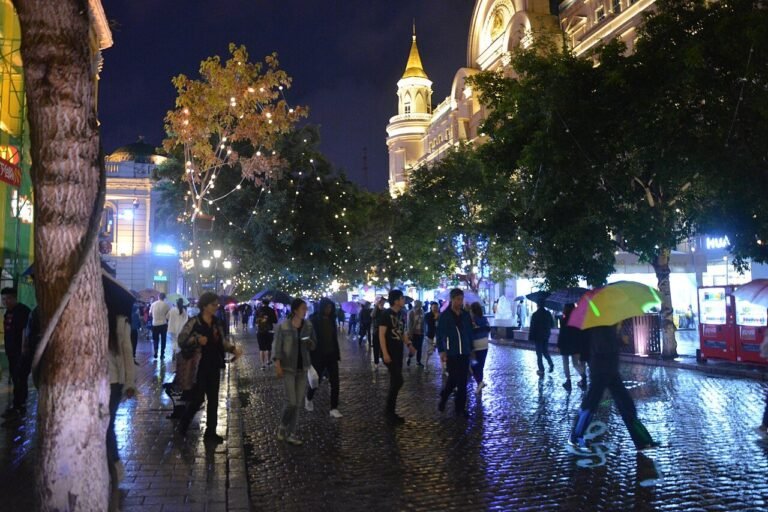
Harbin was built in part by Russian engineers and settlers around the railway a hundred years ago, and the food still shows it. You will find round loaves of black bread called dalieba, smoked sausages that taste like Polish kielbasa, and a dairy culture that is rare in China, with thick sour milk drinks and brick tea. The central street, Zhongyang Dajie, is lined with these Russian-style cafes and bakeries, and the bread alone is worth a stop.
This is the part of Harbin food that surprises southern Chinese visitors, who grow up on rice and barely touch dairy. Here the cold made dairy useful, and the Russian presence made it normal. The dalieba keeps for days in the cold, which is exactly why it was adopted.
Dumplings, and the size of them
The northeast takes dumplings seriously, and Harbin’s are big. The local style is often boiled or pan-fried, stuffed with pork and cabbage, or with a fish and vegetable mix from the frozen rivers. A plate for one is really for two, and the proper move is to order a few plates across the table and share. Chinese dumplings are a national dish, but the Dongbei version is its own hearty branch, with thicker skins and bolder fillings.
The dumpling houses near the university district are where I ate best, cheap and fast, with free garlic and vinegar on the table and a pot of plain tea to cut the fat. A full feed runs 30 to 50 yuan a person. Skip the dumpling chains on the main tourist street; the smaller places a few blocks off are better and half the price.
Grilled everything, and the sausage culture
Northeastern barbecue is its own religion. In winter the night markets set up under tents with coal grills, and the skewers come fast: lamb, chicken, green peppers, and a startling amount of sausage. The local red sausage, hongchang, is the heir of that Russian tradition, smoked and garlicky, eaten hot off the grill or sliced into noodles. Chinese BBQ skewers explain the wider night-market style, but Harbin leans harder into sausage and lamb than the south does.
The grill culture pairs naturally with beer, and Harbin Beer, founded by Russians in 1900, is the local pour. It is a light lager that goes down easy in the cold, and the city is quietly proud that it had a brewery before most of China did. China craft beer is a newer story in the big cities, but in Harbin the old lager is the right choice.
Hot pots and the cold-weather default
When it is minus twenty outside, the natural dinner is a boiling pot in the middle of the table. Harbin does a northern-style hot pot, broth-based rather than the numb chili oil of Sichuan, heavy on lamb and leafy greens that would not survive the climate fresh otherwise. It is communal, slow, and exactly what you want after a day at the ice sculptures.
A practical eating map
| Food | Where | Cost | Note |
|---|---|---|---|
| Dongbei dumplings | University-district shops | 30 to 50 yuan per person | Big, share a few plates |
| Red sausage (hongchang) | Markets, grills, bakeries | 10 to 25 yuan | Russian heritage, garlicky |
| Dalieba black bread | Central street bakeries | 8 to 20 yuan a loaf | Keeps in the cold |
| Night-market skewers | Tent markets, winter | 3 to 8 yuan each | Lamb and sausage dominate |
| Northern hot pot | City-wide chains and locals | 60 to 120 yuan per person | Broth-based, lamb-heavy |
| Harbin Beer | Everywhere | 6 to 12 yuan a bottle | Founded 1900, light lager |
The central street is the obvious place, and it is worth one walk for the architecture and a bakery stop, but the real eating is in the neighbourhoods. Ask your hotel which dumpling house the staff use; that answer is usually better than any guidebook listing.
How this fits the wider regional food
Dongbei food is its own thing, distinct from the sweet south and the spicy west, and it rewards a dedicated eater. Northeast China food covers the comfort-cooking tradition this all sits inside, from stewed potatoes to the frozen-vegetable habit that defines winter here. If you are building a northern China route, Harbin is the cold, meaty end of it.
The plain steamed buns that soak up the stews are covered in Chinese baozi, though Harbin leans more to bread than to the southern steamed variety. Either way, you will eat more starch here than you planned, and you will be glad of it when the wind hits.
Timing the food around the ice
The ice and snow festival drives the winter visit, and it shapes when you eat. The sculpture park is outdoors and cold, so you want a hot pot or a dumpling house immediately after, not before, because a full stomach makes the walk sluggish in the cold. The pattern that worked for me: a light dumpling lunch, the festival in the afternoon light when the carvings catch the low sun, then a grill or hot pot dinner to thaw. The night illumination of the sculptures is the other window, and the nearby food stalls do their best trade then, with grills going under the tents and the smell of sausage cutting the cold.
One practical note: the festival area restaurants markup hard, because they know you are captive. Eat a short taxi ride away in the neighbourhoods and come back for the lights, or accept the premium for the convenience. The central street bakeries are fairly priced year-round, so a dalieba and a coffee there is a safe bet regardless of the festival markup. If you are combining the food with the sculptures, give yourself two nights: one for the park and the grill, one for a proper dumpling house and the Russian cafes without rushing.
Quick facts
- Harbin is in Heilongjiang, far northeast, with harsh winters
- Dongbei cuisine is heavy, meaty, and built for cold weather
- Russian influence gives the city bread, sausage, and dairy
- Dalieba is the local black bread, a Russian heritage loaf
- Hongchang red sausage is garlicky and best grilled
- Dumplings here are large; share several plates
- Night-market skewers run heavy on lamb and sausage
- Harbin Beer dates to 1900 and is the local lager
- Northern hot pot is broth-based, not chili-oil
- Eat off the central street in neighbourhood shops for value
Frequently asked questions
Is Harbin food spicy?
No. Dongbei cooking is savoury and oily, not spicy. You will find garlic and a little pepper but none of the Sichuan heat. The Russian side brings sour and smoked notes instead.
What is dalieba?
A round, dense black bread with Russian roots, slightly sour, sold by the loaf on the central street and in bakeries. It keeps well in the cold and is the city’s signature baked good.
Is the food expensive?
Cheaper than Beijing or Shanghai for similar portions. A dumpling meal is 30 to 50 yuan a person, a hot pot 60 to 120. The ice-festival area restaurants markup, so walk away from the gates.
What do I drink with it?
Harbin Beer, the local lager, or plain tea. The Russian cafes also do coffee and sour milk drinks. Avoid the idea that you need baijiu; the lager fits the food better.
Are there vegetarian options?
Slimmer than the south. You can get cabbage dumplings, cold vegetable dishes, and bread, but the cuisine centres on meat and potato. Tell the kitchen clearly, because broths often contain meat.
When is the best time to eat this food?
Winter, ironically, because the cold makes the heavy food make sense and the night markets are in full tent-grill mode. The ice festival runs roughly January to February; confirm dates with the organisers.
Is the sausage safe to eat from markets?
The cooked and grilled versions are fine. Avoid raw cured sausage from unknown stalls. As always in China, boiled or grilled hot is the safe bet, and food safety for travellers covers the baseline.
How many days for the food alone?
Two days covers the central street bakeries, a dumpling house, a night-market grill, and a hot pot. Add a day if you want the Russian cafes and a market wander.
Planning a Harbin food trip
Harbin rewards the traveller who treats the ice as the excuse and the table as the point. Pile the dumplings, the sausage, and the bread high, wash it down with the local lager, and you will understand a corner of China that the southern narrative ignores. If you want help building a northeastern route around the food and the festival, reach out through the contact page. We plan custom food-and-travel routes across China.
Written by the ChinaTravelFood editorial team.