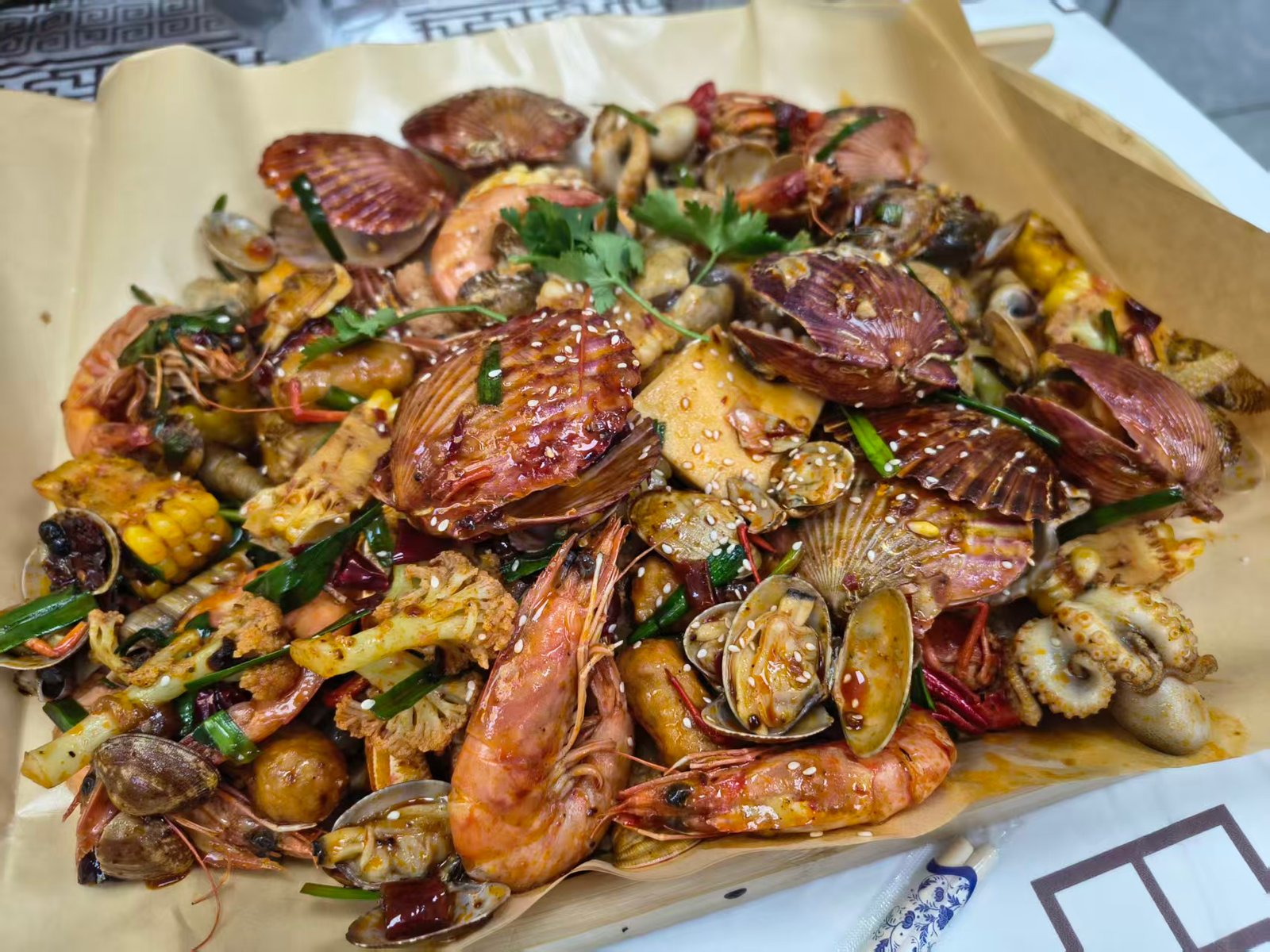
Qingdao pairs two things perfectly: sea and beer
Qingdao, on China’s eastern Shandong peninsula, is the one Chinese city where I planned a trip around a brewery and ended up caring more about the clams. The local Tsingtao beer is poured fresh from the source, often into plastic bags to carry home, and the seafood comes off boats that docked the same morning. The Qingdao food scene is less about complex cooking and more about freshness plus a cold lager, which is a combination that is hard to argue with on a warm August night.
The short answer: eat the seafood at a waterfront market restaurant where you pick the live catch, drink the draft beer (not the bottled export stuff) as fresh as possible, and time your visit for the late-summer beer festival if you want chaos and music. This is Shandong cuisine with a coastal twist, lighter than the inland wheat-and-vinegar norm.
Why the beer matters here
Tsingtao was founded by German settlers in 1903, and the brewery still uses local Laoshan mineral water and imported barley traditions. The beer you drink in Qingdao tastes different from the green bottles exported abroad: it is softer, less gassy, and served closer to the brewery. Locals buy it “dai zha” (with a draw) by the liter in sealed plastic bags or jugs from neighborhood draft stations, then walk home with it swinging from a handle. It is the most casual beer culture I have seen in China.
The beer festival
The Qingdao International Beer Festival runs for about two weeks in early August and turns the city into a tent city of international breweries, stages, and long tables. It is loud and touristy, but it is also the easiest place to sample dozens of beers in one night. If you prefer calm, skip the festival and just drink at a seaside stall instead.
What to eat from the sea
Shandong sits on the Bohai and Yellow seas, and Qingdao’s markets are stacked with live product. Here is what I went for:
| Item | How it is served | Season | Price (2024 RMB) |
|---|---|---|---|
| Clams (hua ge la) | Quick stir-fry with garlic | Spring-autumn | 30-50 per jin |
| Grilled octopus | Whole on a skewer, charred | Year round | 10-20 per stick |
| Steamed prawns | Plain, dipped in vinegar | Summer | 60-120 per jin |
| Sea cucumber | Braised, banquet style | Year round | 80-200 per dish |
| Spicy clam noodles | Broth with hand noodles | Year round | 25-40 |
Prices are by the jin (500g) for most live seafood and rise with the tourist season. The trick is to pick your own at the tank and agree the weight before cooking, then watch them weigh it.
How to order without getting stung
The main risk in any Chinese seafood city is the tourist markup and the “you ordered more than you thought” routine. In Qingdao the established way is to choose live items from the tank, note the price per jin on the board, and confirm the total before they cook. Reputable places print a slip. If a price is not posted, walk away. The China scams guide covers the broader patterns, but seafood-tank honesty is the one to learn here.
For a cleaner experience, the steamed fish style of Shandong lets the catch speak for itself: a whole fish, ginger, scallion, and a pour of hot oil and soy. It is the dish I order when I want to judge the kitchen’s freshness without sauce hiding anything.
Street food and the seaside grill
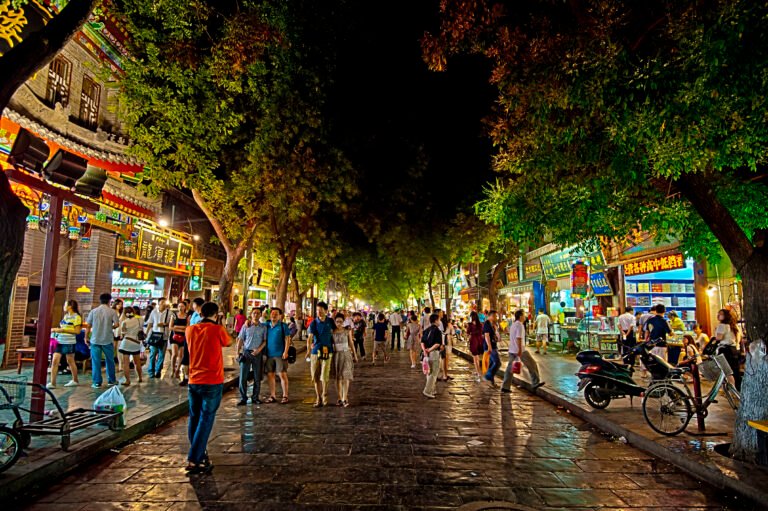
Around the pier and the old town, evening turns into an open-air grill. Octopus, squid, and small fish go over charcoal with cumin and chili, eaten standing with a bag of draft beer. This is Chinese street food at its most maritime. The night markets cluster near the beer street (Pi Chiu Road) where the original brewery sits, and the smell of malt and charred seafood mixes in a way that defines the city.
The German fingerprint on the table
Beyond beer, the German era left a bread and sausage habit that survives in Qingdao’s bakeries and butcher shops. You can still find bratwurst-style sausages and soft rolls near the old governor’s quarter, a small echo of a colonial past most Chinese coastal cities do not have. It is not the reason to come, but it is a curious layer if you like food history. The brewery museum tells this story better than any plate, with old equipment and a tasting room at the end.
This mixed heritage also shows in the city’s relaxed outdoor drinking. Beer gardens with long communal tables feel closer to a Munich fest than to a typical Chinese banquet, which is part of why the international beer festival took root here so easily.
Clams, prawns, and the art of not hiding the sea
The local cooking philosophy is restraint. A plate of “hua ge la” clams is stir-fried fast with garlic and a little chili, just until they open, then hit with a splash of cooking wine. The broth at the bottom is the prize: sip it or mop it with bread. Prawns are steamed whole and served with a vinegar-ginger dip, the test of freshness being a clean sweet snap rather than any sauce. I learned to judge a Qingdao kitchen by its plainest fish, because sauce hides a tired catch.
Sea cucumber is the banquet exception, braised for hours in a rich brown sauce until gelatinous. It is a texture dish more than a flavor one, prized at weddings and business dinners. Try it once if invited; do not order it at a tourist stall where the price is the only thing that will surprise you.
Beer and food pairing, Qingdao style
Locals do not overthink pairing. The rule is simple: the fresher and colder the beer, the better it goes with the charred and the saline. A bag of draft and a plate of grilled octopus on a pier at sunset is the canonical Qingdao meal, and it is canonical because it works. The newer craft beer spots in town offer hoppier alternatives if you want something besides the lager, but they are a detour from the local tradition rather than part of it.
Beyond seafood: Shandong staples
Qingdao is coastal, but the broader Shandong cuisine is the backbone of northern Chinese cooking: wheat dumplings, braised pork, and a love of vinegar and scallions. Try the local “shaomai” (a different, savory dumpling than the Cantonese sweet one) and the wheat pancakes (bing) that locals wrap around vegetables. If you want a fuller picture of how Shandong feeds the north, pair a Qingdao trip with Jinan or Qufu, though most visitors come for the coast and the beer.
Quick facts
- Qingdao is a Shandong peninsula port city with German brewing roots.
- Tsingtao beer is best drunk fresh on draft, not from export bottles.
- Draft is sold by the liter in plastic bags at neighborhood stations.
- Beer festival: early August, about two weeks.
- Seafood is sold live by the jin; confirm weight and price first.
- Signature: garlic clams, grilled octopus, steamed prawns.
- Best plan: pick your catch at the tank, drink local draft alongside.
FAQ
When is the best time to visit Qingdao for food?
Late spring through early autumn for seafood and outdoor drinking. August brings the beer festival but also crowds and humidity. May and September are calmer and still good for clams and prawns.
Is the draft beer safe to drink from a bag?
Yes, from a proper draft station. It is sealed and meant for same-day home drinking. Don’t keep it past a day, and keep it cool. The freshness is the whole point.
How do I avoid seafood scams?
Pick live items from the tank, read the posted price per jin, and get a written weight total before cooking. Busy, local-frequented places are safer than empty tourist-front restaurants.
Is Qingdao good for vegetarians?
Harder than Kunming or Guangzhou. There is plenty of wheat and vegetable cooking, but the city centers on seafood and beer. The vegetarian travel guide has phrases to ask about stock and lard.
Can I tour the Tsingtao brewery?
Yes, the original brewery in the old town runs a museum and tasting. It is a standard stop and includes a fresh pour at the end. Book ahead in August.
How many days for the food scene?
Two days covers a market meal, a beer street night, and the brewery. Add beach and town time if you want a slower trip, but the eating is concentrated.
Does Qingdao rank among China’s food cities?
For seafood and beer specifically, yes. The best food cities list tends to favor Chengdu and Guangzhou, but Qingdao wins on a single pairing: sea and lager done本地.
Plan your Qingdao seafood trip
Qingdao works as a coastal break on a Beijing-Shandong route, or as a summer beer-and-seafood run on its own. If you want help picking honest market restaurants, timing the beer festival, and linking the trains, reach out through our contact page and we will build a food-and-travel plan around your dates.
Written by the ChinaTravelFood editorial team.