The four sisters I almost missed
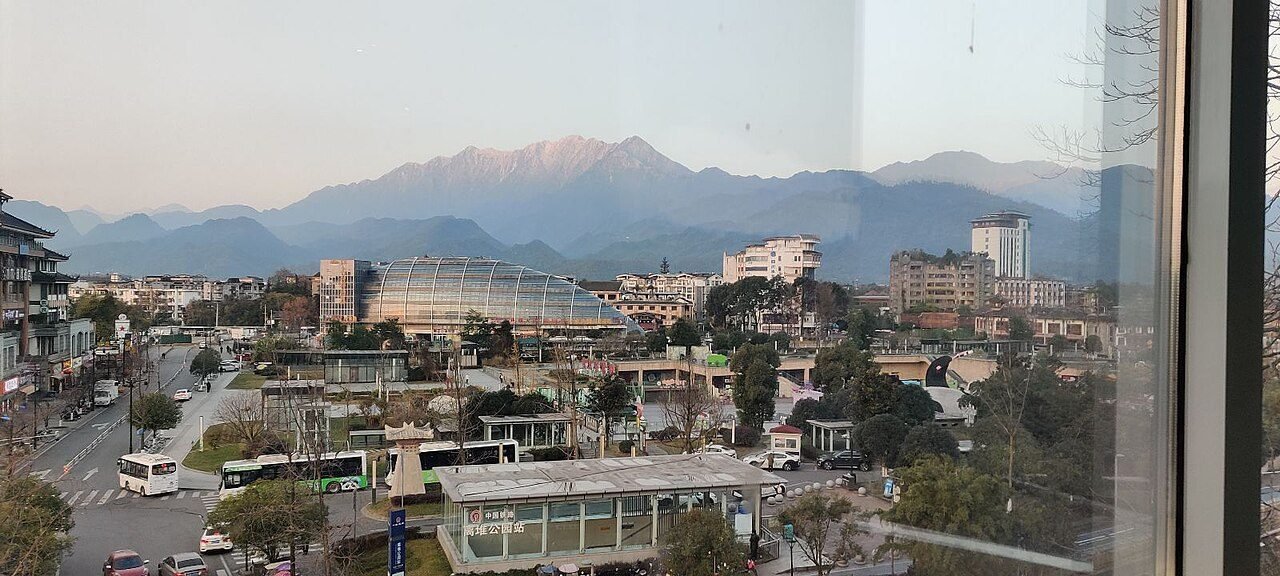
A driver from Chengdu told me about Siguniang on a smoke break somewhere past Wolong. “Four girls mountains,” he said, “like Switzerland but Chinese.” I had planned to skip it for more panda time, and that would have been the error of the trip. Mount Siguniang (四姑娘山, “Four Girls Mountain”) is a cluster of four snow peaks in western Sichuan, the tallest at 6,250 meters, wrapped in three valleys of pine, grassland, and glacial lakes. The locals call it the Eastern Alps, and the comparison is fair if you shrink the crowds and add yaks.
This guide is for travelers who want mountains without the Everest-scale logistics. Siguniang is reachable as a two-day trip from Chengdu, it is walkable for normal-fit people, and the autumn color is some of the best I have seen in China. I will cover how to get there, the three valleys, the altitude, and the food you will want after a day of thin air.
Where it is and how to get there
The mountain sits in Aba Tibetan and Qiang Autonomous Prefecture, about 200 kilometers west of Chengdu, past the Wolong panda reserve. The drive is 3.5 to 4.5 hours depending on traffic and the roadwork that never quite ends. Renting a car with a driver is the standard move; the mountain roads are good but winding, and a local who knows the checkpoints saves time. Public buses run from Chengdu’s Chadianzi station to Xiaojin or the town of Rilong at the base, about 4-5 hours and 80-120 yuan, but the schedule is rigid.
There is no train to the mountain; the high-speed rail stops at Dujiangyan, an hour out of Chengdu, after which you transfer to road. Most people just take the direct bus or a car. Note the region is Tibetan-administered, so carry your passport; there are police checks on the route, routine and quick.
The three valleys
| Valley | Access | Best for |
|---|---|---|
| Shuangqiao (Twin Bridges) | Shuttle + cable car | Easy views, lakes, first timers |
| Changping | Shuttle + hike | Forest, meadow, long walk |
| Haizi (Sea of Lakes) | Hike only | Serious trekkers, camping |
Shuangqiao is the one most visitors do. A shuttle bus drops you at the lower station, a cable car lifts you to a viewpoint of the four peaks, and boardwalks loop past turquoise lakes and a Tibetan village. It is gentle and stunning, and you can do it in half a day. Changping is a longer walk along a river into a hanging valley, about 10-16 km round trip, with the option to link to a famous multi-day trek over a pass to the Tiger Leaping Gorge area, though that is a committed expedition.
Haizi is the wild one, a hike up to a string of alpine lakes at 3,800 meters plus. I did the lower lakes and turned back; the altitude and the weather turned, and the mountain does not negotiate. If you are fit and acclimatized, the full Haizi hike is a two-day camp, and the sunrise on the lakes is the reward.
Altitude and the honest warning
The base town of Rilong sits around 3,200 meters. The valleys climb to 3,800 and the passes to over 4,000. That is high enough to feel, especially if you drove up from Chengdu (500m) in one day. I had a headache by dinner and slept badly; the next morning, after a slow start and too much water, I was fine. Read the altitude sickness in China guidance before you go, and build in a night at the base to adjust.
The symptoms are mundane: headache, lost appetite, short breath on hills. The fix is slow movement, hydration, and a rest day. If you feel genuinely unwell, descend; the road back down works fast. Do not push a high pass if you are wobbly, because rescue from the upper valleys is slow.
Trekking and climbing
The full Mount Siguniang trek over the Changping-Haizi route to the gorge is a bucket-list multi-day for fit hikers, best in late September to October when the larches go gold. The peaks themselves are technical climbs; Yaomei Feng is a serious mountaineering objective, not a walk, and requires permits, guides, and experience. Most visitors are happy with the day valleys, and they should be; the views from the cable car alone justify the trip.
Permits for foreigners: the valleys are open, but the region’s border sensitivity means occasional closures or extra checks. Confirm with your hotel or the park before a remote hike, and never cross into restricted zones marked on maps.
Food at the base
Rilong town is a strip of guesthouses and hot pot shops built for hikers. After a cold day the move is a Sichuan hot pot or a clay-pot of free-range chicken with mushrooms, about 80-120 yuan for two. The Chengdu food guide habits travel well here: mapo tofu, dry-fried green beans, and the local cured pork. Tibetan influence shows in butter tea and tsampa at the village teahouses, an acquired taste I tried once and respected from afar after.
Prices rise with altitude and distance, so a simple noodle soup that costs 15 yuan in Chengdu is 30 here. Bring snacks from Chengdu; the small shop selection is thin and priced for captive hikers. The Sichuan cuisine in town is decent but not the city’s best, so save your fine dining for Chengdu on the way out.
When to go
October is the standout: clear skies, gold larches, snow on the peaks. April to May brings wildflowers and fewer people. Summer is green and wet, with afternoon storms. Winter is brutally cold and some valley services close, but the snow scenery is extraordinary for the prepared. Avoid the October National Day week; the cable car queue can run two hours.
When the mountain says no
Weather on Siguniang turns fast. I watched a clear morning become a white-out by noon, and the cable car stopped running while we were at the top, which meant a cold walk down in low visibility. The park sometimes closes the upper valleys entirely in heavy snow or during the summer storm season, and there is no argument with that call. If it happens, pivot to the lower sights: the Rilong town temples, a hot pot, and the Wolong panda center on the drive back, which is a fine consolation.
The nearby Tibetan village life is its own reward on a closed-mountain day. The stone houses, the prayer flags, and the old women spinning wool outside the guesthouses are a slower show than the peaks, and you can arrange a short horse ride in the valley meadow that does not depend on the summit road. I spent a closed morning this way, drinking butter tea I did not love and watching a boy lead a yak past the shop, and left understanding the place better than if the sun had cooperated.
Build flexibility into your plan. Do not book the train home for the same night as your summit day; give the mountain a buffer, because the one thing it does not offer is a guarantee. Photography note: even on a grey day, the valleys have mood, and the mist on the pine is its own kind of beautiful. Bring the camera anyway; some of my best Siguniang frames have no peak in them at all.
Quick facts
- The four peaks top out at 6,250m (Yaomei Feng).
- Base town Rilong sits near 3,200m.
- Drive from Chengdu: 3.5-4.5 hours, ~200 km.
- Three valleys: Shuangqiao (easy), Changping (walk), Haizi (wild).
- Entry about 150 yuan, shuttle 70, cable car 70 (2024 rates).
- Best month: October for autumn color.
Frequently asked questions
Can I visit Siguniang without trekking?
Yes. Shuangqiao Valley is shuttle-and-cable-car friendly, with boardwalks and viewpoints that need no hiking fitness. Many visitors do only that valley and still call it a highlight. The trekking is optional and clearly separated from the easy routes.
Is it open to foreign tourists?
Generally yes, the main valleys are open, but the region is Tibetan-administered and subject to checks and occasional closures near borders. Carry your passport, expect police stops on the drive, and confirm current access with your hotel before a remote hike.
How bad is the altitude?
Moderate. Base is 3,200m; day hikes reach 3,800m. Most healthy people manage with a rest day and water, but headaches and breathlessness are common on day one. Descend if symptoms are strong. The mountain is not the place to test a known altitude problem.
Can I see pandas nearby?
Yes, the Wolong reserve is on the drive between Chengdu and Siguniang, and the Chengdu panda base is the easier, more reliable panda stop. Wolong is more remote and less guaranteed, but combining the two in one trip is a natural Sichuan plan if you have the days.
How many days do I need?
Two days from Chengdu: drive up, one full day in a valley, drive back. Three days lets you do two valleys and acclimatize. A week opens the multi-day trek toward the gorge, which is a different commitment entirely.
Is it worth the drive if I only have a day?
Barely. A single day means 8 hours of driving for a few hours on the mountain, which is exhausting. If your time is that tight, pick one valley and start before dawn, or skip it for closer Chengdu sights. The mountain rewards an overnight.
What should I pack?
Layers, a windproof shell, sturdy shoes, sunscreen (the UV at altitude is fierce), and snacks. Even in summer the peaks are cold and the cable car top is windy. Bring cash for the small shops and a translation app for the guesthouse check-in, which is often Chinese-only.
Written by the ChinaTravelFood editorial team.