Jiankou Great Wall Hike: The Wild Section You Earn
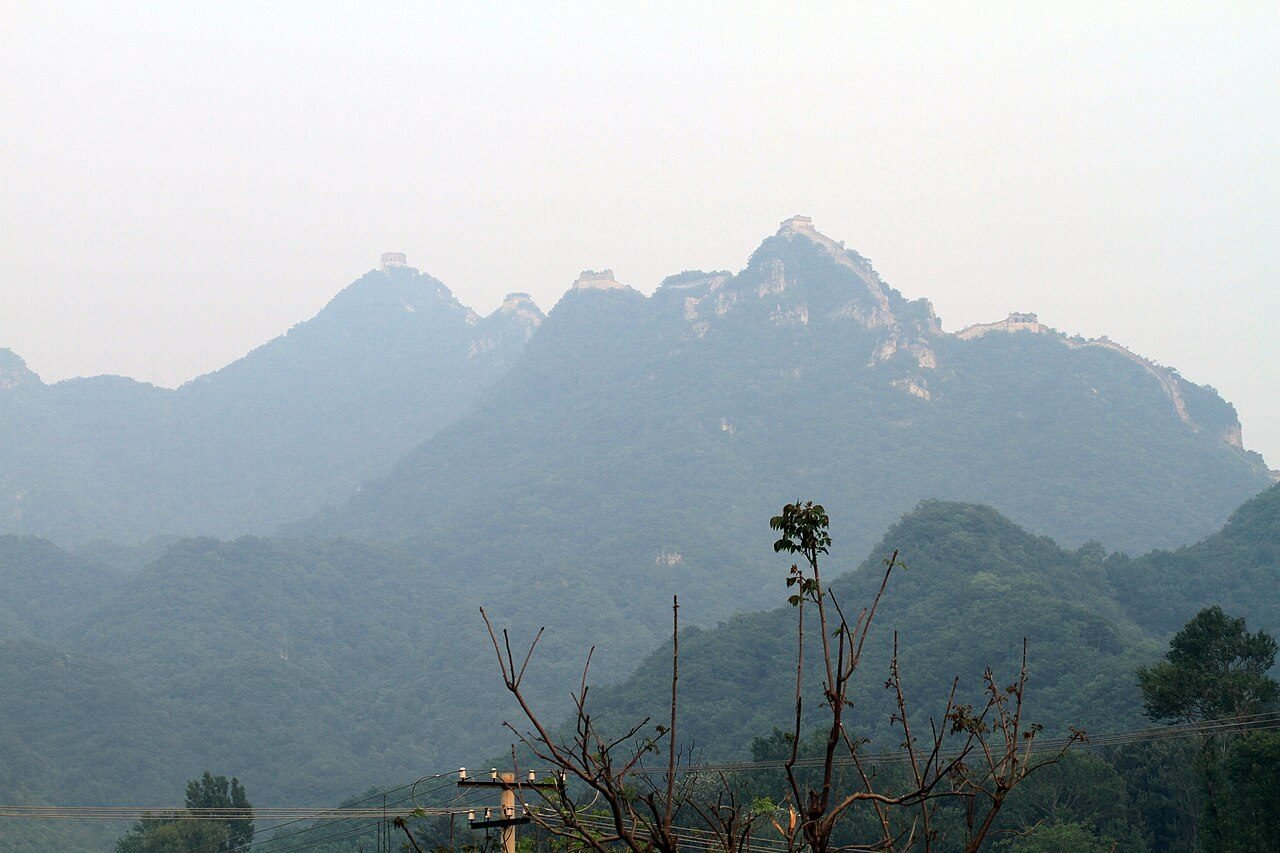
Most people who “do the Great Wall” go to Badaling or Mutianyu, walk a restored ramp between souvenir stalls, and call it done. I did that too, once, and felt I had seen a postcard. Then a friend dragged me to Jiankou (箭扣), and I understood the wall is a different thing when nobody has repaired it. Jiankou is the wild, unrestored stretch in Huairou district northwest of Beijing, where the wall follows a knife-edge ridge, parts of it collapsed into rubble, and the only handrails are the ones you imagine. I would not call it safe, and that is exactly the appeal.
The name means roughly “arrow nock,” for the way the ridge juts like a drawn bow, and the wall here was built on the steepest possible line because the Ming generals who put it there valued defense over convenience. That makes for spectacular photos and genuinely risky footing. This guide is for fit, careful hikers, not for a casual afternoon with kids.
Why Jiankou is different from the famous sections
The restored sections near Beijing are rebuilt with neat brick and railings. Jiankou is original Ming wall, weathered for 600 years, with grass growing from the ramparts and towers leaning at angles that look impossible. The two most photographed spots are “Eagle Flies Facing Upward” (鹰飞倒仰), a near-vertical climb where even birds, the saying goes, must flip onto their backs to pass, and the “Sky Stair” (天梯), a stretch of wall at roughly 70 degrees where you are basically climbing a stone staircase that has slid halfway down the mountain. I did the Sky Stair on a dry morning and my palms were sweating by the top; in rain or frost it should not be attempted at all.
Because it is unrestored, Jiankou is free to enter and has no ticket gate, no staff, and no emergency help. That freedom is the draw and the danger. The China safety guide covers general tourist caution, but here the main risk is the terrain itself, not petty crime.
Getting to the trailhead
Jiankou sits about 90 kilometers from central Beijing, in Huairou district. There is no train that reaches it, so you go by car or by a slow public bus to the nearest village, then a taxi or the driver’s car the final stretch. Most hikers base in Xizhazi village (西栅子村), which sits right at the foot of the wall and has a handful of guesthouses and the famous wall-side homestays where you wake up looking at a tower. I stayed in Xizhazi, ate noodles made by the host, and was on the ridge at first light before the day-trippers from Beijing arrived.
A hired car from Beijing runs 400 to 700 yuan round trip depending on the season and your bargaining, and it is worth it because the last few kilometers are on rough village road that buses do not serve well. If you are on a tight budget, the public bus from Dongzhimen to Huairou then a local cab works, but it eats half your day.
The classic Jiankoud to Mutianyu traverse
The most rewarding route is not an out-and-back on Jiankou but a one-way traverse that starts on the wild wall and ends at the restored Mutianyu Great Wall, where you can ride the cable car or toboggan down and catch transport back. This lets you have the wild drama and the easy exit. The traverse from Jiankou’s Zhengbei Tower to Mutianyu takes four to six hours depending on stops and fitness, with a short exposed connector that some hikers find the scariest part of the day. I did it with a group and the connector, a narrow ledge with a drop on both sides, was where I used my hands more than my feet.
Do not attempt the traverse in reverse (Mutianyu to Jiankou) unless you know the wall well; going from restored to wild lulls people into a false sense of the conditions ahead.
How Jiankoud compares to nearby wild sections
Jiankou is the most accessible of Beijing’s wild walls, but not the only one. Jinshanling and Simatai to the northeast are partially restored and have controlled access, safer for first-timers who want wild feel without the exposure. Huanghuacheng has a section that dips into a lake, photogenic and a little tamer. Badaling, by contrast, is the fully restored crowd-pleaser. I rank Jiankou highest for thrill and lowest for safety, which is the trade every hiker here makes knowingly.
| Section | Condition | Difficulty | Best for |
|---|---|---|---|
| Jiankou | Wild, unrestored | Hard, exposed | Experienced hikers, photographers |
| Jinshanling | Partly restored | Moderate | Walkers wanting wild feel safely |
| Simatai | Partly restored, night tours | Moderate-hard | Unique after-dark visit |
| Mutianyu | Fully restored | Easy | Exit point, families |
When to go and what to bring
Spring (April to May) and autumn (September to October) are the safe, pretty windows; the wall is dry and the views are clear. Summer is hot and thunderstorm-prone, and lightning on an exposed ridge is a real hazard. Winter is cold but stunning after snow, though ice makes the Sky Stair genuinely dangerous. The best time to visit China guide lines this up with the national pattern.
Bring more water than you think, proper grippy shoes (not sneakers with smooth soles), gloves for the scrambling sections, and a fully charged phone. There is patchy signal, so do not rely on maps alone. Tell your guesthouse your route and expected return. I carried two liters and finished the traverse thirsty, not dangerously so, but I would take three next time.
The honest safety talk
People die on Jiankou. The wall is crumbling, the drops are real, and a twisted ankle far from help is a serious event, not an inconvenience. Go with at least one other person, turn back if the weather turns, and skip the Sky Stair if you are unsure. There are easier lines along the ridge that avoid the worst exposure if you ask local guides. The villagers who run guesthouses know the wall intimately and will steer you right for a small fee; I paid one to show me a safer descent and it was the best money of the trip.
What to eat before and after the hike
There is no food on the wall, but Xizhazi village and the Mutianyu base both have straightforward northern Chinese cooking: noodles, scrambled eggs with tomato, and dumplings, all cheap and filling. After a Jiankou day I wanted protein and starch, and a plate of zhajiangmian (noodles with fried bean paste) in the village hit the spot. In Beijing afterward, the Beijing food guide points you to the imperial and hutong dishes that make a fitting reward for a Wall day, from roast duck to the street snacks of the old lanes.
Quick facts
- Jiankou is an unrestored Ming Great Wall section in Huairou, ~90 km from Beijing.
- Famous for “Eagle Flies Facing Upward” and the near-vertical “Sky Stair.”
- No ticket, no staff, no facilities; free but unmanaged.
- Base in Xizhazi village; hired car from Beijing runs 400-700 yuan.
- The Jiankou-to-Mutianyu traverse takes 4-6 hours one way.
- Best seasons: April-May and September-October; avoid storms and ice.
- Not suitable for children or anyone uncomfortable with heights.
Frequently asked questions
Do I need a guide for Jiankou?
Not strictly, but a local guide from Xizhazi village greatly improves safety and shows you the safer lines past the exposed bits. For a first visit I would hire one.
Is Jiankou really dangerous?
Yes, more than the restored sections. Crumbling steps, sheer drops, and no help on the ridge make it a real hike. Fit, careful people do it routinely; careless ones get hurt. Respect it.
Can I do Jiankou as a day trip from Beijing?
Yes. Leave early, hike the traverse to Mutianyu, and you are back in Beijing by evening. A hired car makes the timing work; public transport is slower and riskier for the return.
What is the difference between Jiankou and Mutianyu?
Mutianyu is fully restored with railings, cable car, and crowds; Jiankou is wild original wall next door. The traverse connects them, giving you both in one day. See the Mutianyu guide for the restored side.
Is there food on the wall?
None. Eat in Xizhazi before and after. Carry your own water and snacks; there is nothing between the villages but wall and hillside.
Can beginners do it?
The easier ridge lines are manageable for reasonably fit beginners who are not afraid of heights, but the signature sections are not. Start with Jinshanling or Simatai if you want wild feel with a safety net.
How do I get back from Mutianyu?
Mutianyu has a cable car, a toboggan, and tour buses to Beijing. Pre-book the bus or have your driver meet you there. The Beijing food guide is the reward waiting in the city.
Planning a Great Wall hike
Jiankou rewards preparation more than any other wall section near Beijing. If you want a custom hiking route that pairs the wild wall with the right transport and a Mutianyu exit, contact us and we will build it around your fitness and dates.
Written by the ChinaTravelFood editorial team.