The green side of the Chinese plate
Visitors to China remember the dumplings and the duck, and miss the vegetables, which is a shame because the green side of the Chinese table is where the cooking is most confident. A Cantonese meal is judged by its greens as much as its meat, and a plate of gai lan (芥蓝) blanched and dressed with oyster sauce is as carefully balanced as any braise. I ate more vegetables in three weeks in Guangdong than in three months at home, and I came home cooking them differently.
This is a practical field guide to the vegetables you will meet, what they taste like, and how they are usually cooked, so the menu stops being a mystery of characters you cannot read. Our reading a Chinese menu guide helps with the characters; this page is the produce itself.
The everyday greens
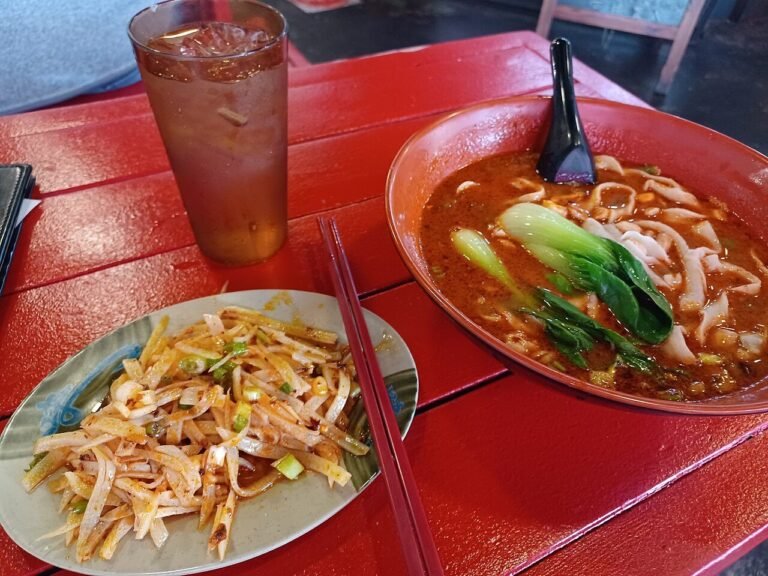
The backbone of the southern table is a family of leafy greens sold by the bunch in every wet market. Bok choy (小白菜 or 青菜) is the mild, pale-green staple, quick-fried with garlic. Choy sum (菜心), “vegetable heart,” is the prized tender stem with a yellow flower, the one restaurants show off. Gai lan (芥蓝), Chinese kale, is bitter-leaning and firm, best with oyster sauce. Water spinach (空心菜, ong choy) is the hollow-stemmed green that grows in water and wilts fast, stir-fried with fermented bean curd or garlic. These four cover most of what you will be served as “qing cai,” the generic green vegetable.
Up north, the staples shift to napa cabbage (大白菜), the crinkled leaf used in dumplings and hot pot, and Chinese cabbage hearts braised in vinegar. The north’s cold means fewer fresh greens in winter, which is why pickling matters there, a point our pickled vegetables guide makes in detail.
The unusual shapes
A few vegetables stop first-timers cold because they look nothing like home. Bitter melon (苦瓜) is a warty green gourd with a pronounced bitterness that mellows when stir-fried with egg or stuffed with pork. Winter melon (冬瓜) is a giant pale melon used in soups, nearly flavorless on its own but a carrier for broth and pork. Lotus root (莲藕) is the crunchy, hole-punched rhizome, sliced and stir-fried or simmered in soup, sweet and nutty. Bamboo shoots (竹笋) are the young shoots, available fresh in spring and canned year round, with a clean, slightly sweet crunch that defines dishes across the south and Sichuan.
Then there are the fungus and the beans. Wood ear (木耳) is the black, ear-shaped fungus that adds crunch to cold dishes and hot and sour soup. Chinese long beans (豆角) are a foot long and fried crisp with pork. Luffa (丝瓜), the loofah, is eaten young as a soft, almost silky vegetable in soup. None of these are hard to like; they just need a name and a method, which is what a good market tour provides.
How they are cooked
The default method is the stir-fry: a screaming-hot wok, a film of oil, garlic or ginger, and sixty seconds of tossing, just until the green collapses but stays bright. This keeps texture and color, and it is why Chinese greens taste like themselves rather than like the sauce. The second method is blanching, then dressing: gai lan and choy sum are often dropped in boiling water for thirty seconds, lifted, and hit with oyster sauce or a soy-sesame pour. The third is braising, for the sturdy roots and melons, which take on a broth over time.
Yunnan takes vegetables somewhere stranger and more interesting. The province eats wild ferns, flower buds (like the golden needle and the rose), and mushrooms that do not appear elsewhere, often simply boiled and dipped. Our Yunnan cuisine guide covers the minority tables where this is most pronounced, and it is the best place to expand your vegetable vocabulary beyond the Cantonese basics.
Buying and the wet market
If you want to see the full range, go to a wet market early. Our wet markets guide explains how to walk one without offense, and the vegetable stalls are where the regional difference is most visible: the same market in Kunming will have greens you will not find in Guangzhou. Buy a bunch, take it to a small restaurant that cooks by the jin (500 grams), and you get a plate tuned to that morning’s harvest. It is the freshest meal in China and costs a few RMB.
The vegetable map
| Vegetable | What it is | Common cooking | Where common |
|---|---|---|---|
| Bok choy / choy sum | Mild leafy greens | Stir-fried with garlic | South, nationwide |
| Gai lan (Chinese kale) | Firm, bitter-leaning stem | Blanched, oyster sauce | Guangdong |
| Water spinach | Hollow-stem green | Stir-fried, fermented tofu | South, Sichuan |
| Bitter melon | Warty bitter gourd | Stir-fried with egg or pork | South, nationwide |
| Lotus root | Crunchy rhizome with holes | Stir-fried or in soup | Jiangsu, nationwide |
| Bamboo shoots | Young spring shoot | Stir-fried, braised | South, Sichuan |
| Wood ear fungus | Black ear-shaped fungus | Cold dish, soups | Nationwide |
Quick facts
- Qing cai is the generic “green vegetable” on most southern menus
- Choy sum and gai lan are the premium stems; bok choy is the everyday leaf
- Water spinach, bitter melon, and winter melon are the southern “unusual” trio
- Lotus root and bamboo shoots add crunch to soups and stir-fries
- Wood ear and luffa are the fungus and the soft gourd most visitors miss
- The stir-fry keeps greens bright and textured in about sixty seconds
- Yunnan adds wild ferns, flower buds, and mushrooms to the list
Season and the northern tradition
One thing that surprises visitors is how seasonal the vegetable table is. In the north, winter once meant cabbage and little else, stored in cellars and pickled by the ton, which is why northern cuisine built such a deep pickle and ferment tradition; our pickled vegetables guide covers that side. In the south, the warm climate keeps greens available year round, but even there the spring bamboo shoots and the autumn lotus root mark the calendar, and a Cantonese cook will tell you the month by what is on the stem. Eating by season is not a trend in China; it is the default, and the vegetable stall is the clearest read of the month you are traveling in. The markets turn over weekly, and the regulars shop daily for exactly that reason, buying what looks freshest rather than what is on a list. I started shopping the markets daily on my second trip and learned more about the cuisine in a week of looking than in a month of restaurants, because the produce is the raw material of every dish on the menu.
Frequently asked questions
Are Chinese vegetables safe to eat raw?
Most are cooked, and that is wise. Raw greens carry the same risks as anywhere, plus a higher chance of pesticide residue or bacteria from market handling. Stick to cooked vegetables, which our food safety guide recommends generally. The one raw exception is the cold dressed dishes at reputable restaurants, which are blanched first.
What if I do not like bitter melon?
Then skip it; it is an acquired taste and nobody will be offended. Ask the server to leave it out, or point to the greens you do want. The choy sum and bok choy are mild and a safe default for cautious eaters.
Can vegetarians eat these dishes?
Often, but check the sauce. Oyster sauce and fermented bean curd are not vegetarian, and many “vegetable” stir-fries use a meat stock or lard. Our Chinese vegetarian food guide covers the temple-cooking tradition that avoids these, and the vegetarian travel guide has ordering tips for the road.
Where can I try the widest variety?
Yunnan and Guangdong. Yunnan for wild and minority vegetables, Guangdong for the polished Cantonese green. A wet market in either gives you the full spread; our wet markets guide shows how to navigate one.
How do I order greens without the characters?
Point at a neighbor’s plate, use a translation app with the vegetable name, or ask for “qing cai” and accept what comes. Most restaurants have two or three greens a day; the server will tell you which. The menu reading guide has the key characters if you want to learn a few.
Are these vegetables available outside China?
Many are, in Asian grocery stores: bok choy, gai lan, bitter melon, and wood ear are common in Western cities. Others, like fresh lotus root and Yunnan ferns, are harder. The dried and canned versions travel well if you want to cook them at home after the trip.
What is the best season for vegetables in China?
Spring for bamboo shoots and the tender new greens, summer for the gourds and water spinach, autumn for lotus root and mushrooms, winter for napa cabbage and preserved greens up north. The market changes weekly, which is the pleasure of eating by season here.
If you want a vegetable-focused eating route through Guangdong and Yunnan, we can plan one through the contact page. The greens are the quiet strength of Chinese cooking, and learning to order them turns a confusing menu into a daily pleasure.
Written by the ChinaTravelFood editorial team.