
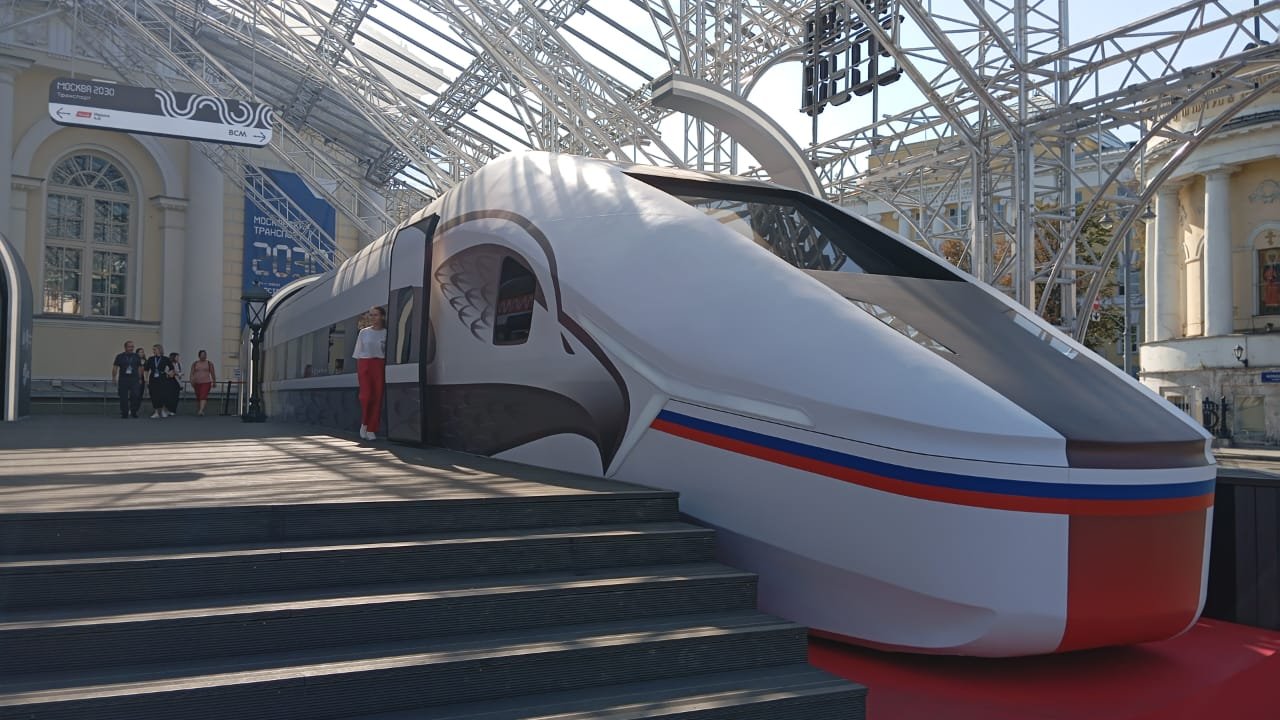
Train vs flight in China: the short answer
My rule, refined over a dozen trips since 2016: if the high-speed train covers the route in under five hours, take the train. Over five, fly. The logic is not the train speed itself, it is everything around the train. City-center stations beat airports that sit 40 kilometers out, trains have no security theater, trains do not cancel for weather, and the seats are more spacious than economy. The exceptions matter too: long north-south hauls, the sleeper trains that save a hotel night, and the southwest where mountains force slow rail. This guide lays out the comparison with real 2025 prices and door-to-door times, so the train vs flight decision becomes arithmetic instead of a coin flip. Prices are planning figures from 2025; confirm current fares on the official 12306 app or your airline before booking.
What high-speed rail actually feels like
China’s high-speed network is the largest on earth, and the trains earn their reputation. The Fuxing and Hexie trains cruise at 300 to 350 kilometers per hour on the main lines, and the ride is smoother than most European equivalents. You get a seat with real legroom, a fold-out table, power outlets, and wifi that works until the train enters a tunnel. Second class has five seats across in a three-plus-two layout, which is tighter than first class but perfectly civilized for a few hours.
Food is the weak point. The dining car sells mediocre boxed meals, and the bigger stations have decent fast food on the platform, so I eat before boarding and bring snacks. My routine: arrive 30 minutes before departure, since security is a bag scan and a metal detector rather than a queue for the scanner belt, walk to the gate, and board. Nobody assigns your seat, nobody weighs your bag, and delays are measured in minutes rather than hours. The full system, classes, and booking tricks are in our guides to high-speed rail and China trains.
What domestic flights actually feel like
Domestic flights in China have improved, but the friction is structural rather than attitudinal. The big hubs, Beijing Daxing, Shanghai Pudong, Guangzhou Baiyun, Chengdu Tianfu, are enormous, and the transit from the city adds 60 to 90 minutes each way even by express metro. Security is standard but slow at peak, and domestic flights in China historically cancel or delay more than the trains, especially in summer thunderstorms and winter fog. The domestic flights guide covers airline choice and baggage rules in detail.
What flying wins on is distance. Beijing to Guangzhou is about 2,200 kilometers, and the flight is three hours in the air even if the whole journey takes six with the airport overhead. Chengdu to Kunming, Kunming to Lhasa, and anything crossing the mountains of the west is faster by air, because the rail routes either do not exist or crawl. Flights are also cheap when discounted: 500 to 900 RMB one way on competitive routes, which undercuts the train on paper if you ignore the airport overhead.
Door-to-door math: stations vs airports
This is where the decision is actually made. Beijing to Shanghai is the classic case. The flight is two hours and fifteen minutes, but Beijing Capital Airport is 25 kilometers from the city center and Hongqiao is 15 from downtown Shanghai, so door to door you are looking at five and a half to six hours once you add the standard arrive-two-hours-early rule. The train is four hours and eighteen minutes on the fastest services, from Beijing South to Shanghai Hongqiao, and Hongqiao connects directly to the metro. The train wins, and I have never once regretted it.
The reverse case is Beijing to Guangzhou. The train is eight to ten hours, an overnight sleeper or a full day, while the flight is about three hours and fifteen minutes. Even with airport overhead, flying saves half a day. When you do fly, budget the airport transfer carefully, because the airport express trains stop running late at night in some cities and a taxi at 11 p.m. to the center can cost 150 to 250 RMB. And when you take the train, know your station in advance: cities like Beijing have multiple big stations, and showing up at the wrong one is the most common way travelers miss trains. Our guide to train stations walks through the layouts.
Route by route, with 2025 numbers
| Route | Fastest train | Typical train price | Flight time | Typical flight price | My pick |
|---|---|---|---|---|---|
| Beijing to Shanghai | 4 h 18 min | 553 to 667 RMB second class | 2 h 15 min plus airports | 500 to 900 RMB | Train |
| Beijing to Xi’an | 4 h 12 min | 515 to 600 RMB | 2 h plus airports | 400 to 800 RMB | Train |
| Shanghai to Hangzhou | 45 min | 73 to 90 RMB | Pointless, no direct benefit | Not worth it | Train, obviously |
| Shanghai to Suzhou | 25 min | 40 to 50 RMB | Not worth it | Not worth it | Train, obviously |
| Guangzhou to Shenzhen | 29 min | 75 to 100 RMB | Not worth it | Not worth it | Train |
| Beijing to Guangzhou | 8 to 10 h | 862 to 1,050 RMB second class | 3 h 15 min plus airports | 600 to 1,200 RMB | Flight, or sleeper |
| Shanghai to Chengdu | 11 to 14 h | 600 to 800 RMB | 3 h plus airports | 500 to 1,000 RMB | Flight |
| Chengdu to Kunming | 6 h | 250 to 400 RMB | 1 h 20 min plus airports | 400 to 900 RMB | Flight, unless you enjoy scenery |
| Kunming to Lhasa | No practical rail shortcut | Not comparable | About 2 h 20 min | 1,500 to 2,500 RMB | Flight |
| Xi’an to Chongqing | 5 to 6 h | 280 to 400 RMB | 1 h 15 min plus airports | 400 to 800 RMB | Either; train if the weather is stormy |
Three cases where the train loses
First, anything over roughly five hours of pure train time. The overnight exception aside, a ten-hour daytime train is a day of your life spent in a seat, and the flight gives you the afternoon at the other end. Second, the far west. Kunming to Lhasa, Urumqi to Kashgar, Lhasa to anywhere: the mountains mean flights are either the only option or save a full day and a half. Third, island and coastal hops where the rail network simply does not connect, like Hainan to the mainland, where a flight plus the ferry across the strait is the only sane combination.
There is also a comfort case for flying on the longest routes. If you are crossing more than 2,000 kilometers in daylight, the flight’s shorter in-seat time beats staring at the same farmland for eight hours, even with the airport overhead counted. And if a typhoon or a snowstorm closes an airport, that is when the train quietly wins again, so the two modes are complements rather than rivals.
The sleeper exception
Overnight trains blur the comparison, because they are transport and hotel in one. Beijing to Xi’an, Shanghai to Guangzhou, and Chengdu to Chongqing all run sleeper services where a soft berth costs 400 to 900 RMB and buys you a night of travel plus a morning arrival. The tradeoffs are real: bunks are short, the lights stay on until 10 p.m., and the toilets are basic. But if a route would otherwise eat a full day, the sleeper wins, and our guide to overnight trains covers the berth classes and how to pick the good ones.
Quick facts
- Under five hours by train, the train wins on door-to-door time; over five, fly.
- Train security is a bag scan; flights need the two-hours-early rule.
- City-center train stations beat airports 40 kilometers from downtown.
- Trains rarely cancel for weather; summer thunderstorms delay flights more.
- Book trains on 12306 or Trip.com 15 days ahead; holiday routes sell out in minutes.
- Sleeper trains save a hotel night on long routes like Beijing to Xi’an.
- Southwest routes over mountains are faster by air, since rail climbs slowly.
- All prices are 2025 planning figures; confirm fares on official channels before booking.
Frequently asked questions
Is the train ever more expensive than flying?
Sometimes, on the long routes. Beijing to Guangzhou second class can approach 1,000 RMB, which is the same as a discounted flight, and Chengdu to Kunming flights dip to 400 RMB during sales while the train holds steady. On short routes the train is almost always cheaper and more reliable. The difference is that the train price barely moves with demand, while flight prices swing wildly, so book whichever suits your dates and budget.
Can I bring my luggage on the train without limits?
Practically, yes. Trains have no real weight limit for carry-on-sized bags, and there is space at the ends of each car for large suitcases. Flights on domestic Chinese carriers include a 20-kilogram checked allowance on most economy fares, with excess charged per kilo, so a heavy bag or a bicycle box changes the flight math quickly.
What happens if my flight cancels?
You rebook through the airline, and delays and cancellations are more common in summer thunderstorm season and winter fog. Trains are the safer bet for hard deadlines, like catching an international flight home, which is why I always travel to the departure city a day early and take a train if the weather looks bad.
Are first-class train seats worth the upgrade?
On trips over three hours, yes. First class is two-plus-two with wider seats and more quiet, and the price difference is usually 30 to 60 percent over second class. Business class on the fastest routes is a lie-flat pod priced closer to a discounted flight, and it is pleasant but hard to justify unless the company pays.
Which is better for the scenery?
The train, decisively, on the routes that have any. The Qinghai-Tibet Railway, the Guilin to Kunming line through the karst, and the high-speed approach into Chengdu past the terraced hills are all reasons to choose rail over air. Flights show you clouds.
Do I need to print tickets?
No. The 12306 app and Trip.com issue QR codes that the gate scanners read directly off your phone. Keep your phone charged, and if your battery dies, staff at the counter can reprint with your passport, but it costs you time. Our train booking guide covers reservations, changes, and refunds in detail.
If you want a route that pairs the right trains with the right flights, and lines up the meals along the way, reach out through our contact page and we will design a custom food-and-travel itinerary around the logistics that actually work.
Written by the ChinaTravelFood editorial team.


