A 2 week China itinerary in one paragraph
If you have two weeks and it is your first time in China, do four cities: Beijing, Xi’an, Chengdu, and Shanghai, connected by high-speed rail. This 2 week China itinerary works because each stop is a different China: the imperial capital, the Silk Road terminus, the spicy southwest, and the colonial-port-meets-tower-city on the coast. Every leg is a comfortable daytime train, nothing exceeds five hours, and you are never more than one train from the next city. I have run versions of this trip with friends three times, most recently in spring 2025, and the version below is the one I keep recommending. Costs are 2026 planning numbers; confirm current prices when you book.
Before anything else, sort the paperwork. Most nationalities need a visa arranged in advance, and the rules changed several times in recent years, so check the current requirements for your passport. My guide to the China visa process walks through the application. The other setup task is money: China runs on QR codes, and a working payment app makes the whole trip smoother, so read the Alipay China piece before you fly.
Why this route works for a first trip
First-timers usually fail at China in one of two ways: they try to see too much, or they pick cities that all feel the same. This route fixes both. Four cities in fourteen days means three or four nights in each place, enough to sleep off the jet lag, revisit a favorite noodle shop, and not live out of a suitcase. And the four are genuinely distinct: Beijing is grand and northern, Xi’an is Muslim-quarter noodles and terracotta soldiers, Chengdu is teahouses and hot pot, Shanghai is art deco and dumplings.
The route also happens to sit on one rail spine. Beijing to Xi’an is about four and a half hours, Xi’an to Chengdu is four hours on the line that punches through the Qin Mountains, and Chengdu to Shanghai is around eleven hours, so you either take one full high-speed day or break the trip with a stop in Chongqing. That is the only long leg, and the guide to high-speed rail travel explains the classes and booking. If you would rather end with a slower week, swap the Shanghai finish for Guilin’s karst hills; both work, but Shanghai gives you the easiest international flight home.
Days 1 to 4: Beijing
Give Beijing four nights, minimum. The jet lag is real, and the city needs walking days plus one big excursion.
Day 1: Land, check in, and do nothing ambitious. Walk the hutongs near your hotel, eat Peking duck for dinner, sleep early. The city food guide’s Beijing food picks will point you to the right block.
Day 2: The Forbidden City in the morning, booked online days ahead because same-day tickets sell out. Walk north through Jingshan Park for the rooftop view over the palace. Afternoon at the Temple of Heaven. Evening: street food at a night market.
Day 3: Great Wall day. Mutianyu is the sweet spot: restored, cable-car accessible, far less mobbed than Badaling. Go midweek if you can, leave by 8 a.m., be back by late afternoon.
Day 4: Slow morning, 798 Art Zone or the Summer Palace, then the evening train to Xi’an. Yes, an overnight sleeper works here and saves a hotel night, but the four-and-a-half-hour daytime G train gets you in for dinner and costs little more in lost time.
Days 5 to 7: Xi’an
Xi’an is where the food becomes the main attraction. Three nights.
Day 5: Arrive, drop bags, walk the city wall at dusk. Cycling the full 14-kilometer rampart takes about two hours on a rented bike and is the best orientation in the city.
Day 6: Terracotta Army in the morning, an hour outside town. Go early, before the tour buses. Back in the city by mid-afternoon, then the Muslim Quarter after dark: lamb skewers, roujiamo, biangbiang noodles, pita bread soaked in lamb soup. The Muslim Quarter walk is the single best food evening of the trip.
Day 7: Big Wild Goose Pagoda, the Shaanxi History Museum (free but reserve ahead), and a lazy dinner. Evening train to Chengdu, arriving late.
Days 8 to 10: Chengdu
Chengdu runs at a slower speed than Beijing. Three nights.
Day 8: Sleep in. People’s Park teahouse in the morning, bamboo chairs, tea served in a cup with a lid, ears cleaned if you are brave. Afternoon: Jinli or Wenshu streets.
Day 9: Panda Base at opening time, before the heat and the crowds. The Chengdu panda base guide covers tickets and timing. Afternoon: hot pot lunch, then a Sichuan opera show with face-changing, which is touristy and still fun.
Day 10: Day trip to Mount Qingcheng or Leshan, or a cooking class if the rain holds. For food, the Chengdu food guide maps the hot pot and skewer neighborhoods; this is the city where I tell people to stop reading menus and start pointing.
Days 11 to 13: the long leg south
Xi’an and Chengdu are done; now the 11-hour run to Shanghai, or break it. My preferred version stops in Chongqing for two nights, which turns a transit day into a monorail-and-hot-pot day. Chongqing is the spiciest eating of the whole trip and the Chongqing hot pot scene alone justifies the stop.
Day 11: Morning train Chengdu to Chongqing (62 minutes), afternoon on the Yangtze riverside, evening hot pot in the Jiulongpo or Yuzhong blocks.
Day 12: Hongyadong and the monorail through the apartment blocks at dusk, Ciqikou old street, river cruise if the air is clear.
Day 13: Train Chongqing to Shanghai, about seven hours, arriving in time for dinner. The Shanghai food neighborhoods are the plan from here: sheng jian bao at breakfast, crab in autumn, soup dumplings whenever.
If Chongqing does not interest you, replace days 11 and 12 with two nights in Guilin plus a Yangshuo day, then fly Guilin to Shanghai. Both versions fit the rail spine; Guilin adds scenery, Chongqing adds a food city.
Day 14: Shanghai and home
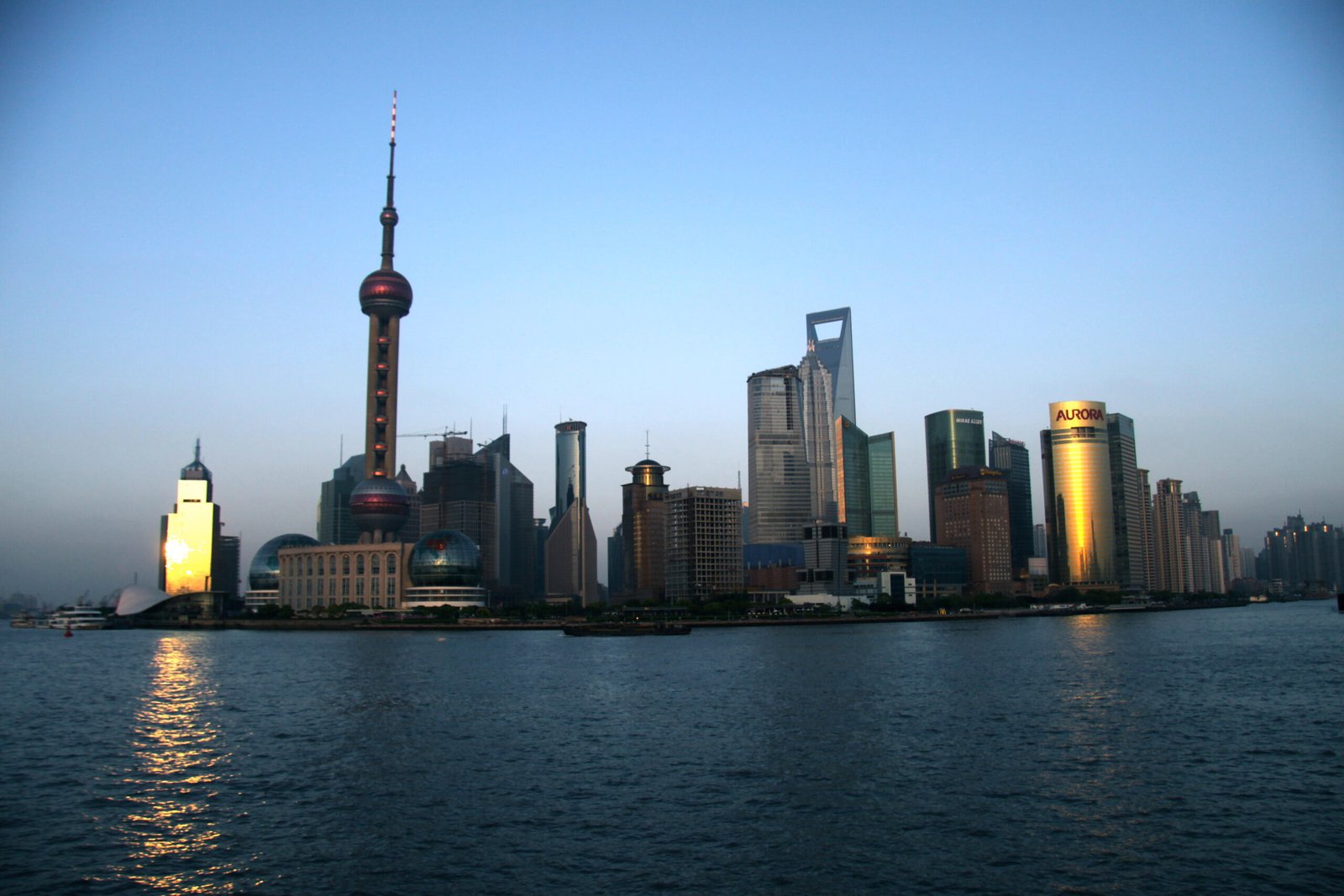
Final day, keep it flat. The Bund at morning light, a walk through the French Concession, lunch of soup dumplings, and an afternoon departure from Pudong. If your flight is late, Yu Garden and the Nanjing Road pedestrian stretch fill the gap. Leave three hours between downtown and an international departure; Pudong is big, and the maglev train from Longyang Road is the fast way in.
What this itinerary costs
These are 2026 mid-range numbers per person, based on what my travel partners and I actually spent. A shoestring version exists at roughly half these figures, and a luxury version at triple.
| Item | Cost (per person) | Notes |
|---|---|---|
| Visa | 140 to 185 USD | Depends on nationality; single-entry L visa for most US passports |
| Trains (all legs, second class) | 1,300 to 1,600 RMB | Beijing to Xi’an, Xi’an to Chengdu, Chengdu to Chongqing, Chongqing to Shanghai |
| Hotels (13 nights, mid-range) | 7,000 to 10,000 RMB | Three-star chains and local business hotels; 400 to 700 RMB per night |
| Food | 4,000 to 5,500 RMB | Street food to casual restaurants; hot pot dinners run 80 to 150 RMB each |
| Attractions | 1,000 to 1,500 RMB | Great Wall cable car, Forbidden City, Terracotta Army, Panda Base, opera show |
| Local transport | 500 to 800 RMB | Metro and ride-hail; taxis are cheap but drivers rarely speak English |
That puts a realistic 14-day trip at roughly 15,000 to 20,000 RMB per person excluding international flights, call it 2,100 to 2,800 USD. My full China budget breakdown covers the range from backpacker to comfortable, including the numbers for a cheaper sleeper-train version of this same route.
Booking trains, hotels, and the small stuff
Trains: book through 12306 or Trip.com as soon as the 15-day window opens, and earlier for holiday weeks. Hotels: the international chains are easiest for a first trip, and booking sites with maps in English save hours. SIM: get an eSIM or local SIM at the airport on arrival; hotel WiFi is not enough when you are navigating and translating all day. Apps: install Alipay or WeChat Pay with a foreign card, a translation app, and Didi for ride-hail before you land. The roundup of the apps that actually matter.
Pack light. You will drag bags through stations with stairs, and every city on this route has laundry. The season-specific packing guide is season-specific; whatever the season, comfortable shoes matter more than any other item on this trip.
Quick facts
- Four cities in 14 days: Beijing, Xi’an, Chengdu, and Shanghai, with an optional Chongqing stop.
- All legs are daytime high-speed trains; the longest run is Chengdu to Shanghai at about 11 hours.
- Book Forbidden City and museum tickets days ahead; same-day sales are rare.
- Realistic mid-range cost: 15,000 to 20,000 RMB per person, excluding international flights (2026).
- Sort visa, payment app, and SIM before departure; all three take longer to arrange on arrival.
- Spring and autumn are the best windows for this route; summer is hot and winter is dry but empty.
Frequently asked questions
Is two weeks enough for China?
For a first trip, yes, if you keep it to four cities. Travelers who cram eight cities into 14 days spend the whole holiday in transit. Two weeks covers one region well; this route is the classic first slice.
Should I book the trip myself or use a tour?
Yourself, with the caveat that booking tickets and museums takes some planning. The trains and hotels on this route are straightforward to book online, and independent travel gives you the freedom to linger over food. Group tours work for people who want zero logistics, and my piece on group tours compares the two honestly.
Can I do this itinerary in reverse?
Yes. Landing in Shanghai and ending in Beijing works equally well, and east-to-west lets you finish with the Great Wall and the Forbidden City, which is a strong ending.
What about luggage on trains?
Overhead racks and end-of-car spaces take full-size suitcases; nobody weighs bags on high-speed trains. Keep a daypack for the sightseeing hours and store big bags at your hotel or in station lockers.
Do I need to speak Chinese?
No, but a translation app with a camera mode and offline download is close to essential outside the big hotels. Station and train announcements are bilingual in the major cities, and younger staff usually know some English.
When is the worst time to go?
The first week of October and the Spring Festival period in January or February, when trains sell out and attractions peak. Chinese New Year is culturally fascinating but logistically brutal for a first-timer.
How far ahead should I book hotels?
Two to four weeks is comfortable outside holidays. During national holiday weeks, book two to three months ahead or pick dates that avoid them entirely.
Plan your own version
This route is a starting point, not a script. Tell us your travel dates, how much time you want to spend on food versus sights, and whether you want trains or a flight or two, through the contact page, and we will build a custom food-and-travel itinerary around the same spine.
Written by the ChinaTravelFood editorial team.