China homestays, the short answer
A homestay in China is not the Airbnb product you know from home. The best ones are family guesthouses in the countryside and minority villages, where you sleep in the family’s house, eat what the family cooks, and leave with photos of a life most travelers never see. I have stayed in a Miao village in Guizhou, a Bai courtyard outside Dali, a Hui farmhouse near Tongxin, and a series of Tibetan guesthouses on the road to Shangri-La, and the range between those experiences is enormous. This guide explains what a China homestay actually is, how to find the good ones, what you give up for the authenticity, and how to be a guest people want back. Details reflect trips through 2025 and 2026; village tourism rules shift, so check current local conditions before you go.
If your trip leans toward cities, my notes on hotels China cover the urban end of the market. This piece is about the countryside.
What a homestay here actually is
Strip out the marketing and you get three real categories.
Family guesthouses (jiā jiā lè). Literally “happy family inn,” these are village houses with two to five rooms rented to travelers. The family lives there, cooks there, and treats you as a guest in their home, which is exactly the point. Standards vary wildly: I have had tile-floored rooms with hot water heaters and private bathrooms, and I have had a concrete room with a shared squat toilet down the hall and a bucket for washing.
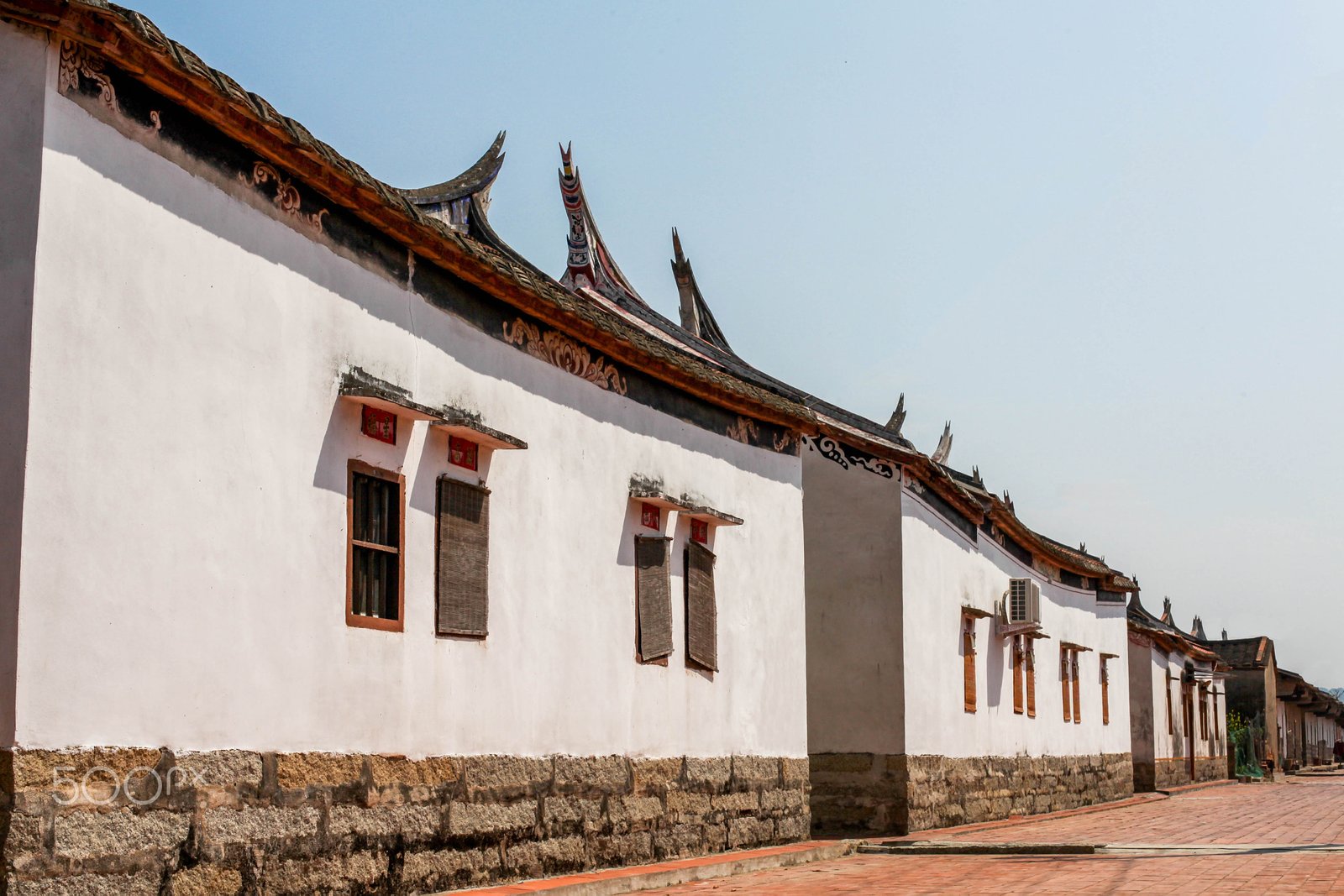
Converted village houses. Wealthier villages, especially near Zhangjiajie, Guilin, and the Anhui Huizhou region, have renovated farmhouses with wooden beams, courtyards, and decent beds. These are boutique hotels in traditional buildings, and the family may live next door rather than with you. Still worth it, still not a hotel.
Minority village homestays. In Guizhou, Guangxi, and Yunnan, Miao, Dong, Zhuang, Bai, and Tibetan families host travelers through village cooperatives. The draw is culture: you eat the local festival food, see the silverwork or the indigo dyeing, and sleep in a stilt house or a stone courtyard. These are the stays that end up in your best stories, and they are also the ones where the language gap is widest.
How to find the good ones
You cannot book most village homestays on the international platforms. The booking path runs through Chinese apps: Ctrip and Meituan list rural guesthouses with photos and reviews in Chinese, and WeChat mini-programs handle the actual reservation. My guide to apps in China covers how to get these working before you land, because none of them function without a Chinese-language interface and, usually, a Chinese payment method.
The practical shortcuts that work: ask the last hotel’s front desk to call ahead, which Chinese staff will happily do; use a local guide or driver, who knows which village houses are clean and which are rough; or walk in, which works in villages used to travelers, where a room appears within minutes. Reviews on Chinese apps are honest in a way international reviews are not, so learn five characters: clean, quiet, hot water, bathroom, and breakfast. Those five tell you everything the photos hide.
Prices are modest by design. A family guesthouse room runs 80 to 200 RMB per night, meals included or priced per dish, and a minority village stay with dinner and breakfast often lands at 150 to 300 RMB per person. My China budget guide puts these numbers in context against city hotels.
What you give up, honestly
Homestays trade comfort for access, and pretending otherwise would be dishonest. Here is the real list of what to expect.
Bathrooms. Many village homes have squat toilets, cold-water-only sinks, and water heaters that produce a trickle for ten minutes. Some have Western toilets now, installed for tourists, but rarely with the water pressure you expect. Bring a quick-dry towel, flip-flops for the shared bathroom down the hall, and the patience you would need anywhere rural.
Language. In minority villages, Mandarin is often a second language and English is essentially absent. A translation app with offline Mandarin and a local dialect phrasebook helps less than you would hope; gestures, smiles, and the phrase for delicious carry most of the weight. My guide to translation apps lists the tools that work offline.
Privacy and noise. Thin walls, family television, roosters at dawn, and the family’s curiosity about your life. If you need eight silent hours to function, bring earplugs or book the converted boutique houses instead.
Inconsistency. The same guesthouse is spotless in October and rough in February, depending on which family member is hosting and whether the hot water heater is working. Judge the stay, not the booking photos.
How to be a good guest
Chinese hospitality runs on face and reciprocity, and a few habits make you the guest they talk about fondly rather than the one they warn each other about.
Accept the food. Refusing dishes repeatedly reads as rejection of the family, not of the food. Take a small portion, eat it, and say it is delicious; seconds are offered when you show appreciation, not when you show restraint. If you have allergies or dietary limits, write them in Chinese before you arrive, because “no pork” cannot be gestured reliably. A printed card of your restrictions solves this in one exchange.
Bring a small gift from your home region: local chocolate, postcards, or something your family makes. It does not need to be expensive, and it will be reciprocated, usually with fruit or a bowl of something. Ask before photographing people, especially elders, and never photograph a household altar or a religious space without permission. The photo etiquette rules apply double in someone’s home.
Take your shoes off at the door, follow the family’s lead on seating, and offer to help with something, even if the offer is declined. The offer is the point.
Food, which is the real reason to go
Homestay meals are home cooking, not restaurant cooking, and that is the whole attraction. In a Miao village in Guizhou, dinner was sour fish soup, pickled vegetables, and rice cooked in a wooden tub over a fire, with a chili dip that the grandmother made from scratch. In a Bai courtyard near Dali, it was milk fan cheese, fried goat cheese, and rubing, none of which I have found done properly in a restaurant. In the Tibetan guesthouses, it was yak stew, tsampa, and butter tea that tasted of the altitude. The dishes that never translate to restaurant menus exist here, cooked by people for whom they are Tuesday dinner rather than a performance.
Meals are usually included or priced at 30 to 60 RMB per person, and eating with the family is the default. If you want to cook, offer; many hosts will happily put you in front of a wok and laugh at your technique.
The best regions for a homestay
| Region | Homestay style | Season notes |
|---|---|---|
| Guizhou (Kaili, Xijiang, Zhaoxing) | Miao and Dong stilt houses, village cooperatives, festival food | Best April to October; sister’s meal festival in spring draws crowds |
| Yunnan (Dali, Shangri-La, Yuanyang) | Bai courtyards, Tibetan stone houses, Hani rice-terrace farmhouses | Year-round in Dali; terraces best January to March; Shangri-La cold in winter |
| Guangxi (Longsheng, Yangshuo outskirts) | Zhuang and Yao wooden houses in the rice terraces | Terrace views May to September; mountain fog other months |
| Anhui (Hongcun, Xidi surroundings) | Renovated Huizhou farmhouses with courtyards | Spring and autumn; summer humid, winter damp cold |
| Ningxia and Gansu (Hui villages) | Simple farmhouse stays, halal home cooking | Summer best; desert dust in spring |
Whichever region you pick, keep the first night flexible. Book one night, assess the bathroom and the family, and extend if it works. Hosts are used to this, and nobody is offended by a one-night stay that becomes two.
Quick facts
- Village homestays are booked through Chinese apps or by phone, not international platforms.
- Expect 80 to 200 RMB per night for a family guesthouse, with meals at 30 to 60 RMB per person.
- Bathrooms are the main comfort risk: squat toilets, shared facilities, and weak hot water are common.
- Minority villages in Guizhou, Yunnan, and Guangxi offer the strongest culture-to-comfort trade.
- Accept the food, bring a small gift, ask before photos, and take your shoes off at the door.
- Homestay meals are home cooking, often the best regional food on the whole trip.
- Book one night first and extend if the room and family work for you.
Frequently asked questions
Are homestays safe?
Yes. These are family homes in settled villages, and hosts have every incentive to keep guests comfortable and unharmed. The realistic risks are the standard rural ones: uneven stairs, slippery bathrooms, and the occasional aggressive dog in the yard.
Will the family speak English?
Almost never, outside the boutique end. Communication runs on gestures, translation apps, and the handful of phrases both sides invent during dinner. This is part of the experience, not a flaw in it.
Can I book a homestay on Airbnb or Booking.com?
Some converted boutique farmhouses appear on international platforms, and they are fine. The authentic family guesthouses and village cooperative stays mostly do not; use Ctrip or Meituan with a translation app, or book through a local guide.
What if there is no hot water?
Ask specifically when you book, using the Chinese phrase for hot water. Most guesthouses now advertise it because travelers ask. In the coldest months, heaters may run on a schedule, so shower when told, not when you feel like it.
Is it rude to eat only a little?
Finishing everything is polite; refusing repeatedly is not. Take a modest portion first, and accept seconds when offered. If you truly cannot eat something, leave a small amount and explain once with a gesture.
How do I handle a village where nobody has met a foreigner?
Expect staring, curiosity, and possibly a crowd of children at the door. Wave, smile, and let the host manage the attention. In remote villages, ask before walking into homes or around the back; courtyards are family space, not exhibition space.
Should I tip the family?
Tipping is not part of Chinese culture and can create awkwardness. A gift from home, a positive review on the booking app, or sending them photos afterward lands better than money. My guide to tipping in China explains why.
Plan a route that includes the countryside
The best homestay trips are the ones where the villages sit on a sensible route rather than as a detour. Tell us your dates and the regions you are curious about through the contact page, and we will build a custom food-and-travel route that books the right family guesthouses and gets you to the right village at the right festival.
Written by the ChinaTravelFood editorial team.