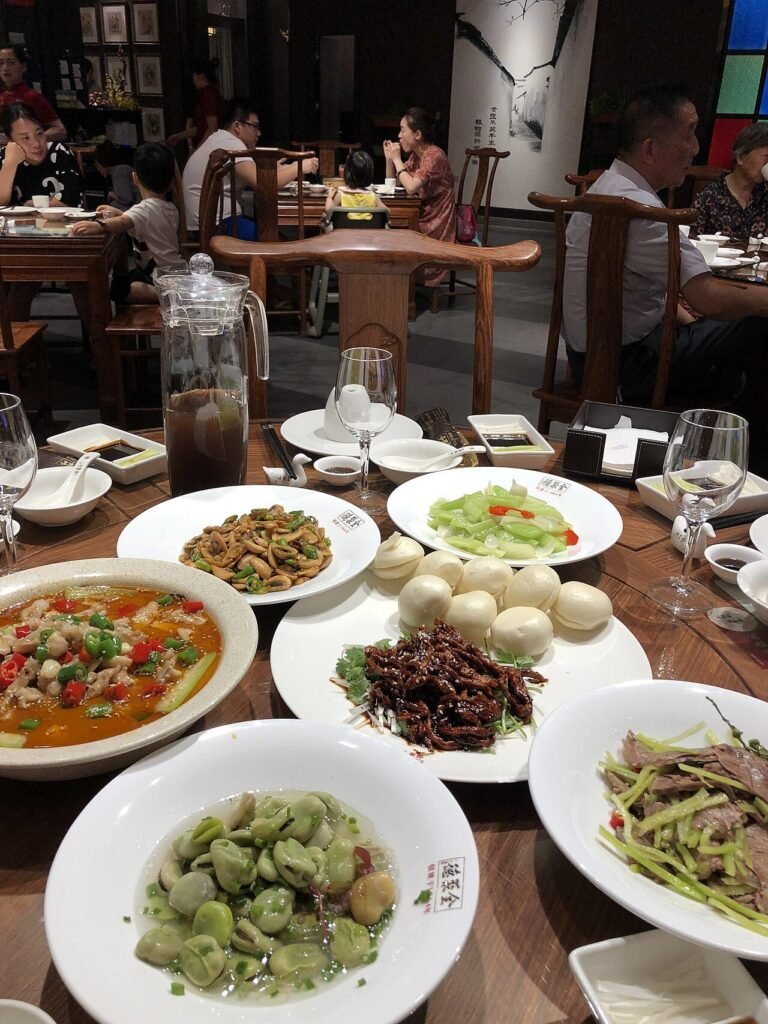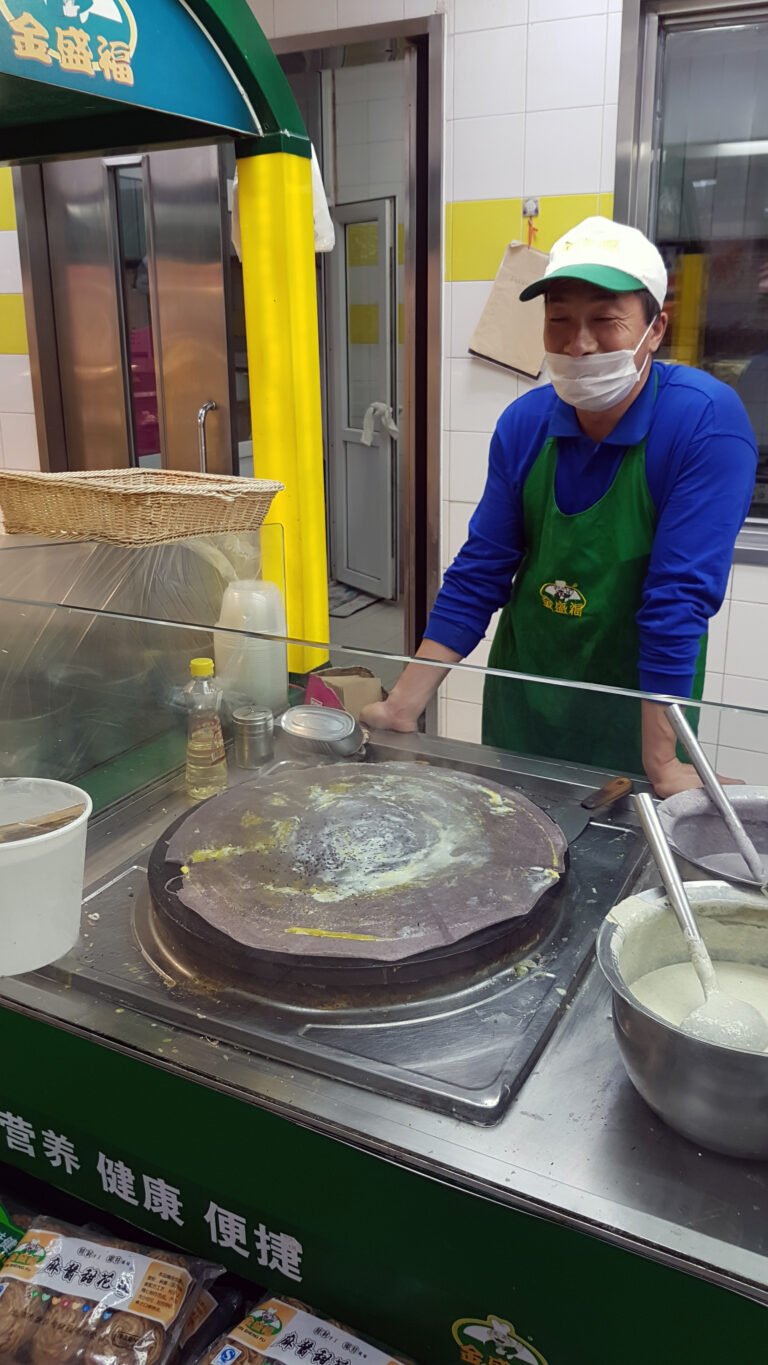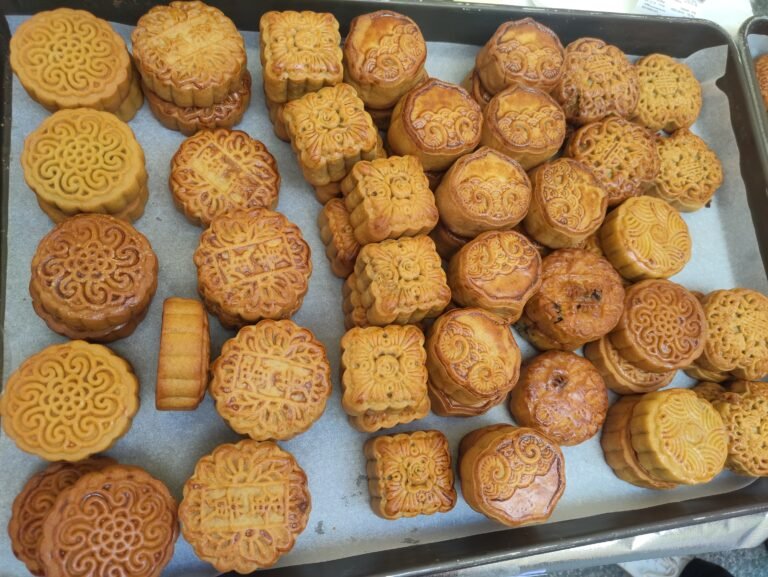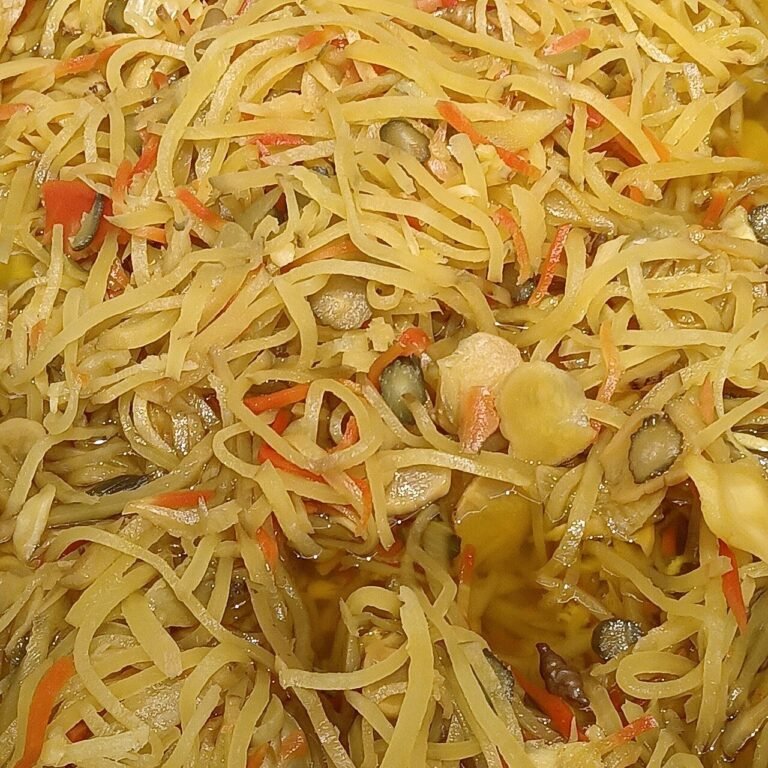
The first time I ate street food in China, I was nervous about my stomach and ended up eating grilled squid off a stick at 11 pm in Chengdu, watching a man roast star anise over coals. That night rewired how I travel. Chinese street food is not a sideshow to the restaurants; in many cities it is the better meal. This map points you to the streets worth your evening in the big cities, with the dishes and the prices I paid in 2023-2024.
Why the street beats the dining room sometimes
Street vendors compete on one dish, dialed in over years. The noodle guy does noodles, the skewer woman does skewers. Theatrics aside, the food is fresher than a banquet because the turnover is relentless. The wider context is in our Chinese street food overview, but the city-level detail is where the plan comes together.
Beijing: the hutong skewers
Beijing street food clusters in the hutongs and around university gates. The late-night staple is yangrouchuan, lamb skewers dusted with cumin and chili, three for 10 RMB in 2024. I like the stretch near Guijie (Ghost Street), though it has gentrified; the honest stalls are deeper in the alleys. Avoid the “Beijing snack street” at Wangfujing, which is a tourist trap selling deep-fried starfish on a stick.
Chengdu and Chongqing: the numbing capital
Chengdu owns the relaxed version, with tofu pudding and sweet egg cakes by day and skewers by night. The Chengdu food guide I wrote lists the alley clusters where the locals actually eat. Chongqing is louder and hotter; its street hot pot spills onto the sidewalk in brass pots. For the full picture, the Chongqing hot pot guide explains the mala broth that defines the city’s street cooking.
Xi’an: the Muslim Quarter after dark
No street food map is complete without the Xi’an night market in the Muslim Quarter. The call to prayer mixes with sizzling lamb and the smell of cumin is everywhere. I ate a hand-pulled noodle bowl there for 15 RMB that beat any restaurant I tried. The stalls run a credit-card-free cash game, so carry small bills.
Shanghai and Guangzhou: the southern ease
Shanghai street food hides in the old lanes and the night markets of Fengjing and Wujiang Road. Guangzhou does the best dawn version, with rice noodle rolls sold from carts at 6 am. For the morning side, the street breakfast map covers the jianbing and congee stalls that open before offices do.
A city-by-city cheat sheet
| City | Signature street bite | 2024 price | Best area |
|---|---|---|---|
| Beijing | Lamb skewers | 3-4 RMB/stick | Hutong alleys |
| Chengdu | Chuanbei tofu pudding | 8-12 RMB | Yulin, Jinli back lanes |
| Xi’an | Biángbiáng noodles | 15-22 RMB | Muslim Quarter |
| Guangzhou | Rice noodle rolls | 6-10 RMB | Dameisha morning carts |
| Chongqing | Street hot pot skewers | 0.5-1 RMB/skewer | Ciqikou lanes |
The night market culture
Chinese night markets are a format, not a cuisine. The Chinese night markets roundup explains how a market in Taipei differs from one in Ürümqi, and why the Xinjiang ones run later and meatier. I treat a night market as a tasting flight: buy one of everything small, share with a friend, walk slowly.
Safety and the stomach
The fear is food poisoning. In practice the high-turnover stalls are safer than a quiet restaurant with a slow fridge. I follow three rules: eat where the queue is local, watch the oil, and skip anything lukewarm that should be hot. In a decade of street eating I have had one bad night, from a beach shellfish stall in Qingdao, not a city street.
How I plan a street food evening
My method is boring but it works. I pick one neighborhood, arrive hungry at 7 pm, and buy one small thing from the busiest stall, then move. The queue is the review system; if a cart has a line of locals at 8 pm it is good, full stop. I keep a separate budget of about 50 RMB and treat it as a tasting flight, never a meal, so I can try six things instead of committing to one plate.
I also scout on foot before buying. Walking one block of a night market tells you which stalls are for photos and which are for eating; the photo ones have English signs and picture menus, the real ones have a grandparent and a wok. In Chengdu I once followed a smell of cumin two alleys off the main drag and found the best tofu pudding of the trip at a stall with no name and no seats.
The north-south split on the stall
The street food of the north is meat and wheat: skewers, buns, and pancakes cooked over open flame. The south leans seafood, rice, and soup, with more sugar and a softer hand. The Chinese night markets roundup makes this split clear: a market in Harbin is lamb and potato; one in Xiamen is oyster and rice. I adjust my expectations by region rather than hunting the same dish everywhere.
There is also a heat gradient. Sichuan and Hunan streets are numb and hot; Guangdong and Fujian are mild and sweet. I tell nervous eaters to start in the south and move west if they want challenge, not the reverse, which can end a trip early. The map above is built so you can choose your comfort level city by city.
Street food and the late train home
A practical note for planners: night markets run late, often until midnight, but the last metro in most cities stops around 22:30 to 23:00. I have been stranded happily, eating one more skewer while calculating a Didi fare. If your market is far from the hotel, either book a car ahead or pick a market near a late bus route. The metro closing times are part of the evening plan, not an afterthought; I check them before I start eating.
The Didi surge after a food night is real but small; a 20 RMB ride becomes 35 RMB at midnight, not a crisis. I keep a translation phrase for “take me to this address” and pin the hotel in the app before I start eating, so I am not fumbling a map with greasy hands. The street food map above is built so each city’s best stalls sit near a station you can actually catch.
What I pack for a street food night
A small kit makes the evening smoother: a pack of tissues because stalls rarely offer them, a hand sanitizer, and small cash because the card reader at a cart is the exception. I also carry a foldable chopstick set, not for hygiene theater but because some stalls hand you a flimsy disposable pair that snaps. A phone with the translate app and the hotel pinned is the real tool; everything else is optional.
One last tip on trusting the queue
The single best rule I can leave you is to eat where the locals queue and walk past the stalls with laminated English menus and neon signs. The queue is the only review system that cannot be bought, and in a Chinese night market it is loud, visible, and honest. I have overridden my own caution a dozen times to follow a line of students, and I have never regretted the choice, while every “famous” stall I picked for the sign let me down. Let the crowd be your guide and the map above simply tells you which crowd to find.
Quick facts
- Best hours: 6-9 am for breakfast carts, 8-11 pm for skewers.
- Payment: small cash or Alipay; cards rarely work at carts.
- Price signal: a long local queue beats any review app.
- Region note: the northwest skewers are lamb, the south leans seafood and rice.
- Language: point and hold up fingers for quantity; most vendors read the gesture.
Frequently asked questions
Is street food safe for foreigners?
Mostly yes if you pick busy stalls. High turnover means fresh oil and fast cooking, which kills most bugs. I avoid pre-cut fruit sitting in the sun.
How do I pay at a street stall?
Alipay with a tourist link, or cash. Many vendors do not take foreign cards. Carry 10 and 20 RMB notes; change is short at busy stalls.
Which city has the best street food?
Chengdu and Xi’an are my top two for variety and flavor per yuan. Guangzhou wins for breakfast. It depends whether you like heat or comfort.
Are night markets just for tourists now?
The famous ones, yes, partly. The real eating is in the side lanes a block off the main drag, where prices drop and locals crowd in.
Can vegetarians eat street food?
Harder but possible: grilled corn, tea eggs, radish cakes, and rice rolls. Confirm no lard or meat broth; skewer stalls reuse the same grill.
What should I not eat from a cart?
Shellfish in landlocked cities, anything that has sat at room temperature, and “exotic” deep-fried bugs aimed at cameras rather than appetites. Save the adventure for the coast.
Do markets run year-round?
Most do, but winter thins the outdoor spreads in the north. Southern cities like Guangzhou run stalls every day regardless of season.
Want a street food route matched to your cities and dates? Reach us through the contact page and we will mark the alleys worth your evening.
Written by the ChinaTravelFood editorial team.