The short version
Basha is a Miao village in southeastern Guizhou, near the county of Congjiang, known as the “last gun-toting tribe” because the men are allowed to carry and fire muzzle-loading rifles that the state banned elsewhere decades ago. It is a working village, not a stage set, of wooden stilt houses on a hillside, where the men keep a topknot, carry a rifle, and the boys get their first haircut with a small sickle at birth. I went on a market day and the lane was full of women in embroidered dress and old men cleaning their guns in the sun, and the combination of the everyday and the unusual is exactly why the place sticks. Basha is small, so a half day is enough, but it pairs with the karst country around it for a longer Guizhou stop.
This guide covers how to reach Basha, what you will see, the gun and hair traditions, and how it fits a minority-cultures trip with the Libo Zhangjiang karst and the China minority cuisines on the table. For the wider eating picture, the Yunnan cuisine guide and the Guilin food guide are the regional neighbors.
What Basha is
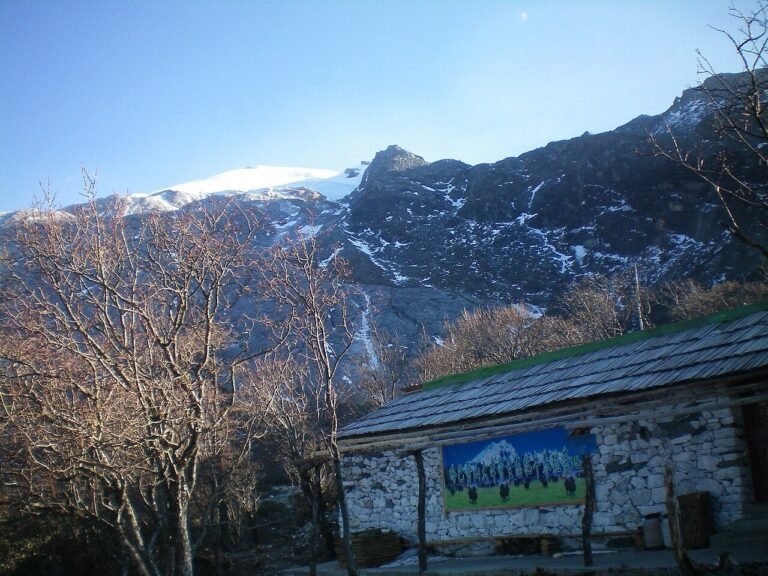
The village sits on a wooded hill above the Congjiang valley, a cluster of dark timber houses with shingled roofs, and the people are a branch of the Miao who hold to customs most of the country dropped. The men’s topknot, the carrying of the hunting gun, and the sickle haircut are the three marks visitors come to see, and all three are still lived, not performed on demand (though the village does put on a short welcome show with gun fire for tour groups). The setting is the point as much as the custom: a quiet hill community in a province of dramatic karst, where the pace is slow and the lane is the main street.
Guizhou is one of China’s most minority-dense provinces, and Basha is the sharpest example of a tradition held intact. The minority cuisines of the region, sour and smoked and river-based, are the food side of the same culture you see in the houses.
Getting there
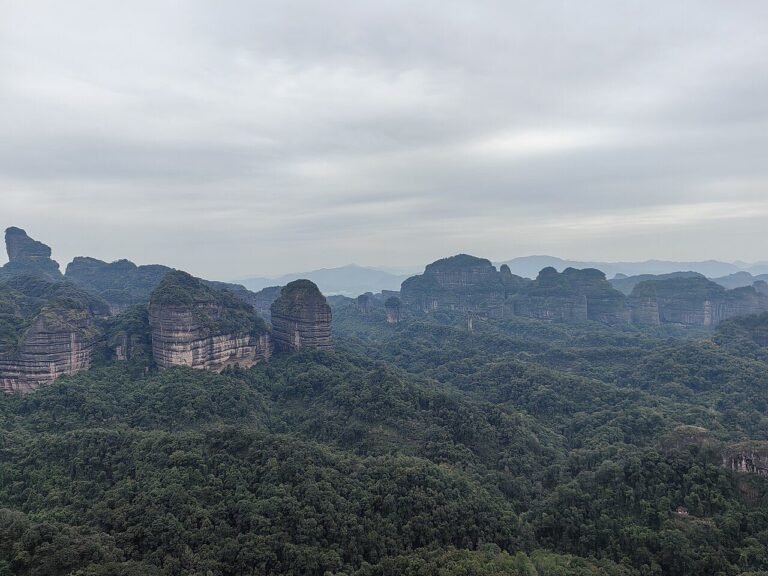
Basha is about 7 kilometers from Congjiang, which is on the high-speed line through southeastern Guizhou, reachable from Guiyang, Guilin, and Guangzhou. From Congjiang a taxi or a local bus runs to the village gate, and the walk up the lane to the houses is short. The nearest airport hub is Guiyang, a few hours north by train. A car for the day lets you add the nearby villages and the Libo Zhangjiang karst, the seven small arches and the waterfalls that are the scenic counterpoint to the culture stop.
| From | Mode | Time | Note |
|---|---|---|---|
| Guiyang to Congjiang | High-speed train | about 1.5-2 hours | Hub airport and rail start |
| Guilin to Congjiang | High-speed train | about 1-1.5 hours | Links the karst regions |
| Congjiang to Basha | Taxi or bus | 20-40 min | Short hop up the hill |
The high-speed rail network is what opened this corner of Guizhou; before the line, it was a long bus ride from anywhere.
The guns, the hair, the welcome
- The rifles: muzzle-loading, fired for the welcome show and cleaned by the men in the lane. They are a granted exception, not a loophole, and the sound of the volley is the village’s signature.
- The topknot: Basha men keep a small hair knot, cut with a sickle, that marks them as the “hair-cut tribe.” Boys get the first cut as infants.
- The welcome show: a short set piece with gunfire, a walk, and a song, put on for groups. It is staged but uses the real custom, and tipping the performers is expected.
- The houses: wooden stilt homes, some with the pigs and the grain at ground level and the family above, the classic southern-minority build.
The photography etiquette in China matters here more than at most sites: the villagers are not exhibits. Ask before you frame someone, pay the small fee for a portrait, and do not wander into a home uninvited. A little courtesy gets you far better pictures than a long lens from the lane.
Food in the village and around
The Basha table is the Guizhou minority staple: sour fish, smoked pork, the pickled vegetables that define the regional sour note, and sticky rice steamed in a basket. The villages around sell the dried chilies and the cured meat at the small markets, and a homestay dinner is the way to eat it properly. The China minority cuisines guide covers the sour-and-smoke pattern across the southwest, and the Yunnan cuisine guide to the west shares the mushroom-and-flower side of the same hill culture. For a longer eat, the Guilin food guide north is where the river fish and the beer fish come in.
Staying and the homestay option
You can day-trip Basha from Congjiang, but the better version is a night in a village homestay, where the China homestay experience is real rather than curated: a wood house, a wood-fire dinner, and a lane that goes quiet after dark. Congjiang town has the chain hotels and the train access; the villages have the character. If you want the culture arc, string Basha with the Libo Zhangjiang karst and the Dong drum-tower villages nearby for two or three days of minority Guizhou.
When to go
Spring and autumn are the comfortable windows; the village’s own festival days (often around the harvest and the new year by the local calendar) are the lively times but also the crowded ones. Summer is hot and humid; winter is cold and quiet. The best months to visit China hold, with the Guizhou note that the spring is green and the autumn is clear, both good for the hill walk and the photos.
Crafts, souvenirs, and a sample day
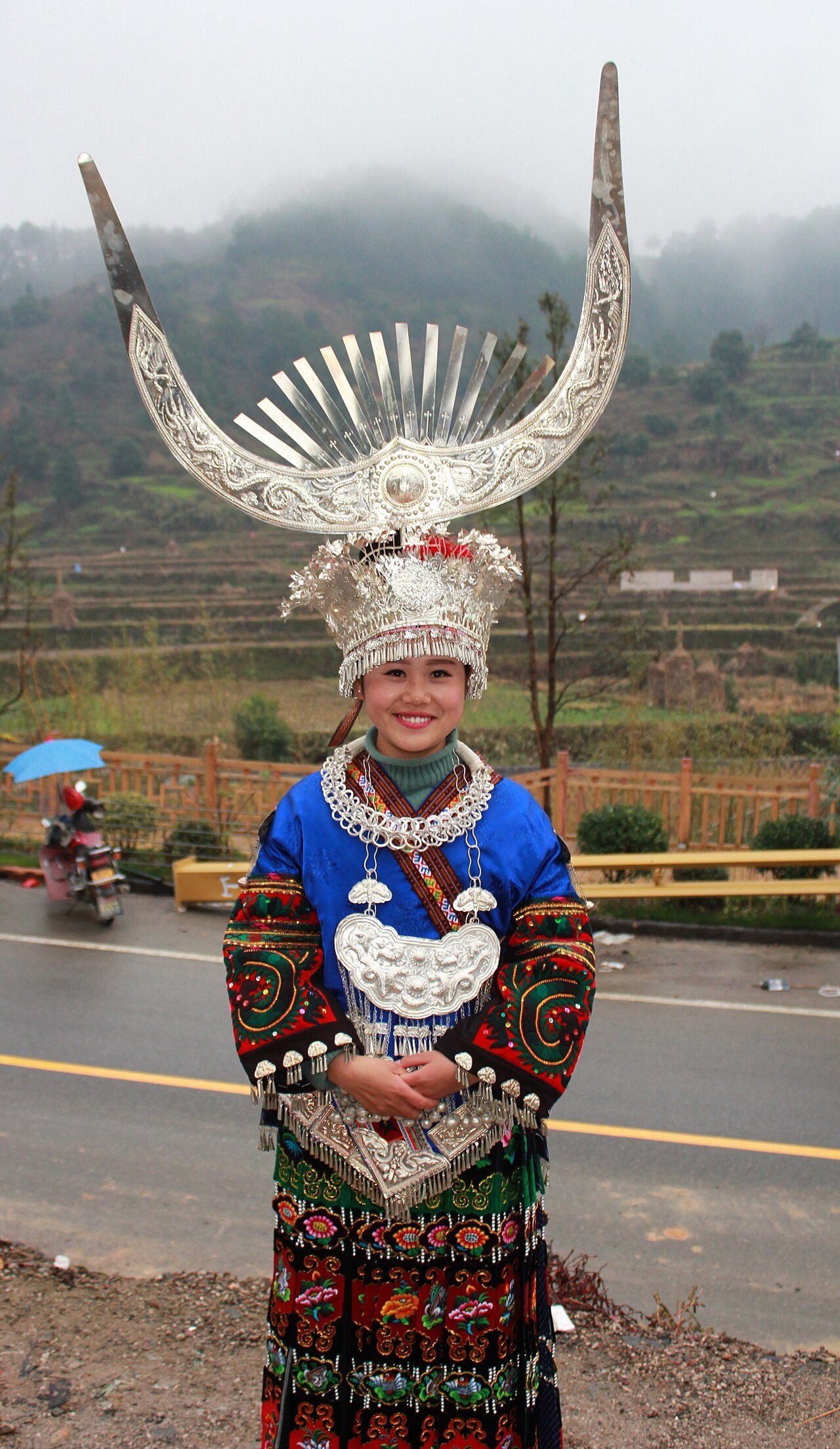
The lane sells the village’s own work: the embroidered panels the women stitch, the silver the Miao are known for across the southwest, the small sickle-shaped tools that nod to the haircut custom, and the dried chilies and cured meat from the market. Buy from the maker where you can; the embroidery especially carries the patterns that mark the branch, and a piece from the lane is a more honest souvenir than the same item in a city shop. The food souvenirs from China guide lists the cured and dried goods of the region if you want to carry the table home.
A workable day from Congjiang:
| Time | Plan | Why |
|---|---|---|
| Morning | Train to Congjiang, taxi to Basha | Arrive before the show crowd |
| Midday | Walk the lane, watch the guns and hair | The custom, up close |
| Lunch | Homestay or village meal | Sour fish and sticky rice |
| Afternoon | Nearby Dong village or back to Congjiang | Add a second minority stop |
If you have two days, give the second to the Libo Zhangjiang karst and its waterfalls, which balance the culture with scenery. The China minority cuisines thread runs through both, so the food stays consistent as the backdrop changes.
Quick facts
- Basha is a Miao village near Congjiang in southeastern Guizhou.
- The men carry muzzle-loading rifles, a state-granted exception.
- Boys get a sickle haircut and keep a topknot as a custom.
- It is about 7 km from Congjiang, on the high-speed line.
- The village puts on a short gunfire welcome show for groups.
- A homestay night beats a day trip for the real feel.
Frequently asked questions
How long do I need?
A half day covers the lane and the show; a night in a homestay gives the quiet version. Pair it with Libo Zhangjiang for a two- or three-day Guizhou stop.
Are the guns real?
Yes, muzzle-loading and fired for the welcome show. The right to carry them is a granted exception, not something visitors can try. Treat them as the villagers’ and keep your distance at the volley.
Is it too staged?
The welcome show is staged, but the village life around it is real. Go on a market day and walk the lane off-show; the photo etiquette rules help you get honest pictures.
How do I get there?
High-speed train to Congjiang, then taxi or bus up the hill. The high-speed rail reaches Congjiang from Guiyang and Guilin.
What is the food like?
Sour, smoked, and sticky-rice based. The minority cuisines guide and the Yunnan cuisine guide cover the regional table; a homestay dinner is the best way to eat it.
Can I stay overnight?
Yes, and the homestay China option is the better call. Congjiang has the chain hotels if you prefer a base and a day trip.
Is it respectful to photograph?
Ask first, pay the small portrait fee, and do not enter homes uninvited. The photography etiquette note is the short version; the villagers are people, not props.
How does it compare to Fenghuang?
The Fenghuang ancient town is a tourist river town; Basha is a working hill village with a live custom. Fenghuang is prettier at night, Basha is more real by day.
Planning a Guizhou minority route
Basha is best as a half day or a night on a rail line through minority Guizhou, paired with the Libo Zhangjiang karst and the Dong villages nearby, with the China minority cuisines as the thread at every stop. Tell us your rail start, whether you want the homestay or the hotel, and how much you care about the gun custom versus the daily life, and we can set the order so you arrive on a market day and leave with a full memory card. The village is fixed; the route to it is what we shape.
Written by the ChinaTravelFood editorial team.