Why food makes the best souvenir
On my first trip home from China I lugged a carved teapot that broke in the suitcase and a silk scarf nobody wanted. On later trips I started bringing back food, and those bags were the ones people actually appreciated. Edible souvenirs are light, they do not shatter, and they let friends taste something of the place instead of displaying another keychain. The trick is knowing what survives the flight, what clears customs, and what is worth the luggage weight.
This is less a shopping list than a field guide. Some items keep for months; others you should eat within the week. A few need a working kitchen at home, and a couple are better enjoyed on the spot and replaced with a photo. Below I split the good candidates by how travel-friendly they are, because nothing is sadder than arriving home to a bag of mold.
Tea: the safe and classy choice
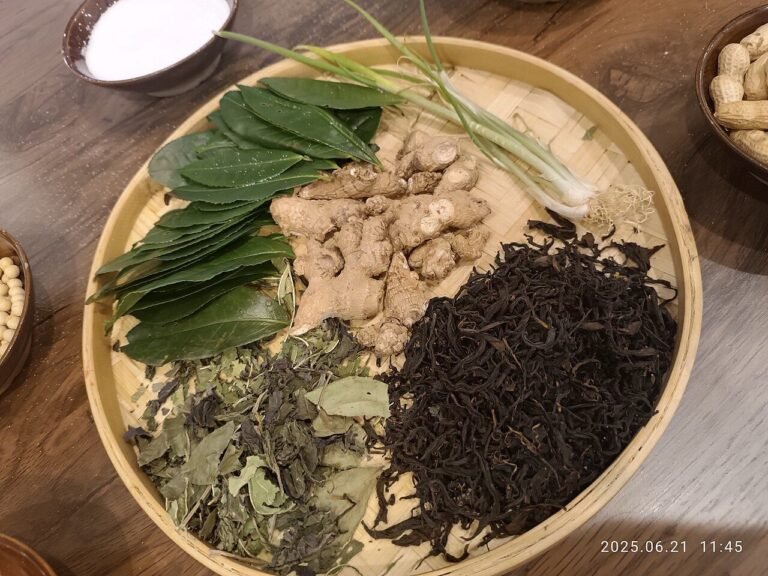
Chinese tea travels beautifully and impresses anyone who drinks it. Green teas like Longjing from Hangzhou are delicate and best bought fresh in spring, but they still keep for months if sealed. Oolong, black tea, and aged pu-erh are sturdier and improve with time. Avoid the airport tins aimed at tourists and instead visit a proper tea shop where you can smell the leaves. Our Chinese tea guide explains the families so you can buy with confidence instead of guessing at pretty packaging.
Pu-erh, compressed into cakes, is the most giftable because it is compact and has a long shelf life. Just keep it dry and away from strong smells, since the leaves absorb odor like a sponge.
Sauces, spices, and the stuff that flavors a kitchen
This is where China shines for cooks. A bottle of good soy sauce, a jar of fermented chili bean paste, and a bag of Sichuan peppercorns will transform your home cooking more than any gadget. The peppercorns lose their tingle over time, so buy them where they are freshest and use them within a few months. Our Sichuan peppercorn article covers what to look for and why the numb heat is worth chasing.
Chili oil and the crisp red oil used in Sichuan dishes are easy to carry and impossible to fake well at home. The chili oil piece explains the real thing if you want to try, but a shop-bought bottle from Chengdu is a fair shortcut. Black vinegar from Shanxi and the lighter rice vinegars also travel well; the Chinese vinegar guide sorts out which does what. And do not overlook soy: the soy sauce explainer will keep you from grabbing the wrong bottle in a wall of near-identical labels.
| Item | Keeps for | Customs risk | Best for |
|---|---|---|---|
| Sealed tea cakes | Years | Low | Gifts, personal stock |
| Bottled soy sauce | 1-2 years | Low if sealed | Cooks |
| Sichuan peppercorns | 3-6 months | Low (dried) | Cooks |
| Mooncakes (fresh) | 2-4 weeks | Medium (perishable) | Eating soon |
| Fresh noodles | Days | Medium | Eating in China |
Sweets and festival foods
Mooncakes are the classic gift, especially around the Mid-Autumn Festival, but be warned: the traditional versions are dense, sweet, and an acquired taste for Western palates. The modern snow-skin and fruit versions travel poorly and melt, so stick to the sturdy baked ones if you are gifting. Our mooncakes article breaks down the fillings so you can pick a box people will actually finish. Lotus seed paste and red bean are safe; the savory pork versions are a gamble for newcomers.
Preserved fruits, candied ginger, and bags of spiced melon seeds are light, cheap, and cheerful. They will not win any culinary awards, but they are fun to share and take almost no space.
What not to bring home
Fresh fruit, meat, and most dairy are restricted or banned by many countries, and customs officers care more about your declaration than your explanation. Leave the fresh durian alone on the plane, and skip anything unsealed or obviously perishable unless you plan to eat it before you fly. I once tried to carry a vacuum-packed duck neck through Europe and spent twenty minutes at a counter explaining myself; not worth it.
Also resist the giant novelty packages of “Chinese snacks” in gift shops near monuments. They are overpriced and often stale. The good stuff is in neighborhood supermarkets and specialist stores.
Where to shop
Large supermarkets like those in any Chinese city have a sauce and tea aisle that beats airport duty-free on price. For tea, find a dedicated shop and ask for a taste. For regional specialties, buy in the region: Sichuan pepper in Chengdu, vinegar in Shanxi, tea in Hangzhou or Fujian. Markets are sensory overload in the best way, and the wet markets guide helps you navigate one without embarrassment.
Packing and customs
Seal everything in zip bags in case a sauce leaks at altitude. Keep receipts for valuable tea in case you need to prove value. Declare food items honestly on arrival forms; most sealed, shelf-stable goods are fine, and a truthful declaration avoids fines. Check your home country’s rules before you fly, because they change and I am not your customs officer.
Tea as a gift that actually travels
I keep coming back to tea because it solves the souvenir problem better than almost anything else. It is light, it keeps, and a small cake of pu-erh or a tin of Anji white tea fits in any suitcase corner. The one trap is freshness: green teas degrade within months, so buy them in spring and use them within the year. Oolong and black teas hold longer, and pu-erh improves. When gifting, a named origin matters more than fancy packaging; “Fujian oolong” means little, but “Tieguanyin from Anxi” tells the receiver something real.
If you are unsure what someone drinks, a mild green or a ripe pu-erh is the safe bet, since both suit Western palates more than smoky or fermented styles. The Chinese tea guide breaks down the families so you can match the gift to the drinker instead of guessing. I have had more success gifting two small samples than one expensive tin, because people like the chance to explore.
A packing checklist before you fly
Before you close the bag, run through a few steps that save grief later. Seal every sauce and oil in its own zip bag, then wrap in clothing; cabin pressure finds weak lids. Keep receipts for anything valuable, especially tea, in case customs asks. Photograph the labels of items you liked so you can reorder or describe them at home. And check your destination’s rules one last time, because agricultural restrictions shift and a quick official-site check beats a confiscated suitcase.
For perishable items like mooncakes, decide upfront whether they will be eaten before you fly or given immediately on arrival. The food festivals China calendar helps you time a trip so festival foods are fresh rather than stale by the time you travel. A little planning turns a random bag of snacks into a thoughtful, legal, and tasty haul.
Reading labels in Chinese
A little character recognition saves money and disappointment. The word for tea is 茶 (cha), soy sauce is 酱油 (jiangyou), and vinegar is 醋 (cu); spotting these on a bottle tells you what aisle you are in. Avoid packages where the only English is a vague “Chinese specialty” and the price is ten times the local norm. Market stall holders are usually happy to show you the characters for what you want if you show them a photo on your phone. The effort pays off: I once grabbed a discounted “tea” that was actually a medicinal herb, harmless but undrinkable, purely because I skipped the label. Five minutes of looking beats a suitcase of regret.
Quick facts
- Tea and sealed sauces are the safest, longest-lasting food souvenirs.
- Sichuan peppercorns lose potency after a few months; buy fresh.
- Fresh, perishable, and meat items often fail customs.
- Buy regional specialties in their home region for quality and price.
- Pack sauces in zip bags to survive cabin pressure.
- Declare all food honestly on arrival forms.
Frequently asked questions
What food can I bring into the US or EU from China?
Sealed, shelf-stable items like tea, packaged snacks, and commercial sauces are generally allowed, while fresh fruit, meat, and most dairy are not. Rules differ by country and change, so check the official customs site before you fly and declare everything.
Is it better to buy tea at a shop or the airport?
A dedicated tea shop offers fresher leaves and better prices than airport tins. The airport is fine for last-minute gifts if you know what you want and accept a markup.
How long does Sichuan peppercorn keep?
Properly stored in an airtight container away from light, it stays potent for about three to six months. After that the numbing quality fades. Freeze it if you buy in bulk.
Are mooncakes a good gift?
The sturdy baked ones make a culturally meaningful gift, especially near Mid-Autumn. The snow-skin types spoil fast and should be eaten in China. Pick lotus or red bean fillings for cautious eaters.
Can I bring hot pot base packets home?
Sealed commercial packets are usually fine, but the oily ones can leak and the strong smell draws inspection. Pack them carefully and declare them. Fresh or homemade pastes are riskier.
Where should I shop for souvenirs in China?
Neighborhood supermarkets and specialist stores beat tourist-gift shops on price and freshness. Regional items belong in their home region. Markets are great for atmosphere and small packs.
How do I keep sauces from leaking?
Put each bottle in its own sealed zip bag, then wrap in clothing inside your checked bag. Cabin pressure can force lids open, so double-bag anything valuable or strongly scented.
Written by the ChinaTravelFood editorial team.