Xijiang Miao Village: The Thousand-Household Terrace Town
What hits you when you step off the bus
I arrived in Xijiang (西江) on a grey afternoon in late October, the kind of weather where the mist sits on the hills and refuses to lift. The bus from Kaili dropped me at the upper gate, and the first thing I noticed was not the famous view but the sound. A recording of a lusheng (芦笙, a reed-pipe instrument) ensemble plays on a loop near the ticket turnstiles, and under it you can hear the actual river moving through the valley. Xijiang Qianhu Miao Village, the “Thousand-Household Miao Village,” is the largest settlement of Miao people in China, and they are not shy about being watched.
The terraced wooden houses climb both sides of the Baishui River in steep tiers, and when the dusk lights switch on they look like a city that grew sideways out of the mountain. I have seen the postcard version a hundred times, but standing at the viewing platform above the river, I understood why people call it the best night panorama in Guizhou. The flip side is that you are never alone here. On a national holiday the main lanes are shoulder to shoulder. I went in the off-season and still shared the viewing deck with a wedding photographer and a film crew.
A quick history of the terraces
The Miao (also known as Hmong across the wider region) moved into these valleys over many centuries, pushed south and west by wars and crop failure in the central plains. Xijiang itself is said to have been settled around eight or nine generations ago, though the oral histories disagree on the exact count. What matters for a visitor is that this is a living community, not a restored film set. People here still wear embroidered dress for festivals, still raise fish in the flooded rice paddies, and still argue about parking.
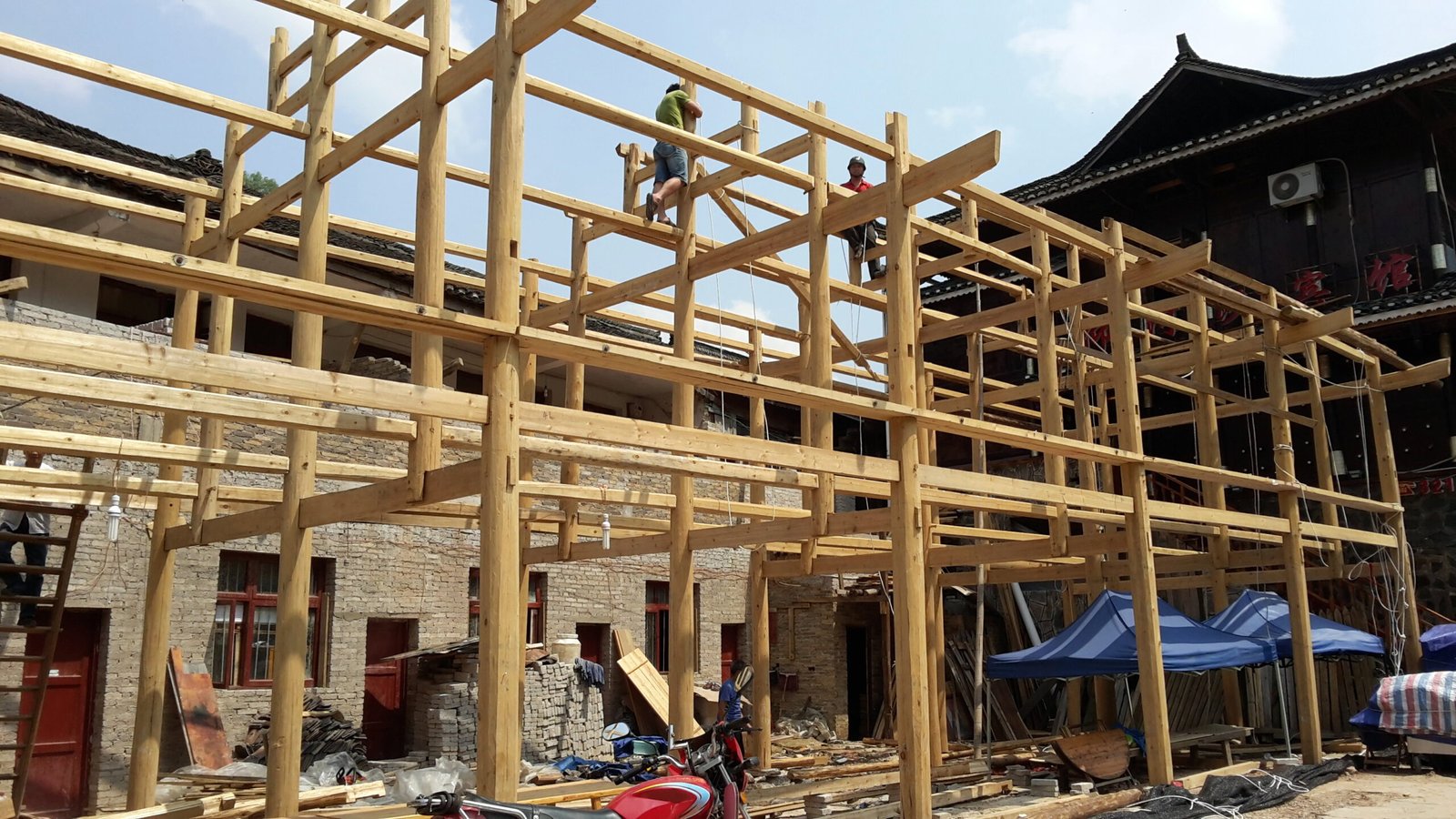
The village is split into several neighborhoods, each with a drum tower (鼓楼) where elders once settled disputes and where the young now gather with phones. The wooden architecture is the stilt-house style called diaojiaolou (吊脚楼), built on posts driven into the slope so the lower floor stays dry and the upper floor stays level. Walk the lanes long enough and you find workshops where women dye cloth with indigo and wax-resist patterns, then beat it against flat stones by the river to soften the fibers.
Why the silver matters
Silver is the signature of Miao dress in this part of Guizhou. A full festival outfit can carry several kilos of hand-worked silver: neck rings, hairpieces, bangles, and the broad collar plates that catch the light when a dancer turns. I watched a silversmith in a lane off the main strip hammer a sheet thinner than paper, and he told me (through a translator app) that the family had worked metal for four generations. Buy it if you like it, but ask whether the piece is solid silver or plated; the price difference is large and nobody is required to volunteer the truth.
Food you should actually eat
Guizhou cooking leans sour and hot in a way that surprises first-time visitors from the north. The dish everyone points you to here is suantangyu (酸汤鱼), fish cooked in a fermented tomato-tomato… no, a fermented red-tomato-and-rice sour broth that tastes brighter than the word “sour” suggests. It is nothing like the sweet-and-sour sauce from a takeout box back home. The fish is usually a local river species, killed to order, and the broth is meant to be spooned over steamed rice.
Around the village you will also find:
- Cured pork and ribs smoked over green wood, sliced thin and eaten with sticky rice.
- Sticky (glutinous) rice wrapped in leaves, sold from baskets by women sitting on low stools.
- Sour cabbage and pickled beans that cut the richness of the meat.
- Mi xian (米粉), the rice noodles that show up at every meal, including breakfast.
- A strong clear rice wine, often offered to guests in small horn cups; decline gently if you are heading up the stairs afterward.
If you want a wider frame on what the region eats, our sampler of China’s minority kitchens covers the bigger picture. And if you are building a Guizhou route, the riverside old towns of Fenghuang and the quiet river town of Zhenyuan make natural companions. I have written about both: Fenghuang’s stilt-house old town and the quiet river town of Zhenyuan.
Getting there and getting around
Most people reach Xijiang from Kaili, the nearest transport hub, which has a high-speed rail station on the line from Guiyang. From Kaili there are direct buses that take roughly an hour, though the schedule shifts by season so confirm at the station. A private car or Didi from Kaili is more comfortable and not wildly expensive if you split it with others. Guiyang, the provincial capital, is the real entry point, with an airport and fast trains.
Inside the village the lanes are pedestrian. Wheeled bags are a genuine pain on the stone steps, so pack light or use the porters who wait near the gates with woven straps. The river walk is flat and pleasant; everything above it involves stairs. I counted roughly two hundred steps from the lower bridge to my guesthouse and stopped counting because the view kept interrupting.
Where to stay
You have two real choices. Stay inside the village for the night view and the morning quiet before the day-trippers arrive, or stay in the newer strip just outside the gate where the hotels are bigger and the prices lower. I chose a family-run guesthouse halfway up the western hill. The downside was the climb; the upside was stepping onto my balcony at 6 a.m. to a valley full of woodsmoke and no crowd. Book ahead if you travel in the spring festival period or the May and October holidays, when rooms inside the village sell out weeks early.
Best time to go, and when to skip it
The village sits at around 800 to 900 meters, so summers are warm and humid, winters chilly and damp. I liked late October: cool, clear mornings and thin crowds. Spring brings green terraces and more festival days. The single worst time is the National Day week in early October, when the whole of China is on the move and Xijiang’s narrow lanes clog. For a broader sense of timing across the country, our month-by-month guide to the best weeks to travel China is worth a read before you commit.
| Place | Main draw | Crowd level (off-season) | Best for |
|---|---|---|---|
| Xijiang Miao Village | Miao culture, night view, terraced houses | Moderate | Culture, photography, food |
| Fenghuang | Riverside stilt houses, lit bridges | Moderate | Easy wandering, night scene |
| Zhenyuan | Quiet river bend, temples, less commerce | Low | Slow travel, fewer tourists |
| Lijiang | Naxi old town, mountain backdrop | High | Mountains plus old-town life |
| Hongcun | Painted lake-and-bridge composition | Low to moderate | Painters, calm walks |
Etiquette and small annoyances
The Miao here are used to cameras, but a few rules keep you welcome. Ask before photographing someone in full dress; most will smile and pose, and some will expect a small payment, which is fair. Do not walk into a family’s lower courtyard as if it is a shop. The drum-tower squares are public, the houses are not. The “welcome gate” performance, where women in costume block the lane with a horn of rice wine, is optional; if you drink, you are expected to keep walking and not argue about the price of the cup.
One more thing that caught me out: the light show. The hillside lights switch on around sunset and switch off near 11 p.m., and the silence after they go dark is its own reward. Stay for it. The day-trippers are gone by six, and the village belongs to the people who live there again.
Quick facts
- Location: Leishan County, Qiandongnan Miao and Dong Autonomous Prefecture, Guizhou.
- Scale: said to be the largest Miao settlement in China, with over a thousand households.
- Nearest rail hub: Kaili, on the Guiyang high-speed line.
- Signature sight: terraced stilt houses lit along the Baishui River at night.
- Must-try food: suantangyu (sour fish soup), smoked pork, sticky rice, rice wine.
- Crowd tip: avoid National Day week; late October was calm when I visited.
- Note: ticket and shuttle prices change, so check the official site before you go.
Frequently asked questions
How many days do I need in Xijiang?
One full day covers the main lanes, a drum tower, a craft demo, and the night view. Two days lets you walk the higher paths and catch the morning market without rushing. I would not give it three unless you are using it as a base for nearby villages.
Is it too touristy to be worth it?
It is commercial, no question. But the commercial layer is thin in places, and the terraces, the river, and the older residents are real. Go off-season and walk past the main drag, and you find the village underneath the brand.
Can I visit other Miao villages nearby?
Yes. The Basha Miao near Congjiang still carry rifles for ceremony and keep a sharper traditional line; I wrote about the gun-carrying Miao of Basha separately. Smaller hamlets around Leishan are reachable by local bus if you have time.
What should I wear?
Comfortable shoes with grip. The lanes are stone and steep, and it rains often. A light rain shell beats an umbrella on the narrow stairs. In winter bring a warm layer; the damp cold goes through thin jackets.
Is the food safe for visitors?
The cooked food is fine. The raw pickles and the unboiled river water are not things I would risk. Stick to hot dishes and bottled or boiled drinks, the same rule I follow across the country, as noted in our food and water safety notes for travelers.
Do I need a guide?
Not for the village itself, which is walkable and signposted in both Chinese and English. A guide helps if you want the embroidery and silver explained in depth, or if you plan to reach the remote hamlets where no English is spoken.
How do I combine this with Lijiang or other towns?
Lijiang is far to the west in Yunnan and better as a separate trip. For a Guizhou loop, pair Xijiang with Zhenyuan and Fenghuang (just across the border in Hunan). Lijiang’s Naxi old town is useful only if you are already heading that way.
If you want help stitching Xijiang into a wider Guizhou or Yunnan food-and-travel route, our team can plan a custom itinerary. Reach us through the contact page and tell us how many days you have and how much walking you tolerate.
Written by the ChinaTravelFood editorial team.