The mountain that became a founding myth
Jinggangshan (井冈山) is where the early Communist movement in China took root as a rural base in 1927, and for Chinese travellers it carries a weight that a foreign visitor only partly feels on the first day. I went expecting a political theme park and found instead a real mountain range of bamboo, mist, and narrow ridges, with the history laid into it rather than painted over it. The two stories, the landscape and the revolution, sit together so completely that you cannot see one without the other.
The short version of the history: after a failed uprising in the cities, Mao Zedong and others brought a small force into these mountains and built a base, the start of what became the longer rural struggle. The sites from that period, the former residences, the mountain passes where small forces held off larger ones, and the memorials, are the reason domestic tourists come in numbers. As a foreign visitor you get the scenery for free and the history as a bonus you should actually read.
What the place actually looks like
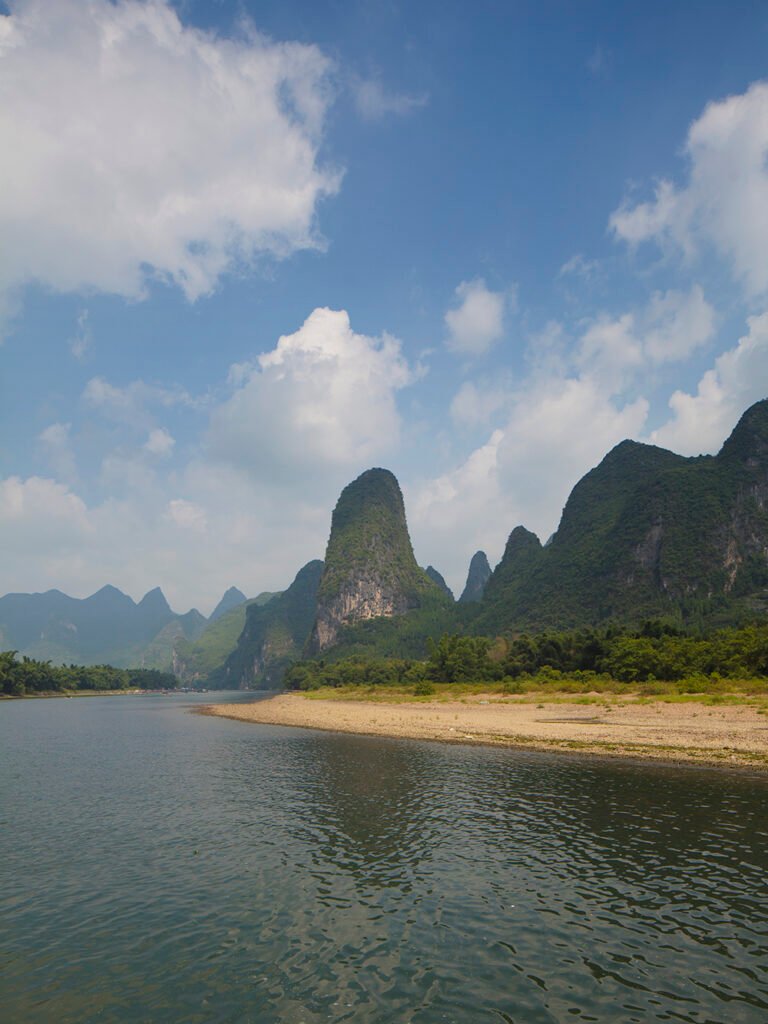
The range is in the border hills of Jiangxi and Hunan, a tangle of green peaks, deep ravines, and streams that run hard after rain. The bamboo is the dominant plant, thick stands that creak in the wind and turn the light green at the floor. In the early morning the whole area fills with cloud that sits in the valleys and leaks over the ridges, and that mist is the single most beautiful thing about the place. I got up before six one day and stood at a lookout while the cloud rolled, and it was worth the cold.
There are waterfalls, the best known being the Five-Dragon Pond series, a set of drops linked by a trail that is slick after rain. There are also ridges you can drive or bus to for wide views, and the famous Huangyangjie pass, the high point where the defensive story is told with a monument and a small museum.
Seeing the revolutionary sites without boredom
This is the part foreign visitors skip, and I think that is a mistake, not because the politics matter to you but because the sites explain the layout of the whole area. The former residences are small, plain buildings, and the museums are earnest and heavy on text. Take a guide if you can, because the context turns a row of old houses into a story.
My advice is to alternate. Do a viewpoint in the morning, a site before noon, a waterfall after lunch, another site late, so the day never turns into a lecture. The scenic area runs a bus loop that connects the main points, and that loop is the only practical way to move, because the sites are spread across a large mountain district.
Getting in and getting around
Jinggangshan has its own small airport with limited flights, and the easier approach is the train to Ji’an or a bus connection, then up the mountain. High-speed rail has reached the region and cut old travel times, so check China’s high-speed rail for the current routing, and book Chinese train tickets ahead in holiday periods when domestic red-tourism crowds swell. Inside the scenic area you must use the official shuttle buses; private driving is restricted on the mountain roads.
Tickets and the bus system
Entry is by a combined ticket that covers the scenic area and the shuttle buses, running around 160 to 190 yuan as of 2024, with the price set by season and revised now and then, so confirm at the gate. The ticket usually lasts a couple of days, which is useful because you cannot see it properly in one push. The buses run on fixed loops and stop at the main sites; plan your day around their timetable rather than your own schedule.
| Stop type | Example | Why go |
|---|---|---|
| Viewpoint | Huangyangjie pass | High ridge, history, wide view |
| Waterfall | Five-Dragon Pond | Trail and drops after rain |
| Residence site | Former leaders’ houses | Understand the base story |
| Museum | Revolution memorial hall | Context for the whole area |
| Bamboo forest | Lower trails | Quiet walking, good light |
When to go
Spring and autumn are the comfortable seasons, with green hills and manageable heat. Summer is warm and wet, which means fuller waterfalls but more mosquitoes and cloud that rarely lifts. Winter is cold and quiet and the mist is constant. For a national view, the best months to travel in China point at spring and autumn, and Jinggangshan follows that. The mountain weather shifts fast, so read regional weather patterns before you pack, and bring a rain layer even in dry months because the cloud dumps without warning.
Where to stay and what it costs
There is a tourist town at the base with hotels from basic to decent, and staying there puts you first on the morning bus. Prices rise on holidays. The whole visit, transport up the mountain and food included, runs modestly compared with the headline cities; for a sense of scale, our China travel budget guide puts a place like this in the low-to-mid range. Food is standard Jiangxi and Hunan-border cooking: spicy, with river fish and lots of vegetable dishes, and the bamboo shoots in season are worth ordering.
Responsible visiting
The memorials are active sites of remembrance for many Chinese visitors, so the basic etiquette is simple: keep your voice down at the residences and museums, do not climb on the monuments, and do not turn the photo spots into a fashion shoot. The natural side asks the usual care: stay on the trails in the bamboo, carry your rubbish out, and do not pick at the forest. Our notes on responsible travel in China cover the general habits that keep these places intact.
The sunrise and the sea of clouds
If you stay overnight on the mountain, the reward is the dawn. A couple of the high ridges open onto a “sea of clouds” on clear mornings, where the mist sits in the valleys and the peaks poke through like islands, and the first light turns it pink. I dragged myself out at five once and stood with a handful of photographers and a lot of silence, and it was the best part of the trip. The bus loop starts early enough to reach a viewpoint before the sun, but confirm the first departure the night before, because it shifts with the season.
Bring a thermos and a headlamp if you go; the trail to the lookout is unlit and the cold comes fast at the ridges. The cloud can also fail to show, in which case you have still had a quiet mountain morning that most day-trippers miss. Either way it is the argument for sleeping on the mountain rather than rushing the bus loop and leaving.
Quick facts
- Jinggangshan is a mountain range on the Jiangxi-Hunan border
- Early revolutionary base established in 1927
- Dense bamboo, deep ravines, and frequent valley mist
- Key sites: Huangyangjie pass, former residences, revolution museum
- Scenic shuttle bus required; private driving limited
- Combined ticket around 160 to 190 yuan as of 2024; confirm price
- Ticket often valid for two days
- Reachable by limited flight or train plus bus; rail improving
- Best in spring and autumn; wet summers
- Base town has the hotels and the first morning buses
Frequently asked questions
Is it worth visiting if I am not interested in the history?
Yes. The mountain scenery, bamboo, waterfalls, and mist are genuinely good, and the history is optional context you can take or leave. Most foreign visitors come for the landscape and add a site or two.
How many days do I need?
Two days lets you see the main viewpoints, a waterfall, and a couple of sites without rushing. One day is possible but cramped because the bus loop covers a large area.
How do I get there?
Fly to the small local airport, or take high-speed rail toward Ji’an and connect by bus up the mountain. The rail approach is improving, so check current times and book ahead in holidays.
Do I need a guide?
Not for the scenery. For the revolutionary sites, a guide or audio device helps turn the old buildings into a story. English material is limited, so a guide earns the cost if the history interests you.
Is it crowded?
Domestic red-tourism groups come in numbers, especially on holidays and school trips. The mountain is large enough to find quiet trails, but the main monuments get busy. Go early and off-loop for peace.
What should I wear?
Sturdy shoes for the waterfall and ridge trails, a rain layer, and warm clothes for the misty mornings even in warm months. The cloud can drop the temperature fast.
Can I visit in winter?
Yes, and it is quiet, but cold and often socked in with cloud. Some facilities reduce hours. Spring and autumn are the easier, greener choice.
Jinggangshan suits travellers who want green mountains without the fame and crowds of the headline peaks, and who do not mind a little history with their hike. It pairs well with the cities of Hunan and Jiangxi if you are already in the south. If you want help fitting the buses, the base town, and the rail approach into dates that work, reach out through the contact page. We plan custom food-and-travel routes across China, and the southern hill country is a trip we can shape around your pace.
Written by the ChinaTravelFood editorial team.