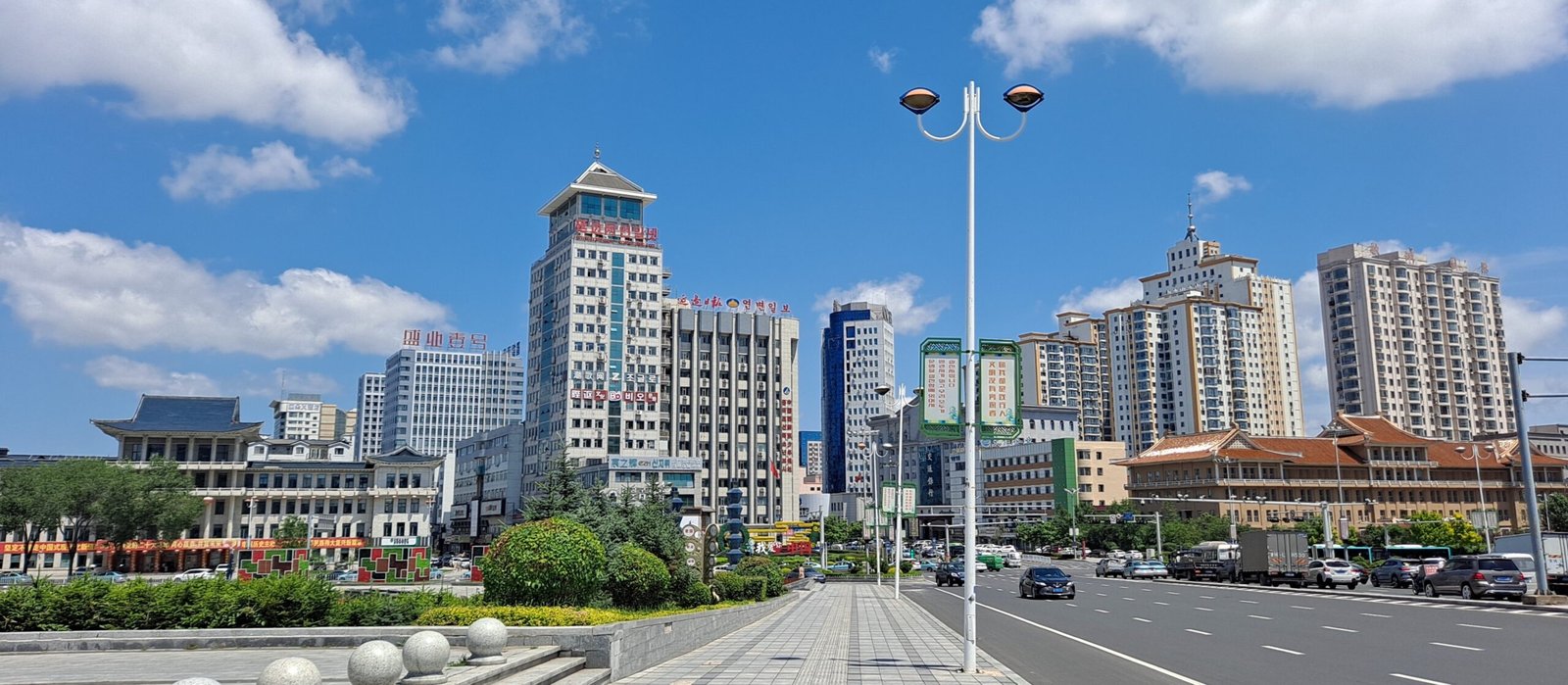
I did not expect to hear Korean spoken more than Chinese when I stepped off the train in Yanji. But this is the capital of the Yanbian Korean Autonomous Prefecture in eastern Jilin, and the bilingual signs, the kimchi on every table, and the Korean-language broadcasts make it feel like a borderland in the best sense. Yanji is where China’s largest ethnic Korean community lives, and the food alone justifies the trip.
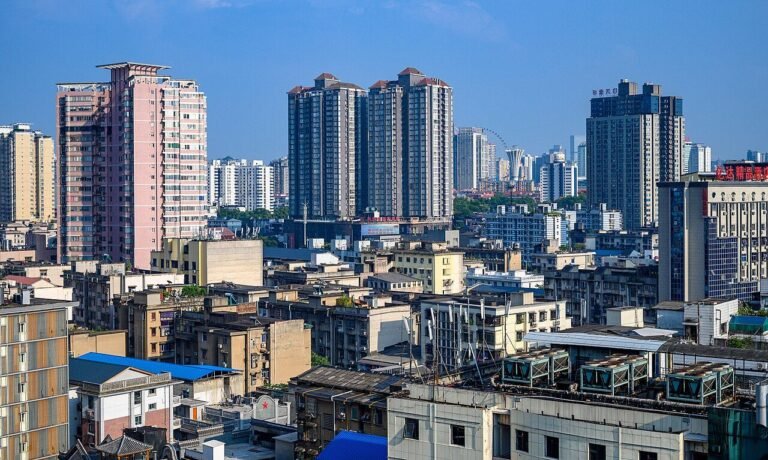
The city is small, flat, and easy to walk. What it lacks in monuments it makes up for in atmosphere and eating. I came for the cold noodles and stayed for the morning markets, where vendors sell wild mushrooms, dried fish, and kimchi by the barrel in a language I could not read but a stomach could understand.
A slice of Korea without leaving China
Yanji’s Korean identity is not a tourist costume. The Yanbian prefecture was set up in 1952 for the ethnic Korean population that had lived along the Tumen River for generations, many of them descended from migrants who crossed from the Korean peninsula in the 19th and early 20th centuries. Today the city runs its street signs, schools, and broadcasts in both Chinese and Korean, and the food culture is genuinely Korean, not a Chinese approximation of it. That dual identity is the whole appeal, and it shows up most clearly at the table.
Getting to Yanji
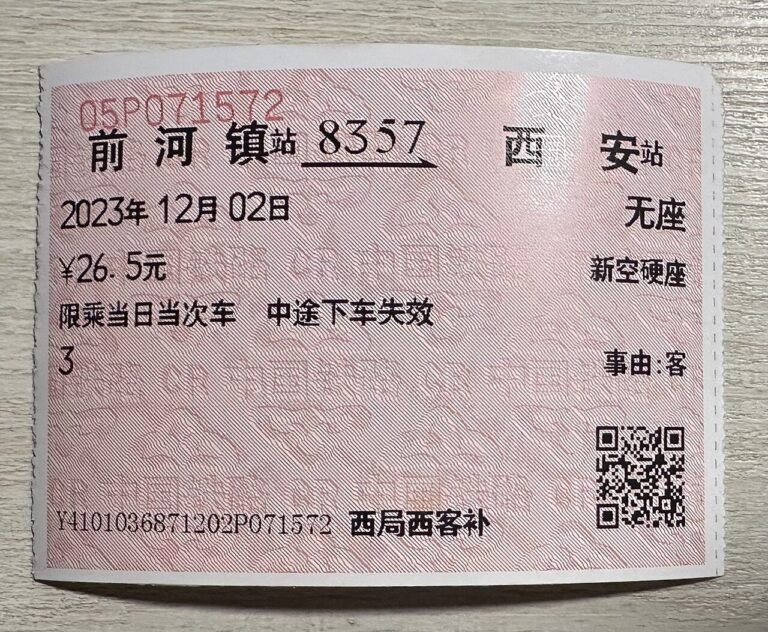
Yanji has an airport, Yanji Chaoyangchuan, with flights from Beijing, Shanghai, and Seoul, and a high-speed rail line that connects north to Changchun and the rail network and on to Harbin. I took the train from Changchun, about two hours, and booked through China’s rail system. From Harbin it is a similar run, and the line keeps extending. The city is far enough northeast that winter is serious, with lows past minus 20°C in January, so pack accordingly and keep your documents straight: the China trip documents checklist is worth a read before any border-region travel, because police checks are more frequent here than inland.
What to eat (this is the point)
Yanji’s signature is 冷面 (Naengmyeon, cold buckwheat noodles in icy beef broth with pear, cucumber, and a boiled egg). The best version I had came from a bare shop where the broth was clear, sweet-sour, and shockingly refreshing on a hot July day. In winter they serve it hot too, which surprised me until I tried it and understood the broth carries the dish, not the temperature. A full bowl runs 15 to 25 yuan.
Beyond noodles, Yanji does Korean barbecue with a lighter, sweater marinade than southern Chinese styles, stacks of kimchi, and 紫菜包饭 (gimbap). The Chinese street food map usually skips Yanji, but it should not: the night stalls near the central market do grilled squid, rice cakes, and sweet red-bean treats that blur the line between Chinese and Korean snacking. For a deeper dive into late-night eating, the Chinese night market roundup covers the regional variety, and Yanji’s markets belong on any such list. The food safety notes still apply, but the bigger risk here is simply overeating at the market, which I did without regret.
Markets and border culture
The Yanji Comprehensive International Trade Market is the showpiece, a sprawling hall of Korean goods, dried seafood, and snacks you will not find inland. I bought vacuum-packed kimchi and rice cakes to haul back, and the vendors were happy to point at prices when my Korean failed. It is less a tourist sight than a working cross-border bazaar, which is exactly why I liked it. Arrive before 10 a.m. for the freshest stalls and the best chaos.
Yanji is also a gateway to Tumen and Hunchun, where you can stand at the border and see North Korea across the Tumen River. I did a day trip to Tumen and the view of the silent Korean town opposite was sobering, a reminder of how strange this border really is. You need your passport and should check current rules, since border areas tighten without notice and foreign visitors are sometimes turned back at short notice.
A side trip to the mountains
Changbai Mountain (长白山), with its crater lake and Korean border views, is a few hours south and is the region’s headline natural sight. The mountain’s north slope is the easier access from Yanji; the west slope is nearer to the city of Baishan. I did not have time but travelers consistently rank it above Yanji itself for scenery, especially the Tianchi (Heaven Lake) on a clear day, which is itself a coin toss because cloud covers it most mornings. Pair the two if your schedule allows: city eating, then mountain air. Book the shuttle and entry ahead in July and August, when the domestic crowd peaks.
What to eat beyond the noodles
Cold noodles get the fame, but Yanji’s table is wider than that. Bibimbap (bibimbap, mixed rice with vegetables and a fried egg) is a safe, cheap lunch at any Korean joint, usually under 30 yuan. Korean fried chicken, done crisp and glazed in soy or sweet chili, is a late-night staple near the university district and rivals what you get in Seoul. The fish stew (maeuntang) is a spicy catfish or cod broth loaded with tofu and radish, built for sharing and for winter. I ate a version in a basement restaurant where the only English was the menu photo, and it was the best meal of my trip.
For breakfast, the rice cake soup (tteokguk) shows up around the New Year, and the savory pancake (buchimgae) with squid or kimchi is a street favorite. The point is that the food here is not a watered-down Chinese take on Korea; it is the real regional cooking of the Korean-Chinese community, with dishes you would recognize in Pyongyang or Seoul and a few, like the local-style marinated crab, that are specific to the border. The Chinese street food map skips this corner of the country, which is a shame, because Yanji’s stalls are among the most interesting in the northeast.
Getting around and money
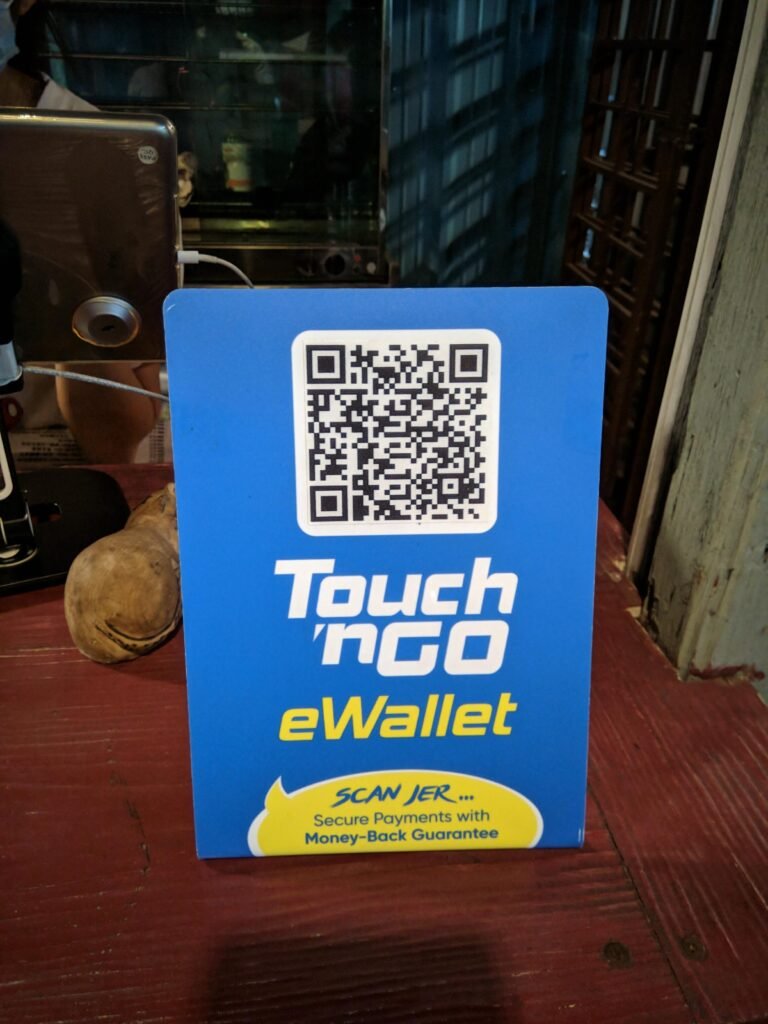
The city center is compact and walkable, and the main eating strip runs along the road by the central market, a ten-minute walk from the train station area. Taxis are cheap and start around 5 yuan; ride-hailing works through the Chinese apps, though the driver may not speak English, so have your hotel name in Chinese ready. Most restaurants take Alipay and WeChat Pay, and larger ones take foreign cards, but the market stalls are cash or phone only, so carry some yuan. The paying-in-China setup covers the apps, and it is worth doing before you arrive because the markets do not take Visa. ATMs that take foreign cards are sparse, so pull cash at the airport or the bank near the station on your first morning.
When to go
The best time to visit China for Yanji splits two ways. Summer (June to August) is warm and green, good for the markets and the cold noodles at their best, and it is also peak season for Changbai. Winter (December to February) is brutally cold but brings snow festivals nearby, hot-plate barbecue weather, and the warm version of the local food. I went in July and the contrast of icy broth in summer heat was the highlight; a friend went in January and said the hot naengmyeon and the frozen street scenes were better.
| Dish | Korean name | What to know | Rough price |
|---|---|---|---|
| Cold noodles | Naengmyeon (冷面) | Iced beef broth, must try | ¥15-25 |
| Korean BBQ | Gogi-gui | Lighter marinade than southern China | ¥60-120 per person |
| Kimchi | Kimchi (泡菜) | On every table, buy at market | ¥10-20 a jar |
| Gimbap | Kimbbap (紫菜包饭) | Cheap snack, good for trains | ¥8-12 a roll |
| Rice cake | Tteok (打糕) | Pounded sticky rice, sweet or savory | ¥10-15 a pack |
Quick facts
- Yanji is the capital of Yanbian, an ethnic Korean prefecture in Jilin, founded as such in 1952.
- Bilingual Chinese-Korean city; Korean widely spoken and written on signs.
- Signature food: Naengmyeon cold noodles and Korean BBQ, both cheap and excellent.
- Best seasons: summer for markets, winter for snow and hot food.
- Gateway to Tumen border views and Changbai Mountain.
- Reachable by train from Changchun and Harbin, plus flights from Beijing, Shanghai, Seoul.
- Carry your passport; border areas are checked more often than inland.
Frequently asked questions
Do I need special permits for Yanji?
Yanji city itself needs no special permit for foreign visitors, just your regular China entry. Border areas like Tumen can have restrictions, so check current rules and carry your passport. The documents checklist covers the basics.
Is the food actually Korean or just Chinese-Korean?
It is genuinely Korean in style, shaped by the ethnic Korean community, with tweaks from local ingredients. The cold noodles and kimchi are close to what you would get across the border, sometimes better because the ingredients are fresher.
How do I get to Changbai Mountain from Yanji?
Buses and trains run south to the mountain’s gate towns; the trip is a few hours. Book ahead in peak season. I recommend an overnight near the mountain rather than a same-day return, because the Heaven Lake view depends on weather you cannot control.
Can I cross into North Korea from Yanji?
Not casually. You can view it from Tumen, but actual crossing requires a pre-arranged tour. Do not attempt it independently; the border is strict and changes often without notice.
Is Yanji worth more than a day?
One full day covers the markets and the food well. Add a second for a Tumen border trip or as a launch point to Changbai. I stayed one night and felt I could have used two, especially for the morning market at its peak.
What should I buy at the market?
Vacuum-packed kimchi, rice cakes, and Korean snacks travel well. Bring a phrase or two in your phone and point; the vendors are used to non-Korean speakers and will laugh along with your attempts.
Is Yanji expensive?
No more than a mid-size Chinese city. A good barbecue for two with drinks runs 150 to 250 yuan, cold noodles are a few dollars, and the market snacks are pocket change. It is a cheap place to eat very well.
Building a northeast food route
Yanji pairs with Changchun and Harbin for a northeastern China loop heavy on border culture and hearty eating. If you want a custom food-and-travel plan that includes Yanji’s markets and a Changbai side trip, contact us and we will build it around your dates. The cold noodles alone are worth the train ride.
Written by the ChinaTravelFood editorial team.