Huangguoshu (黄果树) is the largest waterfall in Asia by width and volume, and the thing that sets it apart is not the drop, it is the cave. You can walk behind the curtain of water through a carved tunnel called the Water Curtain Cave, with the falls roaring a metre from your face and the light coming through the sheet. I have stood behind a lot of waterfalls and none let you do this. It is loud, wet, and unforgettable, and it is the reason Huangguoshu is worth the trip out to Guizhou even though the province hides better-known neighbours.
Huangguoshu Waterfall: Walking Behind Asia’s Widest Falls
Most people plan a southwest China trip around Guilin or Zhangjiajie and treat Guizhou as the gap between them. That is a mistake, and Huangguoshu is the proof. The falls sit on the Baishui River near Anshun, and while the headline number is about 66 metres high and 83 metres wide, the real draw is how close the water lets you get. I came on a rainy June morning and left soaked to the waist but glad I had built a day around it rather than treating it as a photo stop.
What the waterfall is
The falls sit on the Baishui River in Anshun, central Guizhou, and the main drop is about 66 metres high and 83 metres wide, a broad curtain rather than a thin thread. The volume swings hard with the season: in the rainy months the river comes over brown and full and the spray soaks the viewing platforms half a kilometre away, and in the dry season it thins to a few streams. The cave behind it, the Water Curtain Cave, runs partway across the face at mid-height, with windows cut into the rock so you look out through the water.
The spray is the other signature. On a sunny morning a double rainbow sits in the mist at the base, and the walkways on the far side put you in the thick of it. Bring a rain jacket even in dry season; the spray finds you. What surprised me was the sound. Standing at the rail directly opposite the curtain, the roar is not background noise, it is something you feel in your chest, and conversation becomes a shout. That physicality is what separates Huangguoshu from prettier but quieter falls elsewhere.
The Water Curtain Cave
This is the experience. The tunnel is lit, uneven underfoot, and narrow in places, and the roar inside is physical. There are viewing windows where you press against the rock and watch the water fall past your nose. It is the one part of the visit I would not skip, and the queues for it build by mid-morning, so do it first. Shoes with grip matter; the floor is wet stone.
I came out soaked to the waist from the spray and would do it again. The cave is the difference between a nice waterfall and a strange one. A practical note most guides skip: the windows are cut at chest height in places, so shorter travellers and children need to stretch, and the metal rail is often slick. Photographing through the windows is possible but the glass is scratched; the better shot is a short video clip you can stabilise against the rail.
The wider scenic area
Huangguoshu is not just the one falls. The ticket covers three linked sections on a shuttle loop. Doupotang (陡坡塘) is a wider, gentler fall made famous as the opening shot of the old “Journey to the West” TV series, and it is an easy, pretty walk. Tianxingqiao (天星桥) is a long stretch of karst stone forest interlaced with streams and small falls, more a garden than a cataract, and a good cool walk in summer. Most people do the main falls and one of the others; doing all three is a full day and a lot of walking.
The Tianxingqiao section is the one visitors underestimate. It is long, maybe two hours end to end, and the first half is a stone forest that looks like any karst park, but the back half opens onto a narrow gorge with small waterfalls stacked down the rock. I almost turned back at the halfway mark and am glad I did not. If your legs are tired, the shuttle can pick you up partway, but you miss the best part that way.
Getting to Huangguoshu and around
The nearest city is Anshun, reached by high-speed train from Guiyang in well under an hour, and Huangguoshu is a bus or taxi ride from there. Guiyang is the regional hub and the start of most Guizhou trips. Booking the trains is in the high-speed rail guide, and the ticket notes matter because the Guiyang-Anshun line is busy. Inside the scenic area, shuttles connect the three sections, so the walking is between stops rather than across the whole site.
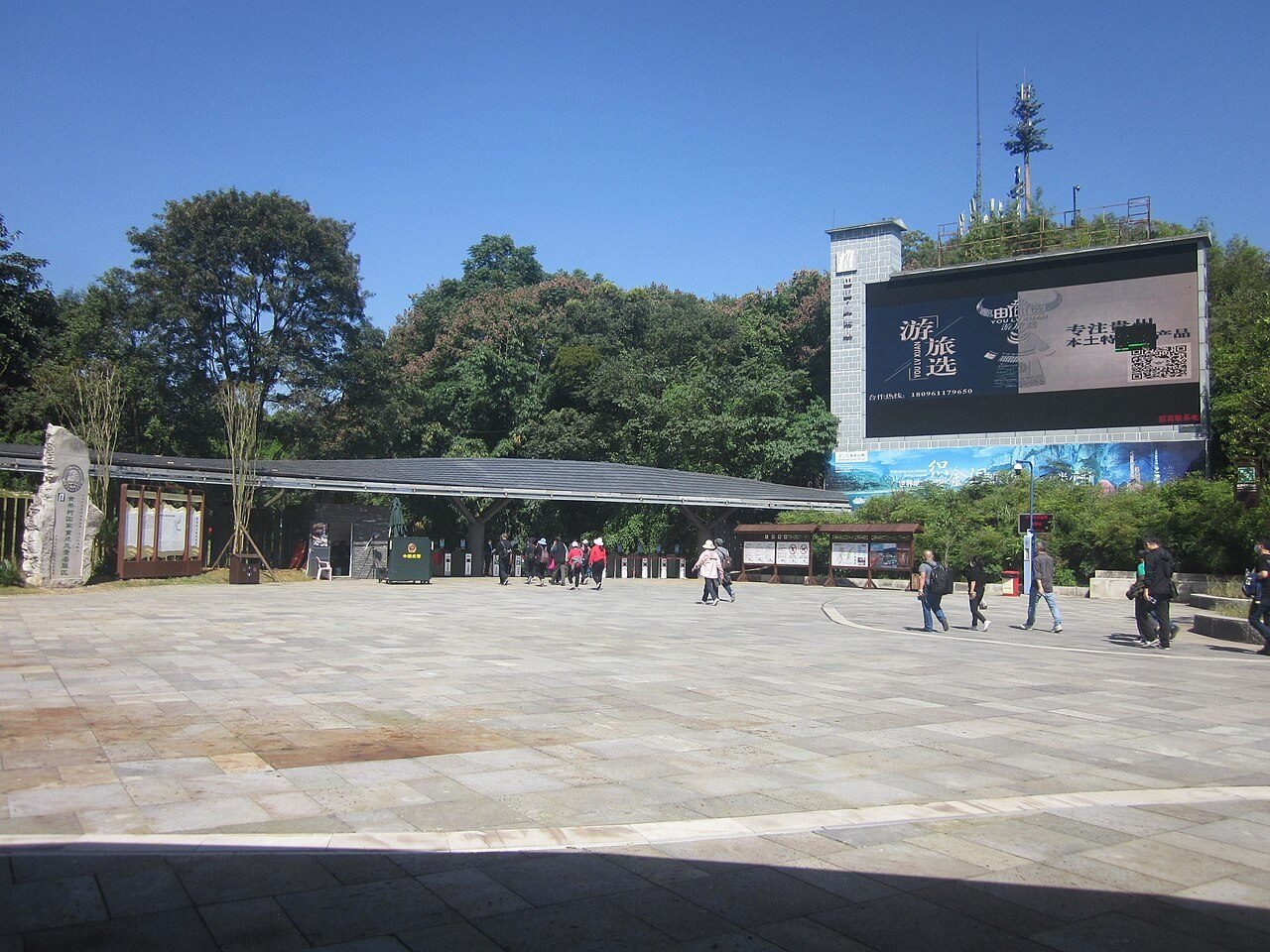
If you are building a southwest loop, the Guilin Li River and Yangshuo to the east or the Kunming route to the west both connect by rail, though Guizhou sits between them and deserves its own time. One quirk: the official name is commonly written “Huangguoshu Waterfall Scenic Area” and the ticket is sold as a single pass for all three sections, so do not buy a separate “main falls only” ticket from a tout at the gate. The gate price typically runs 150 to 180 yuan in peak season and a bit less off-season, but confirm at the booth because Guizhou adjusts rates by date.
When to go
The falls are at their most powerful in the rainy season, roughly June to August, when the volume is highest and the cave walk is at its wettest and most dramatic. The trade-off is heat, humidity, and the chance of cloud. Spring and autumn are milder and still carry decent flow; winter is low and the falls thin out, which is the worst time for the spectacle but the quietest. Guizhou’s weather is mild compared with the hotter plains, but confirm dates against a current weather source before you book.
If I had to pick a single window, I would go late May or early September. You get the post-rain volume, the skies are more often clear than in July, and the domestic crowds are thinner than the summer holiday peak. National Day in early October is the worst possible time: the platforms are shoulder to shoulder and the cave queue can run an hour.
| Section | What it is | Effort | Priority |
|---|---|---|---|
| Main falls + cave | The curtain and the Water Curtain Cave | Moderate, wet | Essential |
| Doupotang | Wide gentle fall, TV-famous | Easy | Good add-on |
| Tianxingqiao | Karst stone forest and streams | Long walk | Worth it in summer |
Eating near the falls
Anshun and the scenic-area town serve Guizhou cooking, which is sour, hot, and noodle-heavy: sour fish soup, huaxi beef noodles, and the province’s famous sour pickles. Guizhou is one of China’s most distinctive food regions and the least known, which is a good reason to route through it. The Kunming guide covers the Yunnan side if you continue west, and the Guilin food guide covers the Guangxi side if you go east.
Inside the scenic area the restaurants are tourist-priced and average. I ate a bowl of suantang (sour soup) noodles at the gate town for about 18 yuan and it was better than anything inside the paid zone. If you have a free evening in Anshun, the night market there does the real local table, including the sour-pickle hotpot that defines Guizhou home cooking. Bring small bills; the stall vendors rarely break large notes.
Photography and the best light
The classic frame is from the far platform across the river, where the whole curtain sits ahead of you and the spray throws its rainbow, best caught in a sunny morning when low light hits the water. The Water Curtain Cave gives the unusual shots looking out through the falling sheet, but it is wet and the windows are crowded, so a quick trigger matters more than a fancy lens. I shot most keepers in the first hour after opening, before the tour groups packed the cave mouth.
A rain jacket or poncho is the real photography accessory here, because you will be soaked at the base in any season, and a wiped lens is the difference between a frame and a fog. For the empty falls, arrive at the gate for the first shuttle and go straight to the main cataract; by ten the platforms are shoulder to shoulder. The Doupotang and Tianxingqiao sections photograph more easily because they are less confined, and Tianxingqiao rewards a slower walk with small falls and stone formations most people rush past on the way to the headline.
One scheduling note: the rainy season gives the biggest water but also the most cloud and discomfort, so there is a real trade between spectacle and comfort. I would pick late spring or early autumn, when the flow is still strong from the rains but the sky is more often clear, over the peak of summer.
Where to stay
You can do Huangguoshu as a long day trip from Guiyang, but I would not. Staying in the gate town (Huangguoshu Town, also called Baihua) lets you catch the opening shuttle before the tour buses from Guiyang arrive, and it means you are already there if you want a second, calmer pass at the cave. The town has mid-range hotels from about 250 yuan off-season, and the better ones run a free shuttle to the gate. Anshun is the cheaper, bigger alternative if the gate town is full, but you lose the early start.
Guiyang makes sense only if Huangguoshu is one stop in a longer Guizhou loop that also includes the cave parks near Libo or the Miao villages at Xijiang. In that case, sleep in Guiyang and treat Huangguoshu as a day, but accept that you will hit the cave at its busiest.
Quick facts
- Huangguoshu is Asia’s largest waterfall by width and volume, about 66 m high and 83 m wide
- You can walk behind it through the lit Water Curtain Cave
- The spray creates a double rainbow on sunny mornings
- The ticket covers three sections: main falls, Doupotang, and Tianxingqiao
- Best water volume is the rainy season, June to August
- Late May or early September is the sweet spot for volume and clear skies
- Anshun is the nearest city; Guiyang is the rail hub
- High-speed train from Guiyang to Anshun takes under an hour
- Gate price runs roughly 150 to 180 yuan in peak season; confirm at the booth
- Bring a rain jacket; the spray soaks you year-round
- Wear grippy shoes for the wet cave floor
- Allow a full day to do all three sections
Frequently asked questions
How long do I need at Huangguoshu?
A half day covers the main falls and the cave; a full day lets you add Doupotang and Tianxingqiao without rushing. The cave should be first to beat the queue.
Is the Water Curtain Cave safe?
It is lit and railed but wet and narrow, with a real roar and spray. Watch your step and hold the rails. Not ideal for anyone unsteady on wet stone.
When is the water biggest?
June to August in the rainy season gives the full curtain and the wettest cave walk. Winter is low flow and less dramatic but quiet.
How do I get there?
High-speed train to Anshun from Guiyang, then bus or taxi to the falls. The rail guide covers booking; the final leg is road.
Is it crowded?
Holidays and summer weekends are busy at the cave mouth. Arrive at opening and do the cave first. Weekdays in spring and autumn are calmer.
What should I wear?
A rain jacket or poncho, grippy shoes, and quick-dry clothes. The spray is unavoidable near the base and inside the cave.
Is Guizhou worth a trip on its own?
Yes, and most visitors underrate it. The food alone justifies a few days, and the karst and minority villages are excellent. The Yangshuo guide is a natural eastern neighbour.
Can I do it with Guilin or Kunming?
Rail connects all three regions, though Guizhou sits between them and deserves its own stop. Build it as a hub rather than a pass-through.
Should I stay at the gate or in Guiyang?
Stay at the gate town for the early shuttle and a quieter cave; stay in Guiyang only if Huangguoshu is one of several stops in a longer Guizhou loop.
Planning a Guizhou stop
Huangguoshu is the headline of any Guizhou visit, but the train-to-Anshun transfer and the three-section shuttle loop need planning, and the rainy-season timing decides the spectacle. If you want a custom food-and-travel route that adds the falls, the Guiyang base, and the province’s sour-noodle table, reach out through the contact page. We build China routes through the southwest.
Written by the ChinaTravelFood editorial team.