The Ming Tombs (Shisanling) sit in a valley about fifty kilometers northwest of Beijing, where thirteen of the sixteen Ming emperors were buried. I went expecting a quiet graveyard and found a carefully staged funerary landscape: a seven-kilometer approach lined with stone animals, a vaulted underground palace, and a walk that took me longer than the Forbidden City. This guide covers which tombs to enter, how to get there without losing a morning to buses, and why the Sacred Way alone justifies the trip.
What the site actually is
The Ming Tombs are not one tomb but a complex spread across a basin ringed by low hills. The Yongle emperor chose the spot in the early fifteenth century for its feng shui, a bowl with mountains behind it and water in front, and every emperor after him was buried in the same valley. Thirteen of the sixteen made it here. The exceptions are worth knowing: the founder, Hongwu, is buried at his own tomb in Nanjing; the Jianwen emperor vanished after the civil war and has no tomb; and the Jingtai emperor, deposed after the Tumu crisis, was buried west of the city instead.
Only a handful of tombs are open. The rest are walled compounds and tree-covered mounds behind fences, visible from the road and not enterable. I focus visitors on two: Changling, the largest and the one with the great wooden hall, and Dingling, the only one whose underground palace has been opened. A third, Zhaoling, was restored and is included in most passes.
The Sacred Way
The approach road is the best part of the visit and the part most tours rush. Stone animals and officials stand in two facing lines for a stretch of the route: lions, mythical beasts, camels, elephants, and horses, each carved twice, once standing and once kneeling, followed by robed civil and military figures. The standard count is eighteen pairs, and they have weathered into a soft grey that looks like old bone in low sun. I have walked it twice and never tired of the elephants.
At the far end stands the Dragon and Phoenix Gate, three stone archways carved with flame and cloud patterns, which is the most photographed structure on the whole site. Beyond it the road splits toward the individual tombs.
Two practical notes. The walk is exposed and almost entirely unshaded, so do it early or in the last two hours before closing, never at midday. I once did it at noon in July and spent the whole stretch sweating and squinting, missing the carving on the beasts entirely. Low light suits the stone anyway. Second, the Sacred Way is technically the approach to Changling and sits inside the ticketed area, so the free-entry trick of slipping in from a side village gate is not something to build a plan around.
Changling, the emperor who built Beijing
Changling belongs to the Yongle emperor, the ruler who moved the capital north and commissioned the Forbidden City, and the tomb matches the scale of his ambition. Construction began in 1409 and the complex took roughly two decades. The centerpiece is the Ling’en Hall, a sacrificial hall on a triple stone terrace with sixty columns of nanmu, a fragrant hardwood that grows slowly and was already scarce by the Ming. It is among the largest surviving wooden halls in China and it is essentially empty, which is the point: the space was built for ritual, not for display.
Behind the hall rises the Soul Tower and then the burial mound, a huge earth dome ringed by a wall, under which the emperor lies unexcavated. You walk up and around it. The impression is of enormous confidence and very little comfort, which fits what I know about Yongle.
My honest read on Changling: the hall is magnificent and the rest is a shell. If you have already spent a morning at the Forbidden City, you have seen above-ground imperial grandeur done better and with more to look at. I would still go, because the hall deserves twenty minutes, but I would not spend two hours here.
Dingling and its underground palace
Dingling is the tomb of the Wanli emperor, who reigned for nearly half a century and spent a good part of it refusing to conduct business. Construction ran from 1584 to 1590 and cost a sum that contemporary officials complained about in writing. It is the only Ming imperial tomb that has been scientifically excavated, opened between 1956 and 1957, and that accident of history is why you can go inside it.
The chamber lies about twenty-seven meters below the mound and consists of five stone rooms linked by passages with marble doors: a central hall with the emperor’s and two empresses’ marble thrones, flanked by side chambers and reached by a steep flight of stairs. The space is cool, damp, and dim year round, and the descent is the memorable part of the visit. Anyone with knee trouble should take it slowly.
What is actually in there is architecture rather than treasure. The coffins and most of the grave goods were removed, and a great deal was damaged or lost in the decades after the excavation, including during the Cultural Revolution. The excavation is now taught in China as a cautionary tale about opening tombs before the conservation science exists, and I think knowing that makes the visit better rather than worse. You are standing in a room that archaeologists wish had been left alone, which gives it an uneasy edge the gift shops outside do not mention.
The exhibition halls near the entrance show replicas of the gold crown, the jade belt, and the silk textiles, with photographs from the dig. I found the photographs more interesting than the replicas, because they show the chamber as it was found, packed with chests, before everything went wrong. Read the panels before you descend. The chamber itself is about stone and space, not gold.
Zhaoling and what I would skip
Zhaoling, the tomb of the Longqing emperor, was restored in the 1990s and is included in the combined pass. It is smaller, quieter, and has a complete above-ground layout that shows the standard plan more legibly than the grander tombs do, since you are not distracted by scale. I like it for that reason and go when I have time. If your afternoon is short, cut it without guilt.
The other closed tombs are not worth hunting out. They are fenced compounds, some used as farms or storage over the centuries, and there is nothing to see.
Getting there and getting around
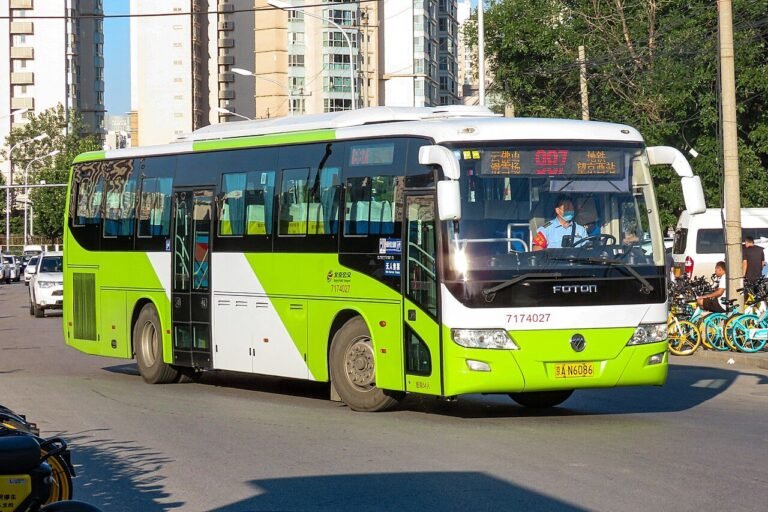
The tombs are not on the subway, which is the single logistical fact that shapes the day. Public buses run from Deshengmen in northern Beijing toward Changling and Dingling, and they are slow, crowded on weekends, and thin on return services in the late afternoon. A hired car or a joined tour turns a two-and-a-half-hour journey into ninety minutes and removes the worry about the last bus.
| Option | Door to door | Cost | My read |
|---|---|---|---|
| Hired car with driver | About 90 minutes | 400 to 700 yuan for the day | Best value for two or more people |
| Joined day tour | 90 minutes, fixed schedule | 200 to 400 yuan per head | Reliable, no freedom, includes a shopping stop |
| Public bus from Deshengmen | 2.5 hours each way | A few yuan | Cheap, slow, risky on the return |
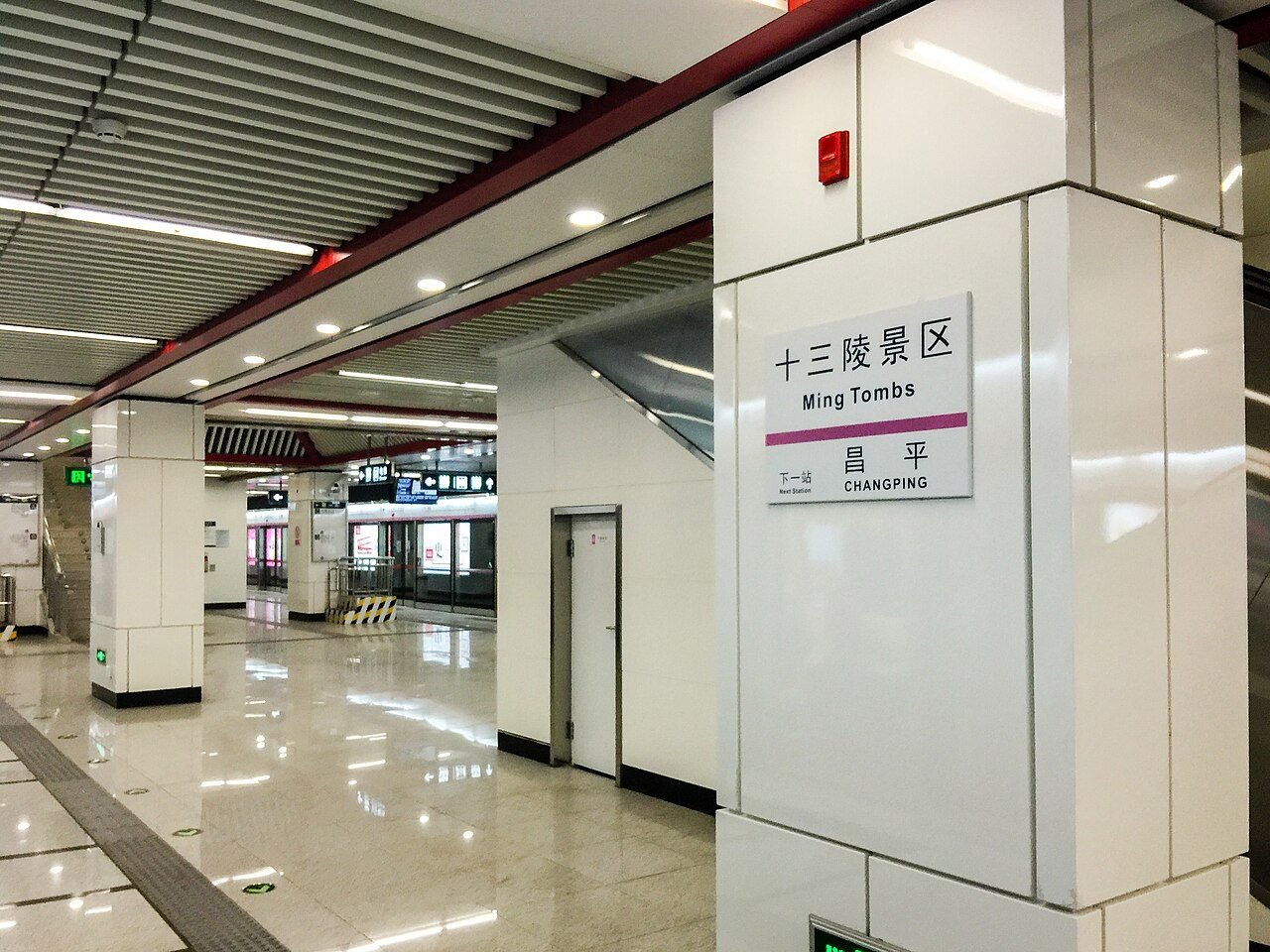
| Metro to Changping, then taxi | About 2 hours | Low | Workable, fiddly |
Many visitors combine the tombs with a Great Wall section, and the pairings differ. Huanghuacheng Great Wall is roughly twenty minutes north of the valley and makes the cleanest combination, because the two sites sit in the same direction. Mutianyu Great Wall is further northeast and better built for a full Wall day on its own. I have run the Huanghuacheng loop: leave central Beijing at 8, reach the Wall by 9:30, climb and photograph until 12:30, drive twenty minutes to a 1:30 entry at the tombs, do the Sacred Way and Dingling by 4, and be back in the city by early evening.
Tickets, hours, and timing the day
The combined pass covers the Sacred Way, Changling, Dingling, and Zhaoling, and it has moved around between 120 and 150 yuan in recent years, so confirm the current price before you go. Individual tomb tickets exist but the combined pass is the sensible buy if you intend to see two sites. The ticket offices and the tombs close in the late afternoon, earlier in winter, and the last entry is well before that.
Go on a weekday and arrive by 9:30. Domestic tour groups land around 11 and the underground palace gets congested, which matters because the chamber is small and the stairs are single-file. I arrived at 2 pm once and queued ten minutes just to get down. Morning is calmer, cooler, and better lit.
How the tombs fit Beijing’s imperial set
The tombs are the countryside cousin of the city sights, and seeing them in the right order makes the whole Ming and Qing story cohere. The Tiananmen Square and the Forbidden City are the political center. The Summer Palace is the leisure retreat built by the Qing. The tombs are the afterlife, and they are Ming rather than Qing, which gives you the earlier dynasty’s version of the same ideas about order and hierarchy. Doing all three on one trip gives you the full arc.
Afterwards, the Beijing hutongs make a good palate cleanser. I have done tombs in the morning and hutong alleys in the evening and the contrast between imperial geometry and ordinary courtyard life is the thing that sticks.
Quick facts
- Location: about 50 km northwest of central Beijing, roughly 90 minutes by car.
- Thirteen of sixteen Ming emperors are buried in the valley.
- Open tombs: Changling, Dingling, and Zhaoling.
- Dingling has the only excavated imperial underground palace in China, 27 meters down.
- Sacred Way: eighteen pairs of stone animals and officials, no shade.
- Ticket: combined pass around 120 to 150 yuan; confirm before going.
- Best plan: Wall in the morning, tombs in the afternoon, hire a car.
- Weekday arrival by 9:30 avoids the tour group crush.
- Footwear: good shoes; the underground stairs are steep and often damp.
- Bring a light jacket for the chamber even in summer.
Frequently asked questions
How many tombs can I actually enter?
Three in practice: Changling and Zhaoling above ground, and Dingling below. The others are closed. The Sacred Way is open to everyone with a pass and is the best walk on the site.
Is the underground palace worth it?
Yes, if you like history you can physically stand inside. It is the only Ming imperial burial chamber open to the public in China. The descent down the stairs is the memorable part, more than the objects.
Can I do the tombs and the Wall in one day?
Yes, and I suggest it. Huanghuacheng is twenty minutes north and makes a natural pairing. Leave Beijing by 8 am and you will be back by dinner. Hire a driver for the loop rather than trying to connect the two by bus.
How long do I need?
Half a day covers two tombs and the Sacred Way. A rushed version is two hours; a relaxed one is four. Moving between the tombs needs a car, a shuttle, or a long walk.
Is it crowded?
Far less than the Forbidden City. Domestic groups arrive midday, but the valley is big enough to find quiet, and weekday mornings are nearly empty.
What should I bring?
Water, good shoes, and a light jacket for the underground chill even in summer. There is little shade on the Sacred Way, so bring a hat in the warm months.
Are the coffins original?
The original items were removed and partly lost after the 1950s excavation; what you see is a careful reconstruction using period methods. The marble thrones and the chamber itself are authentic.
Is there anywhere to eat?
A few basic places near the car parks and little else. Eat before you go or bring something with you, and plan a proper meal back in the city.
Putting the day together
The Ming Tombs reward a little planning more than most Beijing day trips, because the transport is awkward and the reward is atmosphere rather than spectacle. Give it a weekday morning, pair it with a Wall section that sits in the same direction, and do the Sacred Way when the light is low. For a Beijing day that pairs the tombs with the Wall and the city sights in the right order, contact us through the site and we will build the timing.
Written by the ChinaTravelFood editorial team.