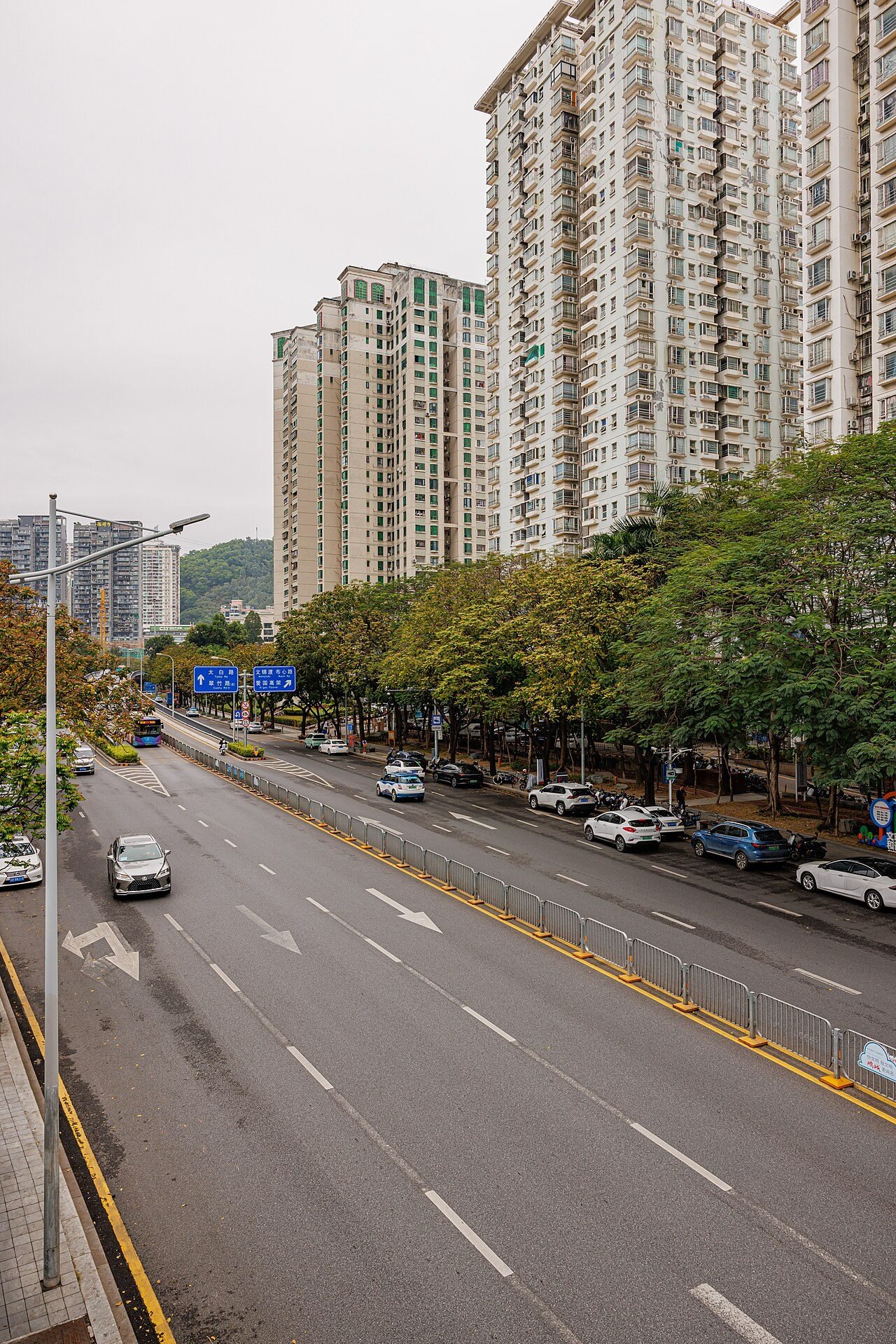
Shenzhen in a short answer
Shenzhen is the city that grew from a fishing county into a megacity of 17 million in about forty years, and most visitors treat it as a quick hop from Hong Kong rather than a destination in its own right. That is a mistake. When I first crossed the border at Luohu in 2015, I expected a dreary factory town and found instead a coastline with real beaches, a design district that takes its cafes seriously, and a night food scene that runs later than anywhere in Guangdong except Guangzhou itself. The short advice: give it two nights, base yourself near Futian or Shekou, ride the metro to the coast at Dameisha, and use the city as the easy landside half of a Hong Kong trip. You can be in Central, Hong Kong in under an hour by metro and train.
Why Shenzhen punches above its age
The place has almost no old buildings, and locals will tell you that with a shrug rather than an apology. Shenzhen was designated China’s first Special Economic Zone in 1980, and the speed of its construction is the story. What this means for a traveler is practical: the metro is new and spotless, the roads are wide, and signage is bilingual almost everywhere. The downside is that there is no Forbidden City here, no thousand-year temple to tick off. You come for the energy, the food, and the sea, not for the past. I have come to prefer cities like this for a recovery day between museum-heavy stops in Beijing and Xi’an.
The food is the real draw. Shenzhen sits inside the Cantonese world, and the standard of dim sum and roast meats is a match for neighboring Hong Kong at half the price. A Cantonese-style breakfast here costs you maybe 25 yuan, against 80 in a Hong Kong hotel. Our Cantonese cuisine guide explains why freshness rules the southern table, and Shenzhen is a good, cheap place to learn that lesson.
The districts that matter
Futian, the government core
Futian is where the city’s administrative heart sits, with the convention center, the big central green belt, and the shopping at COCO Park. It is clean, a little sterile, and the easiest base if you want a business-hotel standard and a straight shot on Metro Line 1 or 4. The Lianhuashan Park on its north edge gives you a hilltop view over the civic plaza, and at dusk the locals fly kites there by the hundred.
Shekou, the coast with character
Shekou in the southwest is my pick for where to stay. It was one of the first opens zones, and it still has a slightly international feel, with the Sea World plaza, ferry links to Zhuhai and Hong Kong airport, and a stretch of waterfront promenade. The food court at the old Shekou market and the seafood on the nearby peninsula are worth a full evening. From here the metro reaches the airport in about forty minutes.
Nanshan and the tech strip
Nanshan holds the headquarters of Tencent and a swarm of startups, plus the Window of the World and Splendid China theme parks that the tour buses love. I would skip the parks, but Nanshan’s coastal road toward Shenzhen Bay is a fine place to watch the mangroves and the distant skyline of Hong Kong across the water.
Dafen and the art villages
Dafen Oil Painting Village in Longgang started as a place where workshops copied the Old Masters and now produces a surprising amount of original work. It is touristy in the best sense: you can watch painters at their easels and buy a commissioned portrait for a fraction of Western prices. Pair it with the closer art spaces in OCT Loft, an old factory converted into galleries and bars.
Getting to Shenzhen from Hong Kong
The classic crossing is at Lo Wu or Lok Ma Chau, where you walk across the border and pick up the Shenzhen Metro on the other side. Since 2018 the cleaner option is the high-speed rail: Hong Kong’s West Kowloon station connects to Shenzhen North and Futian on the mainland high-speed rail network, with trains every few minutes and a ride of about fifteen to twenty minutes. You clear both immigrations in the one station, which saves the walk and the weather. Bring your passport, because the border is real even on the fast train.
If you are flying in, Shenzhen Bao’an International Airport has grown into a major hub with cheap domestic hops to Guilin, Chengdu, and Xi’an, plus some international routes. For a China visa application, Shenzhen qualifies for the visa-on-arrival at certain ports for some nationalities, but rules shift, so confirm with the embassy before you book.
What to actually do on the coast
Dameisha and Xiaomeisha are the city beaches, east along the shore. They are crowded on summer weekends, and the water quality is fair rather than pristine, but the long public beach at Dameisha is free and the promenade is pleasant. For a quieter swim, the bays around Dapeng Peninsula, an hour east by bus, keep more of an old fishing-town feel, and the restored Dapeng Fortress there is the closest thing Shenzhen has to an ancient core, built in the Ming era. I would rather spend a morning at Dapeng than an afternoon at the theme parks.
The Shenzhen Bay Park path is the move if you want exercise without sand. It runs for kilometers along the water with the Hong Kong hills across the strait, and the bike share is cheap and easy to use with a local app. Sunset there on a clear winter day is the best free view in the city.
A practical Shenzhen table
| Area | Metro line | Best for | Skip if |
|---|---|---|---|
| Futian | Line 1, 4 | Business hotels, central parks | You want character |
| Shekou | Line 2 | Waterfront, seafood, ferries | You need a fast airport run |
| Nanshan | Line 1, 11 | Tech, bay views | You dislike crowds |
| Dafen | Line 3 | Art, cheap portraits | You are short on time |
| Dapeng | Bus from Yantian | Old fort, quiet bays | You rely on the metro |
Food beyond the hotels
The Cantonese table here is the headline, but Shenzhen’s migrant population means you can eat well from every province. The Hunan and Sichuan joints in the back streets of Luohu are the real test of a cook, because the local Cantonese clientele is a tough crowd for spice. For seafood, the floating restaurants and the shore grills at Shekou are the move, and the price per jin (about 500 grams) is posted on a board you should photograph before you sit down. A Hong Kong food tour makes a natural pairing if you are doing both cities, since the styles overlap but the prices do not.
One habit worth copying: the evening wet-market stroll. The markets near the old Shekou area stay open late, and the noodle stalls that cluster outside them feed the night shift until past midnight. That is where I have eaten some of the best wonton of any trip.
When to go
Shenzhen is subtropical, hot and wet from May to September, with the occasional typhoon closing things in July and August. October through December is the sweet spot: warm enough for the beach, dry, and clear. January and February are mild by northern standards but cool for swimming. If you are building a wider route, our best time to visit China piece lays the seasons across the whole country so you can slot Shenzhen in sensibly. Whatever you do, avoid the National Day week in early October, when every beach within a hundred kilometers fills up.
Quick facts
- What: a 1980 special economic zone turned 17-million megacity.
- Base: Shekou for character, Futian for convenience.
- Border: metro or high-speed rail from Hong Kong, both clear immigration.
- Beaches: Dameisha free, Dapeng quieter and older.
- Food: Cantonese standard, cheap by Hong Kong prices.
- Metro: clean, bilingual, covers the city well.
- Time: two nights is enough for a taste, three if you add Dapeng.
Frequently asked questions
Is Shenzhen worth visiting on its own?
For a first trip to China focused on history, no. For a second visit, or as the landside half of a Hong Kong trip, yes. The coast, the food, and the modern-city experience are genuine, and the convenience of the border makes it low-risk to add on.
Do I need a separate visa for Shenzhen if I have a Hong Kong one?
Yes, Hong Kong and mainland China use separate immigration systems. A Hong Kong visa or entry permit does not let you cross into Shenzhen. Check the current port rules before you travel, because the simplified permits change.
How long is the Hong Kong to Shenzhen trip?
By high-speed rail from West Kowloon to Futian, about fifteen to twenty minutes plus immigration. By metro through Lo Wu, closer to an hour with the walk and the queues. Either way it is an easy day return.
Where should I stay?
Shekou if you want waterfront and a slower pace, Futian if you want the business-hotel standard and central metro. Avoid the area right at the Lo Wu border unless you are crossing daily; it is noisy and charmless.
Is the food safe for a sensitive stomach?
The Cantonese preference for steaming and fresh cooking is gentle on visitors. Stick to busy stalls, peel your own fruit, and skip the lukewarm buffet trays. The city is cleaner on food hygiene than many in the region.
Can I use Shenzhen as a base to see Guangzhou?
Yes. The intercity trains put Guangzhou within about half an hour, and our Guangzhou travel guide covers the Canton Tower and the dim sum breakfast scene that rewards the trip. A day return is comfortable.
What should I buy?
Electronics in the Huaqiangbei markets are the famous purchase, but for a traveler the better souvenir is a custom oil painting from Dafen or a bag of good Cantonese tea. Keep receipts and confirm warranty before you carry gadgets home.
Making Shenzhen part of your southern China plan
Shenzhen works best as the relaxed coastal bookend of a Hong Kong and Guangdong route: cross over, eat seafood in Shekou, walk the bay at sunset, and roll back across the border the next morning. If you want the border crossings, the metro lines, and the Dapeng day trip sequenced into one clean route, send us your dates through the contact page and we will sketch a custom food-and-travel itinerary. The city is at its best when you stop expecting it to be old.
Written by the ChinaTravelFood editorial team.