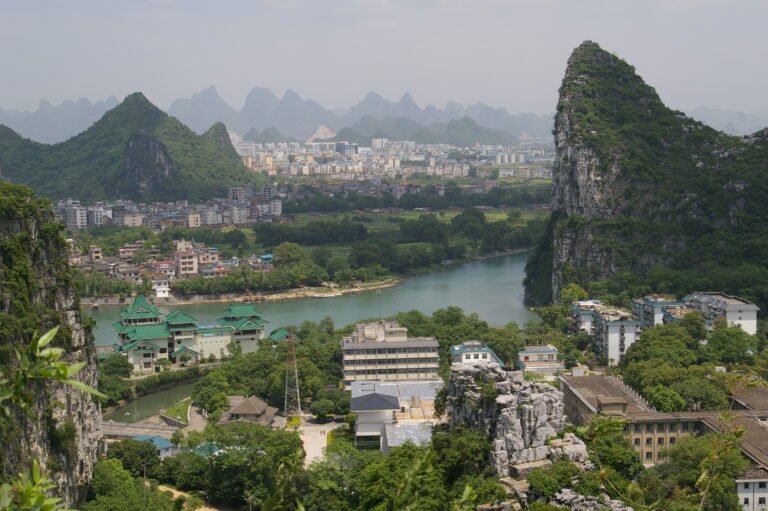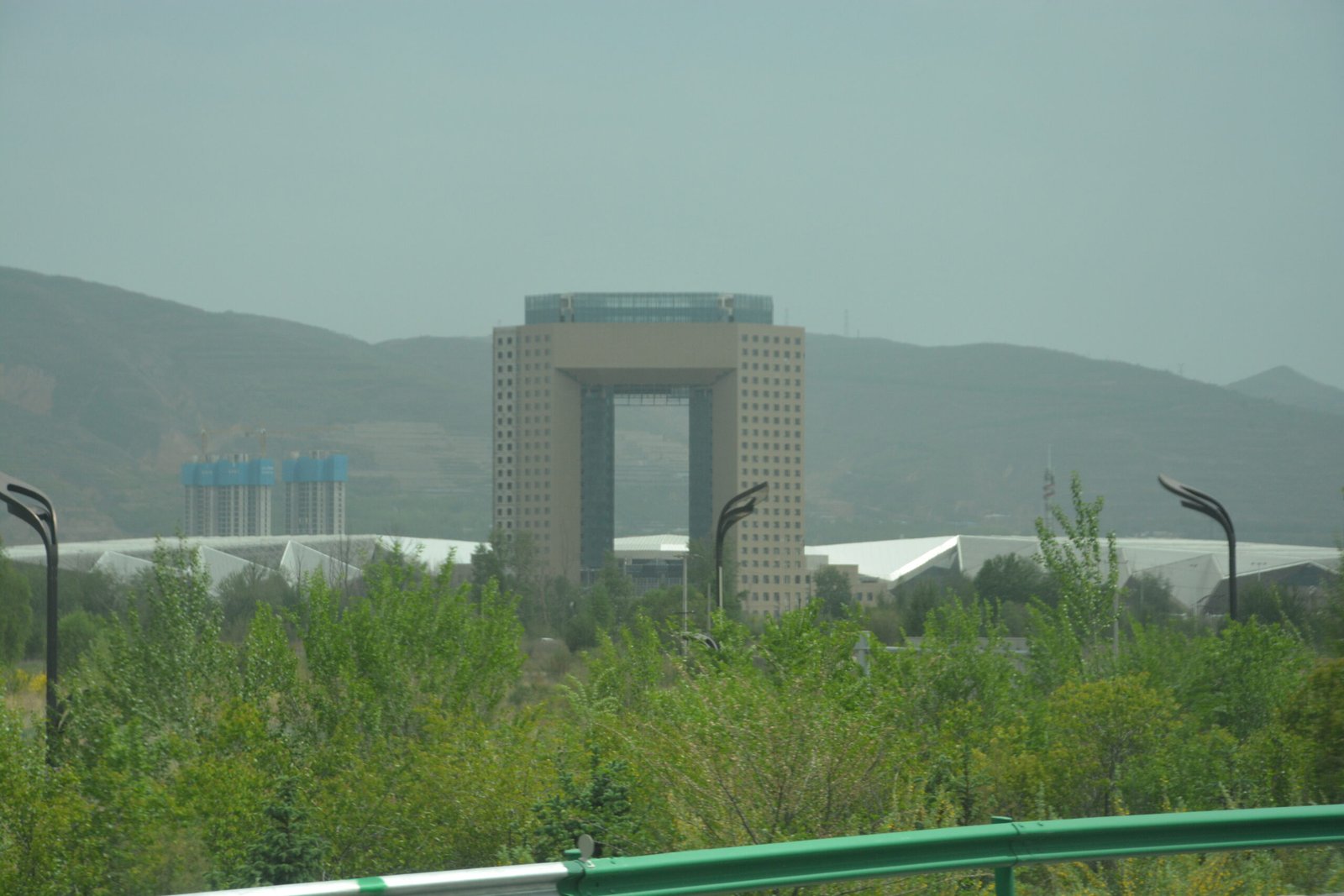
The city where the plateau begins
Xining is the capital of Qinghai and the place where the Tibetan plateau starts to assert itself. At 2,275 meters, it is high enough that you notice the thinner air on your first walk, but not so high that you need to panic. I used it as a springboard to Qinghai Lake and as a soft introduction to Tibetan culture before pushing farther west. The city itself is unglamorous, a sprawl of concrete and mosques, but it has a museum and a monastery that justify a day, and the food is a satisfying blend of Hui Muslim and Tibetan.
For many travelers, Xining is also where the Tibet train begins its climb to Lhasa. Even if you are not going that far, the Tibet and Xinjiang permits explainer is worth reading, because Qinghai sits on the edge of permit country and the rules matter if you head south.
Kumbum Monastery
The headline sight is Ta’er Si, known in English as Kumbum, about twenty-five kilometers southwest of the city. It is one of the most important Tibetan Buddhist monasteries outside Tibet, founded at the birthplace of Tsongkhapa, the founder of the Gelug school. The butter sculpture hall is the famous draw, with figures molded from colored yak butter that are intricate and oddly fragile. Photography is forbidden there, which I respected, but the memory of the cold, fragrant room stays with you.
Entry was around 70 yuan when I visited, and the site is large enough to fill two or three hours. Go in the morning. The afternoon tour groups turn the courtyards into a shuffle. The altitude sickness in Tibet habits, like taking the first day easy, apply here too, because the monastery sits higher than the city.
Qinghai Lake, the big blue neighbor
Most people come to Xining for Qinghai Lake, China’s largest saltwater lake, about two hours west. The loop road around it passes yak pastures, Tibetan prayer flags, and in July a band of rapeseed flowers that turns the shore yellow against the blue. I rented a car with a driver for the day and stopped wherever a viewpoint pulled me in. The lake is vast enough that the far shore disappears, and on a windy day the waves are real.
Nearby, Chaka Salt Lake is the “mirror lake” that photographs so well, though it needs the right light and water level to deliver. Both are easy day trips from Xining and make the city worth more than a single night.
The city itself
Back in town, the Qinghai Provincial Museum gives you the Tibetan and Silk Road context, and the Dongguan Mosque is one of the largest in the region, with a courtyard that fills for Friday prayers. The best time to visit China page notes that Qinghai’s short summer is the window; winters here are long and cold, and the lake road can ice over.
The night market near the center is where Xining eats. Hand-pulled beef noodles in the Hui style, mutton skewers, and bowls of plain yogurt sweetened with sugar were my rotation. The yogurt in particular is thicker and tangier than the southern versions, and I ate it every night.
Getting there and the train north
Xining has an airport with flights from Beijing, Xi’an, and Chengdu, and a high-speed rail link that makes Lanzhou under an hour and Xi’an a few hours. The booking China train tickets guide covers the steps, and if you are continuing to Lhasa, this is the practical jumping-off point. I took the train west as far as Golmud and the scenery climbing out of Xining was the best part of that ride.
Altitude and health
At 2,275 meters most people are fine, but if you are flying in from sea level and planning to drive straight to the lake or higher, take the first day slow. Drink water, skip the first-night drinking, and watch for a headache that will not quit. The plateau is forgiving at this height, but it is not flatland, and the altitude sickness in Tibet advice is the same playbook.
The train west and the roof of the world
Xining is where the line to Lhasa begins its serious climb. The Qinghai-Tibet railway is an engineering feat, and even if you only ride it as far as Golmud you see the landscape open into high desert and the air thin noticeably. I took the train west for a day and came back, which gave me the sense of the plateau without committing to the full twenty-hour haul to Lhasa. For travelers continuing to Tibet, Xining is the smarter start than Beijing, because you acclimatize gradually instead of dropping onto the roof of the world cold.
The station at Xining is modern and the ticketing is the standard Chinese system, but the Lhasa-bound trains are popular and sell out, so book ahead if that leg is in your plan. The China train tickets page walks through the steps, and for the Tibet train specifically the permit question returns, because you need the Tibet entry permit before you can buy that ticket. Plan the paperwork weeks in advance rather than hoping at the window.
Where to eat in the city
The center has a night market that is the easy dinner plan. Beef noodles in the Hui style, with a clear broth and hand-pulled ribbons, cost about 12 yuan and make a meal on their own. Mutton skewers at two or three yuan each let you build a plate as big as you like, and the flatbreads from the corner ovens are the free-carb companion. The thick yogurt, sweetened with a spoon of sugar, is the dessert and the breakfast, and I ate it both ways.
For something sit-down, the Tibetan restaurants near the museum do thenthuk, a hand-pulled noodle soup with mutton, that warms you after a cold day on the plateau. The portions are generous and the prices fair. Vegetarians will find vegetable noodle soups and bread but limited hot dishes, which is the usual pattern this far west.
Language, money, and the plateau
Xining runs on Mandarin in the city and Tibetan and Hui languages in the markets and monasteries. A translation app covers the basics, and the younger hotel staff usually speak some English. Cards work at hotels and the airport, but the noodle stalls and the bazaar want mobile pay or cash, so carry small notes. The plateau reality is the one to respect: even at the city’s height, take the first day slow, drink water, and skip the first-night drinking. The lake and the monastery are higher still, and the altitude-sickness advice for Tibet carries straight over.
Quick facts
- Xining is the capital of Qinghai at 2,275 meters, on the edge of the Tibetan plateau.
- Kumbum (Ta’er Si) Monastery, 25 km out, is a top Tibetan Buddhist site and Tsongkhapa’s birthplace.
- Qinghai Lake, China’s largest saltwater lake, is about two hours west by car.
- Chaka Salt Lake, the mirror lake, is another easy day trip from the city.
- The Dongguan Mosque is among the largest in the region and active for Friday prayers.
- Xining is a common launch point for the train toward Lhasa and higher Tibet.
Frequently asked questions
How many days do I need in Xining?
Two nights covers the city, Kumbum, and a Qinghai Lake day trip. Add a third if you want Chaka Salt Lake too. I would not give it less than a full day plus an arrival night.
Will I feel the altitude?
At the city’s height, most people feel little beyond mild breathlessness on stairs. The lake and monastery are higher still. Take the first day easy and you should be fine. Persisting headaches mean descend or rest.
Is Kumbum worth the trip?
For anyone interested in Tibetan Buddhism or just stunning craft, yes. The butter sculpture hall alone is unlike anything else in China. Go early to beat the tour buses.
What is the food like?
Hui Muslim and Tibetan influences dominate: beef noodles, mutton skewers, thick yogurt, and flatbreads. Vegetarians will find noodle soups and bread but limited hot dishes.
When is the best time?
July and August bring warm days and the rapeseed blooms around the lake. September is clear and quiet. Winter is harsh and the lake road can be icy, so summer and early autumn are the safe bets.
Do I need a permit to visit Xining?
The city itself generally does not require a special permit, but trips south toward Tibet-related areas can. Check current official rules for your itinerary before you travel.
Can I do Qinghai Lake without a car?
Tours and buses run in summer, but a private driver gives you the freedom to stop at viewpoints. I paid around 400 yuan for a day with a driver, which was the better experience than the fixed bus route.
Want a Qinghai plan that opens in Xining, loops Qinghai Lake and Chaka, and lines up the altitude pace before any Tibet leg? Send your dates through our contact page and we will build the food-and-travel route.
Written by the ChinaTravelFood editorial team.