A fake old town with a real wall above it
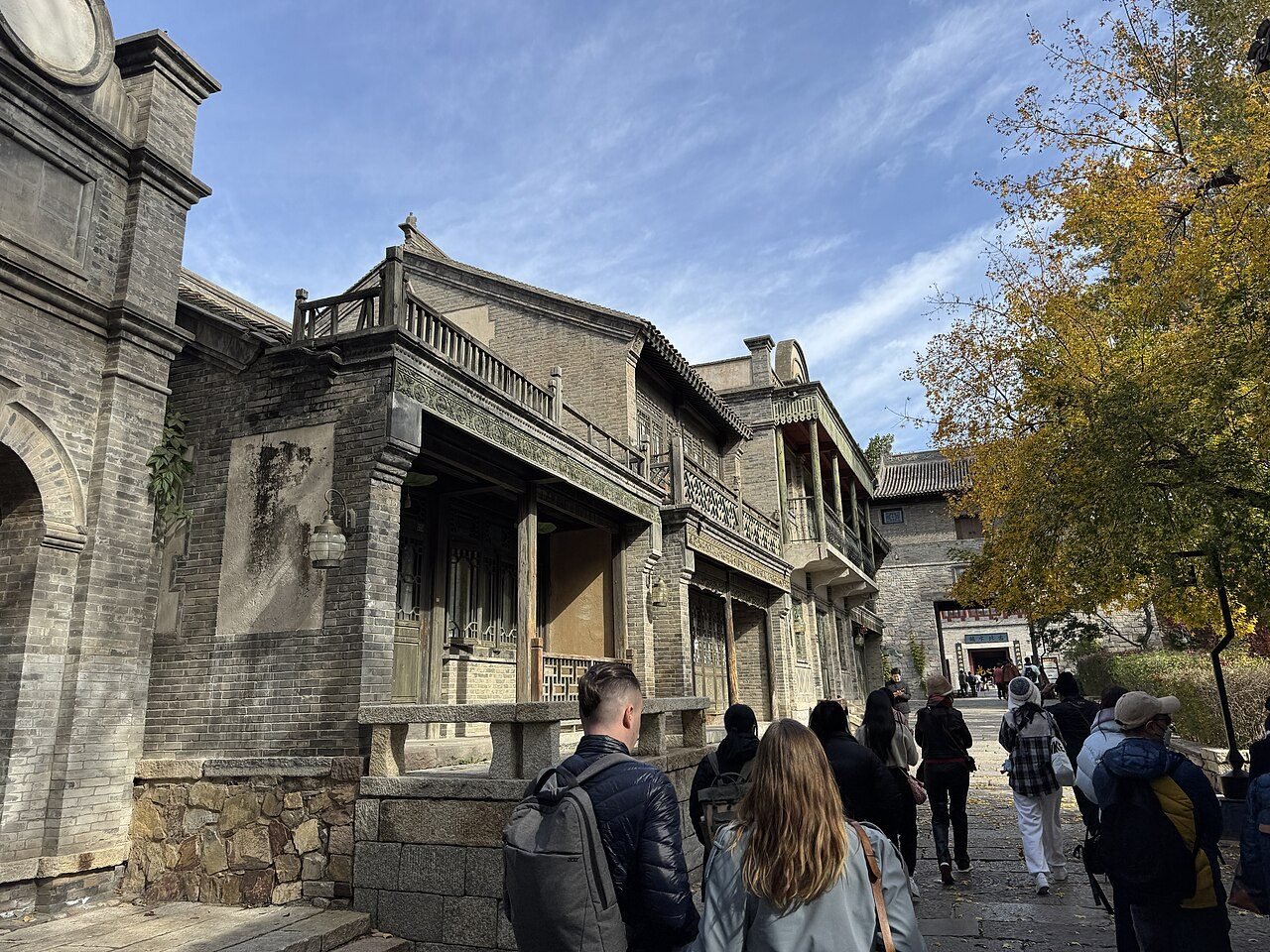
Gubei Water Town sits about two hours northeast of Beijing, near the border with Hebei, and the first thing to know is that it is a reconstructed town. The canals, the grey-brick houses, and the lantern-strung lanes were built in the last fifteen years to look like a northern water town of legend. I went in skeptical and left charmed, which surprised me. Yes, it is polished. But the setting is real: it sits in a mountain valley beneath the restored Simatai section of the Great Wall, and at night the whole place lights up while the wall glows on the ridge above.
If you want gritty authenticity, this is not your spot. If you want an easy, pretty, low-stress escape from Beijing with good food and a wall hike, it delivers. Treat it as a theme park with a mountain, not a preserved village, and you will have a good time.
Getting there from Beijing
Buses run from Beijing’s transit hubs, and ride apps can take you most of the way, though the last stretch is easiest by the tourist shuttle. The drive is roughly two hours without traffic, longer at weekends when half of Beijing decides to flee the city. I went midweek and the road was calm. Once inside, the town is pedestrian, with shuttle carts for the lazy and boats along the canal for the romantic.
Gubei works as a half-day or an overnighter. Staying inside the walls means you can watch the evening light show and the morning mist without the day-trip crowds. If your Beijing plan is wall-heavy, the Mutianyu Great Wall is the easier, more restored alternative, while Gubei pairs the wall with a town below it.
The Simatai Great Wall connection
The headline attraction is the cable car up to Simatai, a steep, dramatic, and less crowded stretch of wall than the famous nearby sections. The eastern end has the vertigo-inducing catwalk that draws brave hikers, and at night the wall is lit for guided walks. I rode the cable car up for sunset and walked a restored segment; the drop on either side is serious, so this is not a place to wander off the path after dark. Our dedicated Simatai Great Wall article covers the hike, the night tours, and the safety notes in full.
What to do in the town
The lanes are packed with things to poke at: a lantern workshop where you can paint your own, a dye house, a courtyard hotel or two with open hearths, and small museums on northern folk life. None are deep, but they fill an afternoon pleasantly. Boat rides on the canal are short and touristy but pretty at dusk. The food is better than I expected, with hot pot restaurants, roast chestnuts, and stalls selling skewers and sweet potatoes.
For a contrast of old Beijing life that is actually old, the Beijing hutongs show the real courtyard neighborhoods the city was built around. Gubei is the stylized version; the hutongs are the source material.
Where to stay and eat
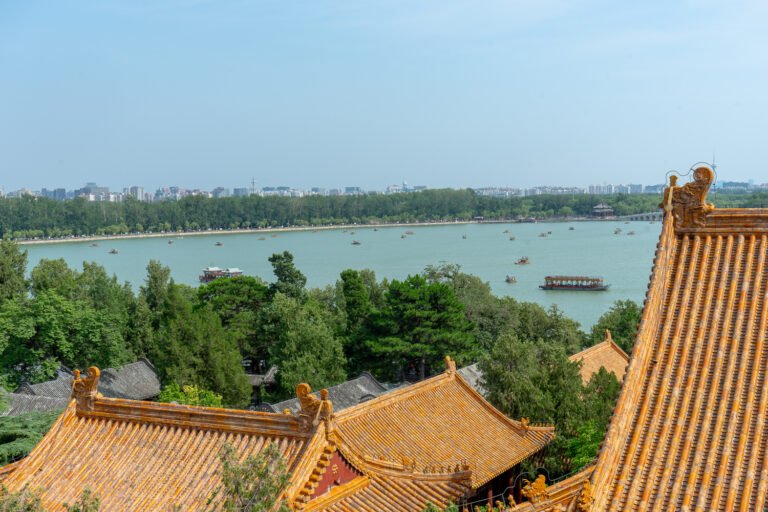
Staying inside the town costs more than a Beijing hotel but buys you the night show and early morning quiet. Book directly with the resort or through a platform and compare. Dining ranges from snack stalls to proper restaurants serving northern hot pot, which is heavier and mutton-forward compared with the Sichuan style. If you want a calmer imperial scene by day, the Summer Palace offers a different kind of water-and-architecture experience back in the city.
How Gubei compares to the southern water towns
China’s famous water towns are mostly in the south, near Shanghai and Hangzhou, and they have genuine age. Gubei is northern and new. The southern towns, like Wuzhen and Xitang, feel older and more lived-in, but they are also farther from Beijing and more commercial in their own ways. Gubei’s edge is proximity: you can do it as a side trip from the capital without crossing half the country.
| Town | Age | Near | Best for |
|---|---|---|---|
| Gubei | Reconstructed | Beijing | Wall + easy escape |
| Wuzhen | Historic, restored | Shanghai/Hangzhou | Theatre, night lights |
| Xitang | Historic, restored | Shanghai | Lanterns, lazy canals |
Hot springs and evening rituals
One feature that sets Gubei apart from the southern water towns is the hot spring culture. Several of the hotels and bathhouses draw on local spring water, and after a day of wall-walking, a soak under the cold northern sky is genuinely restorative. The town’s evening light show is the other ritual: as dark falls, the canals and the wall above switch on, and the whole valley glows. I timed my visit so I caught the show from a bridge, then retreated to a spring, and it was the most relaxed I felt in two weeks of travel.
The springs vary in price and privacy. Public pools are cheaper and busier; private rooms cost more but give you the wall view without an audience. Book spa time with your room if you want both, and note that some baths close earlier than the town’s late-night bars.
Tickets, passes, and money-saving tips
Gubei sells both day tickets and packages that include the Simatai cable car and the night show. The combined pass usually beats buying pieces separately, but only if you will use everything; a half-day visitor should skip the bundle. Children and seniors often get discounts, so ask. Food and drink inside the town carry a markup typical of captive venues, so eat a real meal before entering or budget for it.
If you are on a tight China budget, weigh Gubei against a free Beijing park day plus a Mutianyu Great Wall trip, which costs less and gives more wall for the money. Gubei’s value is the combination of wall and town, not either alone. Our budget stays notes on booking ahead apply here, since on-site rooms sell out on weekends.
Photography and the lit wall at night
Gubei is one of the easier places in China to get a strong night shot. The town’s lanterns and the wall above are lit from dusk, and the reflection in the canal is the money shot. Bring a small tripod or brace your phone on a railing; the light is bright enough that modern phones handle it without a flash, which keeps you from annoying other visitors. The crowd thins after the last bus leaves around eight, so if you stay inside the town, the empty lanes at nine are yours. I got my best frames then, with steam from a late hot pot drifting across the lit water.
Drone use is restricted here as across China, and the wall is a sensitive site, so leave the drone at home. A phone and patience do the job.
Buying tickets and avoiding queues
Buy the combined entry and Simatai cable car online before you arrive, because the on-site window can snarl on weekends. The night-show portion is included in most passes but timed, so note your slot. If you only want the town and not the wall, a basic entry ticket is cheaper, though I think the wall is the point of coming. Student and senior discounts exist; carry ID. The resort’s own site and the major Chinese travel apps both sell tickets, and your hotel can often help if the apps confuse you.
Quick facts
- Gubei is a reconstructed northern water town near Beijing, built in the last 15 years.
- It sits below the Simatai section of the Great Wall.
- About two hours by road from central Beijing.
- Night light shows and a lit wall are the signature sights.
- Staying inside gives access to early-morning quiet and evening shows.
- Lantern-making and dye workshops fill the afternoon.
Frequently asked questions
Is Gubei Water Town real or fake?
It is a reconstructed town, not an ancient village, but the mountain setting and the Simatai Wall above it are genuine. Go for the experience, not for untouched history, and you will enjoy it.
How long should I spend there?
A half-day if you day-trip, but one night inside lets you see the evening show and the empty morning lanes. I recommend the overnight if your schedule allows.
Can I hike the Great Wall from Gubei?
Yes, via the Simatai cable car and guided walks. The eastern catwalk is steep and exposed, so follow the marked routes and avoid unlit sections after dark.
Is it worth visiting instead of the southern water towns?
If you are based in Beijing, Gubei is far more convenient. The southern towns like Wuzhen are older and farther. Choose based on where the rest of your trip sits.
What is the food like?
Northern and hearty: mutton hot pot, roasted chestnuts, skewers, and sweet potatoes. Lighter than Sichuan but heavier than Cantonese food.
When is the best time to visit?
Spring and autumn for comfortable weather and clear wall views. Winter is cold but quiet and atmospheric with snow on the ridges. Summer evenings are pleasant but crowded on weekends.
How do I get there without a car?
Shuttle buses run from Beijing, and ride apps cover most of the route. Book the bus in advance on weekends. Inside the town everything is walkable or boat-accessible.
Written by the ChinaTravelFood editorial team.