What the main Chinese rice types are
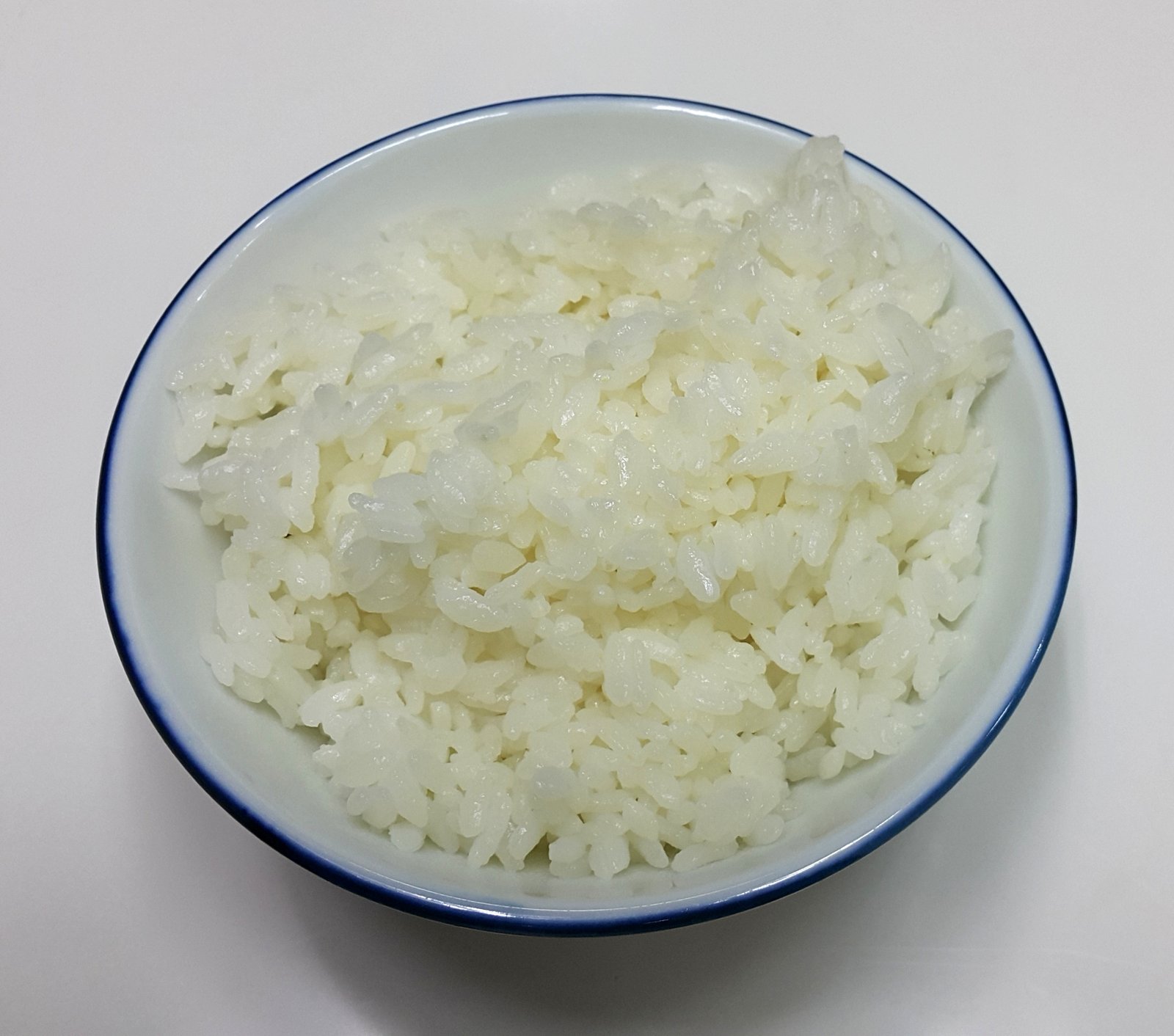
Most of the rice eaten in China is short to medium grain japonica, the same family as sushi rice. It cooks up tender and faintly sticky, which is why a bowl of plain rice can hold its shape under sauce but still clumps nicely on the plate. Beyond that everyday grain, the two varieties worth understanding are long-grain indica rice, grown mostly in the deep south, and glutinous rice, the opaque, very sticky grain used for zongzi, tangyuan, and a long list of festival food.
If you are picking up Chinese rice types at a grocery store outside China, the short answer is this: buy a bag labeled sushi rice, calrose, or short-grain rice, and keep a small bag of glutinous rice for dumpling projects. Skip jasmine and basmati for most Chinese cooking. Jasmine is a Thai indica with a floral smell that fights with soy sauce and scallion, and I have watched more than one home cook ruin a stir-fry by choosing the bag that smelled nicest.
This guide explains the grain families, what each one does in a pot, and how to cook them so your fried rice, congee, and festival dumplings come out the way they do in China. Prices and product names below reflect what I saw in 2024 and 2025; stock varies by store, so read the bag.
The two everyday families, and where they grow
Rice in China divides along a rough north-south line that is really about climate and taste.
Japonica: the short-grain default
Short and medium grain japonica dominates the Chinese table. It is grown heavily in the northeast, especially Heilongjiang, and the premium bags from Wuchang in that province are the most famous in the country. Cooked japonica is moist, a little glossy, and sticky enough to pick up with chopsticks. This is the rice that comes alongside home-style braises, and it is what a Chinese rice cooker is calibrated for.
Northeast rice got its reputation for a reason: cold winters, long daylight in summer, and one crop a year concentrate the flavor in a way subtropical double-cropping does not. A 5 kg bag of standard japonica runs about 20 to 40 RMB in a Chinese supermarket, while premium Wuchang bags go from 60 to well over 100 RMB and come in boxes that look like gift packaging, because they often are.
Indica: the long-grain southern tradition
Long-grain indica is grown across southern China and Southeast Asia. It cooks fluffier and drier, with grains that separate cleanly. You will find it in Cantonese claypot rice and in the south’s old preference for new-crop rice, which southern shoppers judge by smell and a slightly firmer bite. It is also the family that includes Thai jasmine rice and basmati, both of which belong to other cuisines.
For a traveler, the practical takeaway is that restaurant rice in Guangzhou or Fujian can be a touch drier than the rice in a Beijing canteen, and both are correct for their local dishes. The Cantonese cuisine tradition builds claypot and stir-fried rice dishes that want this drier grain.
Glutinous rice, the festival grain
Glutinous rice, sold as nuomi or sticky rice, is a different beast. The grains are opaque white and almost chalky-looking raw, and once cooked they bind into a chewy, cohesive mass. It is not particularly sweet by itself; the sweetness in festival food usually comes from fillings and syrup, not the grain.
The grain’s job is structure. It holds a filling inside a leaf or a ball of dough, and it keeps its shape when reheated. That is why zongzi, the leaf-wrapped pyramids eaten at the Dragon Boat Festival, use it, and why tangyuan, the sweet rice balls of Lantern Festival and winter solstice, are made from glutinous rice flour rather than wheat.
Savory uses matter too. Lotus leaf rice, where sticky rice is steamed with chicken and sausage inside a folded leaf, is a Cantonese dim sum classic. Nuo mi ji, sticky rice stuffed under the skin of a chicken, is a Jiangnan banquet dish. In Yunnan and Guizhou you will find sticky rice colored and molded for festivals. A small bag lasts for months in the pantry, and if you cook it, soak it overnight and steam it rather than boil it.
One warning from experience: do not treat glutinous rice as an everyday side dish. It is dense, and a large bowl sits in your stomach like a brick. Locals eat it in small portions, usually in the morning or at festivals.
How to cook each type properly
The difference between good and gummy Chinese rice at home is mostly water and handling.
Everyday japonica
Rinse short-grain rice two or three times until the water runs mostly clear, then cook with a water ratio near 1 to 1.15 by volume. A rice cooker handles this automatically, and the finger-knuckle method works if you are used to it: the water should sit about a knuckle above the rice. Let the cooked rice rest ten minutes off the heat before fluffing; this firms the grains and stops steam from making them mushy.
Long-grain indica
Use more water, closer to 1 to 1.5, rinse less, and do not soak. The goal is separate, fluffy grains. If your rice comes out sticky, you either added too much water or stirred it during cooking, which releases starch and turns the pot into porridge.
Fried rice
Use rice cooked the day before, cold from the fridge. Fresh rice steams instead of frying, and you get clumps. Day-old short-grain rice is ideal because the surface dries while the inside stays tender. The fried rice guide covers the wok side of things, which matters more than the brand of rice.
Congee
Congee is rice cooked with a lot of water until the grains collapse. A ratio of 1 to 10 or even 1 to 12 gives the silky result Cantonese breakfast shops serve; some cooks add a spoon of oil or soak the rice first for extra smoothness. Our congee guide walks through the ratios and toppings.
Rice dishes that show the difference
The fastest way to understand Chinese rice types is to eat the dishes that exist because of them.
| Rice type | Grain and texture | Signature dishes | What to look for on the bag |
|---|---|---|---|
| Short-grain japonica | Plump, tender, faintly sticky | Everyday table rice, onigiri-style rice balls, claypot rice | Sushi rice, calrose, short grain, “japonica” |
| Long-grain indica | Fluffy, dry, grains separate | Cantonese claypot rice, some fried rice | Long grain, medium grain for a middle option |
| Glutinous rice | Opaque, chewy, binds together | Zongzi, tangyuan, lotus leaf rice, nuo mi ji | Sticky rice, glutinous rice, sweet rice |
| Jasmine or basmati | Fragrant long grain | Thai and South Asian cooking, not standard in China | Avoid for most Chinese dishes |
If you shop at an Asian grocer, the rice aisle is usually organized by cuisine, and the Chinese section sits near the Japanese one because both stock japonica. Buy the smallest bag that still makes sense per kilogram, because rice goes stale and old rice cooks up with a hard core. Store it in a sealed container away from heat, and treat anything older than a year as congee material.
Breakfast is where rice crosses into street food. Fan tuan, a ball of sticky rice wrapped around fried dough and pickles, is a Shanghai classic, and the Chinese breakfast culture treats rice as a morning grain, not just a dinner side. Once you look for it, rice shows up at every hour of the Chinese day.
Quick facts
- Most rice in China is short to medium grain japonica, the same family as sushi rice.
- Glutinous rice is a separate grain used for zongzi, tangyuan, and sticky-rice dishes.
- Jasmine and basmati belong to Thai and South Asian cooking, not Chinese kitchens.
- Cook japonica at roughly 1 to 1.15 water to rice; indica closer to 1 to 1.5.
- Fried rice wants day-old, refrigerated rice, not fresh.
- Premium bags from Heilongjiang are sold in gift boxes and priced several times higher than standard rice.
Frequently asked questions
Can I use jasmine rice for Chinese food?
You can, and many people outside China do, but the floral aroma and drier texture work against soy-based sauces. For everyday Chinese cooking, a short-grain sushi or calrose rice is a much closer match to what people actually eat in China. Save jasmine for Thai dishes.
What is the difference between sticky rice and regular rice?
Glutinous rice has almost no amylose starch, so it turns chewy and cohesive when cooked. Regular japonica has some amylose, which keeps it tender but separable. They are not interchangeable in zongzi or tangyuan, where the glutinous grain provides the structure.
Is sushi rice the same as Chinese rice?
Close enough for most purposes. Both are japonica, and bags labeled sushi rice in Western supermarkets are usually Chinese-grown or California-grown medium grain. Chinese northeast rice is a step more fragrant in good years, but the cooking behavior is nearly identical.
Do I need to wash rice?
For everyday rice, yes, rinse two or three times. It removes surface starch and keeps the cooked grains from turning into paste. Do not rinse rice intended for congee if you want the starch to thicken the pot.
Why does restaurant fried rice taste better than mine?
Three reasons: higher heat, day-old rice, and seasoning added at the right moment. Home stoves cannot match a restaurant wok burner, but you can fix the rice and the timing. Cold, dried rice and a screaming-hot pan get you most of the way there.
What rice do Chinese people consider the best?
Northeast japonica, especially from Heilongjiang, carries the strongest reputation, and Wuchang rice is the most famous name. Older southern shoppers sometimes prefer new-crop indica for its fragrance. Both preferences are regional and seasonal, and neither is wrong.
Plan a China food route
Rice is the quiet thread through every regional table in China, from the claypot shops of Guangzhou to the breakfast stalls of Shanghai. If you want a route built around the dishes where rice does the heavy lifting, tell us your dates on our contact page and we will build a custom food-and-travel itinerary for you.
Written by the ChinaTravelFood editorial team.