Shopping in Shanghai: Boutique Streets, Tailors, and Tea
The concession streets where Shanghai shops, real tailoring prices at the fabric market, tea market technique, and the famous bazaars not worth your money.

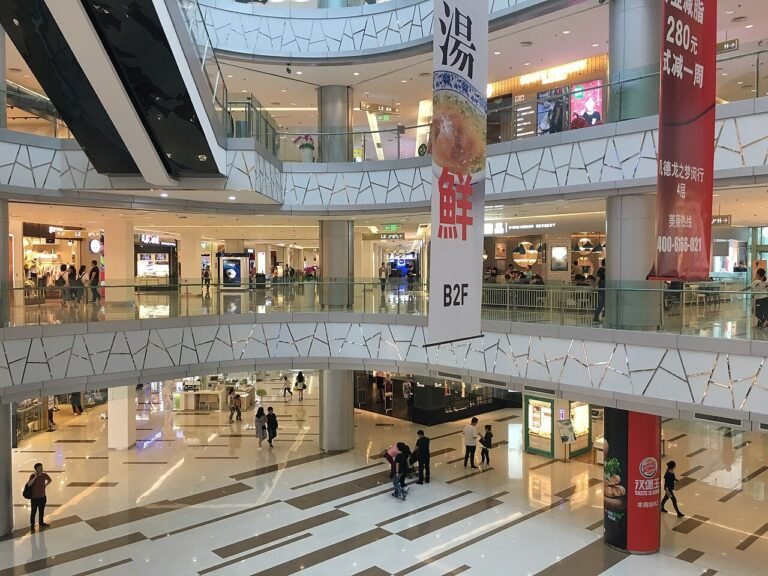
The concession streets where Shanghai shops, real tailoring prices at the fabric market, tea market technique, and the famous bazaars not worth your money.
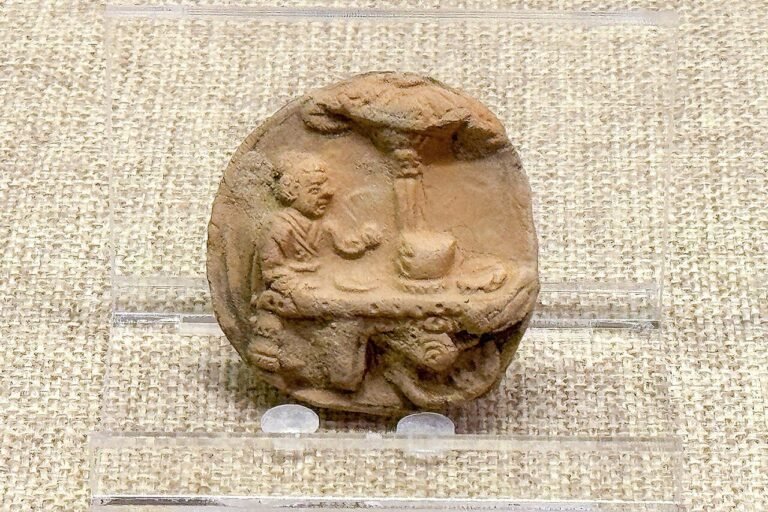
Kaifeng’s night markets, from the city that invented them: soup dumplings, stir-fried starch jelly, bucket chicken, and which market serves which crowd in 2024.

Dunhuang’s Shazhou Night Market serves donkey noodles, lamb skewers, apricot drinks, and Silk Road snacks, with prices, timing, and the Mogao Caves nearby.

Chinese wet markets are the honest heart of the country’s food. Here is what you will see, what to eat at the stalls, and how to shop without awkwardness.
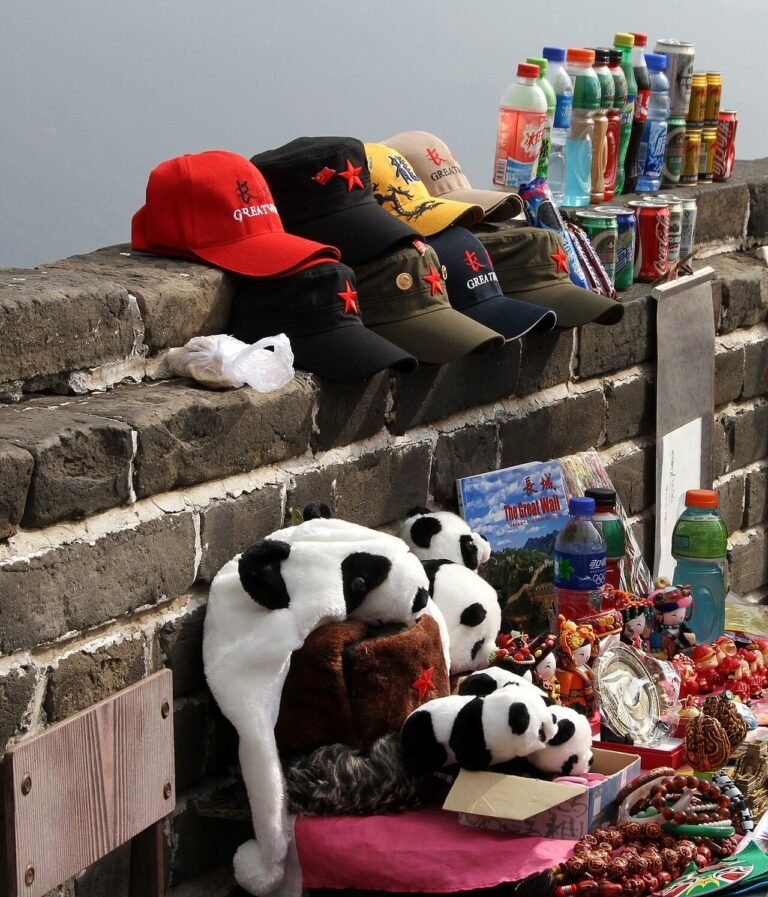
Tea, ceramics, name seals and spices that are worth the baggage space, the tourist traps to walk past, where to bargain, and how to clear customs with it.
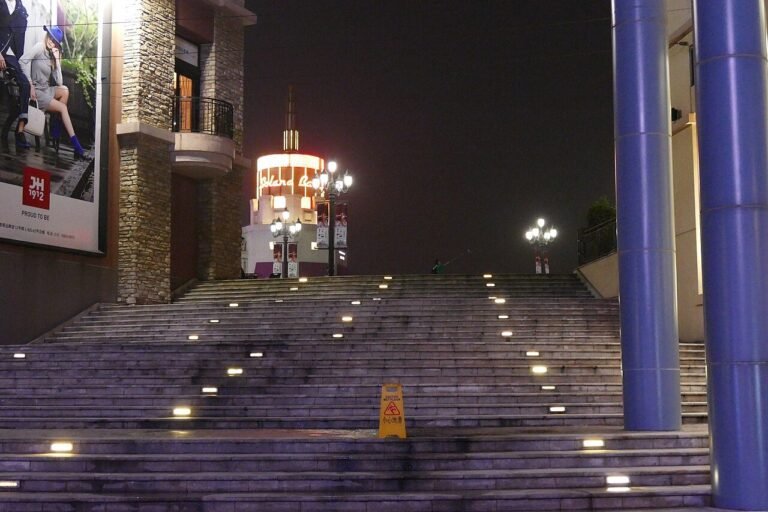
Where Beijingers shop: the Maliandao tea street, Panjiayuan at dawn, old-brand food shops, the malls worth entering, and the tourist streets to walk past.
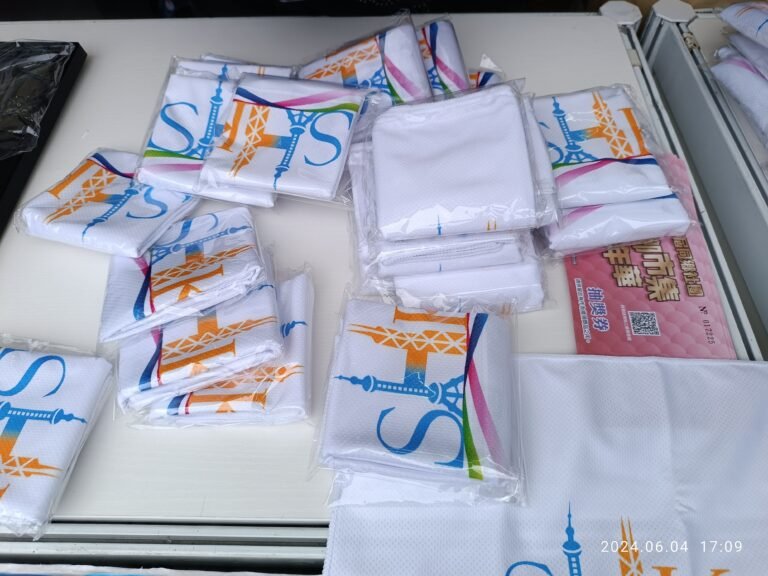
Tea, sauces, spices, and festival sweets make the best edible souvenirs from China. Learn what travels well, what clears customs, and what to skip at borders.
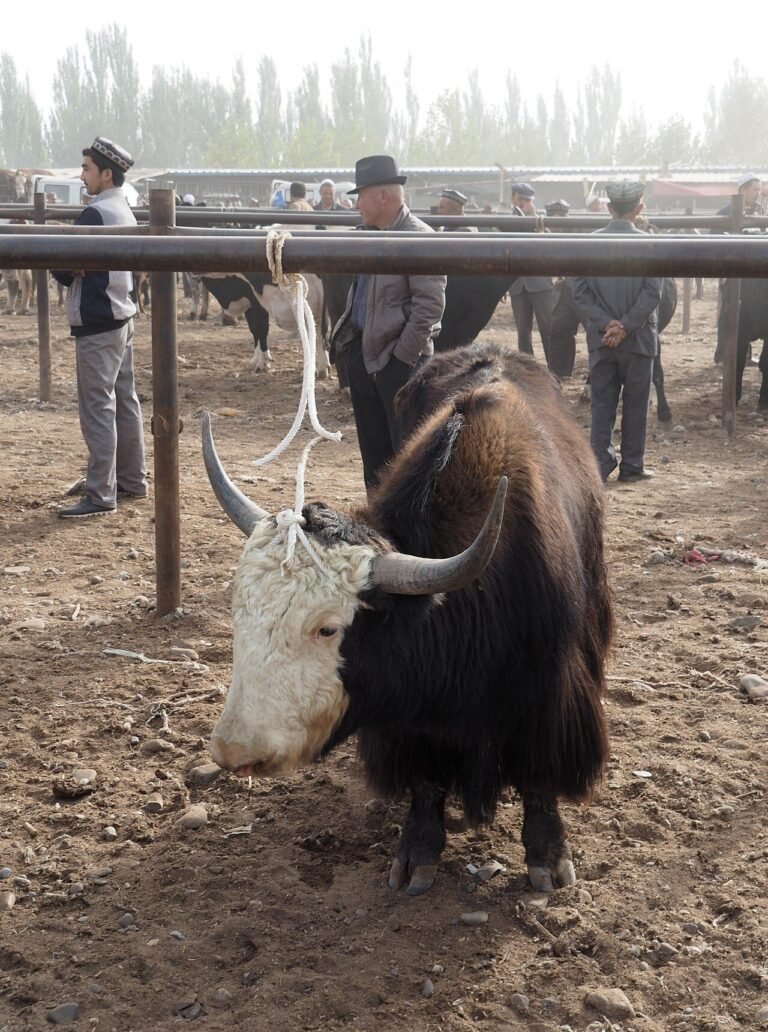
A working Silk Road market and everything worth eating in it: Xinjiang naan, lamb skewers, pilaf, samsa, tea houses, prices, timing, and the etiquette that matters
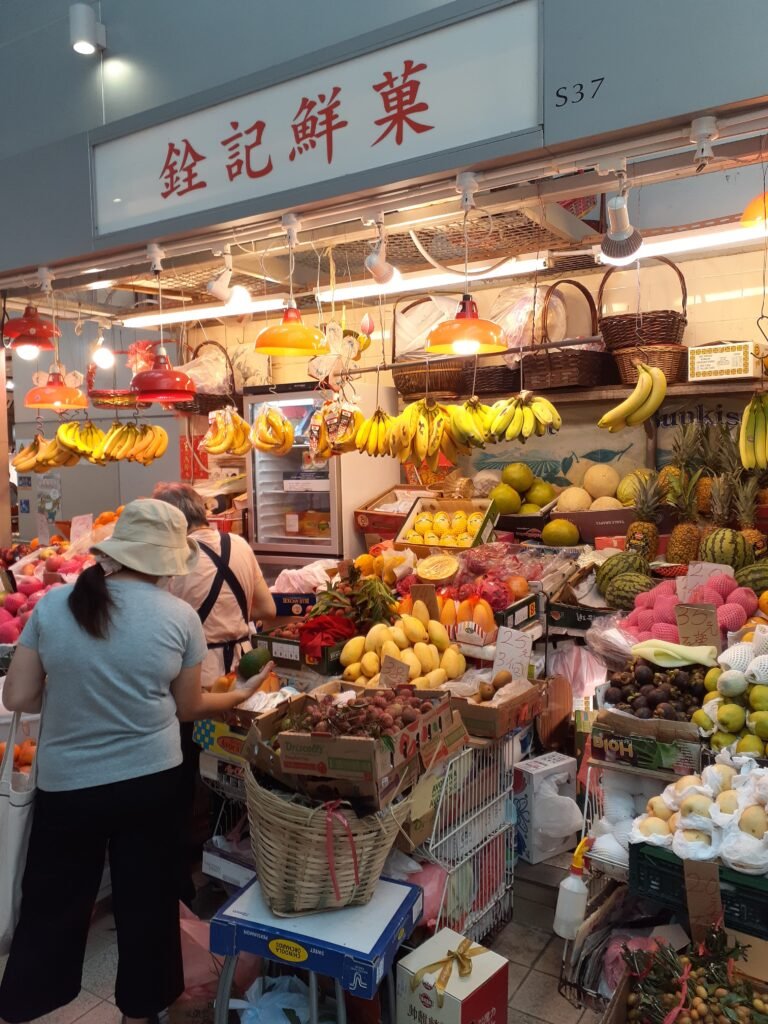
A traveler’s guide to shopping China’s wet markets: what you will see, how to behave, what to eat, and which markets in Shanghai and Hong Kong are worth an early alarm

Chinese night markets differ by region: northern lamb skewers, southern steam, western naan, southwest heat; here is a traveler’s roundup of where to eat