The Presidential Palace in Nanjing is the kind of place that makes Chinese history feel like a layer cake you can walk through. The same ground held a Ming princely residence, a Qing governor’s office, the headquarters of the Taiping Heavenly Kingdom, and then the seat of the Republic of China government in the 1920s and 40s. Standing in the central courtyard, I kept thinking about how many different Chinas had claimed this one plot of land, and how each left a wall or a slogan behind.
If your China reading stops at the Great Wall and the Forbidden City, this site complicates the story in a useful way. It is about the century when China was not an empire and not yet the People’s Republic. This guide covers what you are looking at, how to pair it with the rest of Nanjing, and the practical details that keep a visit smooth.
What the compound actually is
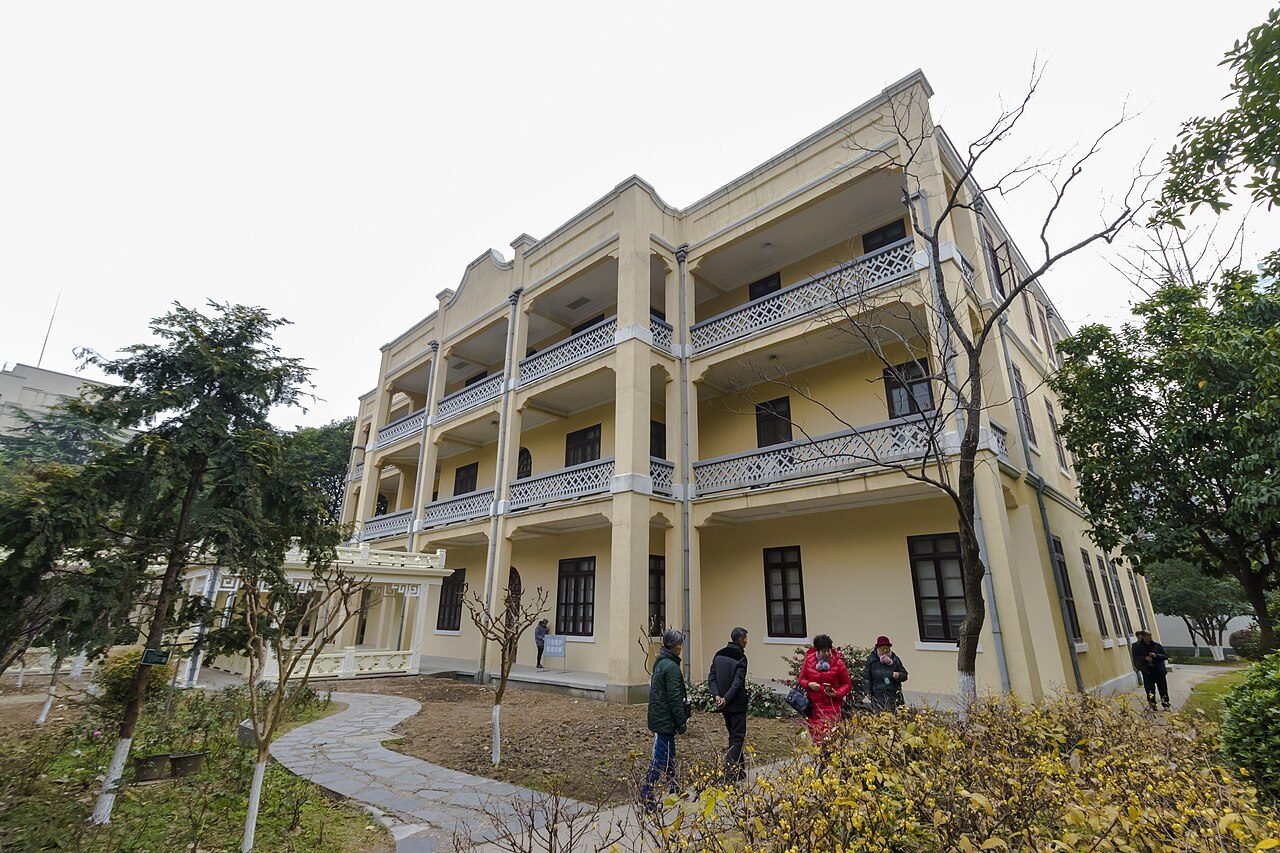
Do not expect a single grand building. The site is a sprawling walled compound of about 90,000 square meters, part formal Chinese garden, part Western-style government block, part Taiping-era reconstruction. The main structure you walk through is the neoclassical Western block built in the 1920s for the Nationalist government, with a Chinese-style roof added on top so it would not look too foreign. The most photographed spot is the red-pillared entrance arch, but the substance is inside: the offices of Chiang Kai-shek, the cabinet rooms, and a small theater where the republic’s assembly met.
The layers matter. The Qing dynasty ran its southern administration, the Liangjiang governor’s office, from here. When the Taiping rebels took Nanjing in 1853 they made it their palace (Tianwang Fu) and rebuilt parts with a zeal that later restorers found garish. After the Taiping fell, the Qing restored the government offices. Then in 1912 Sun Yat-sen was sworn in as provisional president in a hall on this site, and from 1927 to 1949 it was the Nationalist command center. I found the contrast between the Confucian garden calm and the revolutionary slogans carved nearby genuinely disorienting, in a good way.
For the imperial bookend to this republican story, our piece on the Nanjing Confucius Temple covers the older riverside quarter a short walk away, and the two together make a strong half-day of old and newer Nanjing.
Getting to the palace
The compound sits in the city center, east of the Qinhuai river, reachable by metro line 2 or 3 to Daxinggong or Fuqiao stations, then a ten-minute walk. Nanjing is a major stop on the China’s high-speed rail from Shanghai (about 70 to 90 minutes) and Beijing (around four hours). If you arrive by train at Nanjing South, the metro runs straight to the center, and the Chinese train stations guide helps if the South Station confuses you, because it is huge and the signage is thin at the edges.
Buy tickets in advance through the official WeChat mini-program or at the gate; the site caps daily entries and the cap bites on weekends and holidays. A timed entry keeps the courtyards from turning into a crush, which is more than you can say for many Beijing sites.
How to tour it without rushing
Plan two to three hours. The route is loosely clockwise: entrance arch, the Taiping exhibition halls, the republican government offices, the gardens at the back, and the small museum on the site’s long history. I moved slowly and still missed a wing. Audio guides are available and worth the rental; the signage in English is patchy, and without the audio the rooms are just old furniture.
The back garden is the pleasant surprise. After the dense history rooms, the rockery and pond feel like a breather, and they are where the Ming and Qing origins show most clearly. I sat there longer than I planned, watching a tour group flow past and then the quiet return. The rock arrangement is classic Jiangnan, with a single taihu stone as the centerpiece, the kind of thing Nanjing’s officials collected to show taste.
Pairing it with the darker history
Nanjing carries a heavy 20th-century memory, and the Memorial Hall of the Nanjing Massacre is a short taxi or metro ride away to the west. It is sobering, well-built, and worth a visit if you can bear it; I would not do it the same afternoon as the palace, because both ask for emotional attention. Give the massacre memorial its own morning, and keep the palace for a lighter, more architectural afternoon. The best time to visit China note for Nanjing is spring and autumn, when the plane trees that line the avenues are at their best and the heat is off.
A Nanjing day around the palace
Morning at the palace, late afternoon along the Qinhuai river and the Confucius Temple area, evening eating in the old quarter. Nanjing’s food is its own quiet strength: salted duck (yanshui ya) is the city dish, lean and lightly seasoned, and the sesame balls and pan-fried buns at the river stalls round out a night. For the bigger food picture, our China travel budget piece notes Nanjing as a mid-priced eating city, cheaper than Shanghai and better than its size suggests. The duck blood vermicelli soup (鸭血粉丝汤) is the breakfast-lunch bridge dish, peppery and cheap at around 15 yuan a bowl, and I ate it three times in two days.
Tickets and timing
| Detail | Information |
|---|---|
| Location | Changjiang road, central Nanjing |
| Size | About 90,000 sq m, multiple eras |
| Time needed | 2 to 3 hours |
| Entry | ~35 yuan; book ahead, capped daily |
| Best time | Weekday morning, avoid holiday peaks |
| Combine with | Confucius Temple, Qinhuai river (walkable) |
| Nearby | 1912 district for a drink after |
Quick facts
- City: Nanjing, Jiangsu province, on the Yangtze.
- History layers: Ming prince, Qing office, Taiping palace, republican seat, Sun Yat-sen 1912.
- Size: roughly 90,000 square meters of linked courtyards.
- Entry: about 35 yuan; daily cap, book ahead on WeChat.
- Time: 2 to 3 hours for a proper walk.
- Best paired with: the Confucius Temple and Qinhuai river, and the Massacre Memorial on its own morning.
- Metro: line 2 or 3 to a central station, then walk.
FAQ
Do I need to know Chinese history to enjoy it?
No, but a little helps. The audio guide fills gaps, and the rooms are labeled with the basic facts. If you know nothing about the Republic period, you will leave knowing more than you expected. I went in fuzzy and left with a clearer picture of the 20th century and why Nanjing matters.
Is it crowded?
Weekends and National Day are busy. A weekday morning felt roomy. The entry cap means it never turns into a scrum, which is more than you can say for many Beijing sites, and the gardens stay calm even on a full day.
How does it compare with the Forbidden City?
Different era, different mood. The Forbidden City is imperial and overwhelming; the Presidential Palace is republican, intimate, and messy in the best sense. I would not choose one over the other, but if you have done Beijing’s palace, this shows the China that came after, and the contrast is the point.
Can I take photos?
Generally yes in the courtyards and gardens; some exhibition rooms forbid flash or photography. Watch for signs. The red entrance arch is the money shot and it is allowed, and the garden rocks photograph well in the late light.
Is it accessible for strollers or wheelchairs?
Partly. The main paths are flat, but the garden has steps and some rooms are tight. Nanjing’s broader accessibility picture is mixed; plan extra time. Our accessibility guide covers the general situation, and the palace staff will point you to the ramp routes.
What else is near the palace?
The 1912 district, a block of bars and cafes in old Republican buildings, is next door and good for a drink after. The Confucius Temple and river are a 15-minute walk or short taxi. I did both in one long afternoon and ended at a riverside stall with duck soup.
How long should I spend in Nanjing overall?
Two full days covers the palace, the temple, the massacre memorial (sobering, worth it), and the city wall. Three lets you breathe and add the Sun Yat-sen Mausoleum. Nanjing is a strong stop on a Shanghai-to-Beijing run if you have the nights to spare, and the food justifies an extra meal.
Is the food safe for a sensitive stomach?
Mostly yes; the dishes are cooked hot and the duck soup is gentle. The food safety notes cover the basics, but the bigger risk in Nanjing is overeating the duck, not getting sick from it.
If Nanjing is on your route, the next step is to book the palace ticket ahead for a weekday and build the Confucius Temple river walk around it. Tell us your dates through the contact page and we can stitch a Nanjing food-and-history day that fits your train schedule. The plane trees are best in the fall; plan for them.
Written by the ChinaTravelFood editorial team.