Nanxun Ancient Town: The Canal Town With Silk Money
Nanxun is a Jiangnan canal town south of the Yangtze that grew rich on silk, leaving European-influenced mansions and quiet willow-lined waterways.

Detailed guides to China’s top attractions for foreign visitors: opening hours, ticket booking rules for overseas travellers, crowd-avoidance timing, transport, and what to eat nearby.

Nanxun is a Jiangnan canal town south of the Yangtze that grew rich on silk, leaving European-influenced mansions and quiet willow-lined waterways.
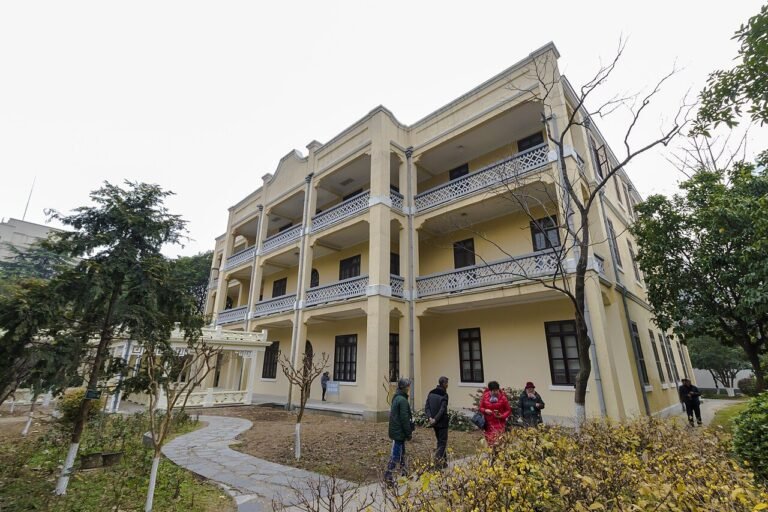
The Nanjing Presidential Palace layers Ming, Qing, Taiping, and republican history in one walled compound. Here is what to see, how to book, and how to pair it with the old city.

Mount Jiuhua is one of China’s four sacred Buddhist mountains, with dozens of working temples and far fewer crowds than Huangshan. Here is how to visit and where to stay.

Mount Gongga, Sichuan’s 7,556-metre Minya Konka: why the summit stays hidden, the Hailuogou glacier you can reach by cable car, the western treks, and the altitude you must respect.
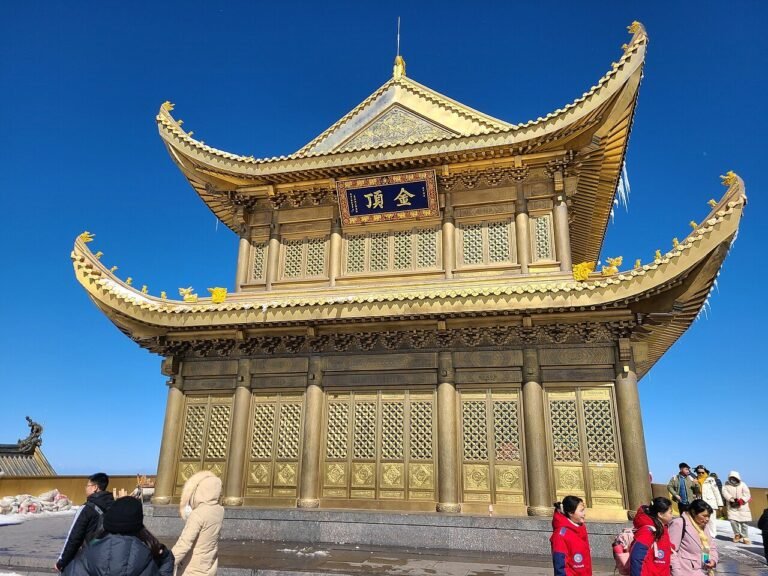
Mount Emei guide: a sacred Sichuan Buddhist mountain with a golden summit, a sea of clouds, and bold macaques that run a toll booth on the trail.
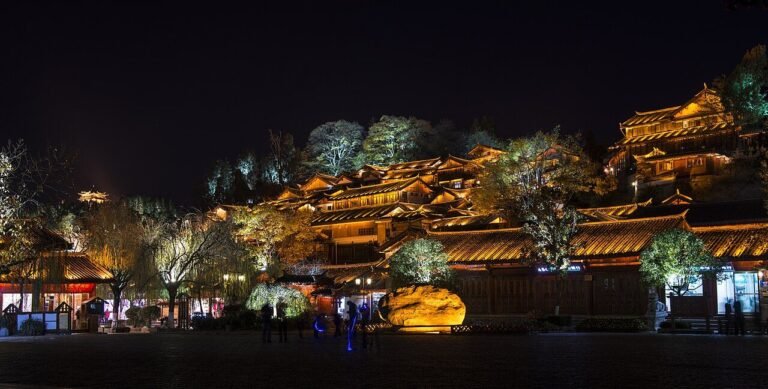
Lijiang Old Town guide: a Naxi cultural hub in Yunnan with canals, stone lanes, and Jade Dragon Snow Mountain, best used as a base for day trips.

Laoshan is the Taoist mountain that rises from the sea east of Qingdao, with temples, a cable car, and tea on its slopes. Here is how to visit it from the city.
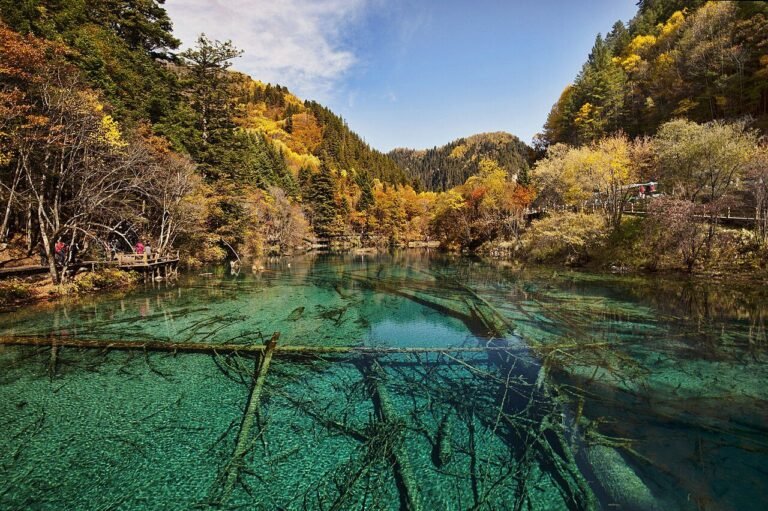
Jiuzhaigou Valley travel guide: a Sichuan national park of colored lakes, waterfalls, and Tibetan villages, with a Y-shaped layout and shuttle buses.
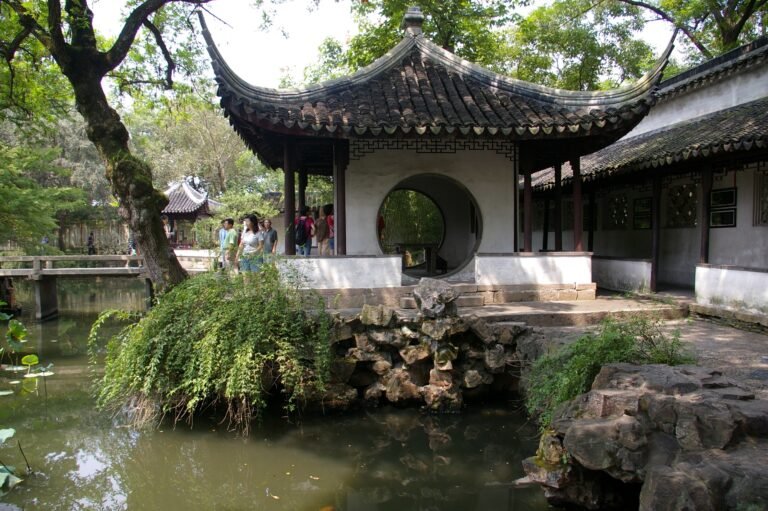
The Humble Administrator’s Garden is Suzhou’s largest classical garden and the clearest lesson in borrowed scenery. Here is how to tour it before the crowds and what to eat nearby.
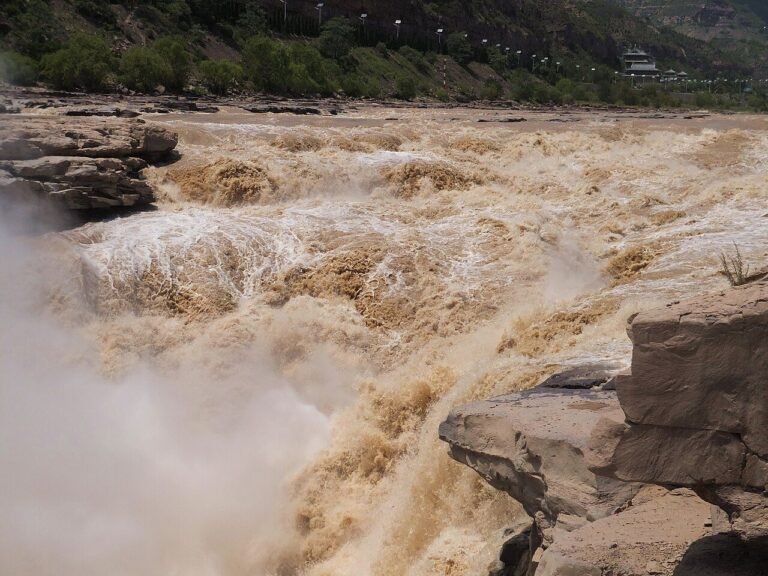
Hukou is where the Yellow River squeezes through a narrow gorge and drops in yellow spray. Here is how to visit from Xi’an, which side to pick, and the best season.