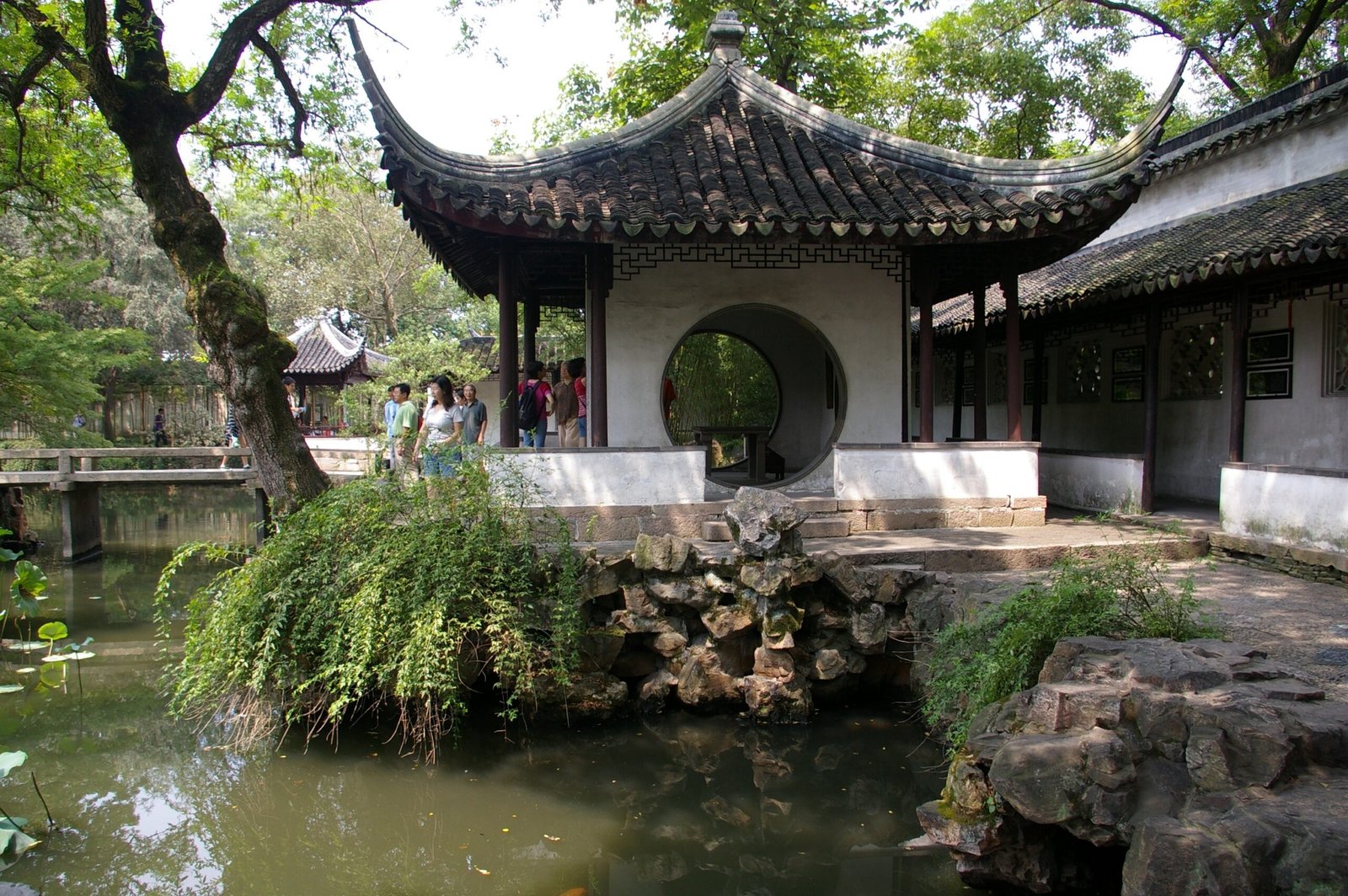
Humble Administrator’s Garden: Suzhou’s Quiet Masterpiece
The Humble Administrator’s Garden in Suzhou is the one I tell people to see first if they only have time for a single Chinese garden. It is the largest of the city’s classical gardens and, to my eye, the most legible: you can actually read how a scholar of the Ming dynasty wanted to live, with water doing the work that walls do in a European garden. I visited on a weekday in November and had whole pavilions to myself, which is the only way to understand a place built for quiet.
This guide explains what you are looking at, how the garden’s logic works, how to avoid the worst crowds, and how to pair it with Suzhou’s food and the nearby water towns.
Why this garden, not the others
Suzhou has roughly nine open classical gardens, all UNESCO-listed together, and they blur together if you do too many. The Humble Administrator’s (Zhuozheng Yuan) is the biggest and the template. Built in the early 16th century by a dismissed official who took the name from a line about a “humble administrator” retiring to farm, it spreads over about 5 hectares, most of it water. The design principle is “borrowed scenery”: frame a view, hide the boundary, and let a distant pagoda become part of the composition.
I had read about borrowed scenery and still did not get it until I stood at the right window and saw a tower outside the walls sitting inside the garden’s frame. That trick is the whole art, and this garden does it better than any other I have walked. The garden is also the most “water as architecture” of the Suzhou set; where other gardens stack rockery, this one opens a broad pond and lets the buildings float at its edges. The effect is calm rather than busy, which is why it reads clearly even to first-timers.
How to tour it without the crowds
Open at 7:30 in warmer months, and the first hour is gold. The tour buses arrive around 10, and by noon the narrow paths jam. I went at opening and left by 10:30, having seen the main loops and the far pavilions in peace. The garden is laid in a rough ring around the central pond; do the far eastern section first, where the crowds thin, then drift back west.
Do not try to see it as a checklist. Pick three pavilions, sit in each for ten minutes, and watch the light move on the water. The garden was built for lingering, and a rushed walk misses the point. Our China travel budget note is irrelevant to entry (about 70 to 90 yuan, confirm at the gate) but matters for the rest of your Suzhou day. If you arrive at opening in winter, you may have the central pond to yourself with only the keeper’s radio for company; that is the version worth the early alarm.
The layout, section by section
The garden splits into three parts that read as one: the eastern residential court, the central water garden (the heart, with the Far From Disturbance Pavilion), and the western enclosed yard with its ornate latticework. Most visitors loop the center and skip the west, which is a mistake; the western yard is smaller and quieter and shows the carved-window craft best. The eastern court is the least interesting unless you care about the Ming house plan, so I would give it the shortest time.
The central pond is the place to slow down. Rent the audio guide or read the plaque at the main pavilion, then just walk the rim. The bridges are low and deliberately narrow so the water stays wide in your eye; that restraint is the design. I counted four separate “borrowed” views on the rim walk alone, each framed by a doorway or a gap in the planting.
The food around the garden
Suzhou cooking is the refined, sweet-leaning wing of Jiangsu cuisine, and the streets near the garden are full of it. The local noodle soup (a Suzhou breakfast staple) and the sweet-savory “songshu guiyu” (squirrel-shaped mandarin fish) are the signatures. For a fuller eating plan, our Suzhou food guide maps the dishes and the best old restaurants. I ate a bowl of plain noodle soup with a sweet braise on the side for 25 yuan and called it a good morning.
Around the north gate there is a lane of small eateries where locals eat, not the tourist restaurants on the main street. The “Suzhou-style” pork knuckle braised in soy and sweet wine is the dish I would add to the noodle; it is sticky, mild, and nothing like the red-cooked pork of the south. Finish with a “osmanthus” sweet, the city’s flower, in a glutinous dumpling or a cooled soup.
Pairing with the water towns
Suzhou is the jump-off for the canal towns, and the Humble Administrator’s makes a natural morning before an afternoon at a town like Wuzhen water town, whose canals are the garden’s water logic blown up to a village. The contrast is instructive: the garden miniaturizes nature, the town lives inside it. I did the garden at opening and Wuzhen the next day and the two readings of water stuck with me.
Tongli and Luzhi are the closer alternatives if Wuzhen feels too far; both are within an hour and less built up. The point is the same: see the garden’s idea small, then see it at village scale. For the theory behind the form, our piece on Suzhou classical gardens lays out the vocabulary you will meet on the rim walk.
| Detail | Information |
|---|---|
| Size | About 5 hectares, mostly water |
| Age | Built early 16th century, Ming dynasty |
| Entry | ~70 to 90 yuan; confirm at gate |
| Best time | Opening hour, weekday, off-peak season |
| Time needed | 2 to 3 hours at a slow pace |
| Combine with | Suzhou old city, a canal town next day |
When to go and what to skip
Suzhou’s gardens are best in the quiet seasons, and the Humble Administrator’s is no exception. Spring peonies and autumn maples draw crowds, so go early and on a weekday. Summer is hot and the pond algae can cloud the water; winter is cold, empty, and to my mind quietly the best time if you can handle the chill. Skip the guided “through tour” groups that march you past the pavilions; they explain the history but kill the calm, which is the whole reason to be there.
Quick facts
- City: Suzhou, Jiangsu, about 25 minutes by rail from Shanghai.
- Status: largest of Suzhou’s classical gardens, UNESCO-listed.
- Principle: borrowed scenery and water-as-walls design.
- History: built in the 1500s by a retired official.
- Entry: about 70 to 90 yuan; book or arrive early.
- Best plan: opening hour on a weekday, then the old city.
- Nearby: Suzhou Museum, the canal towns within an hour.
- Three parts: eastern court, central pond, western enclosed yard.
FAQ
Is one garden enough, or should I see several?
One well, then stop. The Humble Administrator’s is the best single example; adding a second smaller garden (the Master of Nets is the usual pick) gives contrast without fatigue. Three gardens in a day is too many and they blur.
How early should I arrive?
At opening. The difference between 7:40 and 10:00 is the difference between a meditation and a mall. I cannot overstate this; the crowds define the experience.
What is “borrowed scenery”?
A design trick where a feature outside the garden, a pagoda or a hill, is framed so it reads as part of the composition. The Humble Administrator’s does it with a distant tower. Once you see it, you notice it everywhere in Suzhou.
Is it accessible?
Largely flat with paved paths, but the garden has steps into pavilions and some uneven stone. Wheelchairs can manage the main loops. Suzhou’s general accessibility is mixed; allow extra time.
How do I get there from Shanghai?
High-speed train to Suzhou station (about 25 minutes), then a short taxi or bus to the garden. Our rail guide covers the ticketing. The garden is central, so most hotels are a short ride away.
What else is near the garden?
The Suzhou Museum, designed by I.M. Pei, is next door and free; the Pingjiang old street is a walk away for food and canals. I did the museum after the garden and it was a clean pairing.
When is the best season?
Spring for the peonies and autumn for the maples. Both bring crowds, so go early. Winter is cold and empty and, to me, quietly the best time if you can handle the chill.
Which part should I not miss?
The western enclosed yard. Most visitors loop the central pond and leave, but the small west court shows the carved-window craft best and is the quietest corner in the garden.
If Suzhou is on your route, the next step is to book the garden for an opening-time slot on a weekday and keep the afternoon free for the museum and noodles. Reach out through our contact page and we can build a Suzhou garden-and-canal plan around your Shanghai rail hop.
Written by the ChinaTravelFood editorial team.