Reading a Chinese Menu: Characters That Matter
How Chinese menus are built: the sections, fifteen characters worth learning, how dish names are formed, the dishes whose names mislead, and QR ordering.

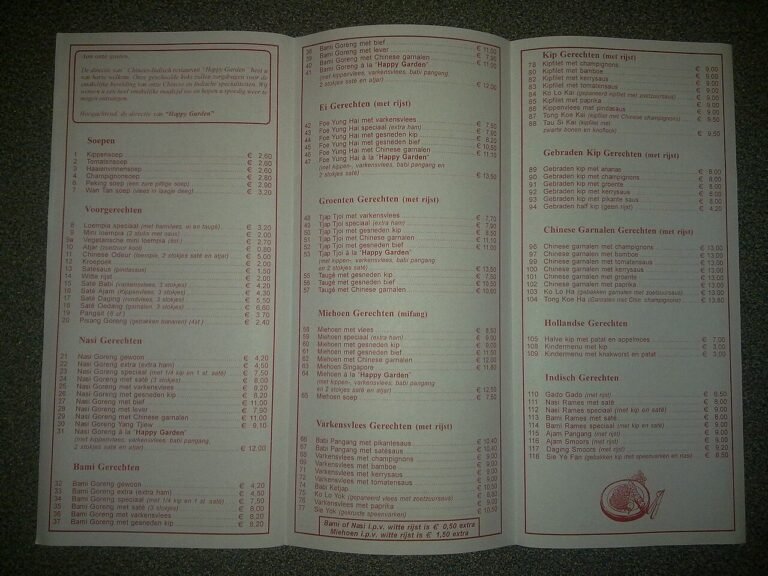
How Chinese menus are built: the sections, fifteen characters worth learning, how dish names are formed, the dishes whose names mislead, and QR ordering.
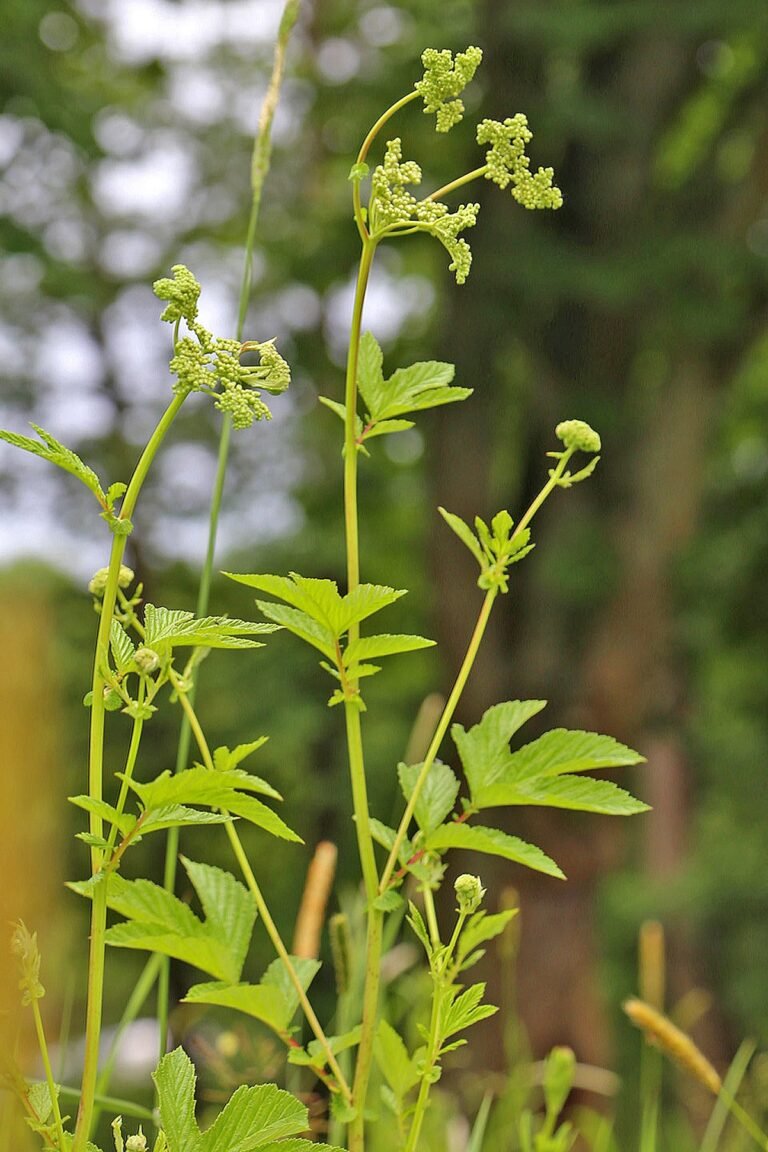
How yao shan works: Cantonese slow soups, herbal teas, and Yunnan mushroom broths, with what the herbs are, what they cost, and a clear note on limits.

Chinese wet markets are the honest heart of the country’s food. Here is what you will see, what to eat at the stalls, and how to shop without awkwardness.

Hot pot in China is not one dish: Chongqing’s tallow fire, Chengdu’s balanced split pot, and Yunnan’s mushroom broth each taste different. Here is how to order.
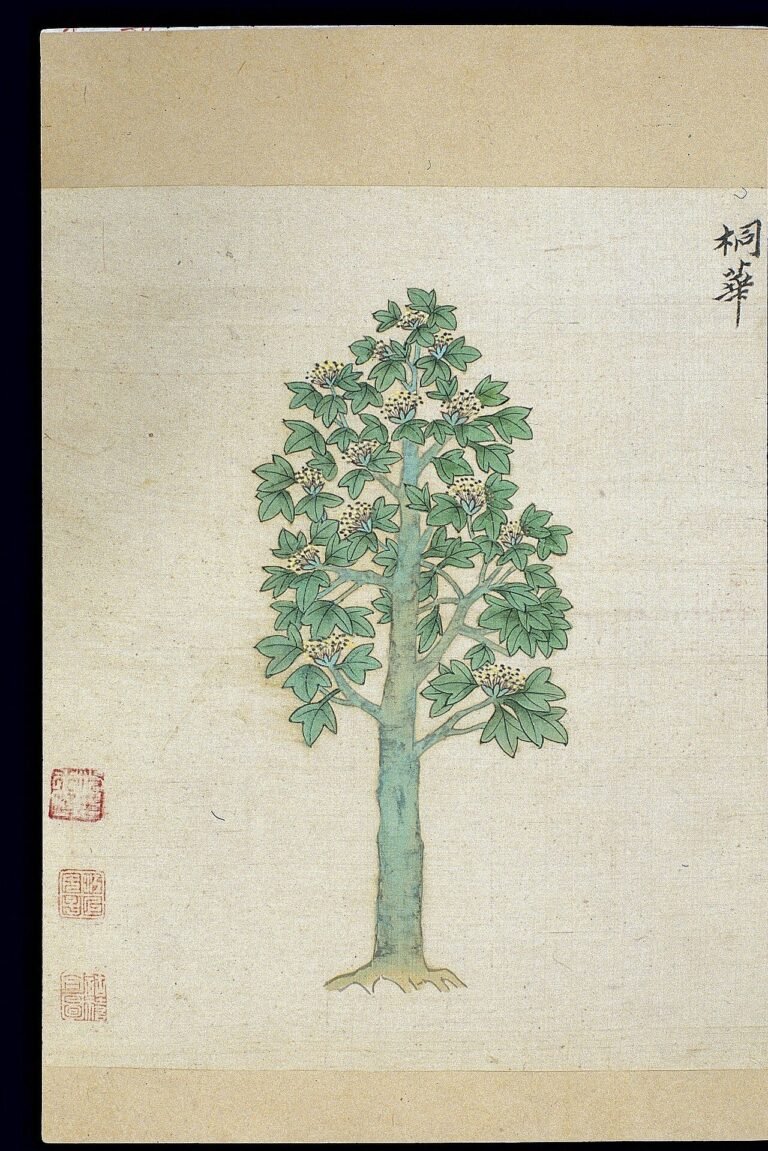
From bitter Cantonese liang cha to gentle chrysanthemum and goji cups, a field guide to China’s medicinal herbal drinks and where to find them. across the south

Lychee, longan, dragon fruit, Xinjiang grapes, Hami melon, persimmon, and yangmei: what they taste like, when they peak, and exactly where to find them.
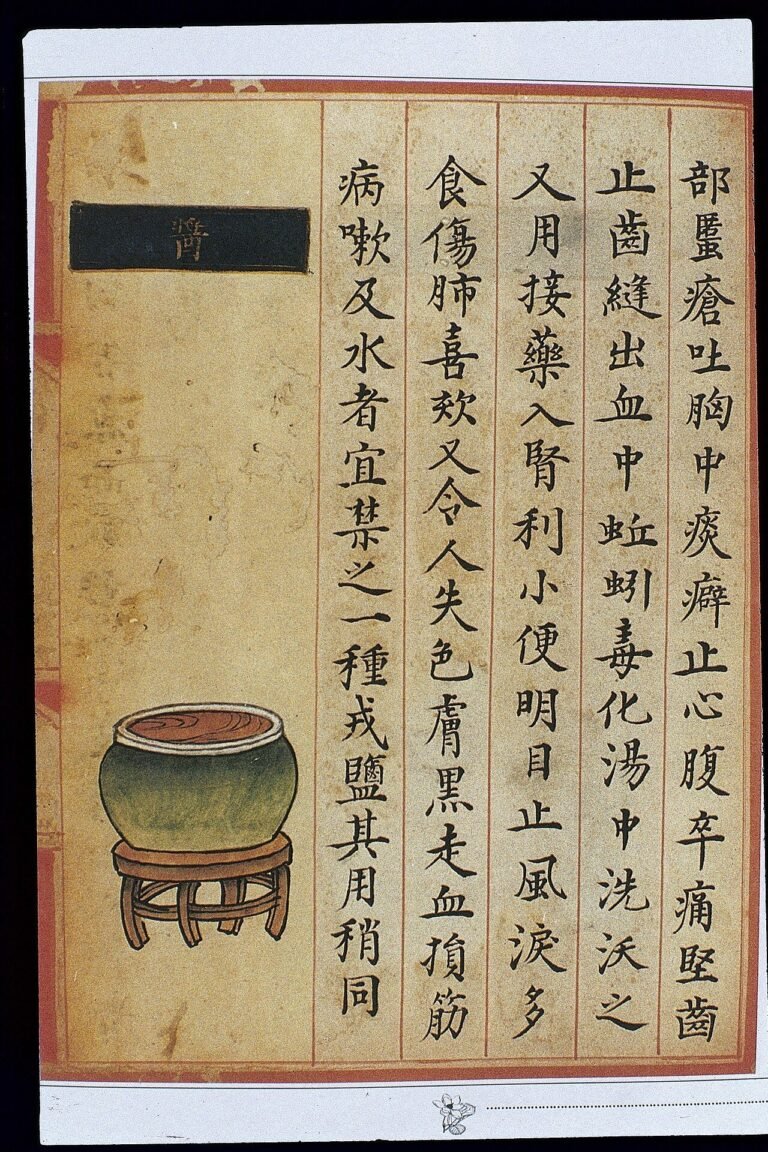
Chinese fermentation runs the pantry: soy sauce, grain vinegar, doubanjiang, and fermented tofu. Here is what each is and how it flavors your food at home.

From the sour plum cooler of a Beijing summer to baijiu banquets in the north, here is what visitors drink in China and the true cost of each cup. for visitors.

Real Chinese desserts are warm soups, rice balls, and floral jellies, not fortune cookies. A guide to tangyuan, douhua, mooncakes, and bubble tea across China.

A practical guide to Chinese condiments: soy sauces, doubanjiang, fermented beans, vinegars, and chili oil, what each does, and what to buy first.