Fermentation is the base of Chinese cooking, not a corner of it
Ask someone to name the defining Chinese ingredients and you get soy sauce, vinegar, cooking wine, chili bean paste and maybe black beans. Every one of those is a ferment. Chinese cooking is built on a shelf of preserved, microbially transformed things in a way that European cooking is not, and the reason is straightforward: before refrigeration, this was how protein and flavour were stored through the year, and the technique became the flavour.
The scale is easy to underestimate. A Cantonese kitchen might hold light soy, dark soy, oyster sauce, hoisin, ground bean sauce, fermented black beans, red bean curd, rice wine, Chinkiang vinegar and a jar of chili paste, and a cook will use six of those in a single dinner. If you want to understand why Chinese food tastes the way it does, this shelf is the answer, and it rewards a morning in a proper market far more than another restaurant meal.
This guide walks through the main families, what actually distinguishes them, what they cost, and how to buy them without ending up with ten bottles you never use. Prices are what I paid in 2024. Confirm before you go.
Soy sauce: one name, several different products
Real brewed soy sauce is made from soybeans, wheat, salt and water, inoculated with a mould called Aspergillus oryzae grown on the cooked grain. That stage, the koji, produces the enzymes that break protein into amino acids, which is where the savoury depth comes from. The mash then goes into brine and ferments for months, traditionally outdoors in lidded earthenware jars under the sun, and the liquid is pressed out and pasteurised. Anything described as hydrolysed vegetable protein, and most of the cheapest supermarket bottles in the world are, is a chemical shortcut made in days.
The practical distinction for a cook is between light and dark. Light soy, sheng chou, is the salty one you season with. Dark soy, lao chou, is thicker, darker, less salty and slightly sweet, and it exists for colour, used by the spoonful in red-braised dishes to give them their mahogany sheen. Mushroom dark soy, flavoured with dried mushrooms, is the version to buy if you only buy one. Our guide to soy sauce types goes through the grades and the labels in more detail, including what the amino acid nitrogen figure on the back of the bottle actually means.
Vinegar, and the two that matter
Chinese vinegars are grain vinegars, made from sorghum, rice, wheat bran or millet rather than from fruit, and the two that a visitor will meet everywhere are Zhenjiang and Shanxi.
Zhenjiang vinegar, from the city of Zhenjiang in Jiangsu, is made from rice, dark, malty, slightly sweet, with a rounded smell that people describe as smoky. It is the vinegar of the Yangtze delta, the one that goes with crab and with dumplings, and it is what a Chinese recipe means when it says black vinegar. Aged versions sold as 陈醋 are better and worth the small premium.
Shanxi mature vinegar, from the loess plateau in the north, is made largely from sorghum, and it is sharper, more acidic and more assertive, with a smell that is close to a smoky whisky. Northerners use it on noodles and dumplings by the spoonful. Put the two side by side and the regional divide is obvious: one is a seasoning, the other is a condiment you might drink a thimble of at the end of a bowl of noodles.
There is a third family worth knowing, the clear rice vinegars of the south, which are mild and used where you want acidity without colour, and a fourth, the sweet vinegars used in cantonese pig’s trotter dishes. Our vinegar guide covers the full set with the Chinese labels to look for.
Bean ferments: the paste cupboard
| Product | Made from | Taste and texture | Used for | 2024 price |
|---|---|---|---|---|
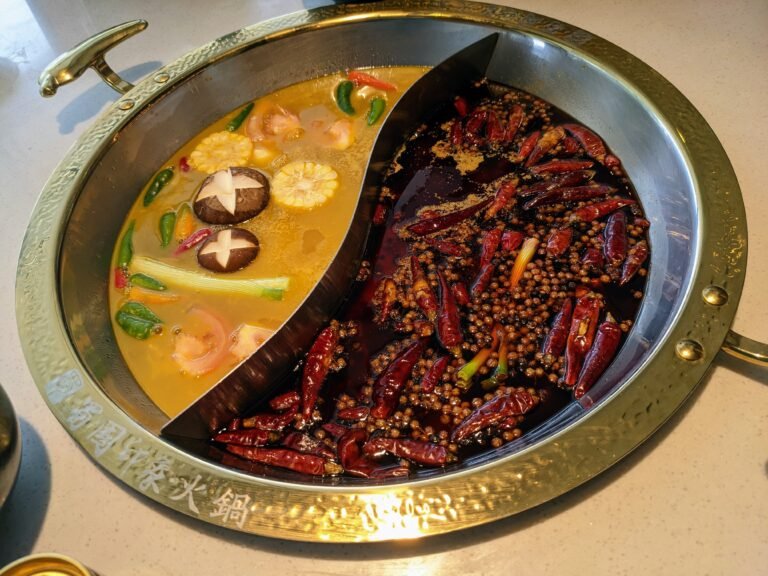
| Doubanjiang | Broad beans, chili, salt, wheat flour | Deep, salty, hot, grainy | Sichuan braises, mapo tofu, hot pot base | 15 to 40 yuan a tub |
| Douchi, fermented black beans | Whole black soybeans, salt, ginger | Salty, pungent, slightly bitter | Black bean sauce with pork or fish, steamed ribs | 5 to 15 yuan a packet |
| Furu, fermented bean curd | Tofu cubes in brine, rice wine, chili or red yeast | Creamy, salty, faintly cheesy | Congee, steamed buns, braised greens | 8 to 25 yuan a jar |
| Mianchi or sweet flour paste | Wheat flour, salt, koji | Sweet, thick, dark | Peking duck pancakes, stir-fried pork | 6 to 15 yuan |
| Shrimp paste | Small shrimp, salt | Very salty, funky, pink or grey | Vegetable stir-fries in the south, Xiamen noodles | 10 to 25 yuan |
| Yu lu, fish sauce | Small fish, salt | Clear, salty, savoury | Chaoshan and Fujian cooking | 15 to 30 yuan |
Doubanjiang from Pixian in Sichuan is the one to be picky about. Real Pixian douban is fermented for a year or more in open jars, turned daily, and it is dark red-brown rather than bright, with a smell that is fruity rather than raw. The cheap stuff is chilli paste with a little bean in it and it cooks differently. If you are making anything from the Sichuan repertoire, this is the single ingredient where spending more changes the dish.
Furu deserves more attention than it gets. It is tofu fermented with mould and then aged in a brine of rice wine and salt, sometimes with chilli or red yeast rice, and the result is soft, salty and not unlike a strong blue cheese in texture. It is what a bowl of plain congee is missing, and a small cube with breakfast rice is a normal way to start the day in much of southern China. It is also the closest thing on a Chinese table to the fermented dairy that the cuisine otherwise does without.
Grain ferments: wine, and the boundary with spirits
Huangjiu, literally yellow wine, is a fermented rice wine of around fifteen percent alcohol, amber, slightly sweet and often warmed before drinking. Shaoxing is the famous one and it is also a cooking ingredient, poured into braises and marinades where it does the job that wine does in a French kitchen. It is not the same as the cheap “cooking wine” sold in supermarkets abroad, which is usually salted and undrinkable. Our cooking wine guide explains what to buy and what to avoid.
Baijiu sits on the other side of a line. It is a distilled spirit, typically over forty percent, made from sorghum and a solid-state ferment using a starter culture called jiuqu, and while fermentation is involved, the process and the product belong to a different category. The main aroma types are worth learning before anyone hands you a glass at a banquet, because the manners around drinking it are specific and a refusal needs to be handled politely.
Smelly things, and why they are worth trying
The most famous Chinese ferment among visitors is probably stinky tofu, which is tofu soaked in a brine that may contain fermented milk, vegetables, shrimp and meat, aged for weeks or months, and then deep fried until the outside shatters and the inside stays custardy. The smell is real and it does follow you. The taste is much milder than the smell suggests, and the texture is the reason people go back. Our stinky tofu page covers the main regional styles and the differences between them.
The other one to know is century egg, which is not a ferment in the same sense but gets filed with them. A duck egg is cured in an alkaline mixture of lime, ash, salt and tea until the white sets into a translucent dark jelly and the yolk turns grey-green and creamy. It is served cold with a little vinegar and ginger, generally at breakfast or as a starter, and the flavour is mineral and mild rather than the challenge people expect. Our century egg page goes through how it is made.
Seeing it made
A few places let you stand in front of the process rather than reading about it. Vinegar workshops in Zhenjiang and in Qingxu county in Shanxi keep rows of fermentation jars and will show you the turning. Soy sauce breweries in the south, some of them open to visitors, have yards of lidded earthenware jars under the sun that look like an installation artwork. Furu and bean paste makers operate on a smaller scale and are harder to visit without an introduction, but a good wet market will have a stall selling from open tubs where you can ask what is what.
The market stall is the better bet for most travellers, and it is free. Go early, bring an appetite for smells, and buy small quantities of anything unfamiliar. The vegetable end of that same shelf is covered in our pickles guide, which overlaps heavily with everything above.
Quick facts
- Real brewed soy sauce uses soybeans, wheat, salt and water with a koji mould. Anything labelled hydrolysed vegetable protein is not brewed.
- Light soy seasons, dark soy colours. They are not interchangeable.
- Zhenjiang vinegar is dark and malty; Shanxi vinegar is sharp and sorghum-based.
- Pixian doubanjiang should be aged a year or more, dark red-brown, fruity rather than raw.
- Furu is a genuinely useful breakfast condiment, and a jar in the fridge lasts months.
- Shaoxing huangjiu is drinkable. Salted “cooking wine” sold abroad is a different, worse product.
- Unopened soy sauce and vinegar keep for years in a cupboard. Once opened, pastes do better in the fridge.
- Prices above were paid in 2024 in Chinese supermarkets and markets. Confirm before you shop.
FAQ
Is soy sauce from China different from Japanese soy sauce?
Yes. Japanese shoyu generally uses a higher proportion of wheat and a shorter, more controlled fermentation, giving a lighter, cleaner, less salty product. Chinese soy sauce tends to be saltier and more robust, and it is split into light and dark types in a way Japanese sauce is not. Neither is better; they are built for different cooking.
What should I buy first if I am starting a Chinese pantry?
Four things: a good light soy sauce, a bottle of dark soy, a bottle of Zhenjiang or Shanxi vinegar depending on whether you cook southern or northern food, and a tub of doubanjiang if you cook Sichuan at all. That covers most recipes you will meet. Add douchi and furu once you know you like them.
How do I tell quality soy sauce in a shop?
Turn the bottle around and look for the amino acid nitrogen figure. Higher means more protein was broken down, which means a longer ferment and a deeper flavour. Avoid hydrolysed vegetable protein and caramel colour high in the ingredient list. Price correlates, but only up to a point, and a mid-range bottle from a big Chinese maker is often excellent.
Are these products vegetarian or vegan?
Some. Soy sauce and vinegars generally are, though a few brands add dried seafood extracts. Oyster sauce obviously is not, and shrimp paste and fish sauce are not. Some furu and chili pastes include pork fat. If it matters, read the label or ask, and do not assume that a “vegetarian” dish in a restaurant was cooked without a spoon of lard.
Why does my doubanjiang taste different from what I had in Chengdu?
Either you bought a young, bright chilli paste rather than aged Pixian douban, or you did not fry it properly. Doubanjiang needs to go into hot oil and cook for a minute or two before anything else is added, which is what develops the aroma. Straight from the jar into a simmering pot, it tastes raw and thin.
Is stinky tofu safe to eat?
Yes, at any stall with decent turnover. The brine is a controlled ferment and the tofu is deep fried at a temperature that kills anything worrying. The practical test is the same as for any street food: is it busy, is the oil clean, and does the vendor look like they are selling through stock.
Can I bring these things home?
Vinegars, soy sauces and dry pastes in sealed retail packaging travel fine in checked luggage. Open jars from a market stall, and anything liquid bought loose, are a different matter, since customs officers dislike unidentified liquids. Buy sealed, keep the labels, and declare anything you are unsure about.
How long do opened condiments last?
Soy sauce and vinegar for a year or more in the cupboard, though the aroma fades. Fermented bean pastes keep for months in the fridge, and a layer of oil on top helps. Furu in brine keeps for months once opened as long as you use a clean spoon. Throw out anything that grows mould on the surface, which almost always means a wet or dirty utensil went in.
Building a ferment-focused trip
This is one of the more rewarding themes to travel on, because the factories and workshops are spread across the country and each one is attached to a regional cuisine you can taste the same day. Zhenjiang for vinegar sits between Nanjing and Suzhou. Pixian is a district of Chengdu. Shaoxing is an hour from Hangzhou. A route that connects them turns into a tour of Chinese regional cooking with a single thread running through it.
If you want that route built around which workshops receive visitors, which markets are worth the early start, and which restaurants cook with the good stuff, get in touch through our contact page and tell us what you like eating. We plan these trips around production seasons and market mornings, not just the standard sightseeing list.
Written by the ChinaTravelFood editorial team.