Chinese Soups: Clear, Thick and Everything Between
A plain guide to Chinese soups for visitors: clear broths, thick geng, and Cantonese double-boiled dun tang, with the dish names and prices you can order.


A plain guide to Chinese soups for visitors: clear broths, thick geng, and Cantonese double-boiled dun tang, with the dish names and prices you can order.
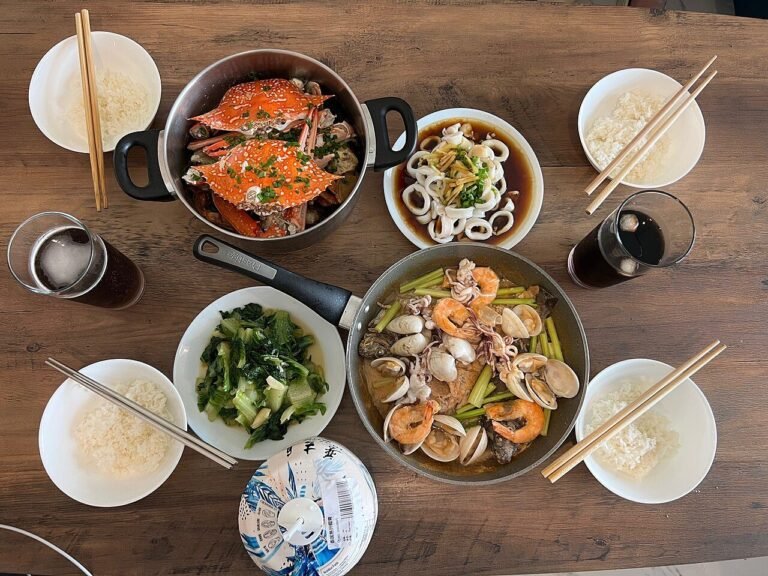
From Qingdao crab to Shanghai hairy crab and Hainan garoupa, here’s what’s in season across China’s coasts, how it’s cooked, and how to order without overpaying.
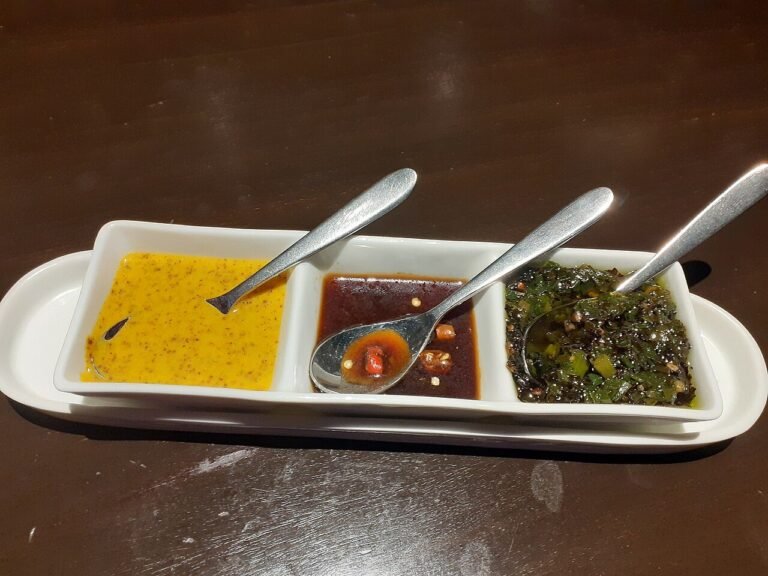
The Chinese sauce shelf explained: light and dark soy, oyster sauce, doubanjiang, XO and shacha, and how each sauce enters a wok or a braise.
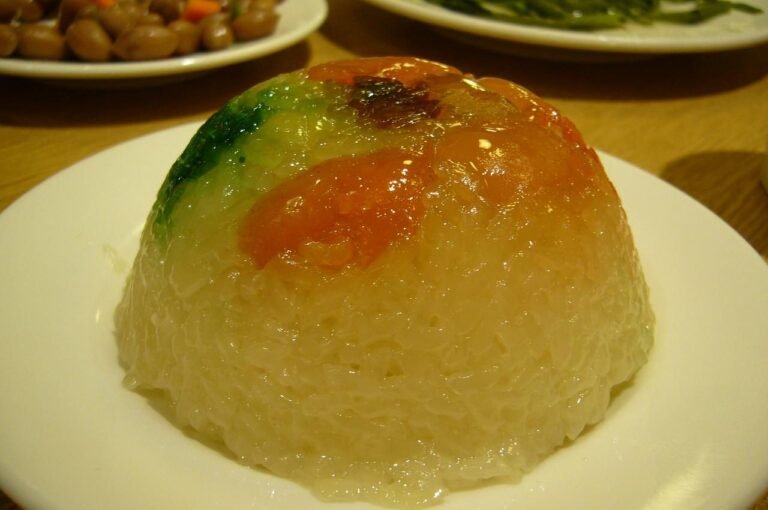
Fried rice, congee, claypot rice, rice noodles, sticky parcels, and Hainan chicken rice: how China turns the humble grain into the main event of the meal.
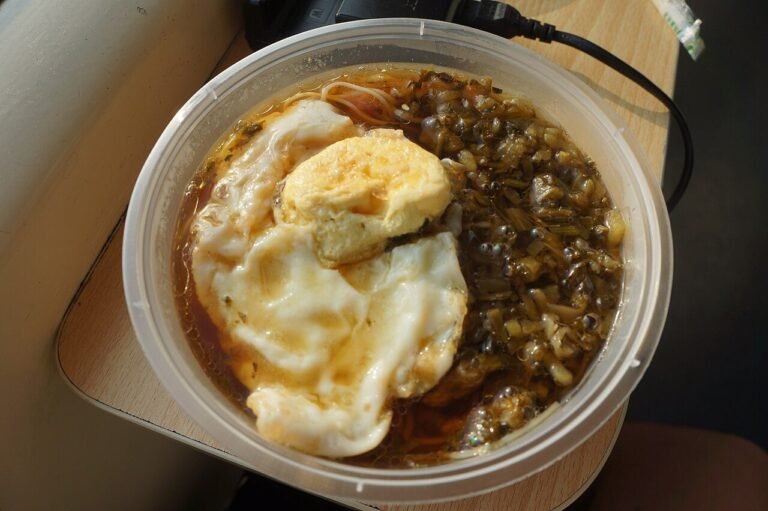
Chinese pickles like suan cai and pao cai are a structural ingredient, not just a relish. Here are the families, their uses, and how to bring them home.
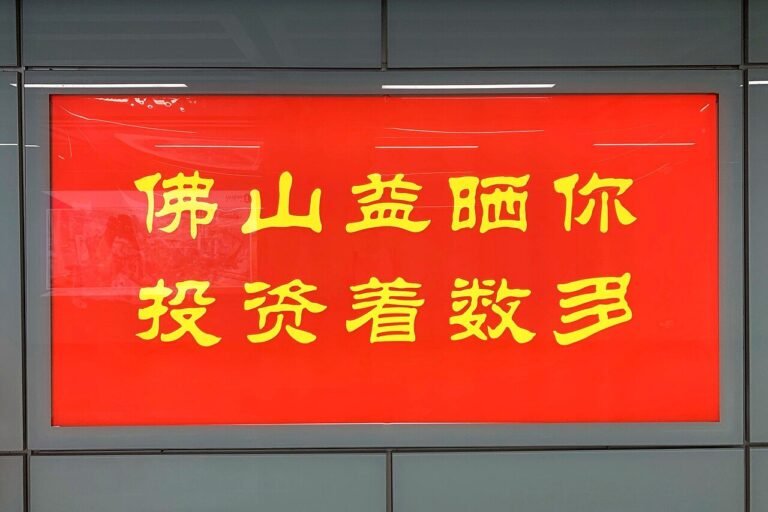
Mandarin for trains, metro, taxis and buses in China: buying tickets, finding the right platform, telling a driver where to stop, and fixing things gone wrong.

The Mandarin you need for restaurants and stalls: how to order, ask for no chilli, handle dietary needs, name cooking methods, and get the bill without waiting.
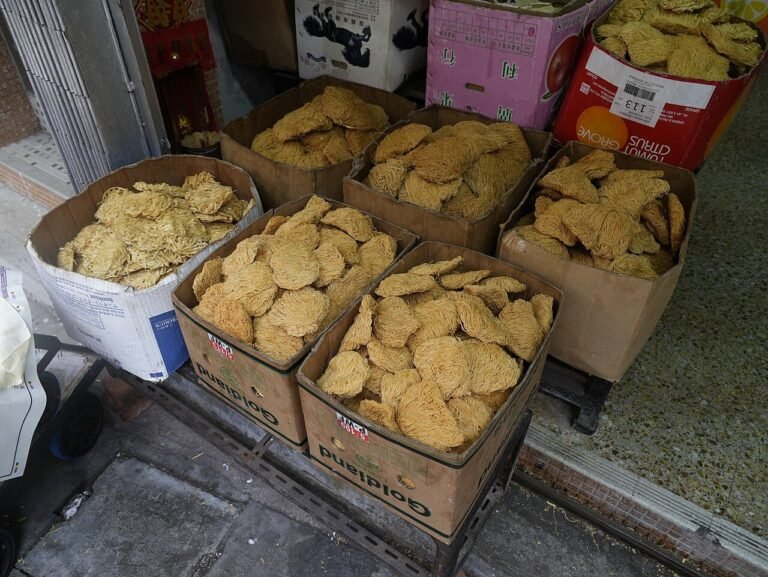
A field guide to Chinese noodles: hand-pulled wheat, knife-cut, rice noodles from Yunnan and Guangdong, starch noodles, and the six bowls that cover the map.
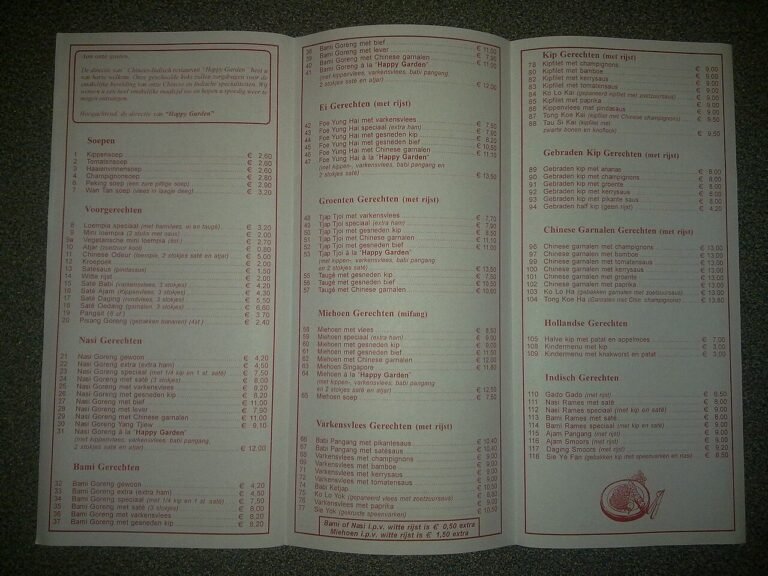
How Chinese menus are built: the sections, fifteen characters worth learning, how dish names are formed, the dishes whose names mislead, and QR ordering.

How yao shan works: Cantonese slow soups, herbal teas, and Yunnan mushroom broths, with what the herbs are, what they cost, and a clear note on limits.