Why pay someone to take you to lunch
The first food tour I joined in China, I resented. I could read a menu, I thought, and a guide felt like a crutch for people afraid of streets. Then the guide walked me past nine stalls I would have walked past, ordered things with names I could not pronounce, and explained why the tenth stall’s chili oil was better than the ninth’s. In twenty minutes I learned more about a neighborhood than I had in three days of wandering. A good food tour is not a crutch; it is a shortcut past the hundred small decisions that otherwise eat your trip.
This guide is about how to pick one. China’s food-tour market ranges from a local university student charging 200 RMB to show you her night market to multinational operators running multi-day regional trails for thousands. The right one depends on your budget, your appetite, and how much hand-holding you want. Our China food tours overview lists types; here is how to choose.
The main formats
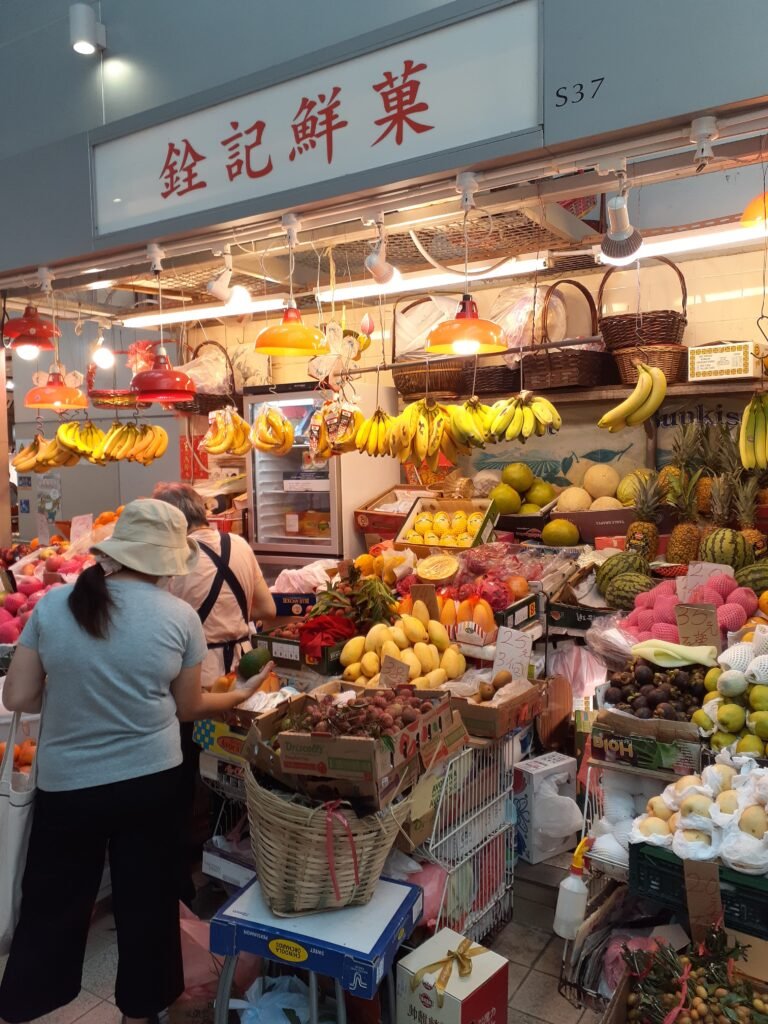
Market tours are the most common and the best value. A guide meets you at a wet market, walks the stalls, explains the produce, and ends at a cooking spot or a lunch of what you bought. These run two to three hours and cost 200 to 500 RMB per person. Night-market crawls are the social version: a group of six to twelve eating their way through a district, with the guide handling orders and the bill. Expect 300 to 600 RMB.
Cooking-class combos add a hands-on hour, usually dumplings or a regional dish, and they cost 400 to 800 RMB. Regional trails are the serious product: three to seven days moving through, say, Sichuan or the Cantonese coast, with hotels and most meals included. These run 3,000 to 9,000 RMB plus the flights between cities. Our cooking classes guide covers the standalone version if you only want the hands-on part.
What a good tour includes
Read the listing for these specifics. A real tour names the neighborhoods and the dishes, not just “authentic local food.” It states group size; under ten is ideal, under six is better. It says whether drinks are included, because in China a tour that skips the beer and the tea leaves you paying anyway. It mentions English level; “basic” means you will point a lot. And it lists what is not included, usually transport to the meeting point and any alcohol beyond a token beer.
The guides who are worth it are usually locals who grew up eating the food, not career tour leaders reading a script. Ask, when booking, how long the guide has worked the route. A year or more means they have opinions, and opinions are what you are buying.
Red flags to avoid
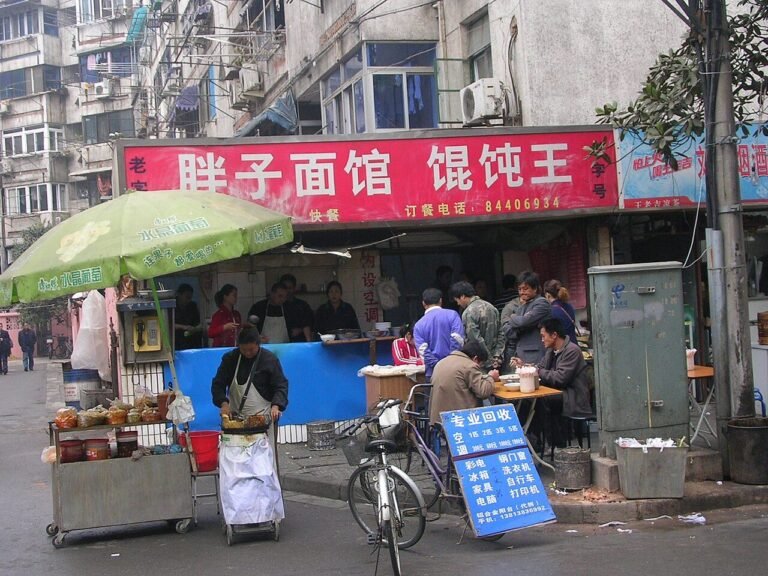
The biggest red flag is a tour that stops at a “tea ceremony” or a “jade shop” you did not sign up for. Some budget operators in Chengdu and Xi’an pad the route with commission stops, and the food becomes an afterthought. If the itinerary is vague about food and specific about “cultural experiences,” be suspicious.
Another is a price that looks too low. A 50 RMB “food tour” is a group photo and a single dumpling. Real food costs money, and a guide’s time costs money. Also avoid any operator that will not tell you the group size or the meeting point until the last minute; that usually means they are pooling strangers into a bus.
Timing and the small print
Timing matters more than most visitors expect. The best tours run in the morning, when markets are full and the stalls are cooking fresh, and they end before the lunch rush. An afternoon tour of the same market is a thinner experience, because half the produce is sold and the energy is gone. Ask the operator what time the tour starts; if it is past 10 a.m., push for earlier or pick a different one. Cancellation terms are another tell: a serious operator offers a clear refund or reschedule if your flight collapses, while a fly-by-night one takes your money and goes quiet. In China, where communication can be slow across apps that block Western services, a written confirmation in the booking app is worth more than a friendly voice message. Read it before you pay, and screenshot it, because you may need it later. A good operator will also name the exact meet point and the backup plan if rain cancels the market, and that detail is worth more than a low headline price.
Regional picks
Sichuan, centered on Chengdu and Chongqing, is the deepest food-tour scene, with mapo tofu, hot pot, and street skewers all in one city. Our Sichuan coverage and the plan a food trip guide walk through building a route there. Cantonese Guangdong is best for dim sum and herbal soup tours, and our best food cities ranking puts it high for variety. Yunnan suits mushroom and minority-table tours, covered in the Yunnan cuisine guide. Pick the region by what you already like to eat, because a tour multiplies a cuisine, it does not convert you.
Self-guided versus guided
You can absolutely do this yourself. Our street food map and city food guides give you the stalls; translation apps handle the ordering; and walking a night market alone is a fine evening. The trade is time and confidence. A guide saves you the wrong orders, the closed stalls, and the “is this safe to eat” anxiety. For a first China trip, I lean guided for at least one city, then go solo once you have the rhythm.
What you should expect to pay
| Tour type | Duration | Typical price per person | Best for |
|---|---|---|---|
| Market tour | 2 to 3 hours | 200 to 500 RMB | Curious eaters, market lovers |
| Night-market crawl | 3 to 4 hours | 300 to 600 RMB | Social travelers, groups |
| Cooking-class combo | 3 to 5 hours | 400 to 800 RMB | Hands-on learners |
| Regional trail (multi-day) | 3 to 7 days | 3,000 to 9,000 RMB | Serious food travelers |
| University-student local walk | 2 to 3 hours | 150 to 300 RMB | Budget, off-script |
Quick facts
- Food tours in China range from 150 RMB student walks to 9,000 RMB regional trails
- Market tours and night crawls are the most common short formats
- Group sizes under ten are best; ask before you book
- Watch for commission stops like tea or jade shops disguised as culture
- Sichuan, Guangdong, and Yunnan have the deepest tour scenes
- Most listings include food but not alcohol or transport to the meet point
- A guide’s local opinion is the real product, not just the meal
Frequently asked questions
Are food tours in China safe to eat on?
Generally yes; guides pick stalls with high turnover and known hygiene, which is safer than random street choice. Still follow the basic food-safety rules, and if you have a sensitive stomach, tell the guide so they skip the riskiest items. The guide’s job includes keeping you upright.
How do I find a reputable guide?
Start with platforms that show verified reviews and real itineraries, and cross-check the guide on travel forums. Ask specifically about group size, included dishes, and language. Use the booking and review tools that work in China, since Google and some Western apps are blocked.
Should I tip the guide?
Tipping is not Chinese custom, and that is the local norm. A food tour guide, especially a freelance local, will not expect it, but a small tip for excellent service is appreciated and not refused. Do not feel obliged; a good review matters more to them.
Can tours handle dietary needs?
Sometimes. Vegetarians and halal eaters should state needs clearly and confirm before paying, because many tours are built around meat. Vegetarian and halal travelers should state needs clearly, as the harder cases need advance planning. Allergy travelers should be cautious; communication is harder in a busy market.
Is a multi-day trail worth the money?
If food is the point of your trip, yes. The trails handle logistics across cities, which in China means trains, permits, and language, and they open kitchens a solo traveler cannot. If food is one part of a broader trip, a few city tours are better value. Seasonal food festivals can replace a trail; check what is on during your dates.
What if I do not speak Chinese?
Most paid tours include an English-speaking guide; the budget student walks may not, so confirm. Translation apps cover solo eating, but on a tour the guide does the talking. Pick the tour by language level if that is your constraint.
Can I combine a tour with a cooking class?
That is exactly the combo format, and it is popular in Chengdu, Xi’an, and Yangshuo. You eat in the morning and cook in the afternoon, which is a full, satisfying day. Our cooking classes guide has the standalone options if you want to book the class separately.
If you want a food tour matched to your region and budget, we can help choose and sequence one through the contact page. The right tour does not just feed you; it teaches you the logic of a cuisine so the rest of your trip tastes better.
Written by the ChinaTravelFood editorial team.