Why Chaozhou deserves a place on your Guangdong food map
I almost skipped Chaozhou (潮州). On my first trip through Guangdong I flew into Guangzhou, ate my way through dim sum, then pushed on to Hong Kong. It took a friend from Shantou to drag me east, and the two-hour high-speed train from Guangzhou South to Chaoshan station changed how I think about southern Chinese cooking. Chaozhou and neighbouring Shantou form the heart of Teochew (Chiuchow) food, a tradition that rarely gets the international attention Cantonese food gets, even though the two share a border and an obsession with ingredients.
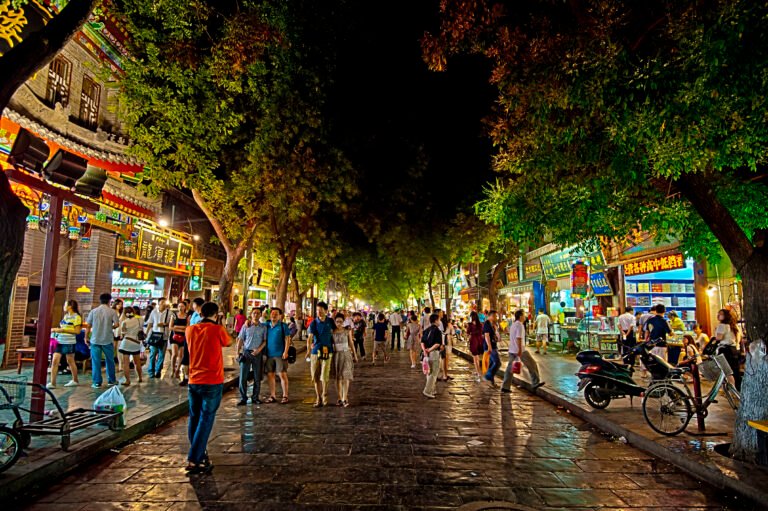
What makes Chaozhou food distinct is restraint. Where Sichuan numbs and Hunan scorches, Teochew cooks let a single oyster, a spoonful of fermented beans, or one slice of braised goose carry the plate. The diaspora carried it to Singapore, Bangkok, and Penang, so you may already know it as Teochew porridge or Chaozhou fish ball. Eating it in the old city, with the Han River running past and the morning markets already shouting, is a different thing entirely.
The dishes you should actually order
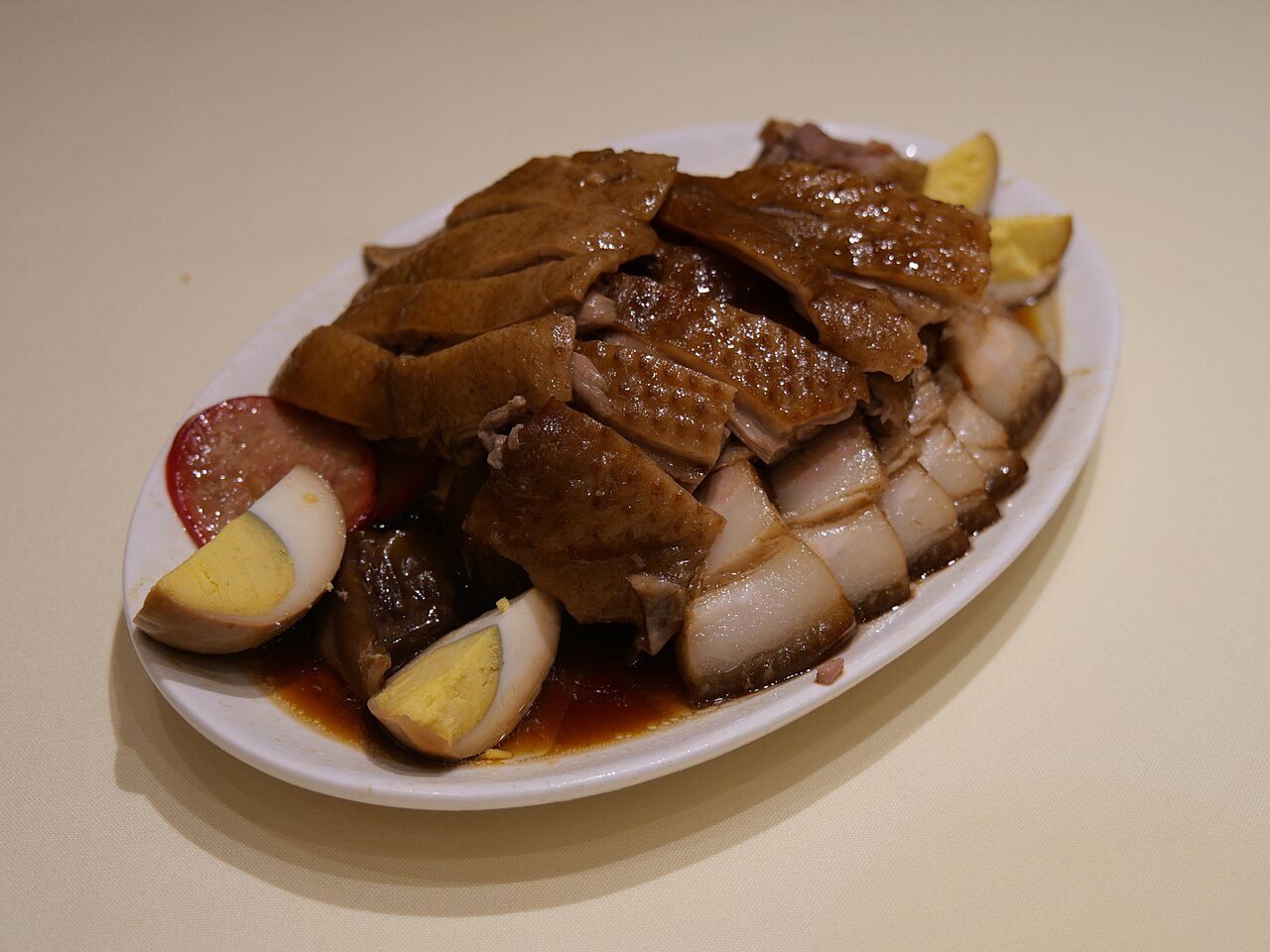
Start with the braised goose. Chaozhou braised goose (卤鹅, lu e) is not the crisp roast goose of Hong Kong. It is a dark soy-and-spice braise, the meat falling at the seam, served at room temperature with a ladle of reduced brine and a side of mashed garlic in vinegar. A quarter goose at an old-town shop runs 60 to 90 yuan. The web and the head are prized, so do not be surprised if the premium parts are priced separately on the board.
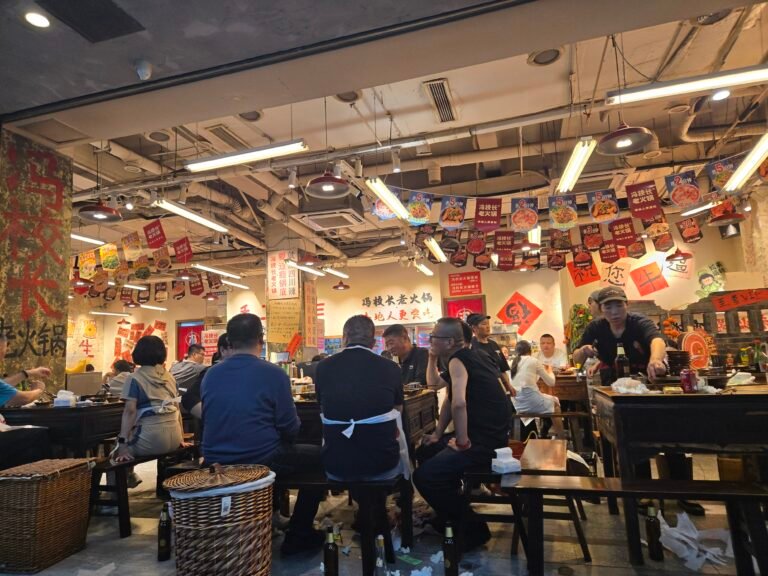
Then there is beef hot pot, which in Chaozhou is closer to a religion than a meal. Unlike the chili-oil Sichuan version, the broth is plain beef bone, sometimes with a few goji berries and a slice of radish, and the whole skill lives in the slicing. The beef is cut to order, often from a named muscle, and cooked for maybe eight seconds in a strainer you hold yourself. The moment it clicked for me was watching a cutter work a tenderloin into translucent ribbons in under a minute. Expect 120 to 200 yuan per person at a busy place on Taiping Road.
Oyster omelette (蚝烙, hao lao) is the street classic: oysters, egg, sweet potato starch, and pork lard fried on a flat top until the edge goes lacy, served with a fish sauce dip. Order it at a stall, not a restaurant. The restaurant version is tidier and worse.
Then the porridge. Teochew mue is a loose rice porridge served with a dozen small cold dishes, salted fish, preserved radish, braised peanuts, salted duck egg, fried fish. It is breakfast, it is late-night food, and it is the clearest expression of the Teochew pantry. A bowl with three or four sides costs 15 to 30 yuan.
A morning at the market
The best meal I had in Chaozhou was from a plastic stool outside a market stall at 7 a.m. The setup was simple: a pot of pork-bone congee, a basket of rice noodle rolls cut to order, and a tray of cold appetizers you pointed at by the piece. The woman running it had been there since five, and half the queue were regulars who greeted her by name. This is the Chaozhou breakfast no restaurant captures: fast, cheap, and built from the same fermented and braised elements that turn up on the dinner table, just in smaller doses.
What struck me walking that market was how much of the selling is about preservation. Jars of fermented soybeans, strings of dried fish, pyramids of salted plums, crocks of shrimp paste. The Teochew pantry is a survival pantry that turned into a cuisine. Even the fresh things get a cure or a salt treatment before they are eaten, because the old food logic assumed you might not eat it today. That conservatism is exactly why the flavors run so deep.
| Dish | What it is | Where to eat it | Typical cost |
|---|---|---|---|
| Braised goose (卤鹅) | Dark soy-and-spice braise, served cool with garlic vinegar | Old-town shop, sliced to order by weight | 60 to 90 yuan per quarter |
| Beef hot pot | Plain bone broth, beef sliced to order, eight-second cooking | Taiping Road and the side streets, evening | 120 to 200 yuan per person |
| Oyster omelette (蚝烙) | Oysters, egg, sweet potato starch, lard, fried crisp | Street stall, afternoon and evening | 20 to 40 yuan |
| Teochew porridge (糜) | Loose rice porridge with a dozen small salted sides | Market stalls, breakfast and late night | 15 to 30 yuan |
| Fish ball and fish noodle soup | Hand-beaten fish paste, springy, in a clear broth | Small shops all over the old city | 15 to 30 yuan |
| Rice noodle rolls (肠粉) | Steamed sheets cut to order, soy and a fried garlic oil | Breakfast stalls | 8 to 15 yuan |
How Chaozhou food differs from Cantonese food
Both prize freshness, and both come from Guangdong, so the difference is easy to miss. Chaozhou leans harder on braising, curing, and fermented condiments. The broths are clearer, lard is more present, and the seasoning often lands slightly saltier and more pungent than a Cantonese kitchen would allow. Dim sum here is ordered at a counter rather than pushed around on carts, and the repertoire is smaller and plainer.
The other difference is the seafood. Chaozhou cooks a lot of small, cheap, very fresh fish and shellfish simply, sometimes raw-ish in a quick marinade, where Cantonese cooking would steam it. If you like Cantonese food, you will like this. It is not a substitute and not a rival; it is a neighbouring tradition with different reflexes. The Cantonese cuisine guide is the useful comparison read, and the Guangzhou dim sum trail shows what the other branch does at its best.
Quick facts
- Chaozhou is two hours by high-speed rail from Guangzhou South; the station is Chaoshan, between Chaozhou and Shantou.
- Braised goose is served at room temperature, not hot, and that is correct.
- Beef hot pot here means a plain bone broth and eight-second slices, not chili oil.
- Gongfu tea is served before and after meals in tiny cups, and refusing it is ruder than drinking it.
- Two days covers the old city, a teahouse, the market, and a hot pot dinner.
- Prices are roughly half what you would pay in Hong Kong for comparable cooking.
The tea, which is not optional
Chaozhou is one of the homes of gongfu tea, and the ritual shows up everywhere: outside shops, at the back of restaurants, in the middle of a meal. Three tiny cups, a small clay pot, water boiled hard, and a pouring technique that looks like sleight of hand. The local leaf is a roasted oolong from the Phoenix Mountains, often called Phoenix Dan Cong, and the good stuff is intensely floral and not cheap.
The etiquette is easier than it looks. When someone pours for you, tap two fingers on the table as a thank you. Drink the cup in two or three sips rather than nursing it. Do not pour for yourself while the pot is in someone else’s hands. If you want the background, Chinese tea types explains where Dan Cong sits in the wider picture, and the tea ceremony guide covers the steps if you want to do it properly at home.
One honest note: strong Dan Cong on an empty stomach will make you light-headed. Eat something first, or ask for a lighter roast.
Fitting the hot pot into a wider Chinese picture
Teochew beef hot pot is one end of the hot pot spectrum and Sichuan is the other. In Chaozhou, the broth does almost nothing and the ingredient does everything; in Chongqing, the broth does the work and whatever you drop in comes out tasting of chili and peppercorn. Neither is better, and knowing which one you are in the mood for saves a disappointing dinner.
The slicing is worth understanding, because the menu is organized by cut in a way that no English translation captures. There is a tenderloin that cooks in seconds, a fattier brisket that wants longer, and a cut from the neck that is prized for its crunch. If you cannot read the board, point at what the next table ordered and watch what they do with it. Our hot pot styles guide lays out the regional versions side by side, and the ordering in a Chinese restaurant guide covers the few phrases that get you through a menu like this one.
A two-day plan that works
Day one: arrive mid-morning, drop the bag in the old city, and walk the lanes off Taiping Road. Late lunch of braised goose and rice noodle rolls. Afternoon at a teahouse. Evening beef hot pot, and then a walk along the Han River and the old city wall.
Day two: breakfast at a market stall at 7 a.m., porridge and whatever small dishes look good. Morning at the Guangji Bridge and the temple at the back of the old town. Lunch of fish ball soup. Afternoon train to Shantou, forty minutes, for a second and bigger food scene, then back.
Three days if you want to slow down and do the Phoenix Mountain tea area, which is worth it if you care about tea at all.
Frequently asked questions
What is the difference between Chaozhou and Cantonese food?
Both prize freshness, but Chaozhou leans harder into braising, curing, and fermented side dishes. The broths are clearer, lard is more present, and dim sum here is counter-ordered rather than pushed on carts.
Do I need to speak Chinese to eat well here?
It helps, but the old city is used to visitors. Pointing at the tank or the next table’s plate works fine, and translation apps handle the menu boards. Learning “this one” and “a little” covers most situations.
When is the best time to visit Chaozhou?
Autumn and spring are mild and good for walking the old city. Summer is hot and humid; winter is cool but rarely freezing. Oyster quality dips in the hottest months, so the oyster omelette is better from October onward.
Is beef hot pot safe for someone wary of offal?
Yes. You can order only muscle cuts, tenderloin, sirloin, brisket, and skip tripe and tendon entirely. The plain broth is mild, and you build your own dipping sauce at a condiment bar.
How long should I spend in Chaozhou?
Two days covers the old city, a teahouse, the beef hot pot, and a morning market. Add a third if you want to day-trip to Shantou or the Phoenix Mountain tea area.
Can vegetarians eat in Chaozhou?
Partially. The cold appetizers include preserved vegetables and tofu, and you can build a meal from rice noodle rolls, congee, and stir-fried greens. But the broths and braises are meat-based, so flag your needs clearly when you order.
How much should I budget for food?
About 150 to 250 yuan a day covers breakfast at a stall, a goose lunch, tea, and a hot pot dinner. That is roughly half of what the same quality costs in Hong Kong, and it is the strongest argument for coming.
Is it easy to combine with other cities?
Yes. Guangzhou is two hours by high-speed rail, Xiamen is about ninety minutes, and Shantou is forty minutes. Chaozhou slots neatly into a southern coast route without backtracking.
Plan the Guangdong route
Chaozhou is the stop most Guangdong itineraries miss, and it is the one I would put back in. If you want a southern route built around braised goose, beef hot pot, and the tea that goes with them, we put together custom food-and-travel itineraries through the contact page.
Written by the ChinaTravelFood editorial team.