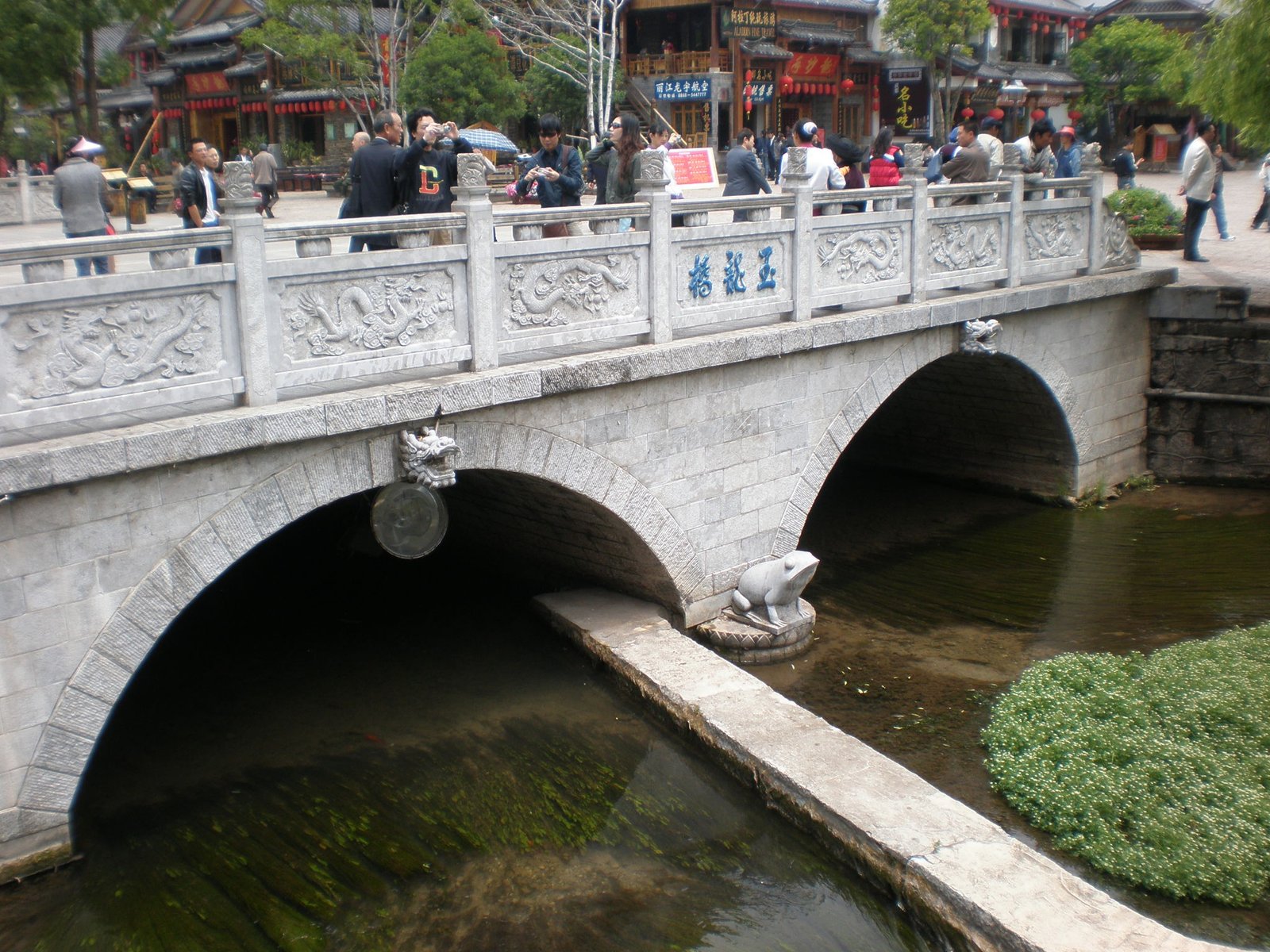
The honest version of Lijiang
Lijiang is the most visited old town in Yunnan and the one travellers argue about most. Some people arrive, walk the canals at dusk, eat well, and leave delighted. Others arrive, find a shopping street in old clothing, and leave after one night. Both are right, and which one you get depends almost entirely on where you stay and what you do with your days.
My take after several visits: the old town is genuinely beautiful in the early morning and genuinely tiresome at nine at night, and the reason to come is the country around it. Lijiang is a base, not a destination. Use it for the mountain, the gorge, the side villages and the road north, and treat the old town as the place you sleep and eat breakfast.
This guide covers how many days to give it, where to stay, what the day trips actually cost in time, and what to eat. For a closer look at the old town itself, Lijiang has the detail on the Naxi history and the layout.
How many days to give it
Three nights is the number I would book. That gives you two full days: one for Jade Dragon Snow Mountain or the Baisha and Shuhe villages, and one for a longer excursion. Add a fourth night if you want Tiger Leaping Gorge with a night inside it, or a fifth if you are running up to Shangri-La.
Two nights feels rushed and one night is a mistake, because you will spend it in the old town and form the wrong opinion of the place.
Where to stay, and why it decides your trip
The old town is noisy. There is a live music scene concentrated in a few lanes, and it runs late. If you book a guesthouse in the middle of that, you will hear bass through the floor until midnight and you will blame Lijiang.
What I do instead:
- Stay on the northern or eastern edges of Dayan old town, away from the bar streets, still five minutes from everything
- Or stay in Shuhe, the quieter sister village a few kilometres north, which has the same canal-and-courtyard feel with a fraction of the crowd
- Pick a courtyard guesthouse with a real inner garden over a modern hotel on the ring road
- Avoid anywhere described as being near the bar street if you want to sleep
Cobblestones and wheeled luggage are a bad combination. Pack soft, or accept that you will carry your bag the last few hundred metres, which most guesthouses will help with.
The old town at the right hour
Lijiang sits at about 2,400 metres and the light is good. The town was built without a wall, with water channels running down the lanes beside the streets, and the Naxi houses are timber and stone with grey tiles. It was listed by UNESCO in 1997, along with the nearby villages of Baisha and Shuhe.
Two things make it work. First, get up early: before eight the lanes belong to residents, the water is clear, and you can hear it running. Second, get out of the core: Sifang Street is the tourist square, and five minutes in any uphill direction the shops thin out and the houses turn back into houses.
The water system is the thing to understand. Channels run beside almost every lane, and historically there was a washing convention about which part of the channel was for drinking, which for vegetables and which for laundry. Look for the three-step overflow pools where they survive.
Jade Dragon Snow Mountain and the villages
Yulong Snow Mountain is the wall of white rock north of town, topping out around 5,596 metres. The standard visit is a cable car up to the glacier park at altitude, plus the Blue Moon Valley below it, where the meltwater runs an improbable turquoise through a series of pools. It is a full day once you add the queueing, and the upper cable car closes when the wind picks up, which it often does.
Altitude note: the upper station is well above 4,000 metres. Coming from 2,400 in Lijiang, that is a jump, and people who felt fine in town feel it up there. Take a jacket, walk slowly, and carry water. Some visitors bring a small oxygen canister from a pharmacy in town, which is a local habit more than a medical necessity.
The better half-day, in my view, is the villages. Baisha, about ten kilometres north, has Ming and Qing mural paintings in its small temples and a far more residential feel. Shuhe is bigger and calmer than Dayan, with good cafes and a working market. Both are cheap to reach by taxi or local bus, and both are where you see Naxi life rather than souvenir retail.
Day trips from Lijiang
| Trip | Distance and time | What it is | Worth it? |
|---|---|---|---|
| Jade Dragon Snow Mountain | About 30 km, full day | Cable car to the glacier, Blue Moon Valley pools | Yes, on a clear day |
| Baisha and Shuhe | 5 to 10 km, half day | Ming murals, quieter villages, markets | Yes, easy and cheap |
| Tiger Leaping Gorge | About 80 km, two hours each way | The classic gorge walk on the Jinsha River | Yes; better with a night there |
| Shangri-La | About 200 km, 1h20 by train | Tibetan plateau town at 3,200 m | Yes, and the train makes it easy |
| Lugu Lake | About 200 km, four to five hours by road | Highland lake and Mosuo villages | Only with two nights to spare |
| Lashi Lake | About 15 km, half day | Wetland with boat trips | Skippable unless you like birding |
The gorge is the one I would prioritise if you can only take one. Tiger Leaping Gorge sits on the road between Lijiang and Shangri-La, and doing it as a day trip means a long time in a car. Sleeping one night in the guesthouses partway up the high trail turns it into something much better, and the sunrise on the far wall is the reason.
Shangri-La is now a comfortable day trip or a very easy onward leg, because the railway opened in November 2023 and runs about an hour and twenty minutes. That changed the arithmetic on this whole region: what used to be a slog is now a morning.
Lugu Lake is the furthest and the most rewarding if you like long drives and quiet. The road is slow, and one night there is not enough to justify it. Two nights minimum.
What to eat
Naxi cooking is mild, savoury, pork-based and underexposed compared with Sichuan or Yunnan’s better-known minority food. The things to look for:
- Lajigu, cured pork rib hot pot, the signature Lijiang dish and excellent on a cold evening
- Naxi baba, a flatbread cooked on a griddle, savoury with scallion or sweet with sugar and rose
- Chickpea jelly, served cold with a vinegary chilli dressing, the best hot-weather snack in town
- Rice sausage, a local specialty of rice and blood stuffed into casing and fried
- Yak and butter tea, more Tibetan than Naxi, common on menus because of the altitude trade
- Wild mushrooms in season, roughly June to September
Prices in the old town core carry a tourist markup that gets lighter the further you walk from Sifang Street. Two lanes off the main drag, a bowl of noodles is a third cheaper and better. Lijiang food goes deeper on where to find the good versions.
One caution: menus in the old town increasingly offer generic Chinese dishes to suit tour groups. If a restaurant’s English menu is mostly sweet and sour pork and fried rice, you are in the wrong restaurant.
Getting there, and the maintenance fee
Lijiang has an airport with connections to Kunming, Chengdu, Beijing, Shanghai and some regional cities. The railway from Kunming takes roughly three to three and a half hours on a fast train, and there are also services from Dali, which takes about an hour and a half. The Kunming to Dali to Lijiang rail corridor has made this region much easier to travel without flying.
There is an old town maintenance fee, collected at some entrances and frequently billed through guesthouses. It has been around 50 yuan in recent years, but the amount and the collection method change, so ask your accommodation what applies during your dates rather than assuming you can walk in free.
Within the region, taxis and ride hailing work for the short hops, and local buses cover Baisha and Shuhe cheaply. For the gorge and Shangri-La, a hired car with a driver or a seat in a shared minivan are the standard options.
Quick facts
- Elevation: about 2,400 m in town, over 4,000 m at the mountain cable car
- UNESCO listed since 1997, including Baisha and Shuhe
- Railway from Kunming roughly 3 to 3.5 hours; Dali about 1.5 hours
- Train to Shangri-La since November 2023, about 1 hour 20 minutes
- Old town maintenance fee around 50 yuan, confirm how it is collected
- Best months: March to May and September to November
- Rainy season: June to August, with the heaviest rain in July
- Avoid the national holiday weeks if you dislike crowds
- Three nights is the right minimum
- Cobblestone streets: pack a soft bag or expect to carry
Frequently asked questions
Is Lijiang too touristy?
The core is, yes. The lanes around Sifang Street are a shopping district in old buildings. Walk ten minutes uphill, go to Shuhe or Baisha, or get out to the mountain and the gorge, and the place opens up. Staying away from the bar streets solves most of the problem.
How many days is enough?
Three nights. Two feels tight, and one gives you an unfair impression. Add a night if you want the gorge properly.
Will the altitude affect me?
In town, probably not; 2,400 m is manageable for most people. On the mountain cable car at over 4,000 m, quite possibly. Go slow up there, keep hydrated, and do not schedule it on your first morning.
What is the best month to visit?
October for clear skies and comfortable temperatures. April and May for flowers and fewer people. July and August are the rainy months, and the mountain view is often closed out by cloud.
Can I do Tiger Leaping Gorge as a day trip?
Yes, but it is a lot of driving for a short walk. One night inside the gorge is a much better trip and it costs very little.
Is it worth going on to Shangri-La?
Yes, and the railway makes it straightforward. Shangri-La is higher, Tibetan rather than Naxi, and different enough to justify the leg. Two nights there is the right amount.
Is the nightlife worth staying up for?
Depends on what you want. Lijiang’s bar scene is loud, aimed at domestic tourists, and not subtle. I would eat well and go to bed, and get up early instead.
Should I buy silver or tea in the old town?
Be careful. There is good Naxi silver and decent Pu-erh in the region, and there is also a lot of plated metal and low-grade tea sold at high prices to visitors. Buy from a shop that can tell you who made it, or from a market outside the core.
Building the route
Lijiang sits in the middle of the standard Yunnan corridor, and the sequencing is what makes or breaks the trip: Kunming first, then Dali, then here, then the gorge and up to Shangri-La, with Lugu Lake as an optional detour for people with time. Getting the train legs right and knowing which stops deserve a night is the whole job. If you would like help putting that together around what you want to eat, get in touch through the contact page with your dates and pace. We plan custom food-and-travel routes across China.
Written by the ChinaTravelFood editorial team.