Line 1 at 8 a.m. and other realities
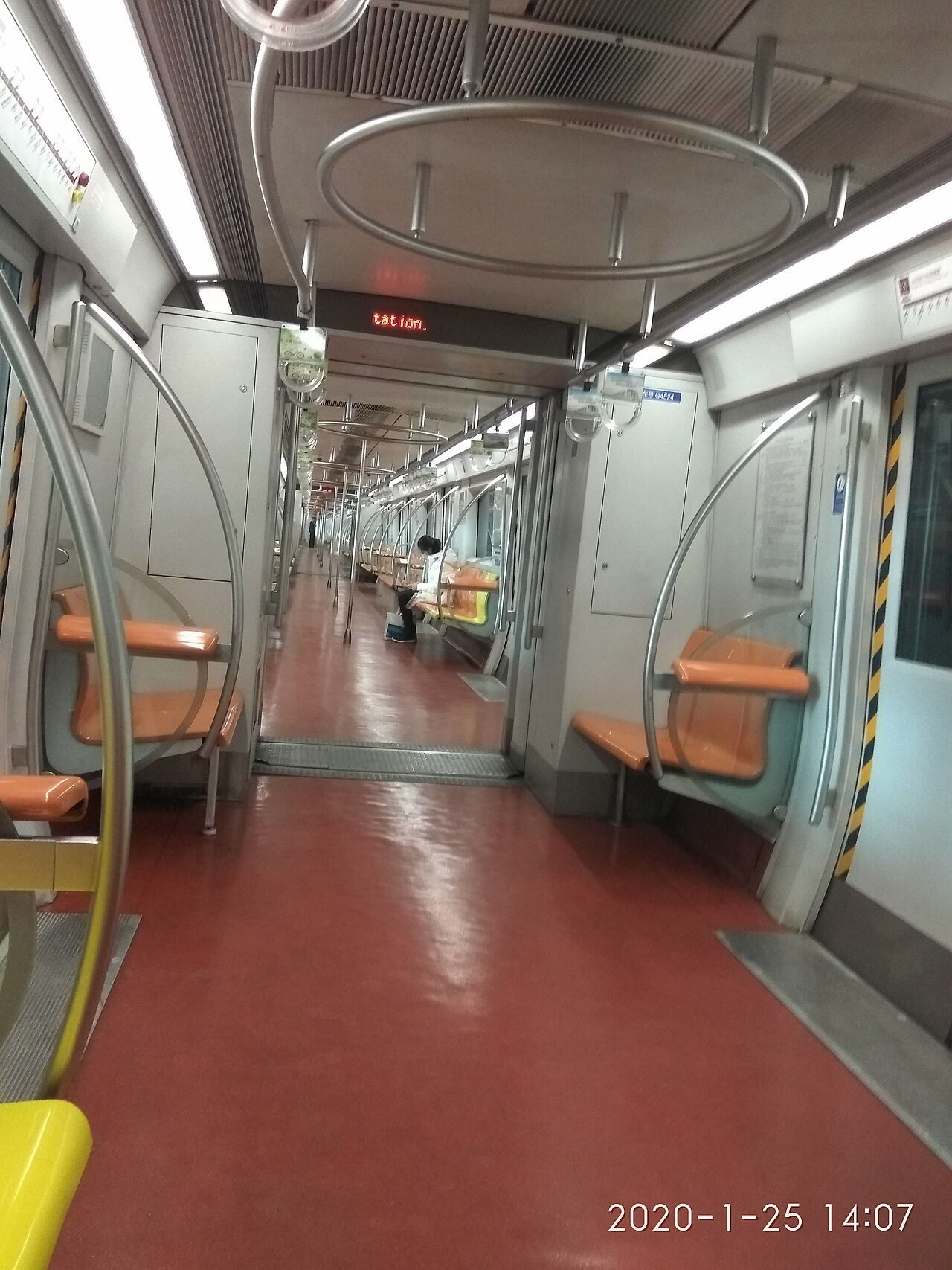
Beijing’s subway is enormous, old in parts, and completely different in character from Shanghai’s. The oldest line opened in 1969, and you can feel it: deeper stations, narrower platforms, and a Line 1 train at eight in the morning where the concept of personal space is a theory rather than a practice. I have been on that train holding a coffee above my own head because there was nowhere else to put it.
It is also the cheapest way to cross a city that is genuinely enormous, it runs everywhere you want to go, and it costs about the same as a bottle of water. This guide covers the fare system, how to pay as a visitor, the stations that matter for sightseeing, both airports, and how to survive the rush.
For the rest of the city’s transport, our getting around Chinese cities guide covers buses, bikes and taxis, and the Beijing travel guide lays out the sightseeing in a workable order.
The network in numbers
Beijing has around 27 lines and more than 800 kilometres of track, with roughly 490 stations. Around two-thirds of it is underground, and the deepest parts of the older lines are a long way down, which is worth knowing if you have heavy luggage or limited mobility: some interchanges involve a genuinely long walk and a lot of escalator.
Line 2 is the loop that follows the old city wall, and it is the single most useful line for a first-time visitor, because almost everything inside the centre is a short walk from one of its stations. Line 1 runs east to west straight through Tiananmen. Line 4 runs north to south and reaches the Summer Palace. Line 10 is the second loop, further out.
Fares and how to pay
Beijing uses distance-based fares with a low floor and a low ceiling. A journey of up to 6 kilometres is 3 RMB, and most tourist journeys land between 3 and 6 RMB. The longest cross-city trips and the airport express services cost more, with the expresses priced separately. Transfers between lines inside the paid area are included, so you pay once per journey regardless of how many changes you make.
| Method | How it works | Good for |
|---|---|---|
| Single-journey card | Buy from a machine or window, tap in, tap out and the card is retained at exit | Short visits, no setup |
| Alipay transport code | QR code in the Alipay app, scanned at the gate | Anyone who has set up Alipay, which is most visitors |
| Yitongxing app | The official Beijing subway app, generates a QR code | Longer stays; also has journey planning |
| Yikatong card | Physical stored-value card, also works on buses | Stays of a week or more, and bus users |
| Airport Express ticket | Separate fare for the airport express lines | Capital and Daxing airport transfers |
The reliable path for a visitor is Alipay. Link an international card in the app before you travel, enable the transit code for Beijing, and you tap your phone at every gate and never queue at a machine. Our payment guide for China covers that setup, and I would treat it as the first item on your Beijing preparation list.
Machines at stations accept cash and sometimes cards, and they have an English option. Keep small notes, because change can be a problem at busy times.
Stations that matter for sightseeing
- Tiananmen East and Tiananmen West, Line 1. For the Forbidden City and Tiananmen Square. You enter the palace from the south, through Tiananmen, which means a walk from either station and a security check. Details in our Forbidden City guide.
- Qianmen, Lines 2 and 8. The old front gate, Qianmen Street, and Dashilan, which is where the old commercial street life survives.
- Wangfujing, Lines 1 and 8. The shopping street, and the night market food street a block off it.
- Nanluoguxiang, Lines 6 and 8. The famous hutong, and the Drum Tower area to the west.
- Guloudajie, Lines 2 and 8. Drum Tower, and the start of the best hutong walking. See our Beijing hutongs guide.
- Shichahai, Line 8. The lakes, the bars, and the willow-lined walking loop.
- Yonghegong, Lines 2 and 5. The Lama Temple, the working monastery that is worth an hour.
- Beigongmen, Line 4. The north gate of the Summer Palace, which is the better entrance to use.
- Guomao and Sanyuanqiao, Line 10. The CBD, and the Airport Express connection.
- Wangjing and Jiangtai, Lines 14 and 15. For the 798 art district, which is a walk or a short taxi from either.
One sight that the metro will not get you to is the Great Wall. The reachable sections require a bus, a train, or a driver, and the choice of section matters a great deal. Our Mutianyu guide and the Jinshanling guide cover the two I would send people to.
Both airports
Beijing has two, and they are on opposite sides of the city.
Capital, PEK
- Airport Express. Around 25 RMB, roughly 20 minutes to Sanyuanqiao and about 25 to Dongzhimen, both on Line 10 or Line 2. Fast, clean, and the best option unless your hotel is directly on Line 10 near Sanyuanqiao.
- Metro Line 13 and others. Slower and cheaper, with a change. Do it if you are on a budget and not in a hurry.
- Taxi or ride-hailing. Roughly 120 to 180 RMB depending on traffic and where in the city, and 40 minutes to well over an hour in the wrong conditions.
Daxing, PKX
The newer airport, opened in 2019, in the far south. The Daxing Airport Express runs to Caoqiao on Line 10 in about 20 minutes for around 35 RMB, and it is quick and comfortable. A taxi is much longer and more expensive because of the distance.
Check which airport your flight uses before you book accommodation, because the distance between them is substantial and a transfer between the two eats most of a day. Our airport transfer guide for China compares the options across cities.
Rush hour, honestly
Weekday peaks run roughly 07:30 to 09:30 and 17:30 to 19:30. Line 1, Line 4, Line 5, Line 6, Line 10, and Line 13 are the worst. If you can move your sightseeing to a 10:00 start and be indoors or walking by 17:00, the difference in your day is significant.
Practical notes that make it easier:
- Queue at the platform markings. Beijing is better than it was, and pushing is rare, but boarding is competitive at peak.
- Let people off before you get on. You will be moved aside if you do not.
- Station staff at the platform will direct you, and several major interchanges have staff who speak some English.
- Security is at every station entrance, bags through a scanner. It is fast and routine. Carry your passport, because it is occasionally checked.
- Exits are lettered, A, B, C, D, sometimes with numbers. Check the exit board in the concourse before you commit, especially at Qianmen and Wangfujing, where the wrong exit adds a long walk around a large block.
Seasonal notes
Beijing in July is hot and the older stations are badly ventilated. Carry water. In January it is genuinely cold, and the walk from the platform at a deep interchange to the street can be ten minutes of stairs, so dress for it. Our China weather by region guide covers what to pack, and the best time to visit guide covers when to come.
Air quality is much improved from a decade ago, and bad days happen but are not the norm. If you are sensitive, check a local air quality index in the morning.
Quick facts
- Around 27 lines and more than 800 km of track, roughly 490 stations.
- Most central journeys cost 3 to 6 RMB. Transfers are included in the one fare.
- Line 2 is the loop around the old city and the most useful line for visitors.
- Airport Express is about 25 RMB from Capital and about 35 from Daxing.
- Exits are lettered. Check the board before you go up.
- Peaks run 07:30 to 09:30 and 17:30 to 19:30. Line 1 and Line 4 are the worst.
- Security screening at every station. Carry your passport.
- The metro does not reach the Great Wall. You need a bus, train, or driver.
Frequently asked questions
How much does the Beijing subway cost?
Around 3 RMB for journeys up to 6 kilometres, rising with distance, with most tourist trips in the 3 to 6 RMB range. Transfers between lines are included in a single fare. Airport express lines are priced separately, around 25 RMB from Capital and around 35 from Daxing. Confirm current fares at the station or in the official app, as they have been adjusted before.
Can I pay with a foreign card at the gate?
Not reliably. Use the Alipay transport code, which works once an international card is linked inside the app, or buy a single-journey card with cash at the machine. Our payment guide for China covers the setup, and it is worth doing before you arrive rather than on the platform.
Is the Beijing subway signed in English?
Yes, throughout. Station names, line numbers, exit letters, and onboard announcements are bilingual, and the network map is available in English. Navigating is straightforward; the hard part is choosing the right exit at large interchanges.
Which line goes to the Forbidden City?
Line 1 to Tiananmen East or Tiananmen West, then walk north through Tiananmen into the palace. Note that access to Tiananmen Square itself has separate security and timed entry, and the palace requires advance booking with your passport. Our Forbidden City guide covers the booking and the route.
How do I get to the Great Wall by public transport?
There is no direct subway. Mutianyu is reachable by tourist bus or by a combination of suburban rail and local bus, and most visitors either take an organised transfer or hire a car and driver for the day. The section you choose matters more than the transport. See our Mutianyu guide for the one I recommend most often.
How late does the subway run?
Most lines finish between 22:30 and 23:30, with some variation by line and direction. Check the last train for your specific line, because Beijing is not a late-night city in the way Shanghai is, and the walk from a closed station can be long. Taxis are plentiful and cheap enough for short trips.
Is the Beijing subway accessible with a wheelchair or limited mobility?
Improvements have been substantial and most newer stations have lifts and level access, but some older central stations have long stairs and awkward interchanges. Plan routes in advance and check lift availability for your specific stations. Our accessibility guide for China covers this in much more detail.
How do I get to 798 Art Zone?
Metro to Wangjing South, Jiangtai, or Wangjing, then a walk or a very short taxi ride. It is not directly on a station, which is why people underestimate the last leg. Our 798 Art Zone guide has the walking directions and what to see once you are there.
Set up Alipay with your foreign card and enable the Beijing transit code. Then look up which line and which exit serves your hotel and write it down. Do those two and the subway becomes the least stressful part of Beijing, which is not something I expected to be able to say about Line 1 at 8 a.m.
If you want a Beijing itinerary built around sensible metro routing and walking distances, get in touch through the contact page.
Written by the ChinaTravelFood editorial team.