Two visits, two different quarters
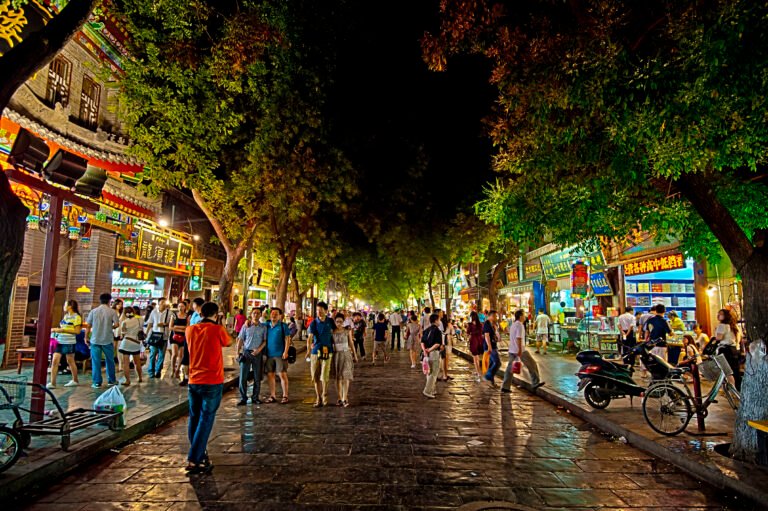
The first time I walked into Xi’an’s Muslim Quarter, it was 8 p.m. on a Saturday and I hated it. Beiyuanmen street was a river of people shuffling shoulder to shoulder past lamb skewer stalls and sticky rice cakes, the smoke from hundreds of grills hanging low under the red lanterns, and every shopkeeper shouting the same two words at me. I ate badly, paid double, and left thinking the place was a tourist trap that guidebooks oversold.
The second time, I came back at 7:30 the next morning, before the tour buses, and the same streets were nearly empty. Old men sat on plastic stools outside closed shopfronts drinking soup from metal bowls. A woman was selling zenggao (甑糕) out of a steam bucket on the back of a tricycle. That is when the quarter started making sense to me. The trick is not which shop to visit. It is what time you go, and this guide is built around that idea: a route through the quarter from breakfast to late evening, with the shops worth stopping for and a few honest warnings.
The quarter, known to locals as Huifang, sits just northwest of the Bell Tower in central Xi’an. It has been the center of the city’s Hui Muslim community for over a thousand years. The main food streets, Beiyuanmen, Dapiyuan, and Xiyangshi, are packed with visitors by mid-morning, while the parallel streets, especially Sajin Qiao, stay local until noon. For a wider look at the city, our Xi’an travel guide covers the walls, the museum, and the day trips.
Early morning: Sajin Qiao before the crowds
Start at Sajin Qiao, the street running west from the Bell Tower. Before 9 a.m. this is where Xi’an actually eats breakfast, and almost nothing on the menu is aimed at tourists.
What you want here is rouwan hulatang (肉丸胡辣汤), a meatball and pepper soup thickened with starch and heavy with white pepper. It is brown, it is murky, and it is the best thing I have eaten in Xi’an. A bowl costs about 8 to 15 RMB and vendors usually serve it with a youtiao (油条) fried dough stick or a flatbread for dipping. Look for the stalls with a line of locals; there are several good ones along the street and the quality is more consistent than the names suggest.
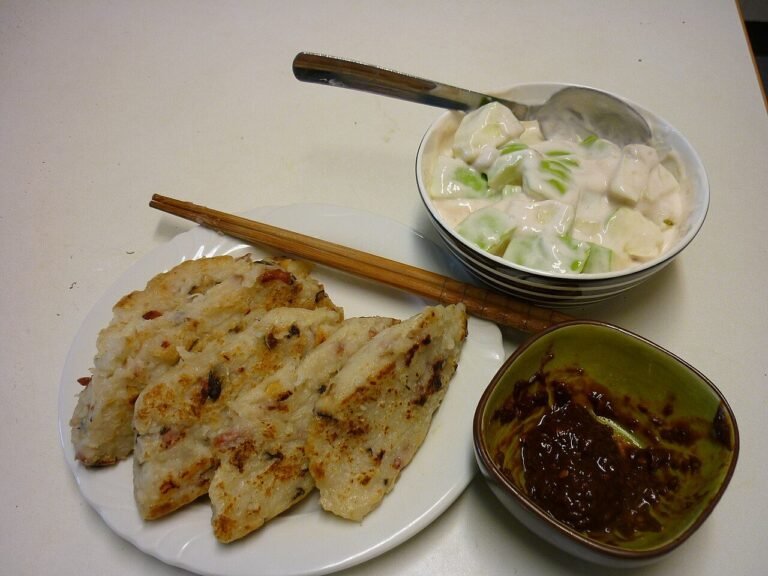
The other breakfast move is zenggao, a steamed glutinous rice cake layered with red dates and beans, sold by weight from steam buckets. A small portion runs 5 to 10 RMB. It is sweet, dense, and sticks to the spoon. One stall near the western end of the street has been there since before I first visited, though setups change, so I follow the steam rather than the signboard.
Walk north from Sajin Qiao into the side lanes and you will find Liuxin Xiaochao, a small shop known for xiaochao paomo (小炒泡馍), a soupy version of the classic bread-and-lamb soup where the cook chops everything up with you watching. A bowl is about 25 to 35 RMB. Prices in the quarter move with lamb costs, so treat these as 2026 numbers and expect some drift.
Midmorning: Dapiyuan and the shops with history
Cross north into Dapiyuan, the widest of the quarter’s side streets and the one that feels most like a working neighborhood that happens to sell food. This is where I take people who want to taste things without fighting crowds.
Dingjia Small Crispy Lamb has been on this street for decades and is the one famous name I still send people to. It serves xiaosu rou (小酥肉), small pieces of lamb fried until crisp then stewed soft, eaten over rice, about 30 RMB per portion. The dining room is dated, the service is brisk, and the room fills with families by noon. Go before 11:30 or after 1:30.
Next door, Shengzhiwang Liangpi sells liangpi (凉皮), cold wheat starch noodles with cucumber, vinegar, and chili oil, along with its chewy wheat-gluten cousin mianjin (面筋) and sesame sauce versions. A bowl is 8 to 12 RMB. Liangpi is the summer food here: sour, slick, and aggressively cold in a way that makes sense when the temperature hits 35.
Between stops, buy a cup of suanmeitang (酸梅汤), sour plum drink served cold in paper cups for around 8 RMB at the stall everyone calls Grandma Hua. It is the standard antidote to the lamb and chili oil, and the queues tell you everything. Shijia Baozi, set back in a courtyard off the same street, does steamed beef buns with thin skins for about 10 to 15 RMB a basket. Order the beef, not the mixed plate, if you want to taste the meat.
Midday: the Great Mosque on Huajue Lane
Running parallel to Beiyuanmen, Huajue Lane leads to the Great Mosque, and the lane itself is worth the walk even if you never enter the mosque. Founded in 742 during the Tang dynasty, the Great Mosque is one of the oldest in China, and unlike mosques in the Middle East it was built in a Chinese temple style: a series of courtyards, timber pavilions, and screen walls leading to the prayer hall. There are no domes and no minaret in the usual sense. Standing in the second courtyard under the pines, you understand something about how long Hui culture has been part of this city.
Non-Muslim visitors are welcome in the public areas. Entry was around 25 RMB in the last year I checked, and hours run roughly morning to late afternoon, but confirm both before you go, because prayer times and holidays affect access. Dress modestly: shoulders and knees covered for everyone. The surrounding lanes are quiet compared with the food streets, and the older residents sitting in their doorways are used to visitors drifting through.
Evening: skewers, soup dumplings, and the honest part
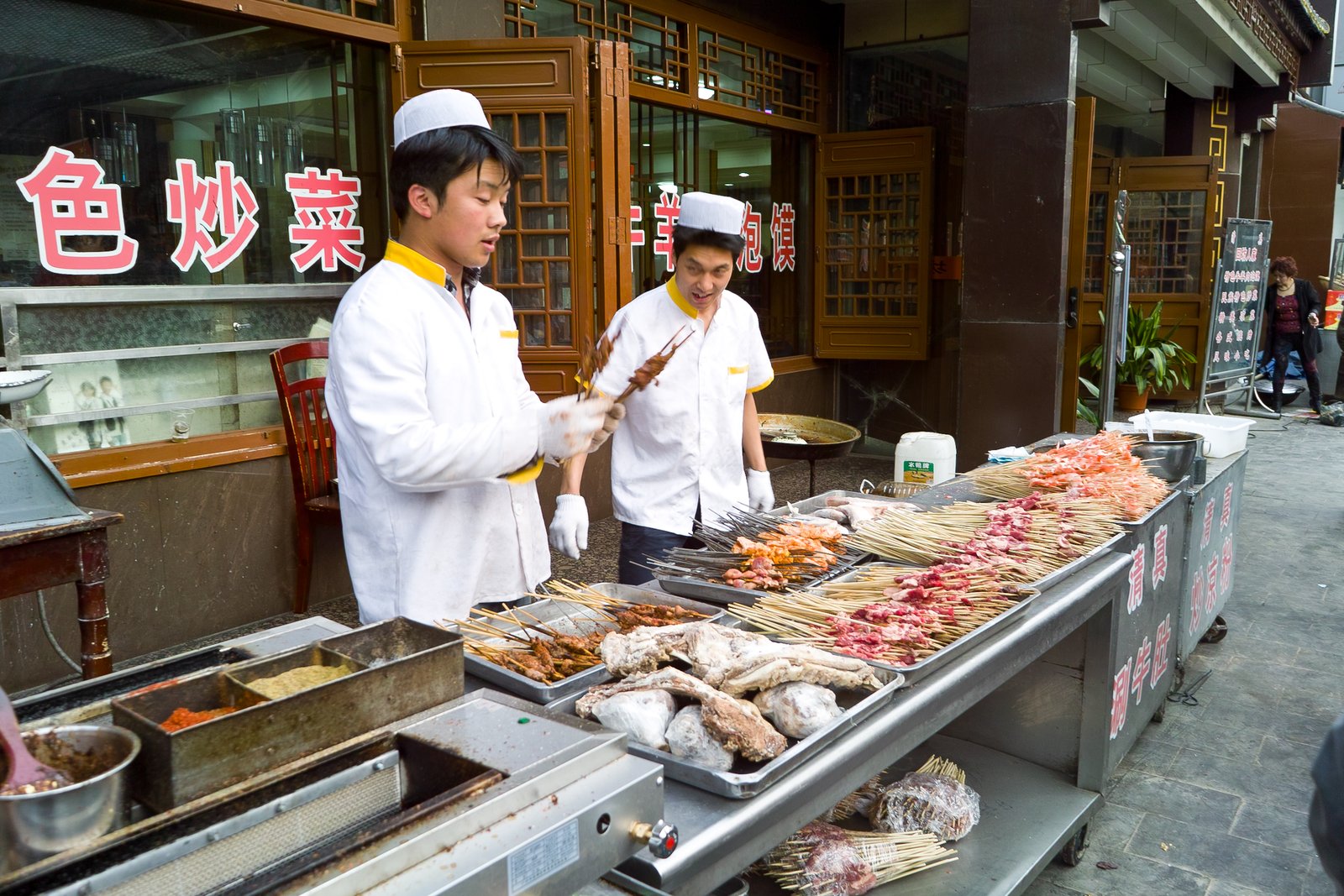
As the light goes, the quarter’s center of gravity shifts to Xiyangshi, a street of barbecue smoke running north from the Drum Tower side. The specialty is lamb skewers, grilled over charcoal with cumin and chili, about 5 to 10 RMB each depending on size, sold in multiples of ten. A meal of skewers plus flatbread and a bottle of local soda comes to roughly 60 to 100 RMB per person. The street has a festival atmosphere, and I enjoy it once per trip.
For something calmer, Jiasan Soup Dumplings on the Beiyuanmen strip makes halal guantang baozi (灌汤包子) with beef filling, a Xi’an adaptation of the soup dumpling that arrived from the south. A basket is 20 to 30 RMB, and the trick is to bite the top and drink the soup before it burns you. The dining room is large and noisy, which suits the room’s personality.
Now the honest part. Beiyuanmen’s main drag is the weakest food in the quarter and the most expensive. If a stall has a laminated English menu, photographs of every dish, and no locals eating, keep walking. The same dishes cost less and taste better two streets over. The other thing to know: this is a residential Muslim neighborhood, not a theme park. Look, photograph, and buy, but do not film people eating or block shop doorways. A little manners goes a long way here.
What to skip
Skip the fruit plates cut into artistic shapes on the main street, which are priced for photos. Skip the stalls selling Xi’an specialty packaged snacks you can find cheaper at a supermarket. Skip dinner at the most famous paomo (泡馍) house if the line is all tour groups; the smaller xiaochao shops serve a soupier, more interesting bowl for less money. And if you only have one meal here, spend it at breakfast on Sajin Qiao, where the quarter still belongs to the people who live in it.
A day of eating in the quarter
| Time | Street | What to eat | Typical price (2026) |
|---|---|---|---|
| 7:00 to 9:00 a.m. | Sajin Qiao | Meatball hupepper soup, zenggao, fried dough | 8 to 20 RMB |
| 10:00 a.m. to noon | Dapiyuan | Liangpi, stewed crispy lamb, beef buns | 8 to 35 RMB |
| Afternoon | Huajue Lane | Great Mosque visit, sour plum drink | ~25 RMB entry |
| 6:00 to 9:00 p.m. | Xiyangshi | Lamb skewers, flatbread, grilled vegetables | 60 to 100 RMB per person |
| Any evening | Beiyuanmen | Halal soup dumplings, hot pot | 20 to 30 RMB per basket |
Quick facts
- Located just northwest of the Bell Tower; walkable from downtown hotels in 15 to 20 minutes
- Busiest on Saturday evenings and Chinese national holidays; quietest before 9 a.m.
- The Great Mosque was founded in 742 and is built in Chinese temple style
- All food in the quarter is halal; pork is not served anywhere in the area
- Breakfast culture is real here: locals eat on the street from 6:30 a.m.
- Most shops are cashless; Alipay and WeChat Pay both work, and cards rarely do
- Prices quoted are from 2026 and drift with lamb costs
Frequently asked questions
Is the Muslim Quarter only for tourists?
The main Beiyuanmen strip is heavily touristed, but the surrounding lanes, especially Sajin Qiao and the western sections, are working neighborhood streets where locals buy breakfast and dinner. If you go early and stay off the main drag, it feels like a real part of the city.
Can non-Muslims visit the Great Mosque?
Yes, visitors are welcome in the public courtyards and exhibition areas during opening hours, outside of prayer times and major religious holidays. Modest dress is expected. Check current entry fees and hours before going, since they have changed in recent years.
What is the single best thing to eat there?
My pick is the meatball hupepper soup at breakfast. It is cheap, local, and nothing like what you will find anywhere else in China. If you only manage one evening, lamb skewers on Xiyangshi are the more obvious pleasure.
How much money should I budget for one day of eating?
About 150 to 250 RMB per person covers breakfast, lunch, snacks, and a skewer dinner if you eat like a local. Touristy stalls on the main street can push that higher for the same food.
Is the area safe to walk at night?
Yes. The quarter is central, well lit, and busy until late. The usual city cautions apply, and I have walked it alone at 11 p.m. without trouble.
Is there food for vegetarians?
Some. Liangpi, sesame sauce noodles, and zenggao are meat-free, though many stalls cook with meat broth. Vegan options are thin on the ground in a lamb-focused quarter, so come with expectations adjusted.
If you want the quarter built into a longer Xi’an stay, we can help you plan a custom food-and-travel route through the contact page. It pairs naturally with a morning at the Terracotta Army and an afternoon cycling the Xi’an city wall, both a short ride from the hotel district. For halal eating beyond Xi’an, our guide to halal food travel in China maps the other strong cities, and for a dish-by-dish breakdown of the quarter’s famous plates, read what to eat in Xi’an’s Muslim Quarter.
Written by the ChinaTravelFood editorial team.