Wuyuan Villages: Rape Flowers, Hui Houses, and Living Rural China
The first time I saw a photo of Wuyuan, I assumed it was heavily filtered. Then I went in early March and the rape flowers were exactly that yellow, the white walls and black tiles of the Hui-style houses exactly that clean against the green hills. Wuyuan is a county in northeastern Jiangxi, made up of something like a hundred scattered villages rather than one town, and it is the closest thing China has to a working postcard of old rural China.
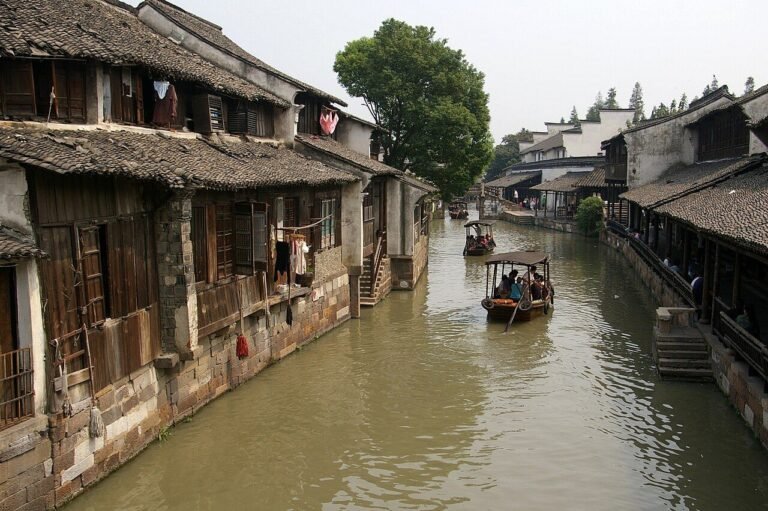
What surprised me was how alive it still feels. These are not museum villages. People hang laundry, tend ducks in the paddies, and run small guesthouses out of their ancestral homes. You can stand on a stone bridge at dawn with mist over the terraces and still hear a scooter puttering up the lane. That mix of beauty and ordinary life is why I send photographers and slow travelers here instead of to the more polished spots.
Where Wuyuan actually is
Wuyuan sits in the mountains between Jiangxi and Anhui provinces. The nearest transport hub is Huangshan City in Anhui, about two to three hours away by bus or car, which makes it an easy add-on to a Huangshan trip. The county town of Wuyuan has a high-speed rail station now, so you can also come directly from Hangzhou or Nanchang. I arrived by train from Shanghai, changed once, and was at my guesthouse by early evening.
The villages split into eastern, western, and northern clusters, each with a separate entry ticket system. Most visitors base themselves in the county town and hire a driver for the day, or rent an electric scooter if they are confident on Chinese country roads. The northern route up toward Qingyuan and the rainbow bridges is quieter and colder in spring, but it has my favorite rapeseed terraces.
Best time to see the flowers (and the trade-off)
The rape flowers bloom from late February to early April depending on the elevation and that year’s weather. The best season for rape flowers is usually mid-to-late March, but it shifts. Call it a week wrong and you get either bare fields or spent yellow. I went March 18 one year and it was perfect; a friend who went April 5 found the petals already falling.
Autumn is the second window. Late October and November bring the harvest, when corn and chili are laid out on the roofs and the maples around Stone City (石城) and Changxi turn red. Fewer crowds than spring, and honestly the photography is better if you like mood over brightness. The autumn color is also more forgiving of timing; a week early or late matters less than it does with the spring bloom.
Villages worth your time
Jiangling (江岭) is the postcard terrace village and gets mobbed, but the layered fields really are that good from the upper viewpoint. Likeng (李坑) is the easily reached one, a water village with a stream running through it, touristy but pretty. Xiaoqi (晓起) has old camphor trees and quieter lanes. My personal favorite is Wangkou (汪口) for its Yu clan ancestral hall, a wooden structure that shows what these lineages actually built.
If you want the iconic shot of a horse-shoe shaped bay of terraces with a village tucked inside, Jiangling is it. Get there before 8 a.m. or after 4 p.m. to dodge the tour buses. Midday the light is flat and the lanes are packed. I once paid a villager twenty yuan to let me onto his upper field path for a cleaner angle, and he was happy to point out where the light would land an hour later.
What a Wuyuan day actually costs
Wuyuan is not an expensive place, but the costs add up in a particular way. The combo ticket covering the eastern route villages has run around 180 yuan in recent years and is valid for a set number of days, so hold onto it. A hired driver runs about 300 yuan a day, split easily between two or three travelers. Village guesthouses range from 150 yuan for a basic room to 400 for a restored merchant house with breakfast. Meals at guesthouses run 30 to 60 yuan per person. Add the train fare from your city, and a two-day Wuyuan stop lands comfortably in the mid-budget range for China, cheaper than the headline cities and far cheaper than a Yangtze cruise.
Cash still helps in the smallest villages where card readers and even Alipay can fail on a weak signal. I carried a few hundred yuan and was glad when a roadside tea seller had no network.
A sample two-day driving loop
If you have a driver or scooter, here is the loop I would run. Day one: arrive at the county town, drop bags, and do the eastern route late afternoon when the Jiangling light is long, sleep in Likeng or the county. Day two: leave at 6 a.m. for the northern route, catch the terraces around Qingyuan in morning mist, walk the Rainbow Bridge (廊桥), and loop back through a western village like Yancun for lunch before the train. This keeps the bright midday for driving and the soft edges for photos. If you only have one day, skip the western cluster and do the eastern route well rather than rushing all three.
A side note on Hongcun
Many travelers confuse Wuyuan with Hongcun village in Anhui. They share the Hui architectural style, white walls and horse-head gables, but Hongcun is a single restored village with an entry fee and a film-credential reputation. Wuyuan is dozens of villages spread across hills. I like Wuyuan more for wandering, but Hongcun is easier if you have one afternoon and a driver from Huangshan.
Getting around and tickets
Wuyuan uses a combo ticket that covers most villages for a set number of days. Prices change, so check the official scenic area site before you go and confirm at the station. I booked through China’s train system to reach the county and then arranged a local driver through my guesthouse for about 300 yuan a day, which is the move. Public buses exist but run on village time, not yours. An electric scooter gives you freedom but demands confidence on narrow, sometimes unpaved lanes; I saw one traveler walk his scooter up a muddy rise and decided the driver was the smarter buy.
| Route | What you get | My take |
|---|---|---|
| Eastern (Likeng, Xiaoqi, Jiangling) | The classic rape-terrace circuit | Prettiest, most crowded in March |
| Western (Yancun, Hongguan) | Fewer tours, more local life | Good if you hate buses |
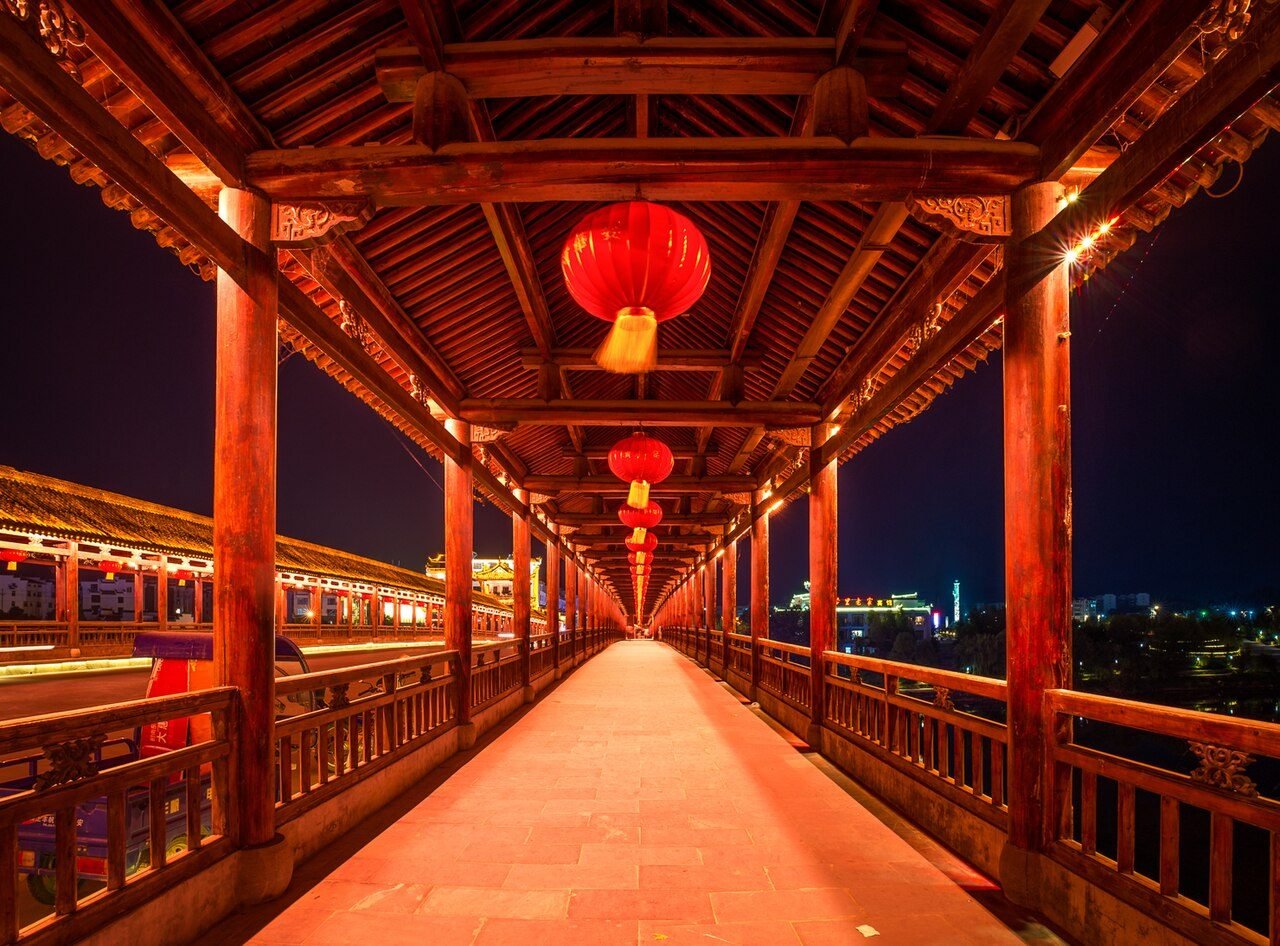
| Northern (Qingyuan, Rainbow Bridge) | Cooler, terraces plus old bridges | My favorite for quiet mornings |
| Autumn (Stone City, Changxi) | Red maples and harvest scenes | Best photography window |
Food in the countryside
Wuyuan food is plain Jiangxi home cooking: river fish, bamboo shoots in spring, free-range chicken, and a lot of smoked pork. The local dish people mention is 糊豆腐 (hú dòufu), a thick soft tofu gruel with greens that sounds odd and tastes comforting on a cold morning. Another one worth trying is 粉蒸肉 (fěnzhēngròu), pork steamed with rice flour, a Jiangxi staple that turns up at every banquet table. Meals at guesthouses run 30 to 60 yuan per person and you eat what they cooked. Tell them if you cannot handle heat; Jiangxi chili is no joke, and the smoked-pork dishes carry a real kick.
Quick facts
- Wuyuan is a county in northeastern Jiangxi, not a single town.
- Peak bloom: roughly mid-to-late March; autumn color in November.
- Villages use a multi-day combo ticket; verify current prices online.
- Base in the county town; hire a driver or scooter for the day.
- Nearest major sight nearby: Huangshan, about 2-3 hours by road.
- Cash helps in small villages where card readers fail.
- Two days covers the main routes; three lets you take it slow.
Frequently asked questions
How many days do I need for Wuyuan?
Two full days covers the main eastern route plus one quieter cluster. Add a third if you want the northern terraces or a slow autumn morning at Stone City. I would not give it less than two.
Is Wuyuan better in spring or autumn?
Spring for the yellow rape fields, autumn for red maples and harvest scenes with fewer people. If you dislike crowds, autumn wins. If you came for the postcard yellow, spring it is, but nail the timing.
Can I visit Wuyuan without a car?
Yes, but it is slower. The county has a station and buses to villages, yet routes are infrequent. A hired driver for 300 yuan a day removes the stress, and splitting it among two or three travelers is cheap.
Should I combine Wuyuan with Huangshan?
Strongly yes. They are close and complementary: mountain drama one day, village calm the next. Most people do Huangshan first, then drop down to Wuyuan to decompress.
Where do I sleep?
In a village guesthouse if you want atmosphere and dawn light, or in the county town if you want options and a station nearby. I slept in Likeng once and the early-morning emptiness was worth the basic room.
Any etiquette I should know?
Yes, and it matters more in living villages than dead ones. The photography etiquette guide covers asking before shooting into someone’s courtyard. A smile and a nod goes further than a long lens.
Building Wuyuan into a longer trip
Wuyuan slots neatly into a two-week China itinerary that starts in Shanghai or Hangzhou, dips down through Huangshan, and loops back via Wuyuan. If you want a custom food-and-travel route that threads the villages with the right bloom dates, drop us a note on the contact page and we can map it to your travel window.
Written by the ChinaTravelFood editorial team.